Source Food Grade Xanthan Gum Powder for Drinks and Jelly
Find reliable Food Grade Xanthan Gum Powder from 30 verified suppliers. Compare specifications including purity, mesh size, and packaging options for applications in meat, baked goods, and condiments. Request samples and quotes to secure consistent thickening and stabilizing ingredients for your production needs.
Key considerations
Products List


Comprehensive Sourcing Guide
Food Grade Xanthan Gum Powder Sourcing Guide
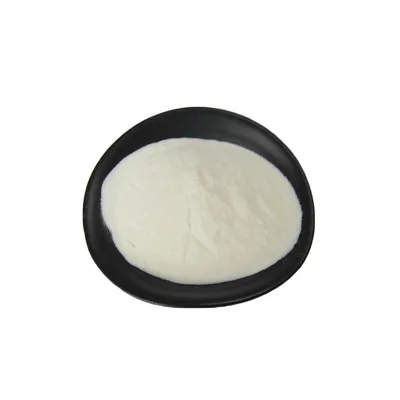
Buyers must first distinguish between the various physical forms and packaging options available in the current market to ensure alignment with their specific production lines. The observed listings indicate a primary form of white to yellow powder, though some suppliers offer light yellow variations that may affect final product aesthetics. It is critical to verify the mesh size, as specifications range from 40 to 200 mesh, with some vendors guaranteeing 100% minimum for 80 mesh and 92% minimum for 200 mesh. Selecting the correct particle size is essential for achieving the desired viscosity and solubility in water without requiring excessive mixing time or specialized equipment.
Packaging integrity is equally vital, as the supply chain presents diverse options ranging from simple paper bags to laminated materials and fiber drums. While some listings specify a standard 25kg per bag configuration, others offer flexible packaging in kraft bags, cartons, or drums up to 1000kg for bulk industrial needs. Procurement teams should confirm that the packaging material, whether paper, metal, or plastic, matches the storage environment requirements to prevent moisture ingress. Ensuring the container is sealed properly is necessary to maintain the product's shelf life, which is typically observed to exceed twelve months when stored in cool, dry conditions.
Product Scope and Observed Listing Signals
The application scope for this ingredient is broad, covering diverse sectors such as meat processing, beverage formulation, flour products, and condiments. Listings explicitly mention usage in jelly, ice cream, and baked goods, indicating its role as a versatile thickener and stabilizer across multiple food categories. Buyers should verify that the specific grade selected matches their intended use, as some products are designated for food grade applications while others may include industry grade specifications. Understanding the primary active ingredient as Xanthan Gum is fundamental, but the specific purity levels, observed at 99% or 99.9%, can influence the final texture and stability of the end product.
Commercial signals in the market reveal a wide variance in minimum order quantities, ranging from a single unit to 5000kg, which significantly impacts procurement strategy. While some suppliers list a low MOQ of 1 metric ton, others require a minimum of 1000kg, necessitating careful inventory planning to avoid overstocking or stockouts. The price range is equally expansive, spanning from $1.2 to $6500, reflecting differences in packaging, purity, and order volume. Buyers must analyze these signals to determine the most cost-effective entry point, balancing the need for sample availability, which is often offered for free, against the financial commitment of larger bulk orders.
Technical Specifications to Verify
Verification of solubility and particle size is the first technical step, as the product is described as easily soluble in water with mesh sizes varying between 80 and 200. Buyers should request specific test data confirming that the 80 mesh fraction meets the 100% minimum requirement and the 200 mesh fraction meets the 92% minimum, as these metrics directly impact processing efficiency. The net weight of individual packages is consistently observed at 1kg for samples or smaller units, while bulk shipments often adhere to a 25kg standard per bag. Ensuring the physical form matches the description of a powder is crucial, as deviations could indicate moisture absorption or degradation during transit.
Purity levels and chemical composition are critical parameters that define the functional performance of the gum in food systems. Observed purity claims range from 99% to 99.9%, and buyers must confirm these figures through independent laboratory analysis rather than relying solely on supplier certificates. The nutritional value is noted as non-nutritional, which is a key consideration for products requiring specific caloric labeling or allergen management. Additionally, the standard grade is consistently listed as food grade, but verifying the specific chemical standard, such as the CAS number 11138-66-2, ensures the material is chemically identical to the intended specification for regulatory compliance.
Compliance and Safety Documentation
Navigating the certification landscape requires careful attention to the specific standards held by the supplier, as listings show a mix of ISO, FDA, HACCP, BRC, and RoHS certifications. Buyers should not assume that a single certification covers all regulatory requirements for their target market; instead, they must verify that the specific facility holds the necessary approvals for food contact materials in their region. The presence of a Certificate of Analysis (COA) is frequently mentioned and serves as a primary document for validating purity and safety parameters before the product enters the production line.
Storage and handling instructions are equally important for maintaining compliance and product integrity throughout the supply chain. The recommended storage method is a cool and dry place, with some listings specifying a cool and dry environment to ensure the shelf life remains above 24 months. Buyers must ensure their logistics partners adhere to these conditions, as exposure to humidity or heat can compromise the powder's solubility and viscosity. Confirming that the loading port is a Chinese port and that shipping marks can be customized helps in tracking the product and ensuring it meets the specific import requirements of the destination country.
Cost Drivers and Commercial Terms
Payment terms and logistics costs are significant factors that influence the total landed cost of the product beyond the base unit price. Common payment methods observed include T/T and L/C, which offer different levels of security and cash flow implications for the buyer. The loading quantity is typically 20 metric tons per 20-foot container, a standard that affects freight calculations and inventory turnover rates. Buyers should calculate the cost per kilogram including freight and insurance, as the wide price range of $1.2 to $6500 suggests that shipping and packaging choices can drastically alter the final expense.
Minimum order quantities and sample policies are key commercial levers that determine the feasibility of a new supplier relationship. While some vendors offer free samples to facilitate testing, the MOQ can be as high as 1000kg or as low as 1 metric ton, requiring a strategic decision based on current demand forecasts. The standard packaging of 25kg per bag or 25kg per kraft bag influences handling costs and storage space requirements within the warehouse. Procurement teams must negotiate terms that align with their production schedule, ensuring that the lead time and payment structure do not disrupt the supply chain flow.
Supplier Qualification and Quality Control
Evaluating the supplier's origin and production capabilities is essential for ensuring consistent quality and reliable delivery. The majority of observed listings indicate the product origin as China or China Mainland, which is a major hub for Xanthan Gum production but requires rigorous vetting of the specific manufacturing facility. Buyers should verify the supplier's ability to provide consistent batch-to-batch quality, particularly regarding the mesh size and purity levels that are critical for food applications. Requesting a facility audit or a recent third-party inspection report can provide confidence in the supplier's operational standards and quality control processes.
Quality control protocols must be established to verify that the product meets the specified standards before it is accepted into inventory. The presence of certifications like ISO and FDA suggests a baseline of quality management, but buyers should also demand a Certificate of Analysis for every shipment to confirm the 99% or 99.9% purity and the correct mesh distribution. Testing for solubility in water and checking the appearance for any discoloration beyond the white to yellow range are practical steps to ensure the product has not degraded. Establishing a clear acceptance criteria based on these technical specifications helps prevent the introduction of substandard materials into the production process.
Long-Term Procurement Checks
Building a sustainable supply chain requires ongoing monitoring of the supplier's ability to maintain quality and meet evolving market demands. Buyers should regularly review the supplier's certification status, ensuring that ISO, FDA, or other relevant approvals remain current and valid for the duration of the contract. The shelf life of the product, observed to be 24 months or longer, necessitates a rotation strategy that prevents inventory from expiring while maintaining freshness. Periodic re-testing of stored stock is advisable to confirm that the storage conditions have remained optimal and that the product properties have not changed over time.
Commercial stability and the ability to scale production are critical for long-term procurement success. Buyers should assess the supplier's capacity to handle increased order volumes, as the observed MOQ ranges from 1 to 5000kg, indicating flexibility but also potential variability in production scheduling. Establishing a clear communication channel for updates on lead times, loading ports, and shipping marks ensures that any disruptions are managed proactively. Regular performance reviews based on delivery times, product consistency, and responsiveness to quality issues will help maintain a robust and reliable partnership with the supplier.
FAQs
What is the purity level of Food Grade Xanthan Gum Powder?
The purity level is typically 99% to 99.9%. This high concentration ensures effective thickening and stabilization in various applications. The product appears as a white to yellow powder. It is easily soluble in water, making it versatile for different formulations. Buyers should verify specific batch certificates for exact purity confirmation.
Which certifications are available for this xanthan gum product?
Available certifications include ISO, FDA, HACCP, BRC, and RoHS. These credentials verify compliance with international safety and quality standards. The product is suitable for food, drink, and industrial applications. Buyers can request Certificates of Analysis (COA) to confirm specific regulatory adherence for their target markets and product requirements.
How is Food Grade Xanthan Gum Powder packaged and stored?
Packaging options include 25kg paper bags, kraft bags, cartons, or fiber drums. Some variants use laminated or plastic materials. Storage requires a cool, dry place under normal conditions. The shelf life exceeds 12 months, often up to 24 months. Proper storage maintains product stability and prevents moisture absorption during transit and warehousing.
What are the main applications for this xanthan gum powder?
Main applications include meat, drinks, flour products, condiments, jelly, ice cream, and baked goods. It serves as a food thickener and stabilizer. The powder is also used in candy and various liquid formulations. Its versatility allows it to improve texture and viscosity across diverse food and beverage manufacturing processes effectively.
Can buyers customize the mesh size for xanthan gum powder?
Yes, customization is available for mesh sizes such as 80 mesh and 200 mesh. Specifications may require 100% minimum for 80 mesh and 92% minimum for 200 mesh. Buyers can request specific particle sizes to match their processing equipment. This flexibility ensures optimal dissolution and performance in final products without compromising quality standards.
What is the minimum order quantity for xanthan gum powder?
The minimum order quantity ranges from 1 metric ton to 1000 kilograms. Some suppliers offer lower MOQs starting at 1 unit. Buyers should confirm specific MOQ requirements with the supplier. Flexible ordering options accommodate both small-scale trials and large industrial procurement needs while ensuring efficient logistics and cost management.
Where is the Food Grade Xanthan Gum Powder manufactured?
The product originates from China (Mainland). Loading ports are located at Chinese ports. Buyers can expect competitive pricing due to regional manufacturing advantages. Shipping marks can be customized per request. The origin ensures consistent supply chains and access to established industrial infrastructure for global distribution and export requirements.