Source For Daewoo Voltage Regulator for Engines, Cars, and Relays
Find and compare 30 listings for the For Daewoo Voltage Regulator across diverse applications. Evaluate options ranging from engine components to automotive relays and sensors, ensuring you select the right part for your specific machinery or vehicle needs; compare the available evidence and request quotations based on your requirements.
Key considerations
Products List
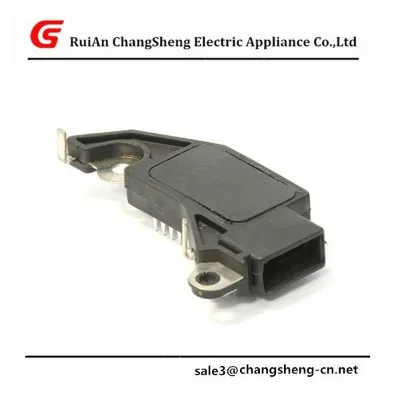


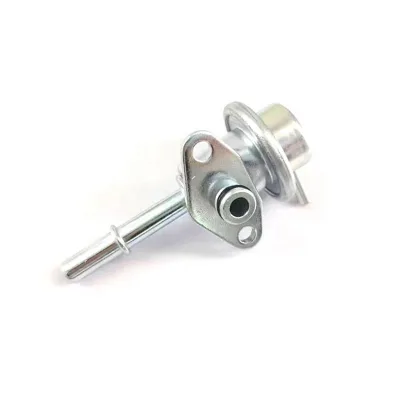


Intelligent Automatic Voltage Regulator for Reliable Power Management
$8000.00 - $18000.00
MOQ: 1 Sets


Maintenance-Free Single-Phase Voltage Regulator for Consistent Power Supply
$10000.00 - $80000.00
MOQ: 1 Sets


Automatic Voltage Regulator for Generator Set AC Voltage Stabilizer R449
$42.30 - $45.90
MOQ: 20 pieces

Smart Auto Voltage Regulator for Effective Voltage Management Solutions
$1896.00 - $1987.00
MOQ: 1 Pieces

High Voltage Intelligent Voltage Regulator for Reliable Power Systems
$1896.00 - $1987.00
MOQ: 1 Pieces

Advanced Auto Voltage Regulator for Effective Voltage Management Systems
$1896.00 - $1987.00
MOQ: 1 Pieces

Intelligent Voltage Regulator for High Voltage Energy Distribution Systems
$1896.00 - $1987.00
MOQ: 1 Pieces

Auto Voltage Regulator for Enhanced Voltage Stability in Power Grids
$1896.00 - $1987.00
MOQ: 1 Pieces

Comprehensive Sourcing Guide
For Daewoo Voltage Regulator Sourcing Guide
Procuring voltage regulators for Daewoo vehicles requires distinguishing between complete engine assemblies and specific electrical components like relays and sensors. The market data indicates a diverse inventory ranging from large diesel engines with over 8-liter capacity to subminiature electromagnetic relays and fuel pressure regulators. Buyers must carefully align their specific vehicle model requirements with the listed product attributes, such as the "Auto Meter" style tachometers or the "Switch Contact Type" throttle sensors, to ensure compatibility.
The observed listings reveal significant variation in origin and packaging, with some items originating from Korea and others from Zhejiang, China. While some products are offered in standard packaging, others utilize neutral or sea-express shipping methods. This diversity necessitates a rigorous verification process where buyers confirm that the "Single-Deck" structure or "Manual" transmission type matches their fleet's actual configuration before committing to any purchase order.
Product Scope and Observed Listing Signals
Buyers should first verify the specific product model numbers, such as 96806809 or 96764269, to ensure they are sourcing the correct component for their Daewoo application. The listings show a mix of engine types, including Doosan engines, and various electrical parts like DC electricity relays with weak power loads. It is critical to confirm whether the item is a "New" condition unit or a refurbished part, as the "Non-Customized" status suggests standard manufacturing rather than bespoke engineering.
The price range observed spans from $0.50 to $10,000,000, reflecting the vast difference between small electrical relays and complete engine assemblies. This wide spectrum requires buyers to clearly define their budget and functional needs, as a "Large" size engine will naturally command a different price point than a "Miniature" relay. Understanding these signals helps prevent the accidental purchase of oversized or undersized components that do not fit the intended vehicle architecture.
Technical Specifications to Verify
Technical due diligence must focus on the emission standards and engine capacity, particularly for larger diesel units that must meet Euro 3 requirements. Buyers need to confirm that the "Electricity Type" is DC and that the "Action Principle" aligns with their vehicle's electrical system, whether it is an "Electronic Type" or "Electromagnetic Type" relay. Verifying the "Crankshaft Position Sensor Type" as "Electromagnetic Pulse Type" is essential for ensuring the engine management system functions correctly without signal interference.
The physical dimensions and installation methods are equally critical, as some components require "Separate Installing" while others are integrated into the assembly. The "Structure" of the vehicle, such as a "Single-Deck" design, influences the spatial requirements for the regulator and its associated sensors. Buyers should cross-reference the "OEM" number 96334068 with their existing parts list to guarantee that the replacement part fits the specific Daewoo model without requiring extensive modification.
Compliance and Safety Documentation
Compliance verification should begin with checking for recognized certifications like ISO9001 and CCC, which indicate adherence to quality management and safety standards. While some listings mention "normal" standards, buyers must ensure that the specific component meets the regulatory requirements of their destination market, especially for emissions-related parts. The presence of these certifications provides a baseline assurance that the manufacturing process follows established protocols for safety and reliability.
Safety documentation also includes understanding the "Protective Characteristics" of the components, such as "Enclosed Relay" designs that prevent electrical hazards. Buyers should request detailed installation manuals that specify the "Throttle Position Sensor Type" and other critical electrical interfaces to prevent operational failures. Ensuring that the "Warranty" period, often listed as one year, is clearly defined in the contract protects the buyer against premature component failure and provides recourse for defective units.
Cost Drivers and Commercial Terms
Cost drivers in this market are heavily influenced by the "Product Name" and complexity, ranging from simple fuel pressure regulators to complex engine assemblies. The "MOQ" of 100 pieces for certain relays versus a single unit for other items significantly impacts the total procurement cost and inventory strategy. Buyers must evaluate whether the "Selling Units" are single items or bulk packs, as this affects the per-unit price and the efficiency of the supply chain.
Commercial terms such as payment methods including TT, PayPal, and Western Union offer flexibility but require careful risk assessment. The "Single gross weight" of 0.200 kg for smaller items versus the heavy weight of large engines dictates shipping costs and logistics planning. Buyers should negotiate clear terms regarding "Packing" methods, such as "Neutral Package" or "Standard" packaging, to ensure that goods arrive without damage and that customs clearance is not delayed by non-compliant labeling.
Supplier Qualification and Quality Control
Supplier qualification requires verifying the "Place of Origin" and the specific manufacturing capabilities of the vendor, whether they are based in Korea or Zhejiang, China. Buyers should assess the supplier's ability to provide "After-Sales Service," as this is a critical factor for maintaining fleet uptime and resolving technical issues. A supplier with a proven track record in "Customization" availability, even if the current listing is "Non-Customized," demonstrates flexibility to meet future needs.
Quality control processes must be validated through the supplier's adherence to "prod_standard" specifications, which can range from "normal" to "as customized" depending on the order. Buyers should request sample testing results for the "Theory" of operation, such as the "Electromagnetic Relay" mechanism, to confirm performance under load. Establishing a clear quality agreement that defines acceptable tolerances for the "Size" and "Brand Name" ensures that all delivered parts meet the rigorous standards required for Daewoo vehicles.
Long-Term Procurement Checks
Long-term procurement strategies should include regular audits of the "Certificate" status and the consistency of the "prod_model" numbers across multiple orders. Buyers need to monitor the "Emission Standard" compliance over time, as regulatory changes may render older stock non-compliant for future use. Maintaining a relationship with suppliers who can provide updated technical data ensures that the fleet remains operational and meets evolving environmental regulations.
It is also essential to track the "Warranty" performance and the frequency of "After-Sales Service" requests to identify potential systemic quality issues. Buyers should establish a feedback loop with suppliers to discuss the "Installation Method" and any recurring problems encountered during field operations. By continuously evaluating the "Single package size" and "Single gross weight" data, procurement teams can optimize logistics costs and ensure a stable, efficient supply chain for their Daewoo vehicle components.
FAQs
What is the warranty period for the For Daewoo Voltage Regulator?
The warranty period is 1 year. This coverage applies to the product under normal usage conditions. Buyers should retain proof of purchase to validate the claim. The warranty ensures reliability for the specified component. It covers manufacturing defects but excludes damage from improper installation or misuse. This standard term provides assurance for B2B procurement decisions.
Can the For Daewoo Voltage Regulator be customized for specific needs?
Yes, customization is available for this product. Although the standard listing is non-customized, the supplier offers tailored options. Buyers can request specific modifications to meet unique operational requirements. This flexibility allows for better integration into existing systems. Contact the supplier directly to discuss specific customization parameters and feasibility.
Which certification does the For Daewoo Voltage Regulator hold?
The product holds ISO9001 and CCC certifications. These standards verify quality management and compliance with regional regulations. ISO9001 indicates a robust manufacturing process. CCC certification ensures safety and performance standards are met. These credentials are essential for verifying supplier reliability and product quality in international trade.
How is the For Daewoo Voltage Regulator packed for shipping?
The product is packed in a neutral package. The single package size is 12x12x12 cm. This compact packaging protects the item during transit. The gross weight is 0.200 kg per unit. Shipping can be arranged by sea or express courier. This method ensures safe delivery while optimizing logistics costs for bulk orders.
What is the minimum order quantity for the For Daewoo Voltage Regulator?
The minimum order quantity is 100 pieces. This MOQ applies to standard orders. Buyers must meet this threshold to proceed with purchase. The supplier accepts payments via TT, PayPal, or Western Union. Meeting the MOQ ensures efficient production and shipping processes for the requested volume.
Where is the For Daewoo Voltage Regulator manufactured?
The product originates from Zhejiang, China. This location is a major hub for automotive parts manufacturing. The origin indicates the supply chain source. Buyers should consider logistics from this region when planning imports. The manufacturing base supports the production of OEM standard components for various vehicle models.