Source For BMW Auto AC Compressor for Cars, Trucks, and Vans
Compare 30 listings for the For BMW Auto AC Compressor featuring variable capacity and air-cooled designs. Buyers can evaluate models like 7SEU17C and CP645 with different voltage options and packing types to find suitable automotive air conditioning components.
Key considerations
Products List


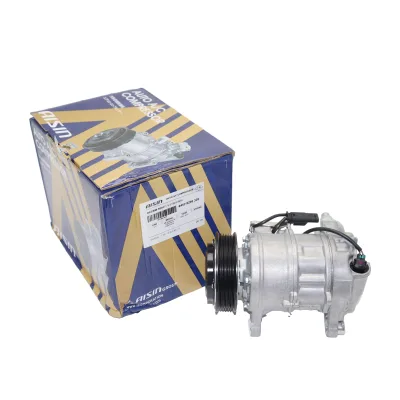
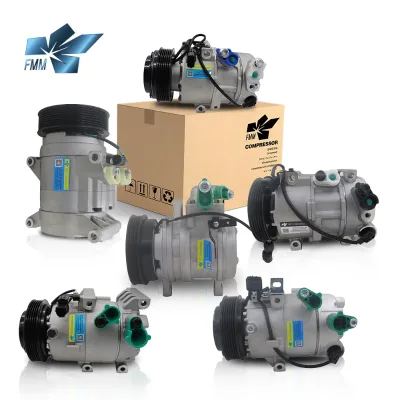


$115.60 - $195.70
MOQ: 20


Comprehensive Sourcing Guide
Strategic Sourcing Guide for BMW Automotive Air Conditioning Compressors
Navigating the global market for automotive air conditioning components requires a disciplined approach, particularly when sourcing specific units like the BMW auto AC compressor. The complexity of modern vehicle HVAC systems demands that procurement professionals move beyond simple part number matching to a deeper understanding of technical specifications, compliance frameworks, and supply chain reliability. This guide synthesizes observed market data and technical attributes to provide a robust framework for evaluating potential suppliers and products. The focus remains on evidence-based criteria, ensuring that buyers can make informed decisions without relying on unverified claims or speculative market data.
Technical Architecture and Classification Parameters
The first step in any procurement strategy is a rigorous analysis of the technical architecture. The market for automotive compressors is not monolithic; it is segmented by operating principles, displacement, and cooling methods. In the current supply landscape, high-confidence observations indicate a prevalence of reciprocating compressors utilizing a crankshaft and connecting rod type mechanism. This specific configuration is distinct from scroll or rotary designs and offers a robust solution for high-pressure applications.
When evaluating the technical specifications of a potential unit, buyers must verify the classification of the compressor. Data suggests that variable capacity units are a significant segment, offering efficiency benefits by adjusting output based on thermal load. Furthermore, the cooling method is a critical differentiator. The observed market data points to air-cooled systems as a standard configuration for many of these units. This has direct implications for vehicle design, as it influences the placement of the condenser and the airflow dynamics within the engine bay.
Displacement is another non-negotiable parameter. For heavy-duty or high-performance applications, displacement figures exceeding 100 cubic meters per minute are observed in specific industrial contexts, though automotive applications typically require precise matching to the vehicle's original design. The rotation speed for these units generally falls within the 450 to 1000 revolutions per minute range. This operational window is crucial for ensuring compatibility with the vehicle's engine belt drive system. Additionally, the cylinder arrangement mode, often observed as side-by-side or OE fit configurations, must align with the physical constraints of the engine compartment. The pressure rating after air exhaust is another vital metric; while some units operate at standard pressures, others are engineered for pressures exceeding 1000 gauge pressure, necessitating specific hose and valve compatibility checks.
Electrical Systems and Power Requirements
The electrical integration of an AC compressor is often the most frequent point of failure or incompatibility in aftermarket sourcing. The supplied data reveals a diverse range of operating voltages, with 12V and 24V systems being the most common configurations. This variance corresponds to the distinction between standard passenger vehicles and heavier commercial or specialized fleet vehicles. Buyers must explicitly verify the voltage requirement against the vehicle's electrical architecture to prevent catastrophic failure of the compressor motor or the vehicle's alternator.
Rated power is another critical electrical specification. Observed units in the market display a wide spectrum of power ratings, ranging from 1000W to 2000W. This variation is often linked to the cooling capacity required for different vehicle classes. For instance, a unit rated at 1500W may be suitable for a mid-range sedan, while a 2000W unit might be necessary for a larger SUV or a vehicle operating in extreme climates. The transmission power source is also a key consideration; while some units are electrically driven, others in the broader market context rely on internal-combustion engine transmission via a belt drive.
The clutch pulley system serves as the mechanical interface between the engine and the compressor. Specifications indicate a pulley diameter range of 123mm to 180mm, with clutch pulley counts varying from 4pk to 8pk. This mechanical compatibility is essential for ensuring that the compressor engages and disengages correctly with the engine's RPM. Mismatches in pulley diameter or belt width can lead to slippage, premature wear, and inefficient cooling performance.
Compliance, Certification, and Quality Standards
In the automotive sector, compliance is not merely a regulatory formality but a fundamental indicator of product reliability. The procurement process must prioritize suppliers who can demonstrate adherence to recognized quality management standards. The observed market includes units certified under the GB/T19001-2016/ISO9001:2015 Standard. This certification indicates that the manufacturing process has been audited for consistency, traceability, and continuous improvement. Buyers should treat this certification as a baseline requirement rather than a differentiator, as it reflects a commitment to maintaining a stable quality output.
Quality assurance protocols are equally important. Data indicates that many units undergo a "100% Tested" quality check prior to shipment. This implies a comprehensive testing regimen that likely includes pressure testing, leak detection, and functional performance verification. However, buyers must be cautious and request specific test reports or certificates of analysis to validate these claims. The absence of such documentation should be treated as a red flag, regardless of the supplier's marketing assertions.
Furthermore, the refrigerant type is a critical compliance factor. The observed data highlights the use of R134a refrigerant. As global environmental regulations evolve, the availability and legality of specific refrigerants can change. Buyers must ensure that the compressor is compatible with the refrigerant type mandated for their specific vehicle model and region. Using a compressor designed for a different refrigerant can lead to system failure and legal liabilities.
Cost Drivers and Economic Factors
Understanding the cost structure of automotive AC compressors is essential for budgeting and negotiation. The observed price range in the market is extensive, spanning from $0.50 to $211.00 USD. This wide disparity is not indicative of a single product line but rather reflects the diversity of the market, which includes everything from basic replacement parts to high-performance, OEM-equivalent units. The price is influenced by several factors, including the rated power, the complexity of the internal mechanism, the quality of materials used, and the level of certification held by the manufacturer.
Minimum Order Quantity (MOQ) is another economic variable that affects procurement strategy. The observed MOQ range is between 1 and 100 units. For small repair shops or individual buyers, an MOQ of 1 is highly advantageous, allowing for the acquisition of single units without significant capital outlay. Conversely, fleet operators or large distributors may benefit from higher volume purchases to leverage economies of scale, provided the supplier can guarantee consistent quality across the batch.
The origin of the product also plays a role in cost dynamics. The majority of the observed units originate from China, with specific manufacturing hubs noted in Hangzhou. This geographic concentration can influence shipping costs and lead times. While the "Factory Price" attribute suggests competitive pricing, buyers must factor in logistics, tariffs, and potential currency fluctuations when calculating the total landed cost.
Supplier Evaluation and Operational Logistics
Evaluating a supplier requires a holistic view of their operational capabilities. The supply chain for automotive components is complex, and reliability is paramount. Key logistical attributes to verify include the shipping port and the packaging standards. The observed data indicates that products are typically shipped from ports such as Ningbo or Qingdao. These are major maritime hubs, suggesting that the suppliers have established relationships with logistics providers capable of handling international freight.
Packaging is a critical, often overlooked, aspect of supplier evaluation. The data shows variations in packaging, ranging from "Plate" to "Carton" formats, with specific dimensions provided for different models (e.g., 28cm * 19cm * 22cm). Proper packaging is essential to prevent damage during transit, especially for precision mechanical components like compressors. Buyers should request detailed packaging specifications to ensure that the product will arrive in pristine condition.
The lead time and availability of customization are also vital considerations. The market data confirms that customization is available for certain products, which can be a significant advantage for specialized applications. However, the extent of this customization and the associated lead times must be clearly defined in the purchase agreement. Buyers should avoid suppliers who offer vague timelines or lack transparency regarding their production capacity.
Quality Control and Long-Term Procurement Strategy
Long-term success in sourcing automotive AC compressors depends on a robust quality control strategy. The "New" condition of the products is a standard expectation, but buyers must verify the condition upon receipt. The "100% Tested" claim should be backed by tangible evidence, such as test reports or warranty terms that cover performance failures. A strong warranty policy is often a proxy for the manufacturer's confidence in their product's durability.
When establishing a long-term procurement relationship, buyers should prioritize suppliers who demonstrate consistency in their product specifications. The observed data includes specific model numbers such as 7SEU17C, CP645, CP643, CP647, AC54204, A0008303502, and A0038304460. These identifiers are crucial for maintaining inventory consistency and ensuring that replacement parts are interchangeable. Buyers should maintain a detailed database of these model numbers and their corresponding technical specifications to streamline future ordering processes.
The application of the compressor is another factor to consider for long-term viability. The data indicates that these units are designed for "Car" applications and specifically for "AC Air Conditioning" and "Automotive Air Conditioning" usage. Ensuring that the compressor matches the specific application requirements of the vehicle fleet is essential for minimizing downtime and maintenance costs.
Comparative Analysis of Product Specifications
To facilitate decision-making, it is helpful to compare the key specifications of the observed products. The following table summarizes the critical attributes identified in the market data, providing a clear reference for buyers evaluating different options.
| Product Model | Classification | Voltage | Rated Power | Refrigerant | Cylinder Arrangement | Origin | Packaging Standard |
|---|---|---|---|---|---|---|---|
| 7SEU17C | Variable Capacity | 12V | 1000W | R134a | Side-by-Side | China | Plate |
| CP645 | Reciprocating | 24V | - | - | OE Fit | China | Carton |
| CP643 | Reciprocating | - | - | - | - | China | 22X9X20CM |
| CP647 | Reciprocating | - | 1500W | - | - | China | - |
| AC54204 | Reciprocating | - | 2000W | - | - | China | Other |
| A0008303502 | Reciprocating | 12/24V | - | - | OE Fit | China | 265190232mm |
| A0038304460 | Reciprocating | - | - | - | - | China | 30.00cm * 30.00cm * 30.00cm |
This comparison highlights the diversity in the market. While some units share common traits like the reciprocating classification and R134a refrigerant, others differ significantly in voltage, power rating, and packaging. Buyers must use this data to filter options based on their specific vehicle requirements. For instance, a fleet manager with a mix of 12V and 24V vehicles will need to source from suppliers capable of providing both voltage configurations.
Conclusion
Sourcing BMW auto AC compressors requires a meticulous approach that balances technical precision with commercial pragmatism. By focusing on verified attributes such as the reciprocating mechanism, variable capacity options, and specific voltage requirements, buyers can navigate the complex market with confidence. The emphasis on ISO9001 certification, 100% testing protocols, and clear logistical parameters ensures that the procurement process is grounded in quality and reliability. As the automotive industry continues to evolve, maintaining a disciplined, evidence-based sourcing strategy will be the key to securing high-performance components that meet the rigorous demands of modern vehicle air conditioning systems.
FAQs
What certification standards do for bmw auto ac compressors meet?
Units meet GB/T19001-2016/ISO9001:2015 Standard certification. This ensures the manufacturing process maintains consistency and traceability for reliable automotive air conditioning components.
Which refrigerant type is used in these compressors?
The compressors utilize R134a refrigerant for operation. Buyers must verify this matches their vehicle's requirements to ensure system compatibility and legal compliance.
How are these reciprocating compressors classified by capacity?
They are classified as Variable Capacity units. This design allows the compressor to adjust output based on thermal load for improved efficiency in automotive applications.
Can I find compressors with customizable features?
Customization is available for specific product models. Buyers should confirm the extent of customization and associated lead times before placing orders for specialized needs.
What is the typical operating voltage for these units?
Operating voltages include 12V and 24V configurations. Selecting the correct voltage is critical to prevent failure of the compressor motor or the vehicle's electrical system.
Which cooling method is standard for these compressors?
Air-cooled systems are the standard configuration observed. This influences the placement of the condenser and airflow dynamics within the vehicle engine bay.
How is the product condition verified before shipment?
Products are listed as New and undergo 100% Tested quality checks. Buyers should request specific test reports to validate pressure and leak detection results.