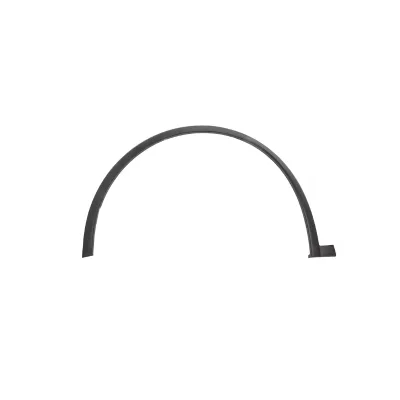
Source For BYD Front Wheel Eyebrow for repair, replacement, and maintenance
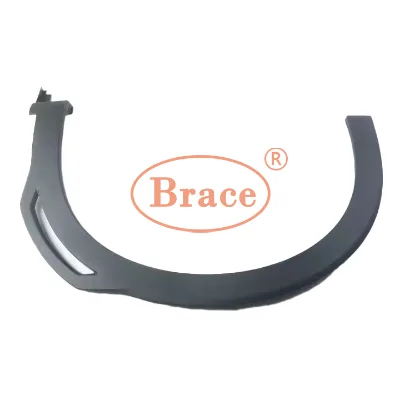
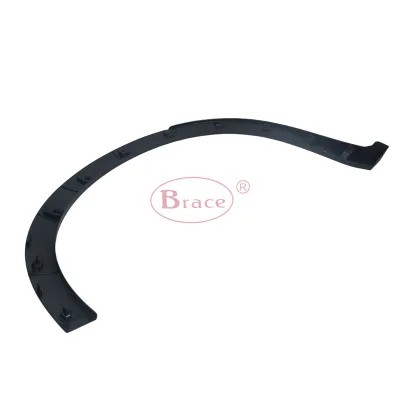
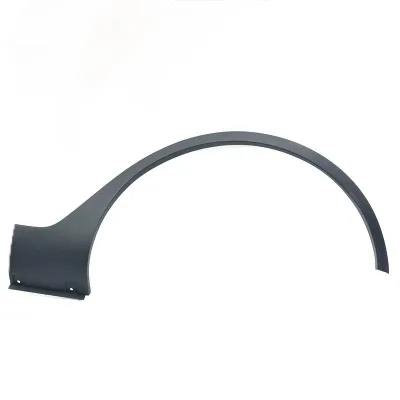
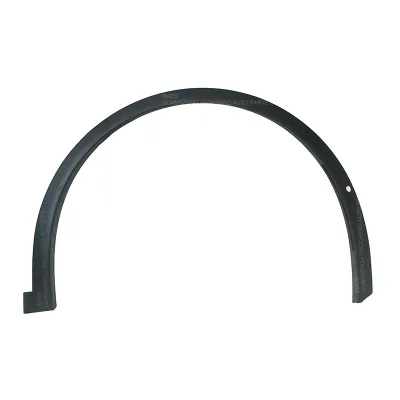
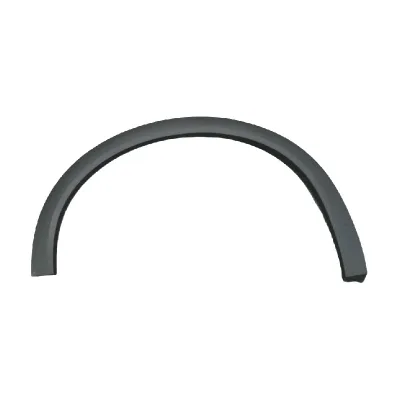
Compare 30 listings for For BYD Front Wheel Eyebrow parts including plastic and rubber options. Buyers can review specifications, prices, and delivery times from verified suppliers in China to find suitable components for BYD Seagull and BYD Atto 3 models.
Key considerations
Products List


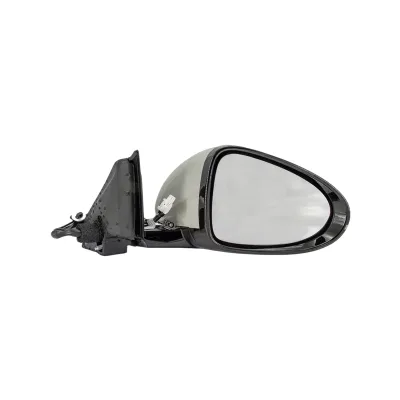
Durable Auto Right Rear View Mirror for Byd Spare Parts Reversing Mirror
$77.00 - $84.00
MOQ: 1 Pieces







Comprehensive Sourcing Guide
Strategic Sourcing Guide For BYD Front Wheel Eyebrow Components
Procuring replacement automotive body components, specifically the front wheel eyebrow for BYD vehicles, requires a disciplined approach that balances technical compatibility with supply chain reliability. The automotive aftermarket is saturated with options ranging from original equipment manufacturer (OEM) specifications to aftermarket alternatives, each carrying distinct implications for fitment, durability, and total cost of ownership. For buyers targeting the "For BYD Front Wheel Eyebrow" segment, the primary challenge lies in navigating a fragmented supplier landscape where product attributes vary significantly. This guide synthesizes observed market data and technical requirements to provide a framework for evaluating potential suppliers and securing high-quality inventory without relying on unverified claims.
Technical Specifications and Compatibility Verification
The first critical step in sourcing is the rigorous verification of technical specifications. The core keyword "For BYD Front Wheel Eyebrow" encompasses a range of specific part numbers and vehicle models, including the BYD SEAGULL and BYD ATTO 3. Buyers must recognize that a generic search term often masks specific model-year dependencies. For instance, observed data indicates that specific OE numbers such as EQEA-5302410 and SC2E-5302420 are associated with different applications. A procurement strategy that fails to distinguish between these identifiers risks acquiring components that do not align with the vehicle's mounting points or aerodynamic design.
Material composition is another pivotal technical factor. The market presents components manufactured from various materials, including plastic and rubber, with some listings specifying "High Quality" or "Original/Aftermarket" grades. The choice of material directly influences the component's resistance to environmental stressors, such as UV exposure, road debris impact, and temperature fluctuations. Plastic components are common for body trim due to their weight and moldability, while rubber elements may be integrated for sealing or vibration dampening. Buyers should verify the specific material grade listed in the product description against the vehicle manufacturer's original specifications to ensure long-term structural integrity.
Furthermore, the physical dimensions and fitment standards must be scrutinized. While some products adhere to a "Standard" specification, others are defined as "Based on accessory size," implying a need for custom verification. The position of the component is consistently noted as "Front Position" or "Outside," which is essential for ensuring the correct orientation during installation. Any deviation in the stated position or model compatibility can lead to installation failures or aesthetic mismatches. Buyers should request detailed dimension drawings or CAD files from suppliers to confirm that the part matches the specific vehicle architecture before placing an order.
Compliance, Certification, and Market Standards
Navigating the compliance landscape for automotive parts requires a clear understanding of the certifications and standards that govern the industry. While specific certification statuses vary by supplier, the presence of ISO/TS (International Organization for Standardization/Technical Specification) is a strong indicator of a supplier's commitment to quality management systems. The observed data references a broad market reach, including South America, North America, Eastern Europe, and Southeast Asia, suggesting that compliant suppliers must adhere to diverse regional regulations.
Buyers should verify that the supplier's quality assurance processes align with international standards. The "100% Tested" attribute observed in several listings is a positive signal, indicating that each unit undergoes a functional or dimensional check before shipping. However, this claim should be validated through the supplier's quality control documentation. Additionally, the "Standard" product classification suggests that the items are manufactured to meet general industry expectations, but buyers must confirm if these standards are specific to BYD's engineering requirements or general automotive aftermarket norms.
It is crucial to avoid assuming that all listed products meet the same certification level. The market data shows a mix of "Original" and "Aftermarket" designations. Original parts typically come with stricter adherence to the manufacturer's proprietary standards, whereas aftermarket parts may vary in their compliance with safety and performance benchmarks. Buyers should explicitly request proof of certification, such as ISO/TS documentation or specific BYD approval letters, to ensure that the components will not void vehicle warranties or compromise safety systems.
Cost Drivers and Pricing Structure Analysis
Understanding the cost drivers for BYD front wheel eyebrows is essential for budgeting and negotiation. The observed price range in the market spans from $0.92 to $680 USD, a variance that reflects differences in material quality, brand reputation, and production origin. The lower end of the spectrum likely corresponds to basic aftermarket plastic components, while the higher end may include premium original parts or specialized assemblies with integrated features.
Several factors influence the final unit cost. The "Grade" of the material, whether labeled as "High Quality" or "Original," is a primary determinant. Original parts, which are often marked as "Original: Yes," command a premium due to their direct lineage to the vehicle manufacturer. Conversely, aftermarket alternatives offer cost savings but require careful evaluation of durability. The "Production date" and "Delivery day" also impact pricing; components with a rapid production turnaround of 1-2 days or express delivery windows of 5-7 days may incur higher logistics costs.
Buyers should also consider the impact of the "Selling Units" and "MOQ" (Minimum Order Quantity) on the overall cost structure. Many suppliers list an MOQ of 1 piece, which is favorable for small-scale repairs or testing. However, bulk purchasing can significantly reduce the per-unit cost. The "Carton" packing method is standard, but the efficiency of packaging can affect shipping costs, especially for international orders. When evaluating quotes, buyers must look beyond the unit price and factor in shipping methods like DHL, UPS, and FedEx, as well as potential duties and taxes based on the destination market.
Typical Applications and Installation Context
The application of the front wheel eyebrow extends beyond simple aesthetic enhancement; it plays a functional role in vehicle aerodynamics and protection. These components are designed to shield the wheel well from debris, water, and road salt, thereby protecting the underlying suspension and bodywork. The observed data specifies the "Purpose" as "for replace/repair," indicating that these parts are primarily intended for maintenance scenarios rather than initial manufacturing.
The installation context is critical for buyers. The "Position" is consistently identified as "Front" or "Front Position," meaning these parts are installed on the front axle assembly. Buyers must ensure that the component is compatible with the specific vehicle model, such as the BYD SEAGULL or BYD ATTO 3, as mounting configurations can vary even within the same brand. The "Condition" of the parts is listed as "New," which is standard for replacement components, but buyers should verify that the parts are free from defects prior to installation.
In addition to fitment, the "Controlling Type" and "Mirror Type" mentioned in the data suggest that some components may be part of a larger assembly involving mirrors or sensors. While the primary focus is the eyebrow, the integration with other systems, such as the "Mirror Material: Glass" or "Pixel: 300Million" specifications found in related listings, highlights the complexity of modern automotive body panels. Buyers should ensure that the front wheel eyebrow does not interfere with adjacent components, such as sensors or lighting systems, which are increasingly integrated into the front fascia of modern vehicles.
Supplier Evaluation and Quality Control Protocols
Evaluating suppliers requires a multi-faceted approach that goes beyond simple price comparisons. The "Place of Origin" is a significant factor, with most observed listings indicating production in China, specifically in regions like Guangdong and Guangzhou. While these regions are hubs for automotive manufacturing, buyers should verify the specific factory's capabilities and reputation. The "Brand Name" and "Warranty" terms, such as "3 MONTHS" or "1 YEAR," provide insight into the supplier's confidence in their product. A longer warranty period often correlates with higher quality control standards.
Quality control protocols should be a central part of the supplier evaluation. The "100% Tested" attribute is a strong indicator, but buyers should request detailed test reports or quality assurance certificates. The "Quality" attribute, described as "High-Quality" or "Original/Aftermarket," should be substantiated with evidence. Buyers should also assess the supplier's ability to handle "Customization," as some projects may require specific modifications to the standard design.
Communication and responsiveness are also key indicators of supplier reliability. The "Delivery Time" ranges from 7 to 35 days, with some express options available. Buyers should evaluate the supplier's ability to meet these timelines consistently. The "Payment" methods, including T/T, Credit Card, Western Union, and Paypal, offer flexibility, but buyers should ensure that the payment terms are secure and align with their company's financial policies. Finally, the "Main Market" reach of the supplier, spanning multiple continents, suggests a level of experience in handling international logistics and compliance requirements.
Long-Term Procurement Considerations and Risk Management
Sourcing front wheel eyebrows for BYD vehicles is not merely a transactional activity but a strategic decision that impacts long-term operational efficiency. Buyers should consider the "Lead Time" and "Production date" when planning inventory levels. A production date of 1-2 days suggests a responsive supply chain, but buyers must account for potential delays in shipping or customs clearance. The "Delivery day" of 5-7 days by express is a valuable metric for urgent repairs, but it may not be sustainable for large-scale stock replenishment.
Risk management involves diversifying the supplier base to mitigate the impact of supply chain disruptions. Relying on a single source for critical components can be risky, especially given the variability in "Grade" and "Quality" across the market. Buyers should maintain relationships with multiple suppliers who can provide "Original" or "Aftermarket" options as needed. Additionally, the "Warranty" terms should be clearly defined in the procurement contract to ensure recourse in case of defects.
Finally, buyers should stay informed about changes in automotive standards and regulations. The "Standard" classification of the products may evolve, and suppliers must adapt to new requirements. By maintaining a proactive approach to supplier evaluation and quality control, buyers can ensure a steady supply of high-quality front wheel eyebrows that meet the rigorous demands of the BYD vehicle ecosystem. This strategic approach minimizes downtime and ensures that replacement parts maintain the vehicle's original performance and safety standards.
FAQs
What materials are used for the front wheel eyebrow?
The product is available in plastic and rubber grades. Some listings specify high-quality original or aftermarket materials to ensure durability and proper fitment for the vehicle.
Which BYD models are compatible with this part?
This component is designed for the BYD SEAGULL and BYD ATTO 3 models. Buyers must verify specific OE numbers like EQEA-5302410 to ensure correct application.
Can I order a single piece as a minimum?
Yes, the minimum order quantity is one piece for many listings. This allows for small-scale repairs or testing without requiring bulk inventory commitments from the buyer.
How long does delivery take for these parts?
Standard delivery time ranges from 7 to 35 days. Express shipping options are available with a faster window of 5 to 7 days depending on the selected carrier.
What certifications do the suppliers typically hold?
Suppliers often hold ISO/TS certifications indicating adherence to quality management systems. Buyers should verify specific documentation to ensure compliance with international automotive standards.
What is the warranty period for these components?
Warranty terms vary between 3 months and 1 year depending on the supplier. Longer warranty periods often correlate with higher quality control standards and original part grades.