Source For Ford SMAX Pedal and Bracket Assembly for Auto, Repair, Replacement
Compare 30 listings for the For Ford SMAX Pedal and Bracket Assembly from verified manufacturers. Buyers can evaluate specifications, pricing, and customization options for universal fit firewall mount clutch brake pedal assemblies.
Key considerations
Products List


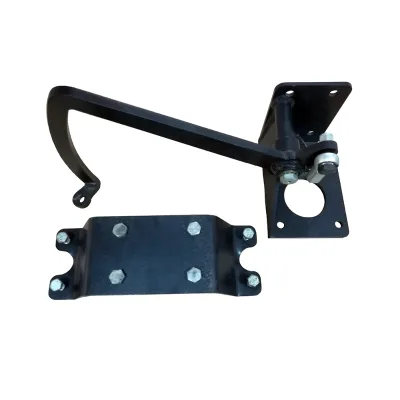
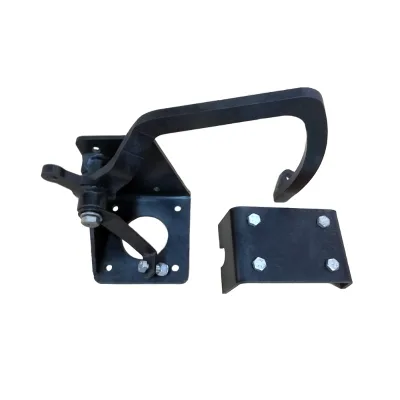
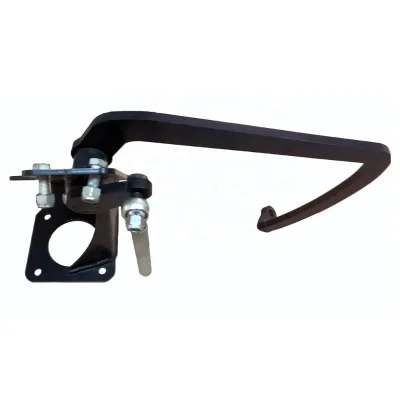
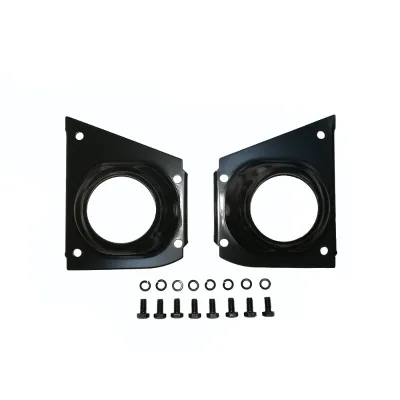
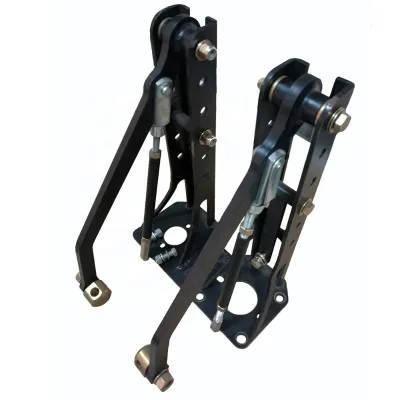
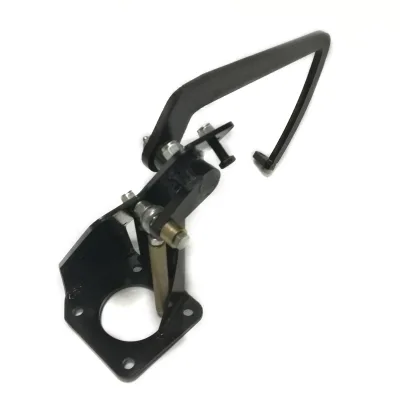

Brake Clutch Pedal Bracket Mount Assembly for Ford Ranger 6L5z-2455-Bb 6L5z2455bb
$38.00 - $42.00
MOQ: 50 Pieces


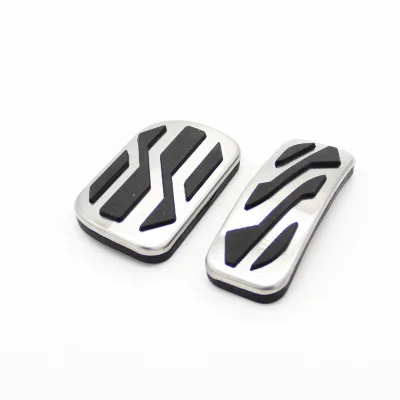
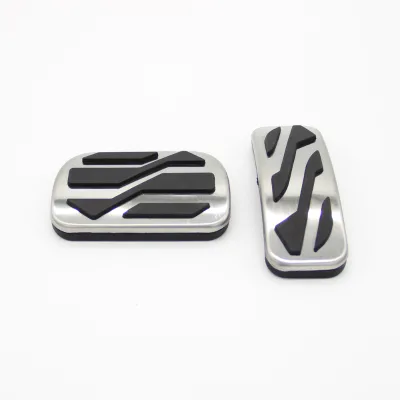






Comprehensive Sourcing Guide
Strategic Sourcing Guide for Ford S-Max Pedal and Bracket Assemblies
The procurement of automotive components, specifically the Ford S-Max pedal and bracket assembly, requires a rigorous approach that balances technical precision with supply chain reliability. For buyers operating in the B2B sector, understanding the underlying manufacturing capabilities and material specifications is paramount. The market offers a diverse range of solutions, from universal fitment options to OEM-specific replacements. This guide synthesizes available product data and industry standards to provide a comprehensive framework for sourcing these critical safety and operational components. The focus remains on evidence-based evaluation, ensuring that procurement decisions are grounded in verified attributes rather than speculative claims.
Technical Specifications and Material Composition
When evaluating pedal and bracket assemblies, the primary technical differentiator lies in the material composition and dimensional tolerances. The available data indicates that high-performance units are frequently manufactured from Carbon Steel, a material chosen for its durability and structural integrity under high stress. Furthermore, the supply chain supports a broader "Material Ability" that includes Galvanized Sheet, Stainless Steel, and Cold-Rolled Shear. This variety allows buyers to select components based on specific corrosion resistance requirements or weight optimization strategies.
Dimensional precision is equally critical. The observed product attributes highlight a tolerance level of 0.01mm, a standard that ensures the pedal assembly interfaces correctly with the vehicle's hydraulic or mechanical systems without binding or excessive play. The thickness of the metal components typically ranges from 0.1 mm to 8 mm, accommodating the structural needs of both the bracket and the pedal itself. Buyers must verify that the specific model number, such as those resembling STD001 or SPMW-00238, aligns with the required thickness for their specific vehicle application.
The manufacturing process plays a significant role in the final product quality. The data points to "Cold Stamping" and "Forming Process" as the primary methods, often utilizing "Multistep Progressive Dies." This technique allows for high-volume production with consistent geometry. Additionally, "Fine Blanking" is noted as a multi-position capability, suggesting that some suppliers can produce complex shapes with high edge quality. The surface processing is typically "Polishing," which not only enhances aesthetics but also reduces friction and prevents rust accumulation in the moving parts of the assembly.
Manufacturing Capabilities and Production Standards
Understanding the production environment is essential for assessing the reliability of a potential supplier. The core keyword context suggests that these components are often categorized under "CNC production" and "Shaping Metal," indicating a blend of automated precision and manual finishing. The "Mould" technology described involves "Multistep Progressive Dies," which is a hallmark of efficient, high-volume manufacturing. This implies that suppliers capable of producing these parts have established infrastructure for mass production, which is beneficial for buyers with larger order volumes.
The origin of these components is predominantly China, with specific manufacturing hubs located in Guangdong. This region is known for its robust automotive supply chain, offering access to specialized tooling and labor. The "Condition" of the products is consistently listed as "New," and the "Quality" is described as "professional factory made," suggesting a focus on industrial-grade output rather than aftermarket repair kits of lower quality.
Buyers should verify the "Product Standard" against their internal requirements. While some data lists the standard as a thickness range (0.1 mm-8 mm), this likely refers to the specification range rather than a formal certification code. In the absence of specific ISO or IATF certification data in the provided context, buyers must explicitly request proof of compliance with relevant automotive standards. The "OEM" (Original Equipment Manufacturer) status is noted as "Acceptable," meaning suppliers are generally open to producing parts that match original specifications, provided the buyer supplies the necessary drawings or OE numbers.
Cost Drivers and Pricing Dynamics
The pricing structure for pedal and bracket assemblies is influenced by several variables, including material selection, customization levels, and order volume. The observed price range in the market spans from $1.2 to $174 USD. This wide disparity reflects the difference between simple universal brackets and complex, fully assembled pedal units with specific mounting hardware. The lower end of the spectrum likely corresponds to basic bracket components or universal fitment parts, while the higher end represents complete assemblies with advanced features or specific OEM branding.
The Minimum Order Quantity (MOQ) is another significant cost driver. The observed MOQ ranges from 1 set to 1000 units. For buyers seeking to test the market or fulfill small-scale repair needs, an MOQ of 1 set is advantageous. However, for volume procurement, negotiating a lower unit price often requires meeting higher MOQ thresholds. The "Supply Ability" of suppliers is noted as 50 sets per week for specific models, which indicates that lead times may vary based on the current production load. Buyers should clarify the "Lead Time" explicitly, as the provided data does not specify a standard duration beyond the weekly capacity.
Customization is a key factor in cost escalation. The "Customized" attribute is marked as "Customized," and suppliers accept "logo print" and "Color: Customer Request." These value-added services will inevitably increase the unit cost. Additionally, the "Packaging Details" can influence the final price; while standard packaging is a "Carton box," requests for custom packaging or specific labeling will incur additional charges. Buyers must weigh the cost of customization against the branding and logistical benefits it provides.
Typical Applications and Fitment Verification
The application of these pedal and bracket assemblies extends beyond a single vehicle model, although the core keyword specifically targets the Ford S-Max. The data reveals a mix of "Universal Fit" and specific model applications. For instance, one product is explicitly listed for "Ford 1935-1936 car foot brake pedal assembly," while another is described as a "Universal Fit Firewall Mount Clutch Brake Pedal Assembly." This indicates that the market offers both heritage restoration parts and modern universal replacements.
For the Ford S-Max, buyers must exercise caution regarding the "Car Model" specification. While the product is marketed as "Universal," the "OE NO." (Original Equipment Number) is listed as "no" for some items, suggesting they may not be direct replacements for specific factory part numbers. The "Purpose" is generally defined as "for replace/repair," which implies these are aftermarket solutions. The "Type" is further specified as "frame mount power brake pedal," which is a critical detail for ensuring compatibility with the vehicle's braking system architecture.
To ensure proper fitment, buyers should cross-reference the "Single package size" and "Single gross weight" with their logistics planning. The dimensions vary, with examples showing 50x30x25 cm and 50x30x20 cm, and weights ranging from 4.5 kg to 6.0 kg. These physical attributes are vital for calculating shipping costs and storage requirements. Furthermore, the "Installation" process is described as requiring a "professional install guide," highlighting that these are not simple plug-and-play components for the average consumer but require technical expertise for correct assembly.
Supplier Evaluation and Quality Assurance
Selecting the right supplier involves a multi-faceted evaluation process that goes beyond price comparison. The "Quality" attribute is frequently described as "high quality" or "professional factory made," but these are self-reported claims. Buyers must verify these assertions through third-party audits or by requesting detailed quality control documentation. The "Warranty" period is listed as "one year" for some products, which serves as a baseline indicator of the supplier's confidence in their product. However, buyers should clarify the terms of this warranty, including coverage for defects in materials and workmanship.
The "Shipping" options are diverse, including sea shipping, air transport, truck transport, and railway. The "Port of dispatch" is identified as SHENZHEN, a major logistics hub in China. Buyers should assess the reliability of the supplier's logistics network and their ability to handle the specific shipping method required for their operation. For time-sensitive orders, air transport may be necessary, while bulk orders are more cost-effective via sea shipping.
Quality control should be a continuous process. Buyers should request "test results" or "performance claims" to validate the durability of the Carbon Steel or Stainless Steel components. The "Surface Processing" of polishing should be inspected to ensure there are no burrs or rough edges that could affect the pedal's operation. Additionally, the "Condition" of the product upon arrival must be verified to ensure it remains "New" and undamaged during transit. The "Package" is typically a "carton box," but buyers should confirm that the packaging is robust enough to prevent damage, especially given the weight of the components.
Long-Term Procurement and Supply Chain Resilience
Sourcing pedal and bracket assemblies is not merely a transactional activity but a strategic decision that impacts long-term operational stability. The "Brand" attribute is listed as "Std" or "accept logo print," indicating that many suppliers operate as OEM manufacturers or white-label providers. For buyers looking to build a strong brand identity, the ability to customize the logo and packaging is a significant advantage. This flexibility allows for the creation of a unique product line that stands out in the market.
The "Industry" classification as "Auto Accessories" suggests that these products are part of a broader ecosystem of automotive parts. Buyers should consider the supplier's capacity to provide complementary products, such as brake lines, master cylinders, or other related components. This can streamline the procurement process and reduce the administrative burden of managing multiple suppliers.
Long-term considerations also include the scalability of the supply chain. With a "Supply Ability" of 50 sets per week for specific models, buyers must ensure that the supplier can ramp up production to meet increased demand. The "MOQ" flexibility, ranging from 1 to 1000, offers a degree of agility, allowing buyers to adjust their order sizes based on market fluctuations. However, for consistent supply, establishing a long-term contract with a supplier who can guarantee capacity is advisable.
Finally, buyers should remain vigilant regarding the "Place of Origin" and any potential geopolitical risks that could affect the supply chain. While the current data points to Guangdong, China, as the primary origin, diversifying the supplier base or maintaining a buffer stock can mitigate the risk of disruptions. The "Professional Install" requirement also suggests that buyers should consider offering installation services or partnering with certified technicians to add value to their product offering.
Comparative Analysis of Product Attributes
To facilitate a clearer understanding of the available options, the following table summarizes the key attributes observed in the product data. This comparison highlights the variations in specifications, packaging, and capabilities that buyers should consider during the selection process.
| Attribute Category | Observation A | Observation B | Observation C |
|---|---|---|---|
| Material | Carbon Steel | Galvanized Sheet, Stainless Steel | Cold-Rolled Shear |
| Thickness | 0.1 mm - 8 mm | 0.1 mm - 8 mm | 0.1 mm - 8 mm |
| Tolerance | 0.01 mm | 0.01 mm | 0.01 mm |
| Process | Cold Stamping, Forming | Fine Blanking (Multi-Position) | Shaping Metal |
| Surface Finish | Polishing | Polishing | Polishing |
| Packaging | Carton Box (50x30x25 cm) | Carton Box (50x30x20 cm) | Custom Request |
| Weight | 4.500 kg | 6.000 kg | Variable |
| Fitment | Universal Fit | Ford 1935-1936 Specific | Ford S-Max (Target) |
| Warranty | One Year | One Year | One Year |
| Origin | Guangdong, China | Guangdong, China | Guangdong, China |
| Customization | Logo Print, Color | Logo Print, Color | Logo Print, Color |
This table underscores the consistency in manufacturing processes and tolerances across different product listings, while highlighting the variability in specific fitment applications and packaging dimensions. Buyers should use this data to filter suppliers based on their specific needs, ensuring that the selected components meet the rigorous demands of the automotive industry. By adhering to these evidence-based guidelines, procurement professionals can secure high-quality pedal and bracket assemblies that ensure vehicle safety and operational efficiency.
FAQs
What materials are used for the pedal assembly?
The assembly is primarily manufactured from Carbon Steel to ensure durability under high stress. Suppliers also offer options using Galvanized Sheet, Stainless Steel, and Cold-Rolled Shear to meet specific corrosion resistance or weight optimization requirements.
Can I customize the logo and color of the product?
Yes, customization is available for both logo printing and color selection based on customer requests. The standard brand is listed as Std, but buyers can request specific branding and colors to align with their own product lines or corporate identity.
What is the minimum order quantity for these parts?
The minimum order quantity ranges from 1 set to 1000 units depending on the specific supplier and product configuration. Buyers seeking to test the market can find options with an MOQ of just 1 set, while volume procurement often requires higher thresholds.
Where are these pedal assemblies manufactured and shipped from?
The products originate from Guangdong, China, with the primary port of dispatch being Shenzhen. Shipping options include sea shipping, air transport, truck transport, and railway, allowing for flexible logistics planning based on urgency and order size.
What is the warranty period for the brake pedal assembly?
A one-year warranty is provided for the product, covering defects in materials and workmanship. Buyers should verify the specific terms of this warranty with the supplier to ensure coverage aligns with their operational needs and risk management strategies.
How precise are the dimensional tolerances of the stamped parts?
The manufacturing process maintains a high precision tolerance level of 0.01mm for the stamped components. This ensures the pedal assembly interfaces correctly with the vehicle system without binding, which is critical for safety and proper hydraulic or mechanical function.