Source For Lexus Wheel Hub Assembly for Toyota, Lexus, and Land Cruiser
Find 30 verified listings for For Lexus Wheel Hub Assembly compatible with Toyota, Lexus, and Land Cruiser models. Buyers can compare specifications, certifications, and pricing from multiple suppliers to find the right replacement parts; compare the available evidence and request quotations based on your requirements.
Updated
Key considerations
Products List


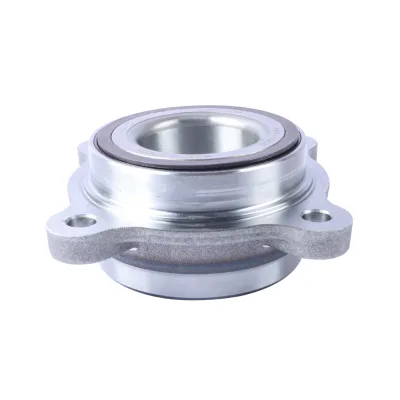
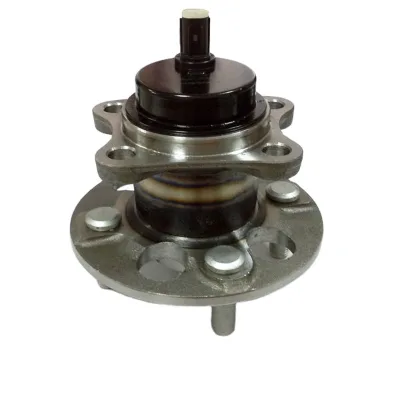

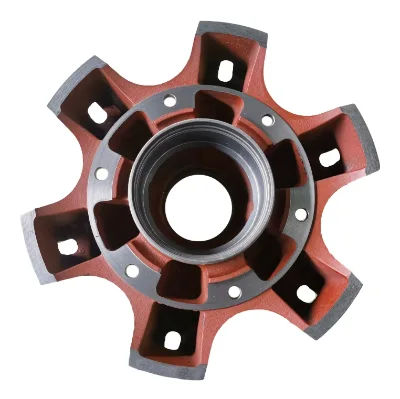


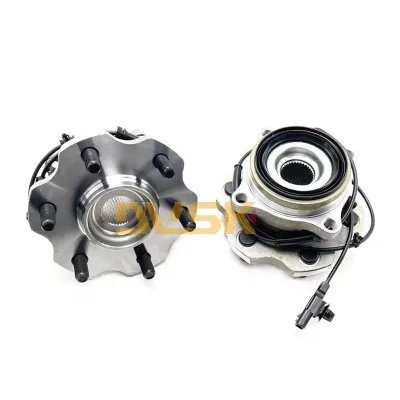
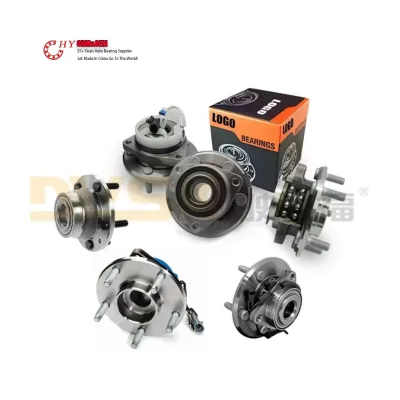
Wholesale Auto Front /Rear Wheel Hub Bearing for lexus Ux Ls430 Ux250h Rx 300
$3.0759 - $10.2532
MOQ: 12 pieces


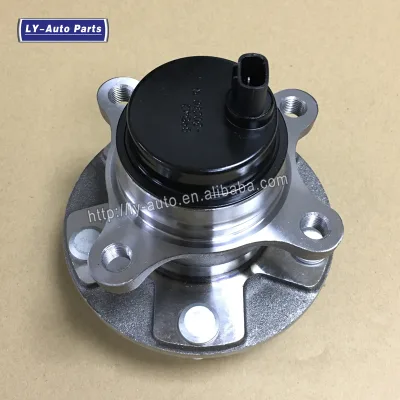
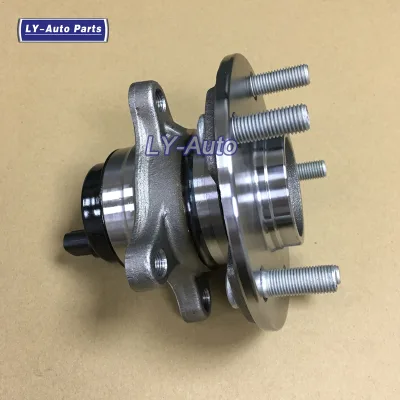


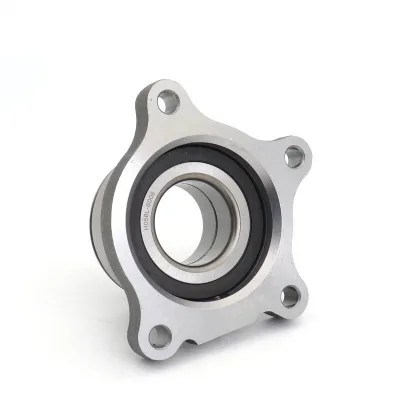
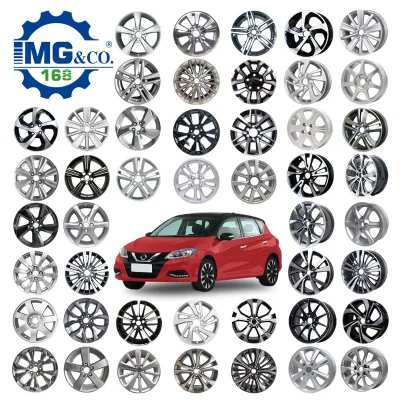

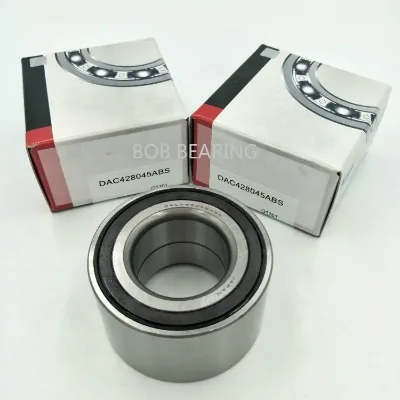

20inch 22inch Genuine for Lexus Rx350 Front Hub Assembly 2016-2023 - 5X114.3
$100.00 - $150.00
MOQ: 4 Pieces


Comprehensive Sourcing Guide
For Lexus Wheel Hub Assembly Sourcing Guide
Procuring wheel hub assemblies for Lexus vehicles requires a disciplined approach to verifying component compatibility and material integrity. Buyers must prioritize exact model matching, as the supplied data indicates specific OEM numbers such as 42460-60010 and 43570-60031 that correspond to distinct vehicle architectures. The observed listings highlight a strong focus on Toyota and Lexus platforms, with explicit mentions of models like the Land Cruiser. This specificity is critical because wheel hub assemblies are highly vehicle-specific, and using incorrect parts can lead to catastrophic failure. Sourcing teams should cross-reference the vehicle’s build date and trim level against the supplier’s provided OE numbers to ensure precise fitment.
Beyond basic compatibility, buyers must evaluate the structural composition of the hub to ensure it meets original equipment standards. The available product facts reveal a mix of materials, including chrome steel and aluminum, which serve different performance and weight requirements. Chrome steel hubs, often associated with certifications like ISO/TS16949, provide the durability needed for heavy-duty applications, while aluminum variants may offer weight reduction benefits. Procurement specialists should request detailed material certificates for each batch to confirm that the alloy composition matches the engineering specifications required for Lexus suspension systems. This verification step prevents the introduction of substandard materials that could compromise vehicle safety and handling characteristics over time.
Product Scope and Observed Listing Signals
The current market landscape for Lexus wheel hub assemblies shows a diverse range of product types, including complete hub bearings, rims, and related fasteners. Listings indicate a price range of $1 to $150 USD, reflecting variations in complexity, material quality, and packaging standards. Minimum order quantities (MOQs) vary significantly, ranging from single units to 1,000 pieces, which allows for both small-scale repair shop needs and large fleet maintenance contracts. Buyers should note that some suppliers offer customization options, including neutral or color packaging, which can be crucial for private label distribution or specific dealership branding requirements. Understanding these commercial signals helps in selecting suppliers who align with your volume and branding strategies.
Shipping and origin details further define the scope of available inventory, with many products originating from Guangdong, China, and shipping through Qingdao. This geographic concentration suggests a robust supply chain infrastructure for automotive components, but it also necessitates careful logistics planning. The observed listings include various packing methods, from simple carton boxes to white boxes with wooden cases or pallets, indicating different levels of protection during transit. For high-value Lexus components, buyers should insist on robust packaging to prevent damage during international shipping. Additionally, the presence of trade marks like OEM and ODM suggests that many manufacturers are capable of producing both branded and generic versions, offering flexibility for different market segments.
Technical Specifications to Verify
Verifying technical specifications is paramount when sourcing wheel hub assemblies to ensure seamless integration with Lexus vehicle systems. Key attributes to confirm include the bolt hole quantity, drive wheel configuration, and wheel hub diameter. The supplied data highlights a 4-bolt hole configuration and rear-wheel drive (RWD) compatibility for certain models, which must be matched precisely to the target vehicle. Furthermore, the wheel hub diameter specifications, ranging from 16 to 20 inches, require careful attention to avoid fitment issues. Buyers should request detailed dimensional drawings and tolerance charts from suppliers to verify that the physical dimensions align with the vehicle’s suspension geometry and brake system requirements.
Additional technical parameters such as the center bore, offset (ET), and hub diameter are critical for proper wheel installation and vehicle dynamics. Observed listings mention specific values like a hub diameter of 60.1mm and offsets of 30/35 or 35/40, which are essential for ensuring the wheel sits correctly on the axle. For rim-related components, the H/PCD (Pitch Circle Diameter) of 5*114.3 is a standard configuration that must be verified against the vehicle’s wheel studs. Procurement teams should also check the condition of the parts, ensuring they are new and not refurbished, as this impacts longevity and performance. Confirming these precise technical details prevents costly returns and ensures that the installed components meet the original engineering standards of the Lexus platform.
Compliance and Safety Documentation
Compliance with international standards is a non-negotiable aspect of sourcing automotive components, particularly for safety-critical parts like wheel hub assemblies. The observed product facts list several certifications, including TUV, CE, SGS, and ISO/TS16949, which indicate adherence to rigorous quality management and safety protocols. Buyers must verify that the supplier holds valid certificates for the specific products being ordered, as these documents provide assurance that the manufacturing processes meet recognized industry benchmarks. ISO/TS16949, in particular, is a widely accepted standard for automotive quality management, ensuring that the supplier has implemented robust controls for production and defect prevention.
In addition to certifications, buyers should request test reports and material safety data sheets to further validate product safety. While specific test results are not detailed in the supplied context, the presence of SGS and CE markings suggests that the products have undergone relevant conformity assessments. For the European market, CE marking is essential, while TUV certification provides additional assurance of safety and performance. Procurement specialists should ensure that the documentation provided by the supplier is up-to-date and covers the specific batch or lot of goods being purchased. This documentation not only facilitates customs clearance but also serves as a critical record for internal quality audits and liability management in the event of a product failure.
Cost Drivers and Commercial Terms
Understanding the cost drivers behind wheel hub assemblies helps buyers negotiate better terms and avoid unexpected expenses. The observed price range of $1 to $150 USD is influenced by factors such as material type, certification level, and packaging complexity. Chrome steel components may carry a different cost structure compared to aluminum variants, while those with additional certifications like ISO/TS16949 may command a premium due to the higher quality control standards involved. Buyers should analyze the total cost of ownership, including shipping, insurance, and potential tariffs, rather than focusing solely on the unit price. This holistic view ensures that the selected supplier offers genuine value and aligns with the buyer’s budget constraints.
Commercial terms such as warranty, payment conditions, and lead times are equally important in the procurement process. The supplied data indicates a 12-month warranty for some products, which provides a safety net against early failures and demonstrates the supplier’s confidence in their manufacturing quality. Buyers should clarify the warranty terms, including the process for claims and replacements, to ensure they are adequately protected. Additionally, lead times can vary based on order volume and customization requirements, so it is essential to establish clear delivery schedules with the supplier. Negotiating favorable payment terms, such as letters of credit or milestone-based payments, can also help manage cash flow and reduce financial risk during the procurement cycle.
Supplier Qualification and Quality Control
Supplier qualification is a critical step in ensuring the reliability and consistency of wheel hub assembly supplies. Buyers should conduct thorough due diligence on potential suppliers, verifying their manufacturing capabilities, quality management systems, and track record in the automotive industry. The presence of certifications like ISO/TS16949 and SGS is a positive indicator, but buyers should also request site audits or third-party verification reports to confirm the supplier’s operational integrity. This due diligence helps identify suppliers who are capable of maintaining consistent quality levels and meeting the specific requirements of Lexus vehicle components.
Quality control measures should be integrated into the procurement process to minimize the risk of receiving defective products. Buyers should establish clear quality acceptance criteria, including visual inspections, dimensional checks, and functional tests, to be performed upon receipt of the goods. Implementing a sampling plan based on statistical methods can help detect defects early in the supply chain. Additionally, buyers should require suppliers to provide batch-specific quality certificates and test reports for each shipment. By maintaining strict quality control protocols, buyers can ensure that the wheel hub assemblies meet the high standards required for Lexus vehicles, thereby protecting their brand reputation and customer satisfaction.
Long-Term Procurement Checks
Long-term procurement success depends on establishing ongoing relationships with suppliers who can consistently deliver high-quality products. Buyers should implement regular performance reviews to assess supplier reliability, including metrics such as on-time delivery, defect rates, and responsiveness to issues. These reviews help identify potential problems early and allow for corrective actions to be taken before they impact production or sales. Maintaining open communication channels with suppliers fosters collaboration and enables both parties to address challenges proactively, ensuring a stable and efficient supply chain for wheel hub assemblies.
Continuous improvement initiatives should also be encouraged to drive innovation and cost efficiency in the supply chain. Buyers can work with suppliers to explore new materials, manufacturing techniques, or packaging solutions that enhance product performance or reduce costs. By staying informed about industry trends and technological advancements, buyers can make informed decisions that benefit their procurement strategy. Additionally, monitoring market conditions and regulatory changes ensures that the supply chain remains compliant and competitive. Regularly updating supplier qualification criteria and quality control processes helps maintain a robust and resilient procurement system for Lexus wheel hub assemblies.
FAQs
What certifications are available for Toyota wheel hub assemblies?
Certifications such as TUV, CE, and ISO/TS16949 are available for these wheel hub assemblies. These standards ensure quality and compliance for automotive parts. Buyers can verify specific documentation based on the supplier's capabilities. The products are manufactured in China and meet international safety requirements for vehicle components.
Can I customize the packaging for wheel hub orders?
Yes, customization is available for packaging requirements. Options include neutral packing, color packing, carton boxes, or white boxes with wooden cases and pallets. Suppliers accommodate specific customer needs to ensure safe transit. This flexibility helps protect the wheel hub bearings during shipping and storage processes.
Which models fit the 512284 wheel hub specification?
The 512284 specification fits various Toyota and Lexus models, including Land Cruiser variants. Compatible OEM numbers include 42460-60010 and 43570-60031. These parts are designed for rear wheel positions. Buyers should verify compatibility with their specific vehicle year and trim level before purchasing.
What is the warranty period for these wheel hubs?
The warranty period is typically 12 months for these wheel hub assemblies. This coverage applies to manufacturing defects and material issues. Buyers should retain purchase records to validate warranty claims. The warranty ensures reliability for replacement and repair purposes in automotive maintenance scenarios.
How does the MOQ vary for wheel hub purchases?
The minimum order quantity ranges from 1 to 1000 units depending on the supplier. Small buyers can order single units for testing or repair. Larger orders may benefit from bulk pricing structures. Suppliers offer flexible MOQs to accommodate both individual mechanics and large fleet maintenance operations.
What materials are used in these wheel hub bearings?
Materials include chrome steel for bearings and aluminum for rims. Chrome steel provides durability and resistance to wear. Aluminum rims offer lightweight performance. Some components may use plastic for specific fasteners. Material selection ensures optimal performance and longevity for automotive wheel hub applications.