Source For Toyota Power Steering Rack for Hiace, Land Cruiser, and Corolla
Compare 30 verified listings for For Toyota Power Steering Rack components including steering gears and racks. Buyers can review specifications, materials, and pricing from suppliers in China to find suitable replacement parts.
Key considerations
Products List

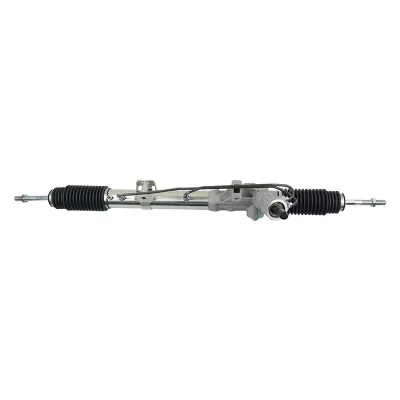


New Auto Power Steering Rack for Toyota 2012-2015 45510-47070 4551047070
$30.00 - $80.00
MOQ: 1 Pieces

Car Steering Gear Power Steering Rack for Toyota 45510-47040 45510-47050 45510-47120
$30.00 - $80.00
MOQ: 1 Pieces

Auto Power Steering Rack for Toyota 44200-60060 44250-60100 44200-60170 44250-60040
$30.00 - $80.00
MOQ: 1 Pieces

Factory Price Auto Steering Rack for Toyota 44200-26490 44200-26491 44200-26540 44200-26541
$40.00 - $70.00
MOQ: 1 Pieces

New Power Steering Rack 45510-52040 for Toyota 45510-52030 45510-52080 45510-52140 45510-52200
$30.00 - $80.00
MOQ: 1 Pieces


44200-20890 Power Steering Rack for Toyota Corolla Zze High Quality Wholesale
$1.00 - $10.00
MOQ: 10 Pieces


Power Steering Rack for Toyota Corolla 44250-02010 4425002010 44250-12290
$50.00 - $75.00
MOQ: 10 Pieces


Comprehensive Sourcing Guide
Strategic Sourcing Guide For Toyota Power Steering Rack Components
Understanding Component Variants and Technical Specifications
When sourcing components specifically designated as "For Toyota Power Steering Rack," buyers must first navigate the technical diversity inherent in the supply chain. The market does not offer a single monolithic product but rather a spectrum of units tailored to specific vehicle generations and powertrain configurations. Based on observed product attributes, the core item is frequently identified as a steering gear or steering rack, often categorized under the type "Steering Gears/Shaft" or specifically as a "Steeering rack" and "Power Steering Rack." These components are critical for translating driver input into directional control, and their internal architecture varies significantly between mechanical, hydraulic, and electrical power-assisted systems.
The physical and functional specifications of these units are defined by precise parameters that must be matched to the target vehicle. For the Toyota Hiace application, specific part numbers such as 44250-26321 and 44250-12232 serve as primary identifiers. Buyers should verify that the listed product matches these exact OE (Original Equipment) numbers or their equivalent reference numbers, which include 44200-26301, 44250-26281, and 44250-26341. Mismatches in these identifiers can lead to installation failures or premature wear. The physical dimensions are equally critical; observed data indicates a length specification of 130 units for certain models, with a single package size often ranging around 50x50x50 cm. The weight of individual units is typically recorded around 12 units or a single gross weight of 2.000 kg, factors that directly influence shipping logistics and freight costs.
Material composition is another primary differentiator. While some listings specify Aluminum as the primary material, others cite Iron or Steel. This variation often reflects the specific sub-component being sourced, such as the housing versus the internal rack or pinion gear. The placement on the vehicle is consistently noted as "Left or front," which is a standard configuration for many Toyota models but requires verification against the specific chassis of the buyer's fleet. Furthermore, the power source type is a crucial technical distinction, with products supporting Hydraulic Power, electrical power, or Mechanical Power. Sourcing a hydraulic rack for a vehicle designed for an electrical system, or vice versa, will result in immediate incompatibility. Buyers must ensure the "Automatic" classification, often listed as "Semi-Automatic," aligns with the vehicle's existing control architecture.
Compliance, Certification, and Regulatory Standards
In the global B2B automotive aftermarket, compliance is not merely a formality but a prerequisite for market access and liability protection. When evaluating suppliers for Toyota steering racks, the presence of recognized certifications is a primary indicator of a supplier's commitment to quality management systems. Observed product data explicitly lists CE and ISO certifications. The CE marking indicates conformity with health, safety, and environmental protection standards for products sold within the European Economic Area, while ISO certification suggests adherence to international standards for quality management. However, buyers must treat these as observations of specific listings rather than universal guarantees for every item in the category. It is essential to request current, valid certification documents for the specific batch being purchased, as certification status can vary between production runs or different supplier entities.
Beyond general certifications, the adherence to specific standards is vital for automotive components. The product attributes reference "Standard" and "OEM Standard Size" as the governing frameworks. This implies that the components are manufactured to meet the dimensional and functional tolerances set by the original equipment manufacturer. For steering systems, which are safety-critical, the "OEM Standard Size" ensures that the rack fits the mounting points and interfaces correctly with the vehicle's suspension and steering column. Buyers should verify that the "prod_standard" listed as "normal" or "OEM Standard Size" is backed by engineering drawings or tolerance reports. The absence of specific safety standards like ISO 26262 (functional safety) in the provided data does not negate the need for such verification; buyers should actively inquire whether the supplier's manufacturing process includes functional safety assessments, particularly for electronic power steering components.
The origin of the product also plays a role in compliance. The data indicates origins in China, specifically Zhejiang and Guangzhou. While these are major manufacturing hubs, the regulatory environment and export compliance requirements can vary. Buyers must ensure that the supplier can provide proof of origin and that the goods comply with the import regulations of the destination country. This includes checking for any specific automotive import restrictions or safety recalls that might affect the specific part numbers being sourced. The "Quality: 100% Tested" attribute suggests a rigorous internal testing protocol, but this should be corroborated with third-party test reports to ensure that the testing methodology aligns with international automotive standards.
Cost Drivers and Pricing Dynamics
The pricing structure for Toyota power steering racks is influenced by a complex interplay of material costs, manufacturing complexity, and supply chain logistics. The observed price range in the market spans from 1 to 125 USD, a wide variance that reflects differences in component quality, material grade, and the specific model year compatibility. Several factors drive these costs. First, the material composition is a significant variable; units utilizing Steel or Iron may have different cost structures compared to those incorporating Aluminum, depending on current commodity market fluctuations. The "Factory price" attribute suggests that direct sourcing from the manufacturing hub can reduce intermediary markups, but this benefit must be weighed against the logistics costs associated with international shipping.
Minimum Order Quantity (MOQ) requirements also heavily impact the effective unit cost. The observed MOQ range is between 1 and 50 units, with specific listings indicating an MOQ of 10PCS. For buyers with lower volume needs, the ability to source single items or small batches is crucial, though the unit price may be higher. Conversely, larger orders can leverage economies of scale to reduce the per-unit cost. The "Selling Units" being listed as "Single item" indicates flexibility for small-scale procurement, but buyers should be aware that bulk purchasing often unlocks better pricing tiers.
Packaging and logistics represent another significant cost driver. The "prod_packing" is described as "Strong Export Packing" or "Neutring Packing," with a single package size of 50x50x50 cm. The weight of 12 units or a gross weight of 2.000 kg per item affects freight charges, particularly for air freight options like DHL, EMS, Aramex, and UPS. Sea freight is a more cost-effective alternative for larger volumes but involves longer lead times. The "Delivery Time" of 3-7 working days suggests that expedited shipping is available, but this will incur a premium. Buyers must calculate the total landed cost, including the base price, shipping fees, insurance, and any applicable tariffs, to determine the true cost of procurement. Additionally, the "Terms of Payment" including options like T/T, Paypal, Western Union, and Visa influence cash flow and financial risk, with different terms often correlating with different pricing strategies.
Typical Applications and Vehicle Compatibility
The primary application for these steering racks is explicitly identified as "for Toyota Hiace," but the compatibility extends to other models sharing the same chassis and steering architecture. The specific OE numbers, such as 44250-26321 and 44250-12232, serve as the definitive link between the component and the vehicle. These part numbers are associated with the Toyota Hiace, a commercial van widely used in various global markets. The "Reference No." list, including 44200-26301 and 44250-26341, indicates that these components may be interchangeable or compatible with multiple variants of the Hiace or related Toyota models.
The "Purpose" of these parts is clearly stated as "for replace/repair," highlighting their role in the aftermarket maintenance ecosystem. Whether a fleet manager is replacing a worn-out rack on an aging Hiace or a repair shop is servicing a customer's vehicle, the compatibility must be exact. The "Placement on vehicle" being "Left or front" is a standard configuration, but buyers must verify the specific side of the vehicle, as some markets may require right-hand drive configurations. The "Color" being "Pictures Showing" implies that the visual appearance may vary, but this should not affect the mechanical fit or function.
It is important to note that while the data highlights the Toyota Hiace, the "Type" of the component is broadly "Steering Gears/Shaft" or "Steeering rack," suggesting that similar components may fit other Toyota models with compatible steering systems. Buyers should cross-reference the part numbers with their specific vehicle identification numbers (VIN) to ensure a perfect match. The "Customization: Available" attribute suggests that some suppliers may offer modifications or custom packaging, which could be beneficial for specific fleet requirements or branding needs. However, any customization must not compromise the "OEM Standard Size" or the structural integrity of the component.
Supplier Evaluation and Selection Criteria
Selecting the right supplier is a critical step in the procurement process, requiring a rigorous evaluation of their capabilities, reliability, and track record. The "Brand Name" is often listed as "OEM," indicating that the supplier may be manufacturing original equipment or high-quality equivalents. Buyers should look for suppliers who demonstrate transparency in their operations, particularly regarding the "Place of Origin" in Zhejiang or Guangzhou, China. While these regions are known for manufacturing, the specific factory's reputation and capacity should be verified.
The "Quality" attributes, such as "100% Tested" and "High-Quality," are strong indicators of a supplier's commitment to standards. However, these claims should be validated through requests for quality assurance documentation, such as test reports or certificates of conformity. The "Instock: Yes" attribute is a significant advantage for buyers requiring immediate delivery, reducing lead times and potential downtime for vehicles. Suppliers with a robust inventory of specific part numbers like 44250-26321 can offer faster turnaround times compared to those who manufacture on demand.
The "Delivery Ways" offered, including DHL, EMS, Aramex, UPS, and options for air or sea freight, demonstrate the supplier's logistical capabilities. A supplier with multiple shipping options provides flexibility to balance cost and speed based on the buyer's urgency. The "Terms of Payment" including T/T, Paypal, Western Union, and Visa offer various methods to suit different financial arrangements, but buyers should assess the security and convenience of each option. The "Warranty: 1" indicates a one-year warranty period, which is a standard expectation for automotive parts, but the specific terms and conditions of this warranty should be clearly understood.
Quality Control and Long-Term Procurement Considerations
Ensuring the long-term reliability of the steering rack requires a robust quality control strategy. The "Quality: 100% Tested" claim suggests that every unit undergoes a functional check before shipment. Buyers should request detailed test protocols to understand what parameters are being measured, such as pressure tests, leak checks, or durability cycles. The "Standard" of "OEM Standard Size" and "Normal" implies adherence to strict dimensional tolerances, but continuous monitoring is necessary to ensure consistency across batches.
For long-term procurement, buyers should consider the "Sample: Available If We Have in Stock" option. Testing a sample before placing a large order can mitigate the risk of receiving substandard products. The "Packaging" being "Neutral or Customized" and "Strong Export Packing" ensures that the components arrive in good condition, protecting them from damage during transit. The "Single gross weight" of 2.000 kg and "Single package size" of 50x50x50 cm are critical for planning storage and handling in the buyer's facility.
Sustainability and supply chain resilience are also important considerations. The "Material" composition, whether Aluminum, Iron, or Steel, impacts the environmental footprint of the product. Buyers may wish to inquire about the recyclability of the materials and the supplier's environmental policies. The "Lead Time" of 3-7 working days indicates a responsive supply chain, but buyers should plan for potential delays due to global logistics disruptions. Establishing a long-term relationship with a reliable supplier can provide stability in pricing and availability, ensuring a steady supply of critical components for fleet maintenance and repair operations. By focusing on these factors, buyers can secure high-quality steering racks that meet the demanding requirements of Toyota vehicles while maintaining cost efficiency and operational reliability.
FAQs
What certifications do these steering racks have?
The products hold CE and ISO certifications. These marks indicate conformity with safety and quality management standards, though buyers should verify specific batch documents for each order.
Which part numbers fit the Toyota Hiace?
The primary OE number is 44250-26321. Compatible reference numbers include 44200-26301, 44250-26281, and 44250-26341, which must be matched to ensure correct installation.
How long is the delivery time for orders?
Delivery typically takes 3 to 7 working days. This timeframe applies to standard processing and shipping via options like DHL, EMS, or air freight from the origin in China.
Can I customize the packaging for this gear?
Yes, customization is available for packaging needs. Buyers can choose between neutral packing or customized options, provided the strong export packing requirements are met for safe transit.
What is the minimum order quantity for purchase?
The minimum order quantity ranges from 1 to 50 units. Specific listings may require a minimum of 10 pieces, so buyers should confirm the exact threshold before placing an order.
Which materials are used to build these racks?
Materials include Aluminum, Iron, and Steel depending on the specific component. These variations reflect different sub-components like housings or internal gears used in the steering assembly.