Source Forced Lubrication Triplex Piston Pump for Drilling, Petrochemical, Oilwell
Compare 30 Forced Lubrication Triplex Piston Pump options from Chinese manufacturers for drilling, petrochemical, and oilwell applications. View specifications including pressure, stroke length, and power ratings to find suitable equipment.
Key considerations
Products List


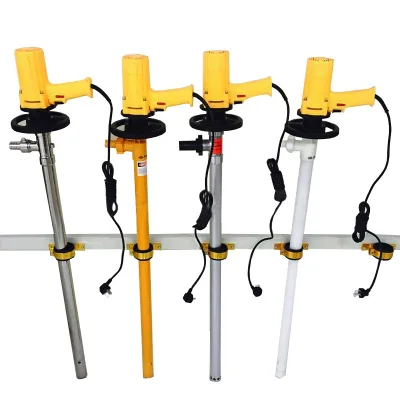


Factory Price High Quality Triple Screw Pump / Three Screw Pump for Lubricating
$500.00 - $10000.00
MOQ: 1 Pieces


Comprehensive Sourcing Guide
Strategic Sourcing Guide for Forced Lubrication Triplex Piston Pumps
Understanding the Core Technology and Operational Mechanics
The Forced Lubrication Triplex Piston Pump represents a critical piece of heavy industrial equipment, primarily designed for high-pressure fluid transfer in demanding environments. Unlike simpler pump configurations, the triplex design utilizes three cylinders operating in a single-acting arrangement to deliver a more consistent flow with reduced pulsation. The defining characteristic of the specific units under review is the "forced lubrication" method. This system ensures that moving components, such as crankshafts and bearings, are continuously supplied with lubricant under pressure, rather than relying on splash or gravity. This distinction is vital for maintaining component longevity and preventing catastrophic failure during extended operation cycles.
In the context of the observed product data, these pumps are engineered with specific power ratings that often align with industrial standards. For instance, models observed in the market data exhibit power inputs ranging from 140 kW (187 HP) to 150 HP. The displacement capabilities are equally significant, with maximum flow rates reaching up to 1800 L/Min (475 gpm). The stroke length, a critical parameter determining the pump's volumetric efficiency, is observed to vary between 146 mm and 152.4 mm (6 inches) depending on the specific model configuration. These mechanical attributes suggest that the equipment is intended for heavy-duty applications where reliability and sustained output are non-negotiable. The working fluid is predominantly water, though the pump's construction materials, including rubber and NBR/HNBR components, indicate versatility for handling various fluids in petrochemical and oilwell contexts.
Technical Specifications and Performance Parameters
When evaluating a Forced Lubrication Triplex Piston Pump, buyers must scrutinize the technical specifications to ensure the unit matches the operational requirements of their specific site. The pressure rating is a primary constraint; observed data indicates a maximum operating pressure of 9 MPa (1300 psi). This figure defines the upper limit of the pump's capability and must be compared against the system's required pressure to avoid over-stressing the unit. The inlet and outlet pipe diameters are equally critical for hydraulic compatibility. Specifications show inlet pipe diameters ranging from 152 mm (6 inches) to 219 mm (8 1/2 inches), while outlet diameters can be as small as 64 mm (2 1/2 inches). Mismatching these dimensions can lead to cavitation, excessive pressure drop, or flow inefficiencies.
The stroke rate, measured in strokes per minute (SPM), is another key performance indicator. The observed range for these pumps spans from 120 SPM to 140 SPM. This frequency directly influences the flow rate and the mechanical wear on the pump's internal components. A higher SPM increases throughput but may accelerate wear if the lubrication system is not adequately sized. Furthermore, the gear ratio, observed at 4.24 in certain models, dictates the relationship between the motor speed and the pump's crankshaft speed. Understanding this ratio is essential for motor selection and drive train design. The structural configuration is consistently noted as a single-cylinder or single-acting triplex design, which simplifies maintenance but requires careful balancing of the rotating assembly.
| Parameter | Observed Range/Value | Critical Consideration |
|---|---|---|
| Max Displacement | 1800 L/Min (475 gpm) | Must match system flow requirements |
| Max Pressure | 9 MPa (1300 psi) | Limits system operating pressure |
| Stroke Length | 146mm - 152.4mm (6") | Affects volumetric efficiency |
| Stroke Rate (SPM) | 120 - 140 SPM | Influences wear and throughput |
| Inlet Pipe Dia. | 152mm (6") - 219mm (8.5") | Must match suction line size |
| Outlet Pipe Dia. | 64mm (2.5") - 4''-7'' | Must match discharge line size |
| Power Rating | 140kW (187HP) - 150HP | Determines motor and drive selection |
| Weight | 5348 Kg | Impacts foundation and transport logistics |
Compliance, Certification, and Regulatory Standards
In the global procurement of industrial pumps, compliance with international standards is not merely a formality but a prerequisite for safety and insurance. The observed product data lists several certifications, including API 7K, CE, RoHS, and ISO 9001:2000/2008. API 7K is particularly significant for drilling equipment, indicating that the pump meets specific requirements for the oil and gas industry. However, buyers must verify that the certification is current and applies to the specific model being purchased, as standards evolve. The presence of ISO 9001 certifications suggests a commitment to quality management systems, but the specific year (2000 or 2008) should be cross-referenced with the latest ISO 9001:2015 standard to ensure the supplier's quality processes are up to date.
The standard for the pump's physical dimensions and construction is also a point of verification. While some data references a standard dimension of 2674x2000x2042mm, other models show dimensions like 2310x2000x1220mm. This variance highlights the importance of confirming the "Standard" attribute for the specific unit. Additionally, the material composition, including rubber, NBR, HNBR, and urethane, must align with the chemical compatibility requirements of the fluid being pumped. The tensile strength of these components is observed to be greater than 610 MPa, a figure that buyers should request verified test reports for, rather than accepting as a generic claim. The manufacturing process, noted as forging, and surface treatments like galvanization or spray-paint, contribute to the pump's durability and resistance to corrosion, which are essential for outdoor or harsh environment applications.
Cost Drivers and Procurement Economics
The cost of a Forced Lubrication Triplex Piston Pump is influenced by a complex interplay of factors, including raw material costs, manufacturing complexity, and certification overheads. The observed price range in the market is vast, spanning from 1 USD to 95,000 USD. This extreme variance suggests that the data includes not only complete pump units but also individual components, such as piston rubber assemblies, or different tiers of equipment quality. Buyers must be wary of low-cost listings that may represent only spare parts or incomplete assemblies. The Minimum Order Quantity (MOQ) also varies, with some listings showing an MOQ of 1, while others require 10 pieces. This discrepancy often reflects the difference between purchasing a single unit versus a bulk order of components.
Material costs are a significant driver, particularly for the rubber and elastomer components used in valves and seals. The use of high-performance materials like HNBR and Urethane, which offer superior tensile strength and chemical resistance, will inherently increase the unit cost compared to standard rubber alternatives. The manufacturing process, specifically forging, adds value but also cost compared to casting methods. Furthermore, the customization availability noted in the product data implies that bespoke configurations will carry a premium. Buyers should expect that a fully customized pump with specific pipe diameters, power ratings, and specialized surface treatments will be priced at the higher end of the spectrum. It is crucial to distinguish between the cost of the base pump and the cost of the forced lubrication system, as the latter involves additional pumps, filters, and piping that add to the total installed cost.
Typical Applications and Industry Use Cases
The versatility of the Forced Lubrication Triplex Piston Pump makes it suitable for a wide array of industrial applications. The primary use case observed is in the petrochemical and oilwell sectors, where high-pressure water or drilling mud is required. The pump's ability to handle high pressures up to 9 MPa makes it ideal for hydraulic fracturing, well cleaning, and mud circulation systems. In these environments, the forced lubrication system is critical because the pumps often operate continuously for long durations, and any failure in lubrication can lead to immediate and severe mechanical damage.
Beyond oil and gas, these pumps are utilized in mining and mineral processing, where they serve as high-pressure water jetting systems for cutting and cleaning. The robust construction, including the forged components and galvanized surfaces, allows them to withstand the abrasive and corrosive nature of mining environments. The specific mention of "Drilling Mud Pump Valves Assy" in the product attributes further cements their role in drilling operations. In these applications, the pump must deliver a steady flow to maintain the hydrostatic pressure in the wellbore, preventing blowouts. The single-acting triplex design provides a balance between flow consistency and mechanical simplicity, making it a preferred choice for these critical operations. Buyers should ensure that the pump's material compatibility aligns with the specific fluids used in their application, particularly if the fluid contains abrasive particles or corrosive chemicals.
Supplier Evaluation and Quality Assurance Protocols
Selecting a supplier for a Forced Lubrication Triplex Piston Pump requires a rigorous evaluation process that goes beyond price comparison. The origin of the product is listed as China, which is a major manufacturing hub for this equipment. However, the location alone does not guarantee quality. Buyers must verify the supplier's manufacturing capabilities, specifically their adherence to the forging process and surface treatment standards. The presence of certifications like API 7K and ISO 9001 is a positive indicator, but these should be validated through third-party audits or direct requests for current certificates.
Quality control should be a central part of the procurement strategy. Buyers should request detailed test reports for the rubber components, verifying the tensile strength claims of >610 MPa. The surface treatment, whether galvanization or spray-paint, must be inspected for uniformity and thickness to ensure corrosion resistance. The packing method, observed as wood, plywood case, or export-packing, is also a quality indicator; improper packing can lead to damage during transit. Furthermore, the customization capability should be assessed based on the supplier's engineering support. A supplier that offers "Available Customized Request" should have the technical expertise to modify the pump's dimensions, pipe connections, and power ratings to fit specific site requirements. Buyers should also evaluate the supplier's after-sales support, including the availability of spare parts and technical assistance, which is crucial for maintaining pump uptime.
Long-Term Procurement and Lifecycle Management
Procuring a Forced Lubrication Triplex Piston Pump is a long-term investment that requires careful consideration of lifecycle costs. The initial purchase price is only one component of the total cost of ownership. Maintenance, spare parts availability, and energy consumption play significant roles in the long-term economics of the pump. The forced lubrication system, while enhancing reliability, requires regular monitoring and maintenance of the lubricant quality and pressure. Buyers should ensure that the supplier provides a comprehensive maintenance manual and training for their operations team.
The availability of spare parts is another critical factor. The product data mentions specific components like "Piston Rubber Assembly" and valves, which are subject to wear and tear. A supplier with a robust inventory of these parts, or the ability to manufacture them quickly, is essential for minimizing downtime. The customization options also impact long-term procurement; a pump that can be easily adapted or upgraded extends its useful life and reduces the need for replacement. Finally, the environmental impact of the pump, including the materials used and the energy efficiency of the motor, should be considered. With the increasing focus on sustainability, buyers should look for suppliers who offer energy-efficient motors and environmentally friendly lubricants. By focusing on these long-term factors, buyers can ensure that their investment in a Forced Lubrication Triplex Piston Pump delivers value over its entire operational life.
FAQs
What is the maximum pressure rating for this pump?
The maximum pressure rating is 9 MPa or 1300 psi. This limit defines the upper operational boundary and must not be exceeded to prevent mechanical failure during high-pressure fluid transfer applications.
Which certifications are available for these triplex pumps?
Available certifications include API 7K, CE, RoHS, and ISO 9001 versions 2000 and 2008. Buyers should verify that these specific certificates are current and apply to the exact model being purchased for compliance.
Can the pump be customized for specific requests?
Yes, customization is available for customized requests. Suppliers can modify dimensions, pipe connections, and power ratings to fit specific site requirements, though bespoke configurations typically carry a higher cost premium.
How is the lubrication method implemented in this design?
The pump utilizes a forced lubrication method where moving components are continuously supplied with lubricant under pressure. This system ensures longevity and prevents catastrophic failure during extended operation cycles compared to splash lubrication.
What is the minimum order quantity for components?
The minimum order quantity is 10 pieces for specific components like piston rubber assemblies. Other listings may show an MOQ of 1, reflecting the difference between purchasing a single unit versus a bulk order of parts.
Which materials are used for the rubber components?
Materials include NBR, HNBR, and Urethane Rubber. These elastomers offer superior tensile strength greater than 610 MPa and chemical resistance suitable for handling drilling mud and various fluids in petrochemical contexts.