Source Ford Fiesta Engine Oil Pan for Car, Truck, and Generator
Compare 30 listings for Ford Fiesta Engine Oil Pan from verified suppliers. Options include aluminum and steel alloy materials with OEM standards, available for cars, trucks, and industrial generators.
Key considerations
Products List
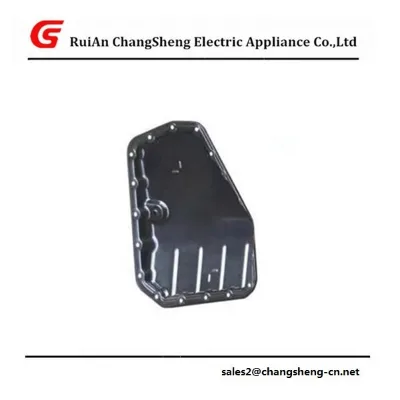
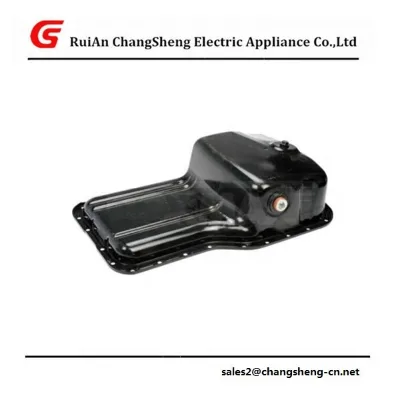
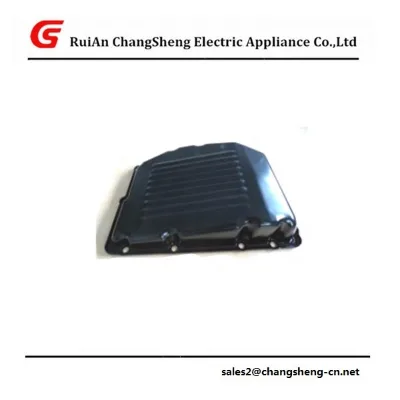


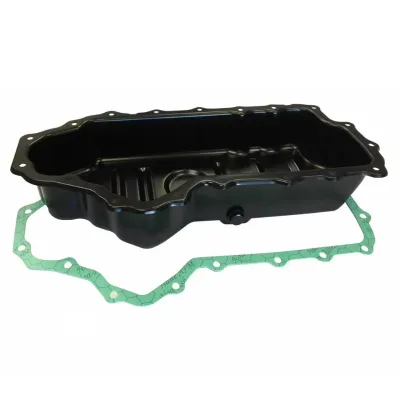
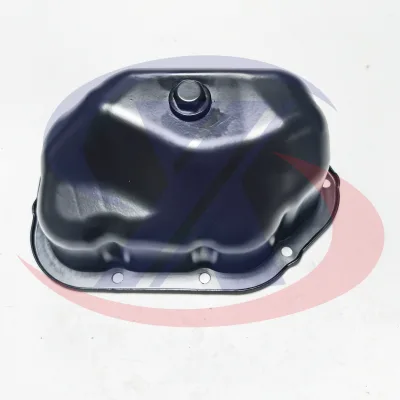
Factory Price Auto Parts Oil Sump Pan for FIAT Brava Punto 46272083 91200681
$2.00 - $10.00
MOQ: 50 Pieces

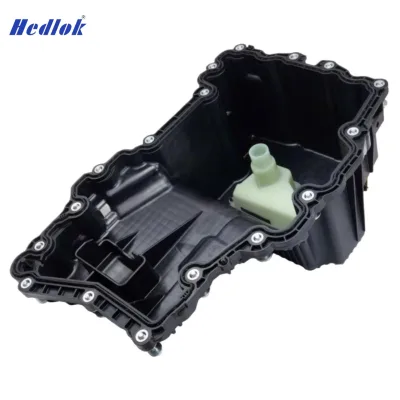
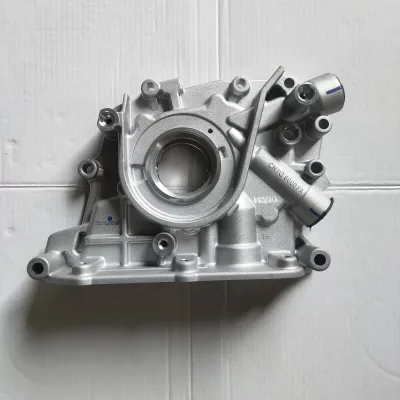
Oil Pump 1152664 1575320 4n2g6600c3a Xs6e6600AC for Ford Ka, Fiesta V 5, Street Ka
$9.00 - $35.00
MOQ: 100 Pieces






Comprehensive Sourcing Guide
Strategic Sourcing Guide for Ford Fiesta Engine Oil Pans
Procuring replacement components for the Ford Fiesta Engine Oil Pan requires a disciplined approach that balances specific vehicle compatibility with broader industrial manufacturing standards. The global market for automotive oil pans is characterized by a diverse range of suppliers, varying material compositions, and distinct certification requirements. For buyers seeking to source these critical engine components, understanding the intersection of OEM specifications, material science, and supply chain logistics is essential. This guide synthesizes available market data to provide a framework for evaluating potential suppliers and products without relying on unverified claims or specific vendor recommendations.
Technical Specifications and Material Composition
The foundation of a reliable engine oil pan lies in its material composition and structural design. Market observations indicate that aluminum is a predominant material for modern oil pans, offering a favorable strength-to-weight ratio compared to traditional steel alternatives. Specifically, the supply chain frequently lists "Aluminum" and "Aluminum Alloy" as the primary materials for these components. Superior aluminum housings are often cited in conjunction with steel alloy gears in related automotive systems, suggesting a trend toward high-performance alloys that resist corrosion and thermal expansion.
When evaluating technical specifications for a Ford Fiesta application, buyers must look for adherence to OEM standards. The product data indicates that "OEM Standard" and "OEM" are common classifications for these parts. This implies that the dimensions, bolt patterns, and mounting points must align precisely with the factory specifications of the vehicle. The observed product models in the market, such as FA-OIP-TY, FA-OIP-CHR, and FA-OIP-MA, suggest a wide variety of part numbers available, but the critical verification step is ensuring the specific model matches the Ford Fiesta's engine architecture.
Manufacturing techniques also play a pivotal role in the integrity of the oil pan. The sourcing data highlights two primary production methods: "Forging" and "Casting." Casting is frequently associated with aluminum alloy components, allowing for complex shapes that accommodate engine geometry. Conversely, forging is noted as a distinct technical process, often implying higher structural integrity for specific load-bearing applications. Buyers should verify which technique was used for a specific unit, as this influences the pan's durability and resistance to cracking under thermal stress. The presence of "Dry Oil Pan" as a specific type in the market data further necessitates that buyers confirm the engine's lubrication system design, as dry sump systems require different pan configurations than wet sump systems.
Compliance, Certification, and Regulatory Standards
Navigating the regulatory landscape is a critical component of B2B procurement. The automotive industry operates under strict quality management systems, and suppliers must demonstrate compliance through recognized certifications. The observed market data lists several key certifications, including "ISO9001," "TS16949," and "ISO TSMaterial." These standards are not merely administrative hurdles; they represent a supplier's commitment to consistent quality control and traceability. ISO9001 ensures a robust quality management system, while TS16949 (now often superseded by IATF 16949) is specifically tailored for the automotive sector, addressing the unique risks and requirements of vehicle manufacturing.
In addition to management system certifications, product-specific compliance is vital. The data references "RoHS," "CE," "ISOCOP," and "CCC" certifications. RoHS (Restriction of Hazardous Substances) compliance is particularly important for ensuring that the aluminum alloy and any sealing materials do not contain prohibited hazardous substances, which is a legal requirement in many export markets. CE marking indicates conformity with health, safety, and environmental protection standards for products sold within the European Economic Area. The presence of "CCC" suggests compliance with Chinese Compulsory Certification, which is relevant for products manufactured in or imported from China.
Buyers must also verify the "Standard Component" status of the oil pan. While many parts are classified as standard components, the "OEM Standard" designation is crucial for aftermarket replacements. It is essential to confirm that the supplier's certification documents are current and valid for the specific batch of goods being procured. The absence of a specific certification in a supplier's profile should trigger a request for documentation rather than an assumption of compliance.
Cost Drivers and Pricing Dynamics
Understanding the cost structure of engine oil pans is essential for budgeting and negotiation. The observed price range in the market spans from $1 to $5,000 USD. This wide variance is not indicative of a single product type but rather reflects the diversity of the supply, ranging from simple aftermarket replacements to complex, custom-engineered units or bulk industrial orders. The lower end of the spectrum likely represents standard, mass-produced aluminum pans, while the higher end may include specialized units, custom designs, or orders involving significant shipping and handling costs for large quantities.
Several factors influence the final cost. Material costs for aluminum and steel alloys are volatile and directly impact the base price. Manufacturing techniques also play a role; forged components often command a premium over cast ones due to the higher energy and tooling costs involved. Customization is another significant cost driver. The market data confirms that "Customization: Available" and "Customized Design Is Available" are common offerings. Custom engraving, unique packaging, or non-standard dimensions will increase the unit price.
Minimum Order Quantity (MOQ) is a critical variable in cost analysis. The observed MOQ range is 1 to 1,000 units, with specific listings showing an MOQ of 50 pieces or 1 set. Buyers purchasing small quantities for repair shops may face higher per-unit costs compared to those placing bulk orders. Additionally, the "Cheap Price" advantage noted in some product descriptions should be approached with caution. While competitive pricing is desirable, it must be weighed against the risk of compromising on material quality or certification validity. The total cost of ownership should include shipping, which can be by sea, express, or air, depending on the urgency and volume of the order.
Typical Applications and Vehicle Compatibility
While the core keyword focuses on the Ford Fiesta, the market data reveals that these components are often designed for broader applications. The observed product attributes list applications for "Car," "Truck," and "Automotive Cooling System." This suggests that many oil pans are versatile and may fit multiple vehicle platforms, not just a single model. The "Car Maker" attribute explicitly mentions compatibility with "Most Car Models (Japanese, Korean, German, American)," indicating that the supply chain serves a global market with diverse vehicle manufacturers.
However, specific compatibility must be verified for the Ford Fiesta. The data includes references to specific engine models such as "4bt/6b/6CT/Nt855/M11/K19/Kt38/K50," which are typically associated with diesel engines in industrial or heavy-duty applications rather than the gasoline engines found in most Ford Fiestas. This discrepancy highlights the importance of cross-referencing the engine model number with the vehicle's specifications. Buyers should not assume that a pan listed for a "Diesel" engine or "Generator" application is suitable for a passenger car engine without explicit confirmation.
The "Apply" attribute also lists "Mercedes Benz," further illustrating the cross-manufacturer nature of the supply. For a Ford Fiesta buyer, the critical task is to filter these broad listings to find the specific part number or OEM standard that matches the Fiesta's engine bay. The "OEM Standard" and "Size: OEM Standard" attributes are the primary indicators of compatibility, but the specific model number (e.g., FA-OIP-TY) must be matched against the vehicle's service manual or parts catalog.
Supplier Evaluation and Quality Assurance
Evaluating suppliers requires a rigorous assessment of their production capabilities and quality control measures. The market data indicates that "100% Tested" is a common attribute for these products. This implies that every unit undergoes a functional or dimensional inspection before leaving the factory. Buyers should request evidence of this testing process, such as test reports or quality control logs, to ensure that the "100% Tested" claim is genuine and not a marketing assertion.
The "Warranty" period is another key metric for supplier reliability. The observed data shows warranty periods of "12 Months" and "24 Months." A longer warranty period often indicates a supplier's confidence in their product's durability and their willingness to stand behind their quality. For a critical component like an oil pan, a 24-month warranty is preferable, as it provides a longer window for identifying potential manufacturing defects.
Packaging is also a factor in supplier evaluation. The data lists various packaging options, including "Carton/Shipping Carton/Plts," "Package of Box," and "Neutral Box/Customized Box." Proper packaging is essential to prevent damage during transit, especially for aluminum components that can be susceptible to denting. Buyers should verify that the supplier uses robust packaging that protects the oil pan from corrosion and physical impact. The "Sample Available: Yes" attribute is a valuable tool for initial evaluation, allowing buyers to inspect the physical quality of the product before committing to a larger order.
Long-Term Procurement Considerations
Sourcing engine oil pans is not a one-time transaction but part of a long-term supply chain strategy. Lead times and delivery schedules are critical for maintaining inventory levels. The observed "Delivery Time" ranges from "1-7 Days," which suggests a relatively agile supply chain for standard items. However, buyers must account for potential delays due to shipping methods (Sea, Express, Air) and customs clearance, especially for international orders originating from China.
The "Customization" aspect offers flexibility for long-term contracts. If a buyer requires specific branding or design modifications, the availability of "Customized Design" and "Engrave" services allows for tailored solutions. This can be particularly useful for fleet operators or distributors who wish to brand the products with their own logos. However, customization often extends lead times and increases costs, so it should be planned well in advance.
Finally, buyers should consider the "Advantage" attributes listed in the market, such as "Reliability, Durability, and Cheap Price." While these are positive indicators, they must be validated through actual performance data. Long-term procurement success depends on consistent quality, reliable delivery, and clear communication with suppliers. Establishing a relationship with suppliers who demonstrate adherence to ISO and TS standards, offer comprehensive warranties, and provide transparent testing data will ensure a stable supply of high-quality engine oil pans for the Ford Fiesta and other vehicle models. By focusing on these verified attributes and avoiding unverified claims, buyers can mitigate risk and build a resilient sourcing strategy.
FAQs
What materials are used for ford fiesta engine oil pans?
Aluminum and aluminum alloy are the primary materials used for these components. Superior aluminum housings often combine with steel alloy gears to ensure durability and corrosion resistance while maintaining a favorable strength-to-weight ratio.
Which certifications should I verify for these oil pans?
Look for ISO9001, TS16949, ISO TS, RoHS, CE, and CCC certifications. These standards confirm compliance with quality management systems and restrictions on hazardous substances required for automotive parts sold in global markets.
Can I find custom designs for ford fiesta engine oil pans?
Yes, customization is available including customized design engraving and packaging options. Buyers can request specific branding or non-standard dimensions, though this may affect lead times and unit pricing compared to standard OEM parts.
What is the typical warranty period for these components?
Warranty periods typically range from 12 to 24 months depending on the supplier. A longer warranty often indicates higher confidence in product reliability and durability, which is critical for engine lubrication system components.
How are these oil pans manufactured and tested?
Manufacturing techniques include casting and forging, with 100% testing applied to every unit. This ensures dimensional accuracy and structural integrity before shipment, with options for neutral or customized box packaging to prevent transit damage.
What are the minimum order quantities for sourcing these parts?
MOQs vary from 1 set to 1000 pieces, with some listings requiring 50 pieces. Buyers should verify specific MOQs as they influence per-unit costs and may require bulk purchasing for competitive pricing on standard models.
Which engine models are compatible with these oil pans?
Products are listed for various applications including cars, trucks, and diesel engines like 4bt or 6CT. Buyers must cross-reference specific OEM standards and model numbers to ensure compatibility with the Ford Fiesta engine architecture.