Source Forging Gearbox Synchronizer Ring for Trucks, Cars, and Machinery
Compare 30 verified listings for Forging Gearbox Synchronizer Ring components designed for heavy-duty trucks, passenger cars, and construction machinery. Buyers can evaluate specifications, certifications, and customization options to find suitable transmission parts for repair or replacement.
Key considerations
Products List


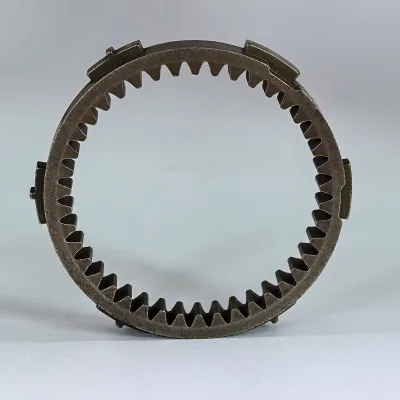


Manual Gearbox Parts Synchronizer Ring for 1268304494 16s151, 16s181, 16s221
$47.90 - $76.90
MOQ: 1 Pieces


Comprehensive Sourcing Guide
Strategic Sourcing Guide for Forging Gearbox Synchronizer Rings
Understanding the Core Component and Manufacturing Process
The Forging Gearbox Synchronizer Ring is a critical transmission component designed to match gear speeds before engagement, ensuring smooth shifting and preventing gear clash. In the context of the current market, the manufacturing process for these components is a primary differentiator. The supplied data indicates that these parts are produced through both Machined and Forged processes. Forging is generally preferred for high-stress applications because it aligns the grain structure of the metal, enhancing durability and fatigue resistance compared to casting or simple machining.
When sourcing these rings, buyers must verify the specific production method. The available product attributes highlight a Gearing Arrangement of Spur, which is standard for many manual transmission applications. The material composition is equally vital; the data points to Copper alloy as a key material used in these components. Copper alloys are selected for their excellent thermal conductivity and wear resistance, which are essential for managing the heat generated during friction events. The Teeth count on these rings typically ranges from 10 to 60t (teeth), a specification that must align precisely with the transmission design of the target vehicle or machinery.
The Module of the gear, which defines the size of the teeth, is observed to range from 1 to 8. This variation allows the synchronizer ring to fit into different transmission housings, from compact passenger car units to heavy-duty industrial gearboxes. Buyers should not assume a single module size applies to all inventory; instead, they must match the module and tooth count to the specific prod_model or part number they are replacing. The prod_model identifiers found in the market include specific codes such as 945 260 2245/946 262 6337, ME670317, and SXCJ1515, indicating a highly fragmented market with numerous part-specific variations.
Technical Specifications and Performance Parameters
Evaluating the technical specifications of a synchronizer ring requires a deep dive into its physical and operational characteristics. The Surface treatment of these components is a critical factor in their longevity and performance. The observed data lists Zinc Plated and Blacken as common surface finishes. Zinc plating provides a barrier against corrosion, which is essential for parts exposed to moisture and road salts, while blackening often serves to reduce glare and improve lubrication retention.
Heat treatment is another non-negotiable specification. The data confirms that Case Harden is a standard process applied to these rings. This process hardens the outer surface of the component while maintaining a tough, ductile core, allowing the ring to withstand the high impact forces of gear engagement without cracking. The Friction Coefficient is a measurable performance metric that dictates how effectively the ring synchronizes the gears. The observed ranges for the Friction Coefficient are 0.4-0.5, while the Static Friction Coefficient ranges from 0.3-0.6, and the Coefficient of Kinetic Friction is listed between 0.25-0.55. These values are crucial for transmission engineers to ensure that the shifting effort is neither too light nor too heavy.
Furthermore, the Heat Resistance of the synchronizer ring is a key performance indicator. The data specifies a resistance range of 300-400ºC. This capability ensures that the component does not degrade or lose its friction properties during prolonged high-load operations, such as those found in Heavy Duty Trucks or construction machinery. The Working State is noted as Semi Linkage, and the Working Mode involves an Electricity Combination, suggesting that these components are often integrated into systems with electronic controls or sensors, particularly in modern automotive applications. The Stroke is identified as 4 Stroke, which may refer to the operational cycle or the specific engine type the transmission is paired with, though this attribute requires verification against the specific engine architecture.
Compliance, Certification, and Standard Verification
In the B2B procurement of automotive and industrial parts, compliance with international standards is a prerequisite for market entry and quality assurance. The supplied facts highlight several certifications that buyers should look for to validate supplier credibility. The most prominent certifications observed include TUV and GS, which are German safety and quality marks indicating rigorous testing. Additionally, RoHS (Restriction of Hazardous Substances) and ISO/TS16949 are listed, with the latter specifically classified under Friction Clutch standards. ISO/TS16949 is a globally recognized quality management standard for the automotive industry, ensuring that the supplier has robust processes for defect prevention and variation reduction.
The ISO9001 certification is also frequently mentioned, serving as a baseline for general quality management systems. Beyond certifications, the prod_standard is a critical data point. While some listings specify a standard of iso, others indicate that the standard It depends on the customer's needs. This variability suggests that buyers must explicitly define their required standards during the RFQ (Request for Quotation) process rather than assuming a default. The prod_standard may also refer to dimensional tolerances, with one specific listing noting 420*65, which likely represents a dimensional constraint or a specific part dimension.
Buyers must also verify the Place of Origin. The data indicates that these products originate from China, with specific regions mentioned as Zhejiang and Guangdong. These provinces are known hubs for automotive manufacturing, but the specific location can influence logistics, tariffs, and supply chain resilience. The Product ID and Part names, such as Sxcj1515 or Clutch Disc, must be cross-referenced with the buyer's internal inventory systems to ensure compatibility. The Quality attribute is described as 100% Professional Test, implying that every unit undergoes a rigorous inspection before packaging, a claim that should be verified through on-site audits or third-party testing reports.
Cost Drivers and Pricing Dynamics
The pricing of forging gearbox synchronizer rings is influenced by a complex interplay of material costs, manufacturing complexity, and order volume. The observed listed price range in the market spans from 0.8 to 2300 USD. This wide disparity is not indicative of a single product type but rather reflects the diversity of the market, ranging from small, low-volume replacement parts to large, custom-engineered assemblies or bulk industrial orders. The MOQ (Minimum Order Quantity) ranges from 1 to 1000, further highlighting the flexibility of suppliers to cater to both individual repair shops and large-scale manufacturers.
Several factors drive the cost of these components. First, the Material cost is significant; Copper alloy is generally more expensive than steel or iron alternatives, and the purity and specific alloy composition can vary. Second, the Process complexity, specifically the combination of Forging and Machining, adds to the production cost. Forging requires heavy machinery and precise dies, while subsequent machining ensures the exact tooth geometry and surface finish. The Surface treatment, such as Zinc Plating or Blackening, also adds a layer of cost depending on the thickness and quality of the coating.
The Packing method is another cost driver. The data lists various options including Plastic Bag, Carton, Wooden Box, Standard Sea Worthy Package, and Plastic Uptake. For international shipping, Standard Sea Worthy Package or Wooden Box is often required to prevent damage, which increases the overall unit cost. Conversely, Neutral Packaging or Plastic Uptake may be used for domestic distribution or private labeling, potentially reducing costs. The Customization availability is a major variable; OEM and ODM support allows for tailored solutions but typically commands a higher price due to the engineering and tooling investment required.
Typical Applications and Industry Segments
The versatility of forging gearbox synchronizer rings allows them to be deployed across a wide spectrum of industries. The primary Usage is for Car applications, specifically within the Auto parts aftermarket. However, the data also explicitly lists Heavy Duty Trucks as a key application, indicating that these components are robust enough to handle the high torque and frequent shifting demands of commercial transport. The Purpose is generally defined as for Replace/Repair, suggesting a strong market for maintenance and overhaul parts.
Beyond automotive, the Applicable Industries include Construction machinery manufacturing industry and Transmission assembly manufacturing industry. In construction equipment, synchronizer rings must withstand harsh environments and heavy loads, making the Heat Resistance and Case Harden properties particularly valuable. The Product Name "Auto Transmission Synchronizer Ring" confirms the primary function, but the Application as Transmission Parts underscores their role in the broader powertrain system.
The Brand Name Hua Yue Xin is mentioned in the context of these products, representing a specific manufacturer or supplier identity within the market. While buyers should not rely on a single brand, the presence of established names can indicate a level of market maturity and reliability. The Selling Units are listed as Single Item, which is typical for aftermarket parts where customers buy individual components for repairs. However, for OEM and ODM clients, the Customized support suggests that bulk orders and integrated supply chain solutions are also available.
Supplier Evaluation and Quality Assurance Protocols
Selecting the right supplier for forging gearbox synchronizer rings requires a rigorous evaluation process that goes beyond price comparison. Buyers should prioritize suppliers who can demonstrate 100% Professional Test capabilities. This claim should be backed by documented test procedures, such as hardness testing, friction coefficient verification, and dimensional inspection reports. The Quality attribute is paramount, and buyers should request samples that have undergone the same testing protocols as the bulk production run.
The Certification status is a primary filter for supplier evaluation. Suppliers holding ISO9001, ISO/TS16949, TUV, and GS certifications have demonstrated adherence to international quality and safety standards. However, buyers must verify that these certifications are current and applicable to the specific product line being sourced. The prod_standard of iso or customer-specific standards should be clearly defined in the contract to avoid disputes over quality expectations.
Logistics and packaging are also critical evaluation criteria. The prod_packing options, ranging from Plastic Bag to Wooden Box, must be suitable for the intended shipping method. For international orders, Standard Sea Worthy Package is essential to prevent moisture damage and physical deformation. The Location of the supplier, specifically in Zhejiang or Guangdong, China, offers access to a mature supply chain but requires careful management of lead times and communication. The Customization availability, including OEM and ODM support, indicates a supplier's ability to adapt to specific buyer requirements, which is a valuable trait for long-term partnerships.
Long-Term Procurement and Supply Chain Considerations
Sourcing forging gearbox synchronizer rings is not merely a transactional activity but a strategic decision that impacts long-term operational efficiency. The Customization feature allows buyers to secure parts that are tailored to their specific transmission designs, reducing the risk of compatibility issues and returns. The Module range of 1-8 and Teeth range of 10-60t provide a broad spectrum of options, but buyers should establish a clear specification matrix to ensure consistency across their supply chain.
The Lead Time and MOQ are critical factors for inventory management. With an MOQ ranging from 1 to 1000, buyers can scale their orders based on demand fluctuations. However, the prod_model variations, such as 1297304402 or 1268304594, require careful tracking to ensure that the correct parts are ordered and delivered. The Place of Origin in China offers competitive pricing but necessitates a robust logistics plan to manage potential delays or tariff changes.
Finally, the Working Mode and Working State of the components should be aligned with the buyer's end-use requirements. The Electricity Combination and Semi Linkage features suggest that these parts are part of a larger, potentially automated system. Buyers should ensure that their engineering teams are involved in the selection process to verify that the Friction Coefficient and Heat Resistance meet the operational demands of the final product. By focusing on these technical and strategic factors, buyers can build a resilient supply chain for forging gearbox synchronizer rings that supports both immediate repair needs and long-term manufacturing goals.
FAQs
What certifications do forging gearbox synchronizer rings typically hold?
These rings commonly hold TUV, GS, RoHS, ISO/TS16949, and ISO9001 certifications. Buyers should verify specific documentation as standards may depend on customer needs or regional requirements.
Which surface treatments are applied to these synchronizer rings?
Common surface treatments include Zinc Plated and Blacken finishes. These processes protect against corrosion and improve lubrication retention for long-term durability in transmission systems.
How is the heat resistance of these components defined?
The heat resistance typically ranges from 300 to 400 degrees Celsius. This specification ensures the rings maintain friction properties during high-load operations in heavy-duty trucks and construction machinery.
Can buyers request customization for these transmission parts?
Yes, customization is available with OEM and ODM support. Suppliers can tailor specifications like tooth count, module, and packaging to meet specific vehicle or machinery requirements.
What is the typical friction coefficient range for these rings?
The friction coefficient generally falls between 0.4 and 0.5. Static and kinetic friction coefficients vary slightly, ensuring smooth gear engagement without excessive shifting effort.
Which materials are used to manufacture these synchronizer rings?
Copper alloy is the primary material used for these components. This choice provides excellent thermal conductivity and wear resistance essential for managing heat generated during friction events.
What are the standard packaging options for these parts?
Packaging options include Plastic Bag, Carton, Wooden Box, and Standard Sea Worthy Package. Neutral packaging is also available for specific distribution needs or private labeling requirements.