Source Foton 6x4 Crane Truck for Construction, Logistics, and Utility Work
Explore 30 listings for the Foton 6x4 Crane Truck, featuring models with lifting capacities from 2-4t to 5-7t and jib configurations including two-arm and four-arm options. Compare specifications such as chassis brands, engine power, and dimensions to find the right equipment for your operational needs.
Key considerations
Products List


Foton Auman Truck with Crane Telescopic Boom Truck Mounted 6t Crane Truck
$18300.00 - $21000.00
MOQ: 1 unit

New Foton 4X2 Cargo Truck with Crane 6ton 8ton Shenbai Knuckle Boom Crane Truck Crane for Sale
$30999.00 - $36999.00
MOQ: 1 Pieces

Foton Small Dump Truck 4X2 Truck with Crane 6.3ton Hydraulic Knuckle Boom Crane
$29999.00 - $35999.00
MOQ: 1 Pieces


Customized Foton Truck Crane 7 Ton Crane Straight Boom Crane Truck for Lifting Task
$12580.00 - $22740.00
MOQ: 1 Pieces

Foton 4X2 6 Ton Truck Crane Construction Machine Crane Truck with Crane for Sale
$12580.00 - $22740.00
MOQ: 1 Pieces

Foton Truck Crane with Heavy Load Capacity for Professional Use Crane Truck
$48000.00 - $50000.00
MOQ: 1 Pieces


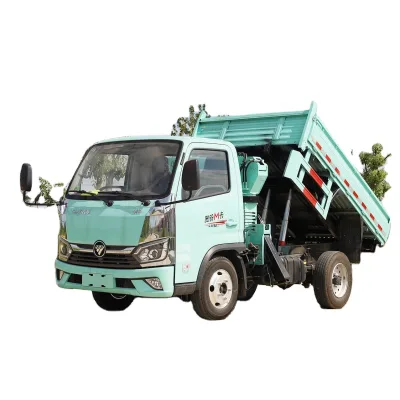

Foton 4X2 6-Ton Truck Mounted Crane Cargo Truck Multifunctional Mobile Crane
$38000.00 - $39800.00
MOQ: 1 set

Stable Quality Foton 6X4 10 Ton Truck Mounted Crane Factory Direct Sales
$47500.00 - $48800.00
MOQ: 1 set


Comprehensive Sourcing Guide
Foton 6x4 Crane Truck Sourcing Guide
Procuring a Foton 6x4 Crane Truck requires a disciplined approach to verifying chassis configurations, crane capacities, and compliance documentation. The 6x4 drive configuration offers a balanced combination of payload capacity and maneuverability, making it suitable for medium-duty lifting operations where stability is paramount. Buyers must distinguish between the truck chassis specifications and the crane unit attributes, as these are often sourced from different specialized manufacturers within the same supply chain. Understanding the interplay between the Foton chassis and the mounted crane system is essential for ensuring operational safety and regulatory compliance in the destination market.
This guide focuses on evidence-based verification steps rather than promotional claims. The observed market data indicates a wide range of product models, including specific chassis codes like CLW5103SCQZ and XCL5251JSQB6, which often correspond to different crane capacities and jib configurations. Buyers should treat observed price ranges and minimum order quantities (MOQ) as indicative of market variability rather than fixed benchmarks. The primary objective is to establish a robust verification framework that protects against misaligned specifications, non-compliant documentation, and unexpected logistical costs during the procurement process.
Product Scope and Observed Listing Signals
The product scope for Foton 6x4 crane trucks encompasses a variety of configurations, primarily distinguished by crane jib type, lifting weight, and chassis brand variations. Observed listings frequently reference models such as CLW5160JSQT4 and CLW5166JSQN5, which may feature different crane capacities ranging from 2-4t to 5-7t. The crane jib configuration is a critical differentiator, with options including straight arm, folding arm, two-arm, three-arm, and four-arm setups. Buyers must carefully match the jib type to their specific operational needs, as a straight arm may offer greater reach while a folding arm provides better transportability and compact storage.
Listing signals also reveal significant variability in chassis and engine specifications. While Foton is a prominent chassis brand, listings may also reference other brands like FAW, HOWO, Shacman, and JAC, indicating that the "Foton" keyword may sometimes refer to the crane manufacturer or a mixed supply chain. Engine power ranges from 90 to 410 HP, and emission standards vary from Euro-I to Euro-V, depending on the target market and manufacturing year. Buyers should verify the exact engine type, noting that 4-stroke, turbocharged, water-cooling engines are common, but the specific horsepower and emission compliance must be confirmed against local regulations.
Technical Specifications to Verify
Technical verification begins with the chassis configuration, specifically the 6x4 drive wheel arrangement, which influences traction and load distribution. Buyers must confirm the steering configuration, as listings may offer Left-Hand Drive (LHD) or Right-Hand Drive (RHD) options, which are critical for regional compliance. The tire specification is another key area, with tubeless and steel wire tires being common, but the exact size, such as 11r22.5, must be verified to ensure compatibility with the intended terrain and load requirements. Misalignment in tire specifications can lead to premature wear or safety hazards during heavy lifting operations.
The crane unit specifications require equally rigorous verification, particularly regarding the maximum lifting weight and height. Observed data suggests capacities between 2-4t and 5-7t, with lifting heights typically under 10m or in the 10-15m range. The overall dimensions and weight of the vehicle are not standardized and can vary significantly based on the crane model and chassis customization. Buyers should request detailed technical drawings that specify the overall dimensions, such as those observed around 599523503200 mm, to ensure the vehicle fits within local road width and height restrictions. Additionally, the transmission type, often manual, should be confirmed to match the operator's skill set and maintenance capabilities.
Compliance and Safety Documentation
Compliance documentation is the cornerstone of safe and legal operation for imported crane trucks. Buyers must verify that the vehicle holds relevant certifications, such as ISO, CE, RoHS, and GS, which indicate adherence to international quality and safety standards. However, the presence of these certifications on a listing does not guarantee that every unit produced meets these standards; buyers must request valid, current certificates for the specific model being purchased. The certification status should be cross-referenced with the destination country's import requirements, as some regions may have additional or conflicting regulatory frameworks.
Safety documentation also includes detailed operational manuals and maintenance guides for both the chassis and the crane unit. Buyers should ensure that the supplier provides comprehensive documentation in the local language, covering emergency procedures, load charts, and routine maintenance schedules. The load chart is particularly critical, as it defines the safe operating envelope for the crane based on jib length, angle, and load weight. Without accurate load charts, operators risk overloading the crane, which can lead to catastrophic failure. Buyers must also verify that the vehicle's weight and dimensions comply with local road transport regulations, as oversized or overweight vehicles may require special permits.
Cost Drivers and Commercial Terms
Cost drivers for Foton 6x4 crane trucks include the chassis brand, engine power, crane capacity, and jib configuration. Higher horsepower engines and larger crane capacities typically command higher prices, while customization options can add significant costs. The observed price range of 1-80000 USD reflects this variability, but buyers should not rely on listed prices as definitive quotes. Actual costs will depend on the specific configuration, exchange rates, and negotiation outcomes. Buyers should request detailed quotations that break down the cost of the chassis, crane, engine, and any additional accessories or customization fees.
Commercial terms such as payment methods, shipping arrangements, and lead times are equally important. Listings often mention packing methods like container or RO-RO ship, which impact shipping costs and insurance premiums. Buyers should clarify whether the quoted price includes transportation, insurance, and customs clearance, or if these are separate costs. The MOQ of 1 suggests that single-unit purchases are possible, but buyers should verify if bulk discounts are available for larger orders. Lead times can vary based on production schedules and shipping availability, so buyers should establish clear delivery timelines and penalties for delays in the purchase agreement.
Supplier Qualification and Quality Control
Supplier qualification is essential to mitigate the risk of receiving substandard or non-compliant vehicles. Buyers should verify the supplier's business license, manufacturing capabilities, and export history. While listings may mention origins in Hubei, China, or other regions, buyers should conduct due diligence to confirm the supplier's physical presence and operational capacity. Requesting references from previous international clients can provide insights into the supplier's reliability and after-sales support. Buyers should also verify the supplier's ability to provide customization services, as many listings indicate that customization is available, but the extent and quality of these services may vary.
Quality control measures should be implemented throughout the procurement process, from initial specification agreement to final delivery. Buyers should consider hiring third-party inspection agencies to conduct pre-shipment inspections, verifying that the vehicle matches the agreed specifications and quality standards. Inspections should cover the chassis, engine, crane unit, and documentation. Buyers should also establish a clear quality assurance clause in the contract, outlining remedies for defects or non-compliance. Regular communication with the supplier during the production process can help identify and resolve issues early, reducing the risk of costly delays or disputes.
Long-Term Procurement Checks
Long-term procurement success depends on establishing a robust after-sales support and maintenance framework. Buyers should verify the availability of spare parts and technical support in their region, as crane trucks require regular maintenance to ensure safe and efficient operation. Suppliers may offer warranty periods, but buyers should clarify the scope of coverage and the process for claiming warranty services. Establishing a relationship with local service providers who are trained to work on Foton chassis and specific crane models can reduce downtime and maintenance costs. Buyers should also consider the total cost of ownership, including fuel consumption, insurance, and routine maintenance, when evaluating the long-term viability of the procurement.
Continuous monitoring of regulatory changes and market trends is essential for long-term procurement planning. Buyers should stay informed about updates to emission standards, road regulations, and safety requirements in their destination market. This proactive approach allows for timely adjustments to procurement strategies and ensures that future purchases remain compliant and competitive. Building a network of industry contacts and participating in trade forums can provide valuable insights into emerging technologies and best practices. By maintaining a disciplined and evidence-based approach to procurement, buyers can secure reliable Foton 6x4 crane trucks that meet their operational needs and regulatory obligations.
FAQs
What chassis brands are available for the Foton 6x4 Crane Truck?
The Foton 6x4 Crane Truck is available with Foton chassis, alongside options like FAW, Foton, HOWO, Shacman, JAC, and DFAC. These trucks support various driving configurations including 4X2, 4X4, 6X2, 6X4, 6X6, 8X4, and 8X8 to suit different operational needs.
Can the Foton 6x4 Crane Truck be customized for specific needs?
Yes, customization is available for the Foton 6x4 Crane Truck to meet specific operational requirements. Buyers can request modifications to the crane jib, lifting capacity, or chassis configuration while ensuring the product remains in new condition and meets standard safety protocols.
Which certifications apply to the Foton 6x4 Crane Truck models?
The Foton 6x4 Crane Truck models hold certifications including ISO, CE, RoHS, GS, and ISOCCC. These certifications ensure the equipment meets international safety and quality standards, providing assurance for buyers sourcing heavy machinery from manufacturers in Hubei, China.
How is the Foton 6x4 Crane Truck packed for shipping?
The Foton 6x4 Crane Truck is packed using container shipping or RO-RO ship methods. Some models may also be shipped in a nude condition with wax polishing to protect the surface during transit, ensuring the equipment arrives safely at the destination port.
What is the maximum lifting weight for the Foton 6x4 Crane Truck?
The maximum lifting weight for the Foton 6x4 Crane Truck ranges from 2 to 7 tons depending on the specific model. Certain configurations support lifting capacities of 5 to 7 tons, while others are rated for 2 to 4 tons, offering flexibility for various load requirements.
Which engine emission standards does the Foton 6x4 Crane Truck meet?
The Foton 6x4 Crane Truck engines comply with Euro-I through Euro-V emission standards. These 4-stroke, turbocharged, water-cooled diesel engines offer power ranging from 90 to 410 HP, ensuring efficiency and compliance with environmental regulations in different global markets.