Source Professional Rechargeable Airbrush Kit for Tattoo, Makeup, Art
Compare 30 Professional Rechargeable Airbrush Kit options featuring USB charging, gravity feed, and adjustable pressure. Buyers can evaluate nozzle sizes, battery capacity, and speed settings for tattoo, makeup, and art painting applications.
Key considerations
Products List
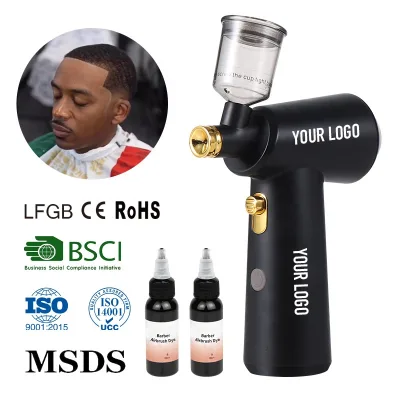
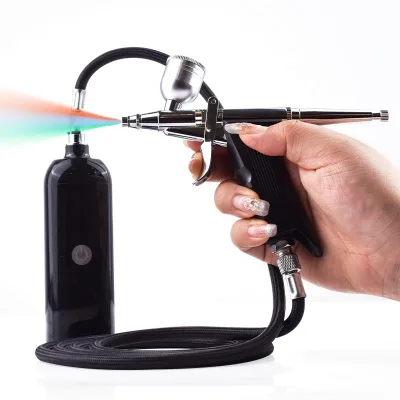
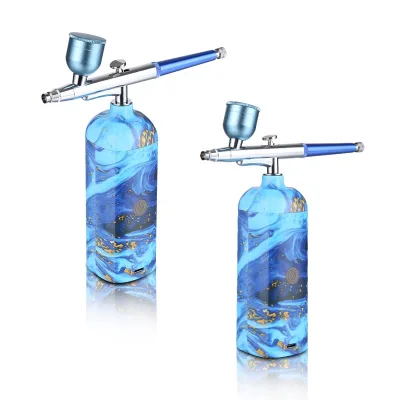
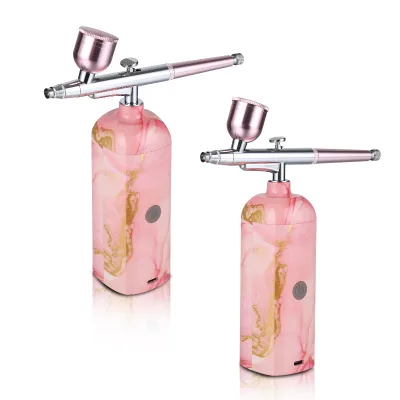
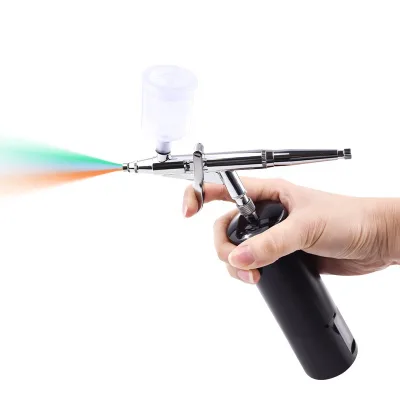
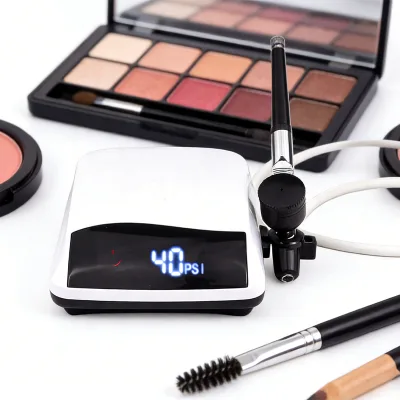


Wholesale Portable Airbrush Kit Auto Handheld Airbrush Gun for Painting Makeup Nail and Manicure
$27.90 - $33.00
MOQ: 100 Pieces


Comprehensive Sourcing Guide
Professional Rechargeable Airbrush Kit Sourcing Guide
Sourcing a Professional Rechargeable Airbrush Kit requires a careful balance between portability and performance, particularly for buyers in the tattoo, makeup, and fine art industries. The market has shifted significantly toward cordless, battery-powered systems that eliminate the noise and bulk of traditional compressors. These kits are designed for mobility, allowing artists to work in confined spaces or on location without being tethered to a power outlet. The core appeal lies in the integration of a high-pressure pump, a precision nozzle, and a rechargeable battery within a single, handheld unit. Buyers must understand that "professional" in this context often refers to the precision of the spray pattern and the reliability of the pressure output, rather than just the absence of a cord.
The observed product landscape reveals a diverse range of configurations, from gravity-feed models to those with adjustable speed settings and various nozzle diameters. Key attributes such as battery capacity, charging type, and maximum pressure vary significantly across listings, necessitating a rigorous verification process. For instance, some units feature 3.7V 1600mAh batteries, while others offer 7.4V 800mAh configurations, directly impacting runtime and power delivery. Similarly, nozzle diameters range from 0.2mm to 0.5mm, each suited for different viscosity materials, from fine tattoo inks to thicker cake decorating icing. This guide provides a structured approach to evaluating these technical variables, ensuring that procurement decisions align with specific operational needs and quality standards.
Product Scope and Observed Listing Signals
The current market for professional rechargeable airbrush kits is characterized by a wide variety of feature sets and material compositions. Listings frequently highlight attributes such as wireless charging capabilities, quiet operation, and fine mist production, which are critical for user comfort and precision. The feed type is predominantly gravity-based, allowing for efficient ink usage and consistent flow, though buyers should verify if other feed mechanisms are available for specialized applications. Materials commonly cited include ABS plastic for the body, copper for internal components, and sometimes aluminum for durability. These material choices influence the weight, heat dissipation, and overall lifespan of the device, making them essential factors in the initial screening of potential suppliers.
Observed listing signals also indicate a strong emphasis on customization and branding options, with many suppliers offering OEM/ODM services and customized logo placements. This suggests that the market is not only serving individual artists but also catering to businesses looking to create private-label products. The presence of multiple speed settings, ranging from two to four gears, allows for greater control over spray patterns and pressure levels. Additionally, the inclusion of various cup capacities, such as 5CC, 10CC, 20CC, and 40CC, provides flexibility for different project scales. Buyers should pay close attention to these variations, as they directly impact the versatility of the kit and its suitability for specific tasks, whether it be detailed tattoo work, makeup application, or large-scale art painting.
Technical Specifications to Verify
When evaluating technical specifications, the battery and power source are paramount for ensuring consistent performance during extended use. Buyers must verify the voltage and capacity of the battery, as these factors determine the runtime and power output of the airbrush. For example, some models offer a 3.7V 1600mAh battery, while others provide a 7.4V 800mAh option, each with distinct charging times and usage durations. The charging type is typically USB rechargeable, which offers convenience but requires confirmation of the charging cable compatibility and charging time, which can range from 45 minutes to 2 hours. Additionally, the rated power, often around 13W ± 10%, should be checked to ensure it meets the energy requirements for sustained operation without overheating.
Pressure and nozzle specifications are equally critical for achieving the desired spray quality and precision. The maximum pressure varies across models, with some units capable of reaching 20psi or 35psi, while others operate within a lower range of 2-15psi. Buyers should match the pressure rating to the viscosity of the materials they intend to spray, as higher pressures are generally required for thicker inks or paints. The nozzle diameter is another key specification, with options typically ranging from 0.2mm to 0.5mm. A 0.2mm nozzle is ideal for fine details, while a 0.5mm nozzle is better suited for broader coverage. It is essential to verify the exact nozzle diameter and material, as these directly affect the spray pattern and clogging potential.
Compliance and Safety Documentation
Safety and compliance are non-negotiable aspects of sourcing professional equipment, particularly when dealing with electrical components and materials that come into contact with skin or food. Buyers must request documentation that confirms the electrical safety of the rechargeable battery and charging system. This includes verifying that the battery meets relevant safety standards for lithium-ion cells, such as protection against overcharging, short-circuiting, and overheating. Suppliers should provide test reports or certificates from recognized laboratories to substantiate these claims, ensuring that the device is safe for both the operator and the end-user.
In addition to electrical safety, material compliance is crucial, especially for applications involving makeup or food decoration. Buyers should inquire about the materials used in the cup, nozzle, and airbrush body, ensuring they are free from harmful substances like lead, mercury, or phthalates. For tattoo applications, the materials must be biocompatible and easy to sterilize to prevent cross-contamination. Documentation such as Material Safety Data Sheets (MSDS) or compliance certificates with relevant regulations, such as FDA or EU standards, should be requested. This due diligence helps mitigate liability risks and ensures that the product meets the stringent safety requirements of professional environments.
Cost Drivers and Commercial Terms
The cost of a Professional Rechargeable Airbrush Kit is influenced by several factors, including the battery capacity, material quality, and level of customization. Higher voltage batteries and more durable materials, such as aluminum or copper, typically command a higher price. Additionally, the inclusion of advanced features like multiple speed settings, adjustable pressure, and fine mist technology can increase the unit cost. Buyers should also consider the cost of customization, such as logo printing or packaging design, which may involve additional fees or minimum order quantities (MOQs). Understanding these cost drivers allows for more accurate budgeting and negotiation with suppliers.
Commercial terms, including MOQs, lead times, and payment terms, play a significant role in the procurement process. Observed MOQs can range from 1 to 500 units, depending on the supplier and the level of customization required. Buyers should clarify these terms early in the negotiation process to avoid unexpected costs or delays. Lead times can vary based on production capacity and order volume, so it is essential to establish a clear timeline for delivery. Payment terms, such as deposits or letters of credit, should be negotiated to ensure financial security. Additionally, warranty terms, typically around one year, should be clearly defined to protect against defects and ensure long-term reliability.
Supplier Qualification and Quality Control
Supplier qualification is a critical step in ensuring the reliability and quality of the sourced airbrush kits. Buyers should conduct thorough due diligence on potential suppliers, verifying their business licenses, manufacturing capabilities, and quality management systems. This includes assessing their production facilities, equipment, and workforce to ensure they can meet the required specifications and volume. Suppliers with a proven track record in the airbrush or cosmetic equipment industry are preferable, as they are more likely to understand the specific needs and standards of the market. Requesting references or case studies from previous clients can provide additional insights into their reliability and service quality.
Quality control measures should be implemented throughout the production process to ensure consistency and reliability. Buyers should establish clear quality standards and inspection criteria, including visual checks, functional tests, and performance evaluations. Pre-production samples should be reviewed and approved before mass production begins, and in-process inspections should be conducted to catch any defects early. Final random inspections should be performed before shipment to verify that the products meet all specifications and quality requirements. Additionally, suppliers should provide a clear process for handling defects and returns, ensuring that any issues are resolved promptly and fairly.
Long-Term Procurement Checks
Long-term procurement success depends on establishing a robust relationship with suppliers and implementing continuous improvement processes. Buyers should regularly review supplier performance metrics, such as on-time delivery, product quality, and responsiveness to issues. This data can be used to identify areas for improvement and negotiate better terms or pricing. Building a strong relationship with suppliers can also lead to better support, such as priority production slots or access to new product developments. Regular communication and feedback loops are essential for maintaining a productive partnership and ensuring that both parties are aligned on goals and expectations.
Continuous monitoring of market trends and technological advancements is also crucial for staying competitive. Buyers should stay informed about new features, materials, and technologies that may enhance the performance or usability of airbrush kits. This includes keeping an eye on changes in battery technology, nozzle design, and pressure regulation systems. By staying ahead of these trends, buyers can make informed decisions about product upgrades and innovations. Additionally, regular audits of the supply chain can help identify potential risks, such as material shortages or logistical disruptions, allowing for proactive mitigation strategies. This proactive approach ensures that the procurement process remains efficient, cost-effective, and aligned with the evolving needs of the market.
FAQs
What power sources does the airbrush kit support?
The kit supports both USB and battery power sources for versatile operation. It features a rechargeable battery with options like 3.7V 1600mAh or 7.4V 800mAh capacities to ensure extended usage during tattoo or makeup applications without needing constant wall outlets.
Which nozzle diameters are available for this airbrush?
Available nozzle diameters include 0.2mm, 0.3mm, 0.4mm, and 0.5mm depending on the specific model configuration. These options allow users to select the fine mist or standard spray needed for detailed tattoo work, makeup application, or general art painting tasks.
How long does the battery last on a single charge?
The device offers an operating time of over 45 minutes after charging for approximately one to two hours. This duration is sufficient for most professional sessions, though actual usage time may vary based on the selected speed settings and pressure requirements.
Can the airbrush be customized with a logo?
Yes, the product supports customized logos with a minimum order quantity of 100 units for branding. This customization is available for OEM and ODM orders, allowing businesses to brand the airbrush kits with their own identity for resale or corporate use.
What is the maximum pressure output of the unit?
The maximum pressure output ranges from 2 to 35 psi depending on the specific model variant selected. Some units operate at 2-15 psi while others reach up to 20 or 35 psi, providing flexibility for different spray techniques and material viscosities.
Which materials are used to construct the airbrush body?
The airbrush body is constructed from durable ABS plastic combined with copper and aluminum components. These materials ensure the device is lightweight yet robust enough for professional use while maintaining the necessary structural integrity for consistent air pressure delivery.
What control mechanisms are included in the design?
The design includes single action push-button controls or dual action press button mechanisms for user preference. These controls allow for precise adjustment of air flow and paint feed, facilitating smooth operation for both beginners and experienced artists in various applications.
Where are these airbrush kits manufactured?
These airbrush kits are manufactured in Zhejiang, China, a known hub for manufacturing such equipment. The products originate from this region, ensuring access to established supply chains and production capabilities for both standard and customized orders.