Source Four-Wheel Driver Farm Tractor for Plowing, Sowing, and Tillage
Compare 30 listings for a four-wheel driver farm tractor with cabin options, featuring gear drive systems and diesel engines. Buyers can evaluate models ranging from 50HP to 80HP for farm, garden, and lawn applications.
Key considerations
Products List
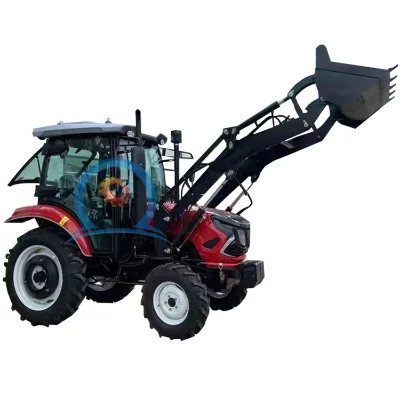
Hot Sale Four Wheel Drive Farm Wheel Tractor with Cabin for Agriculture
$6600.00 - $7000.00
MOQ: 1 sets


Wheel Tractor 4WD/2WD 90HP Agricultural Tractor Farm Tractor with Cabin
$2600.00 - $3200.00
MOQ: 1 Sets


Good Condition 70HP Four Wheel Drive Farm Tractor Comes with Rotary Tiller
$7000.00 - $7600.00
MOQ: 1 Pieces


4WD Farm Agricultural Wheel Tractor with Cabin Agricultural Machinery
$4950.00 - $5300.00
MOQ: 1 Pieces


140HP Farm/Agricultural/Wheel Tractor with Cab Agricultural Machinery
$10800.00 - $10900.00
MOQ: 1 Pieces


Four-Wheel Drive Agricultural Tractor with Roll Cage and Diesel Engine
$4900.00 - $5000.00
MOQ: 1 Pieces
Comprehensive Sourcing Guide
Strategic Sourcing Guide for Four-Wheel Driver Farm Tractors with Cabin
Understanding the Technical Landscape of Modern Agricultural Machinery
When sourcing a four-wheel driver farm tractor with cabin, buyers must first navigate a complex landscape of technical specifications that define operational capability. The core of any agricultural machine is its powertrain, and for the units currently available in the market, the rated power varies significantly. Observed data indicates a range of power outputs, with specific models rated at 50HP, while other listings suggest capacities of 70HP, 75HP, and 80HP. This variance is critical because the horsepower rating directly correlates with the tractor's ability to handle heavy loads, such as deep plowing or operating large rotary tillage implements. The engine configuration is another primary technical differentiator. The most common engine type observed is a four-cylinder, vertical, water-cooled diesel engine, often sourced from brands like Sida. This configuration is preferred for its durability and efficiency in continuous agricultural cycles.
The drive system is the defining characteristic of the "four-wheel driver" classification. While some units are described as having a gear drive or through-drive mechanism, the specific traction capability is often listed as 4WD or a combination of two- and four-wheel drive options. Buyers should verify the exact torque delivery and gear ratios, as these determine the tractor's performance in varying soil conditions. The physical dimensions of the machine also play a pivotal role in field operations. Size classifications range from small to medium, with specific model numbers such as 504, 604, 904, and 304-704 indicating different chassis capacities. The wheelbase, a critical factor for stability on uneven terrain, is observed to range between 1800mm and 2052mm depending on the specific model configuration.
Furthermore, the functional versatility of the tractor is a key technical consideration. These machines are designed for a broad spectrum of agricultural tasks, including rotary tillage, sowing, plowing, fertilizing, and spraying. The inclusion of a cabin is a significant upgrade for operator comfort and safety, though the specific structural integrity and visibility features of the cabin must be verified during the inspection phase. The condition of the machinery is another technical variable; while the majority of new units are listed as "New," some market entries may appear as "Slightly Used," requiring a more rigorous inspection of the engine and transmission history. The service life of these units is generally projected to be between 6 and 10 years, provided that maintenance protocols are strictly followed.
Compliance, Certification, and Regulatory Standards
Navigating the regulatory landscape is essential for international procurement, particularly when importing heavy machinery from regions like Henan, China. Certification serves as the primary evidence of a manufacturer's adherence to safety and quality standards. The most frequently observed certifications for these tractors include CE and ISO. The CE marking indicates conformity with health, safety, and environmental protection standards for products sold within the European Economic Area, while ISO certification suggests adherence to international management system standards. However, buyers must treat these certifications as observations rather than automatic guarantees for every listed product. It is imperative to request valid, up-to-date certification documents directly from the supplier before finalizing any purchase.
Emission standards represent another critical compliance factor. The machinery currently listed often adheres to the Euro II emission standard, which dictates the allowable levels of pollutants such as nitrogen oxides and particulate matter. Depending on the destination country's environmental regulations, Euro II may be sufficient, or it may be necessary to seek models that meet higher standards. The fuel type is predominantly diesel, which aligns with the high torque requirements of agricultural work, but buyers should confirm the specific fuel efficiency and emission compliance of the engine model selected.
In addition to environmental and safety certifications, machinery test reports are a vital component of the compliance package. High-confidence data indicates that some suppliers provide machinery test reports, which offer third-party or internal validation of the tractor's performance metrics. These reports should be scrutinized to ensure they cover the specific model number and power rating being purchased. The absence of such a report should be treated as a red flag, necessitating a request for independent testing or a detailed warranty of performance. Furthermore, the production standards, such as the dimensions 42.21.6M or 310015001970MM, serve as reference points for logistics and customs clearance, but buyers must verify that the actual shipped dimensions match the declared standards to avoid unexpected freight costs.
Cost Drivers and Pricing Dynamics in the Global Market
The pricing of four-wheel driver farm tractors with cabins is influenced by a multitude of factors, ranging from raw material costs to the complexity of the cabin assembly. The observed price range for these units spans from approximately $2,283 to $28,000 USD. This wide disparity is not merely a reflection of brand value but is primarily driven by the technical specifications, particularly the horsepower rating and the inclusion of advanced features. A 50HP unit will naturally command a lower price point compared to an 80HP model, but the presence of a fully enclosed cabin, air conditioning, and advanced hydraulic systems can significantly elevate the cost.
The Minimum Order Quantity (MOQ) is another critical cost driver. The market data shows an MOQ range of 1 to 3 units. For small-scale farms or individual buyers, an MOQ of 1 is highly advantageous, allowing for direct procurement without the need for consortium buying. However, buyers should be aware that purchasing at the lower end of the price spectrum may involve higher per-unit shipping costs if the order quantity is minimal. Conversely, larger orders may unlock volume discounts, though the specific discount structures are not standardized across all suppliers.
Packaging and logistics also contribute to the total cost of ownership. The observed packing methods include thin film, wooden boxes, and nude packing. Wooden box packaging, while more expensive, offers superior protection during long-distance sea freight, reducing the risk of damage to the cabin and delicate components. Nude packing is more cost-effective but requires the buyer to arrange for additional protective measures or assume the risk of transit damage. The origin of the product, specifically Henan, China, influences the base manufacturing cost, but the final landed cost will depend heavily on current freight rates, insurance premiums, and import duties in the destination country. Buyers must calculate the total landed cost, including these variables, rather than focusing solely on the ex-works price.
Typical Applications and Operational Versatility
The primary application of four-wheel driver farm tractors with cabins is in large-scale agricultural operations where efficiency and operator comfort are paramount. These machines are designed to handle demanding tasks such as deep plowing, which requires significant torque and traction. The four-wheel drive system ensures that power is distributed evenly to all wheels, minimizing slippage and maximizing fuel efficiency in soft or muddy soil conditions. The cabin provides a controlled environment for the operator, protecting against dust, noise, and weather elements, which is essential for long working hours during planting and harvesting seasons.
Beyond plowing, these tractors are highly versatile and are frequently used for rotary tillage, sowing, fertilizing, and spraying. The ability to attach various implements makes them suitable for a wide range of crops and farming techniques. For instance, the rotary tillage function is crucial for preparing seedbeds, while the sowing and fertilizing attachments allow for precise application of agricultural inputs. The spraying function is particularly important for crop protection, requiring a stable platform to ensure even coverage. The service life of 6 to 10 years suggests that these tractors are built for long-term use, making them a sound investment for farms looking to modernize their equipment fleet.
The specific usage scenarios also vary based on the size of the tractor. Smaller models, often classified as garden or lawn tractors, may be used for smaller plots or landscaping tasks, while larger models like the 904 or 604 are better suited for extensive farmland. The fuel type, primarily diesel, ensures that the tractor can operate for extended periods without frequent refueling, a critical factor in remote agricultural areas. The condition of the tractor, whether new or slightly used, also impacts its suitability for different applications. New units are ideal for high-intensity commercial farming, while slightly used units may be suitable for smaller operations or those with tighter budget constraints, provided they have been thoroughly inspected and maintained.
Supplier Evaluation and Verification Protocols
Evaluating suppliers for four-wheel driver farm tractors requires a rigorous due diligence process to mitigate risks associated with international trade. The first step is to verify the supplier's location and production capabilities. Many of the listed tractors originate from Henan, China, a region known for its manufacturing base. However, buyers should not assume that all suppliers in this region have the same level of quality control. It is essential to request detailed information about the supplier's factory, including their production capacity, quality assurance processes, and history of exporting similar machinery.
Certification verification is a critical component of supplier evaluation. As noted earlier, CE and ISO certifications are common, but buyers must ensure that these certifications are valid and applicable to the specific model being purchased. Requesting copies of the machinery test reports is another vital step. These reports should be recent and cover the specific performance metrics of the tractor, such as power output, fuel consumption, and emission levels. Suppliers who are transparent and willing to provide these documents are generally more reliable than those who are evasive or unable to produce the necessary paperwork.
The warranty terms are also a key indicator of supplier confidence. A standard warranty period of 1 year is observed in the market, but buyers should carefully review the terms and conditions. Does the warranty cover the engine, transmission, and cabin? What are the procedures for claiming warranty service? Are there spare parts available locally or through the supplier? A robust warranty and a clear after-sales support plan are essential for minimizing downtime and ensuring the longevity of the investment. Additionally, buyers should check the supplier's reputation through third-party reviews or industry references, looking for feedback on product quality, delivery timeliness, and customer service responsiveness.
Quality Control Measures and Long-Term Procurement Considerations
Ensuring the quality of four-wheel driver farm tractors with cabins requires a multi-layered approach to quality control. The initial inspection should focus on the mechanical components, such as the engine, transmission, and hydraulic systems. Buyers should verify that the engine is a four-cylinder, water-cooled diesel unit, as specified in the technical data, and check for any signs of wear or damage. The cabin should be inspected for structural integrity, visibility, and the functionality of all controls and safety features. The wheelbase and overall dimensions should be measured to ensure they match the specifications provided in the product listing.
Long-term procurement considerations extend beyond the initial purchase. The availability of spare parts is a critical factor in the lifecycle of the tractor. Buyers should confirm that the supplier offers a steady supply of genuine parts, including filters, belts, and hydraulic components. The service life of 6 to 10 years implies that the tractor will require regular maintenance, and the availability of technical support is essential for troubleshooting and repairs. Buyers should also consider the fuel efficiency and emission compliance of the tractor, as these factors will impact operating costs and regulatory compliance over time.
The packaging and shipping process also play a role in long-term quality. Proper packaging, such as wooden boxes or thin film, protects the tractor from damage during transit. Buyers should ensure that the packaging is robust enough to withstand the rigors of international shipping and that the supplier provides clear instructions for unpacking and assembly. Finally, buyers should maintain a detailed record of all transactions, including invoices, shipping documents, and warranty certificates, to facilitate future claims and maintenance. By adopting a comprehensive approach to quality control and long-term planning, buyers can ensure that their investment in a four-wheel driver farm tractor with cabin delivers reliable performance and value over its entire service life.
FAQs
What is the rated power of the four-wheel driver farm tractor with cabin?
The rated power is 50HP, though other models offer 70HP, 75HP, or 80HP options. Buyers should verify the specific engine configuration, which is typically a four-cylinder vertical water-cooled diesel unit.
Which certifications apply to the four-wheel driver farm tractor with cabin?
The tractors commonly hold CE and ISO certifications. Buyers must request valid documentation directly from the supplier to confirm these standards apply to the specific model number being purchased.
Can the four-wheel driver farm tractor with cabin be customized?
Yes, customization is available for these units. Buyers should specify their requirements for cabin features or implement compatibility to ensure the modified tractor meets their specific operational needs.
What is the warranty period for the four-wheel driver farm tractor with cabin?
The standard warranty period is 1 year. This coverage typically applies to major components, but buyers should review the specific terms regarding engine and transmission protection before finalizing the purchase.
How does the drive type function in the four-wheel driver farm tractor with cabin?
The drive type is a gear drive with four-wheel drive capability. This configuration ensures even power distribution to all wheels, minimizing slippage during heavy tasks like plowing or rotary tillage.
What is the service life of the four-wheel driver farm tractor with cabin?
The expected service life ranges from 6 to 10 years. This duration assumes strict adherence to maintenance protocols and proper operation within the designed capacity for agricultural tasks.