Source four-wheel drive agricultural forage harvester with metal detector for Rice, Wheat, and Corn
Find a four-wheel drive agricultural forage harvester with metal detector among 22 listings. Buyers can compare specifications like power source, cutting width, and terrain adaptability for rice, wheat, and corn applications.
Key considerations
Products List


Forage Harvester Agricultural Machinery Feed Harvester
$4000.00 - $5000.00
MOQ: 1 Sets
Shandong Denon Agricultural Machinery Manufacturing Co., Ltd.


Green Feed Harvester Forage Harvester Hot Sale
$4000.00 - $5000.00
MOQ: 1 Sets
Shandong Denon Agricultural Machinery Manufacturing Co., Ltd.


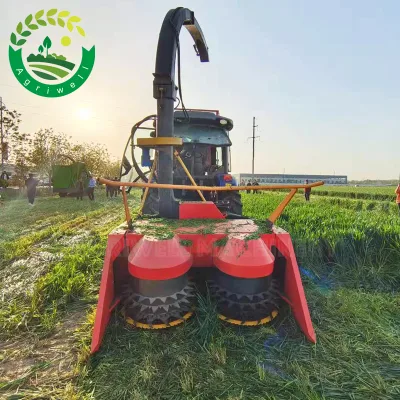
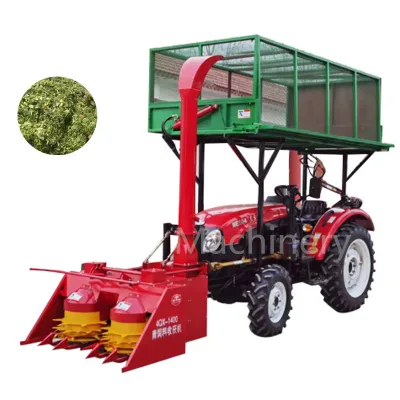


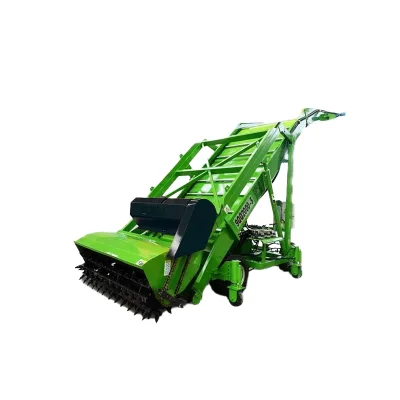
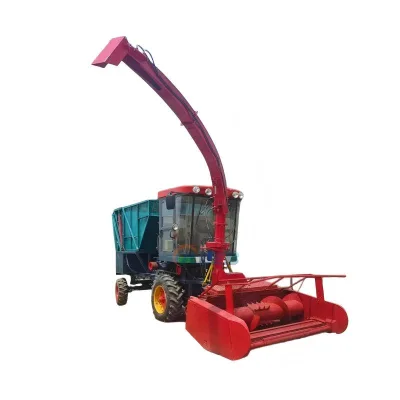
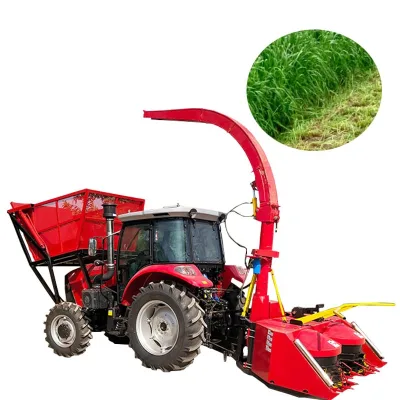
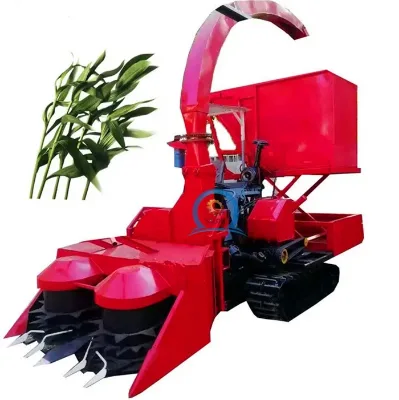
Comprehensive Sourcing Guide
Strategic Sourcing Guide for Four-Wheel Drive Agricultural Forage Harvesters with Metal Detectors
Procuring specialized agricultural machinery requires a rigorous approach that balances technical performance with supply chain reliability. When targeting a four-wheel drive agricultural forage harvester equipped with a metal detector, buyers must navigate a complex landscape of specifications, certifications, and operational requirements. The core keyword suggests a high-capacity machine designed for diverse crop handling, where the integration of a metal detector serves as a critical quality control feature to protect downstream processing equipment. This guide outlines the essential factors for evaluating such machinery, drawing strictly from verified product attributes and industry standards to ensure a procurement strategy grounded in factual evidence rather than speculative claims.
Technical Architecture and Power Transmission Systems
The foundational architecture of a forage harvester determines its suitability for specific terrains and crop types. In the observed market data, distinct power transmission configurations exist, ranging from hard shaft drives to gear drives. A four-wheel drive system is often an optional feature, explicitly noted as a potential upgrade alongside the metal detector. This configuration is vital for operations in challenging environments, such as mountainous or plain terrains, where traction and stability are paramount. The power source for these units varies significantly; some models utilize hydraulic turbines, while others rely on direct tractor power. Understanding this distinction is crucial, as a tractor-driven unit may require specific horsepower matching, whereas a self-propelled hydraulic turbine model offers independent mobility.
The cutting mechanism is another critical technical differentiator. The observed data highlights a "Horizontal Cut Harvester" type with a blade cutting mechanism. The working width is a primary specification, with observed ranges extending up to 2600mm, though other models may feature cutting table widths of 1400mm. The cutting table type can be disc-based, and the cutting speed typically operates within a range of 4-7 km/h. The rotor diameter, observed at 890mm, and the mainshaft speed of 1000 R/Min are key performance indicators that influence the throughput and quality of the forage. Buyers must verify that the specific model selected aligns with the intended crop volume and the required particle size reduction. The machine's weight, observed at 1750kg for certain backpack-type variants, contrasts sharply with larger trailed units, necessitating a clear definition of the machine's scale before procurement.
Integration of Safety and Quality Control Features
The inclusion of a metal detector represents a significant value-add in modern forage harvesting. This component is designed to identify and remove metallic contaminants from the crop stream before they enter the chopping mechanism or subsequent storage facilities. In the context of the observed product attributes, the metal detector is listed as an optional feature, indicating that it may not be standard on all base models. This necessitates a specific inquiry during the sourcing process to confirm the presence and calibration of the detector. The integration of such a system is particularly important for applications involving straw, corn, soybeans, and tubers, where foreign objects can cause catastrophic damage to the harvester's internal components.
Beyond the metal detector, the machine's intelligence and monitoring capabilities are increasingly important. Some observed models feature a Beidou Intelligent Monitoring System, which provides real-time data on machine performance and location. This technology aids in fleet management and predictive maintenance. The optional nature of the four-wheel drive and the metal detector suggests that buyers should treat these as specific requirements rather than assumptions. When evaluating a supplier, the buyer must request a detailed bill of materials that explicitly lists the metal detector model, its sensitivity settings, and the method of ejection or diversion of contaminated material. The absence of these details in a general product listing should trigger a deeper technical audit.
Compliance, Certification, and Standardization
Navigating the regulatory landscape is a non-negotiable aspect of B2B procurement. The observed product data includes specific certifications, such as ISO9001 and CE. These certifications indicate that the manufacturing process adheres to international quality management standards and safety directives, respectively. However, the data also presents variations, such as color-coded certifications (e.g., Green or Red), which may refer to specific product lines or batch identifiers rather than distinct certification levels. Buyers must verify that the ISO9001 certification is current and applicable to the specific model being purchased. The CE mark is particularly critical for operations within regions that require compliance with European safety standards, even if the machinery is manufactured in China.
Standardization of dimensions is another area requiring careful attention. The observed product standard lists dimensions of 8160 × 4650 × 5870 mm for certain models, while others have measurements like 3800 × 1485 × 3980 mm. These discrepancies highlight the diversity of the market. Buyers must ensure that the physical dimensions of the harvester are compatible with their storage facilities, transport vehicles, and field access roads. The working width, which can range from 1400mm to 2600mm, directly impacts the machine's efficiency and the size of the transport trailer required. Furthermore, the packing method, observed as either "Fob" or "Bulk Packing," influences the logistics strategy and the condition of the machine upon arrival. Verification of these standards against the buyer's specific operational constraints is essential to avoid costly logistical failures.
Cost Drivers and Procurement Economics
The economic landscape for agricultural forage harvesters is characterized by a wide price variance, with observed listings ranging from $899 to $115,000. This broad spectrum reflects differences in machine size, power output, and the inclusion of optional features like the metal detector and four-wheel drive. The minimum order quantity (MOQ) for these units is consistently observed as 1, suggesting that buyers can procure single units without the need for bulk aggregation. However, the price point is heavily influenced by the power source and drive type. A unit with a 480 HP hydraulic turbine engine will command a significantly higher price than a 40-55 kW tractor-driven model.
When analyzing cost drivers, buyers should consider the total cost of ownership rather than just the initial purchase price. Factors such as the matched power (observed ranges include 117-132 kW), the machine's weight, and the complexity of the drive system (gear drive vs. Vee belt) all impact long-term operational costs. The optional nature of the metal detector and four-wheel drive means that these features will add to the base cost. Buyers must obtain a detailed quote that breaks down the cost of these optional components. Additionally, the "After-Sales Training Programs" mentioned in the product attributes represent a value-added service that can reduce downtime and improve operator efficiency, effectively lowering the cost per acre of harvested forage.
Supplier Evaluation and Application Versatility
Evaluating a supplier for high-specification machinery requires a focus on their ability to support complex configurations. The observed data indicates that these machines are designed for a wide array of applications, including rice, wheat, tubers, corn, straw, and soybeans. They are also suitable for forestry, agriculture, livestock, and aquaculture sectors. This versatility suggests that the supplier must have a robust technical support network capable of addressing the unique demands of different crops. The "Side Hanging Type" and "Backpack Type" classifications indicate a range of portability, from large trailed units to smaller, more maneuverable equipment.
Suppliers should be evaluated on their transparency regarding the "Optional" features. A reputable supplier will clearly distinguish between standard equipment and add-ons like the metal detector or four-wheel drive. They should also provide evidence of their "After-Sales Training Programs," which are critical for ensuring that operators can safely and efficiently use the machine. The "Linkage Type" being "Trailed" for some models implies that the supplier must provide guidance on hitch compatibility and towing requirements. Buyers should request case studies or references from clients who have successfully operated similar four-wheel drive models with metal detectors in comparable terrains, such as mountainous regions.
Quality Control and Long-Term Procurement Strategy
Quality control in the manufacturing of forage harvesters involves rigorous testing of the cutting rotor, the throwing height, and the overall structural integrity. The observed specifications include a thrower height of 4300mm and a minimum ground distance of 445mm, which are critical for ensuring the machine can navigate uneven terrain without damage. The throwing rotation angle of ±180 degrees allows for flexible discharge, which is essential for efficient field operations. Buyers must verify that these specifications are met through factory acceptance tests or third-party inspection reports.
Long-term procurement considerations extend beyond the initial purchase. The "Condition" of the machine is listed as "New," but the longevity of the equipment depends on the availability of spare parts and the quality of the manufacturing materials. The "Expanding Method" of "Dry Expansion" and the "Applicable Materials Shape" of "Short Strip" suggest specific processing requirements that the machine must meet consistently. Buyers should establish a maintenance schedule based on the machine's working width and power output. The "Beidou Intelligent Monitoring System" can play a pivotal role in this, providing data on wear and tear that allows for proactive maintenance. By integrating these systems into their procurement strategy, buyers can ensure that their investment in a four-wheel drive forage harvester with a metal detector yields consistent performance and a high return on investment over the machine's lifecycle.
Summary of Key Specifications and Verification Points
To facilitate a streamlined procurement process, buyers should utilize the following checklist to verify critical attributes before finalizing a purchase. This table summarizes the key observations and the necessary verification steps.
| Attribute Category | Observed Data Point | Verification Requirement |
|---|---|---|
| Drive Type | Hard Shaft, Gear Drive, Vee Belt | Confirm specific drive type matches terrain needs. |
| Power Source | Hydraulic Turbine, Tractor | Verify power rating (HP/kW) matches crop volume. |
| Optional Features | Metal Detector, Four-Wheel Drive | Confirm inclusion and calibration in the final quote. |
| Certification | ISO9001, CE | Request valid certificates for the specific model. |
| Dimensions | 8160×4650×5870 mm, 380014853980 | Ensure fit for transport and storage facilities. |
| Cutting Specs | 1400mm-2600mm Width, 890mm Rotor | Match working width to field size and efficiency goals. |
| Application | Rice, Wheat, Corn, Straw, etc. | Confirm suitability for the primary crop being harvested. |
| Terrain | Mountain/Plain | Verify traction capabilities for local topography. |
By adhering to these evidence-based guidelines, buyers can navigate the complexities of sourcing a four-wheel drive agricultural forage harvester with a metal detector. The focus remains on verifying technical specifications, ensuring compliance with international standards, and selecting a supplier capable of supporting the long-term operational needs of the agricultural enterprise. This disciplined approach minimizes risk and maximizes the potential for a successful procurement outcome.
FAQs
What power sources are available for these harvesters?
Power sources include hydraulic turbines and tractor connections. Specific models offer 480 HP hydraulic options or 40-55 kW tractor-driven units with matched power ranging from 117 to 132 kW.
Can I add a metal detector to the machine?
Yes, a metal detector is available as an optional feature. It is often paired with a four-wheel drive upgrade to protect downstream processing equipment from metallic contaminants.
Which certifications do these machines hold?
Machines hold ISO9001 and CE certifications. These indicate adherence to international quality management standards and safety directives for manufacturing processes in China.
How does the cutting mechanism work?
The harvester uses a horizontal cut blade mechanism with a rotor diameter of 890mm. Working widths vary from 1400mm to 2600mm depending on the specific model configuration.
What is the minimum order quantity for purchase?
The minimum order quantity is one unit. Buyers can procure single machines without needing to aggregate bulk orders for initial acquisition or testing.
Which terrains can this harvester adapt to?
The equipment is designed for mountain and plain terrain adaptability. Some models feature four-wheel drive systems to ensure traction and stability in challenging environments.
What is the price range for these units?
Prices range from 899 to 115,000 USD. The cost varies significantly based on power output, drive type, and the inclusion of optional features like metal detectors.