Source Four-Wheel Aligner for Tire Shops, 4S Workshops, and Body Shops
Compare 30 four-wheel aligner options featuring infrared or Bluetooth communication, CE certifications, and independent software. These electronic units support wheel angle adjustments and are suitable for tire shops, 4S workshops, and body shops with new condition availability.
Key considerations
Products List


Automatic Beam Movement Wheel Alignment Wheel Aligner Wheel Alignment
$2000.00 - $3500.00
MOQ: 1 Pieces


Wholesale High Quality Car Aligner Equipment 4 Wheel Alignment Machine for Sale
$1350.00 - $1380.00
MOQ: 1 Sets


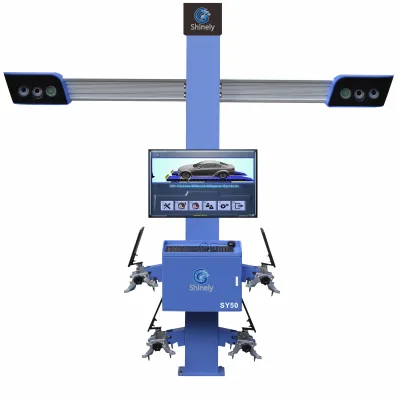
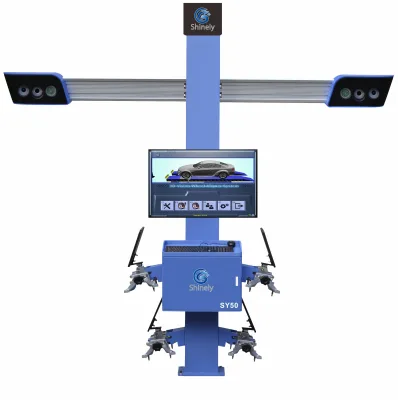


Negotiable
MOQ: 1 Pieces

Comprehensive Sourcing Guide
Strategic Sourcing Guide for Four-Wheel Aligners
Procuring a four-wheel aligner represents a significant capital investment for automotive service facilities, tire shops, and body repair centers. The decision-making process requires a rigorous evaluation of technical capabilities, regulatory compliance, and long-term operational viability. Unlike general automotive tools, wheel alignment systems demand high precision, robust software integration, and specific physical configurations to handle diverse vehicle types. This guide synthesizes observed market data and technical attributes to provide a structured framework for buyers navigating the global supply chain for these critical diagnostic machines.
Technical Architecture and System Configuration
The core functionality of a four-wheel aligner relies on the interaction between optical sensors, communication protocols, and software logic. Based on current market observations, the industry offers distinct configurations ranging from electronic structures to fully automated lifting systems. Buyers must first distinguish between the communication modes available, as this dictates the installation flexibility and data transfer reliability. The market currently presents units utilizing Infrared Wireless Communication, Bluetooth Wireless Communication, and traditional Wire Communication. Each mode carries distinct implications for cabling complexity and signal interference resistance in a busy workshop environment.
The structural design of the alignment beams is another critical differentiator. Some units feature an Automatic Lifting Beam, which facilitates rapid positioning over various vehicle heights without manual adjustment, while others utilize a Fixed Beam structure. The choice between these depends heavily on the specific vehicle mix the workshop services. For instance, a facility handling heavy-duty trucks may require a system with a Post Maximum Height of 2550mm and a Beam Maximum Length of 2760mm to ensure clearance and stability. Conversely, standard passenger car shops might prioritize a more compact footprint.
Software independence is a paramount technical attribute. Modern aligners often operate with Independent Software, allowing for customization and updates without reliance on proprietary hardware locks. The display accuracy is another non-negotiable metric; high-end units boast a Display Accuracy of 0.01mm and 0.01 degrees, ensuring that minute deviations in wheel angles are captured and corrected. The user interface typically supports Global Multi-Language or Multi-Language options, which is essential for international workshops or facilities with diverse staff. Furthermore, the hardware often includes a Monitor and 1 TV setup to provide multiple viewing angles for technicians during the alignment process.
Compliance, Certification, and Regulatory Standards
Navigating the regulatory landscape is essential for ensuring that purchased equipment meets safety and quality mandates. The supply chain for four-wheel aligners is heavily populated with products carrying CE certification, which is a standard requirement for entry into many international markets. Beyond the CE mark, specific models may also hold GS certification, indicating a higher level of safety compliance in certain jurisdictions. Buyers should verify that the certification status applies to the specific model number they intend to purchase, as compliance is not always uniform across a manufacturer's entire product line.
In addition to safety certifications, the product standards define the baseline quality of the machinery. The observed market includes units adhering to a generic "Standard" classification, while others are explicitly defined by their standard type, such as "3D" technology. The 3D standard implies the use of advanced camera-based systems for capturing wheel angles, offering superior accuracy compared to older 2D laser or CCD systems. It is crucial to confirm that the "3D" designation is supported by the specific model's technical documentation.
For facilities operating in regions with strict industrial equipment regulations, verifying the "CE approved" status is mandatory. The presence of certifications like CE and ISO suggests that the manufacturing process adheres to international quality management systems. However, buyers must treat these certifications as observations of specific listed products rather than universal guarantees for all units in a category. Due diligence requires requesting valid certification documents for the exact model, such as the AG400, AG-100, or ACO-100, to ensure they are current and applicable to the intended region of operation.
Cost Drivers and Economic Factors
The pricing structure for four-wheel aligners is influenced by a complex interplay of technology, build quality, and included accessories. The observed market price range spans from 140 USD to 6000 USD, reflecting a vast disparity between entry-level and high-end professional systems. This wide variance is driven by several key factors. First, the complexity of the communication system and the precision of the sensors significantly impact cost. Units with Infrared or Bluetooth capabilities and high display accuracy (0.01mm) generally command higher prices than basic wired systems.
Second, the inclusion of auxiliary equipment acts as a major cost driver. Many suppliers offer bundles that include optional machines such as Car Lifts, Tyre Changers, and Wheel Balancers. A system marketed with "Wheel Angles Adjust, Lift and Tyre Repair" functions inherently carries a higher price point than a standalone alignment unit. The physical dimensions and weight also influence logistics costs; for example, a unit with a Gross Weight of 170kgs or a Neight Weight of 255kg requires specialized shipping and handling, which can be factored into the final landed cost.
Packaging and volume are additional economic considerations. Products shipped in Plywood Box Packages or Wooden Cases incur different freight costs based on their dimensions. A packing size of 29207301410mm or a volume of 1.2cbm for 2 packages will result in higher shipping fees compared to more compact units. Buyers should also consider the warranty terms, which range from 18 Months to 3 Years. A longer warranty period often correlates with a higher initial purchase price but reduces the total cost of ownership over the equipment's lifecycle.
Operational Applications and Facility Integration
Understanding the intended application is vital for selecting the right four-wheel aligner. The market data indicates that these systems are primarily designed for Tire Shops, Body Shops, and 4S Workshops. However, the specific requirements of a "Garage Equipment" setup may differ from a high-volume "4s Store." A facility specializing in body repair might require a system with a robust structure capable of handling vehicles with significant frame damage, necessitating a higher Post Maximum Height and a stable Fixed Beam.
The functional scope of the aligner must align with the shop's service menu. Some units are specialized for "Wheel Angles Adjust," while others offer a broader suite of functions including "Lift and Tyre Repair." The target unit count is another consideration; systems designed for a "4 Units" target capacity are optimized for multi-bay operations, whereas single-unit systems suit smaller garages. The color options, such as Red, Blue, or Orange, while aesthetic, may also serve as a branding tool for the workshop, though this is secondary to functional performance.
Integration with existing workshop infrastructure is also a key application factor. The power supply requirements, typically 220V/380V, must match the facility's electrical grid. Furthermore, the software's ability to communicate with other diagnostic tools or inventory management systems can streamline operations. The "Mainly Market" designation often highlights the primary use case, such as "Auto Wheel Alignment" or "Service Center," guiding buyers toward models optimized for their specific workflow.
Supplier Evaluation and Quality Assurance
Evaluating suppliers requires a focus on transparency and the verifiability of product attributes. Buyers should prioritize suppliers who provide detailed specifications for their models, such as the AG-300, VWA YT L2, or S-G7. The presence of specific data points, such as the "Box Unit Size" of 500240540mm or the "Packing and Volume" details, indicates a level of professionalism and attention to detail in the supply chain.
Quality control should be a central part of the supplier selection process. While the observed products are listed as "New," buyers must verify the condition of the equipment upon delivery. The "Standard" classification and "3D" standard mentioned in the product data should be cross-referenced with the physical build quality. For instance, a unit with a "Wooden Case" packing suggests a higher level of protection during transit, which is crucial for delicate optical sensors.
Buyers should also scrutinize the "Optional Machines" offered by the supplier. A supplier that provides a comprehensive ecosystem of equipment, including Car Lifts and Wheel Balancers, demonstrates a commitment to the full lifecycle of automotive service. However, this should not come at the expense of the core alignment unit's quality. The warranty period, whether 18 Months or 3 Years, serves as a proxy for the supplier's confidence in their product's durability. A longer warranty often implies better quality control and after-sales support.
Long-Term Procurement and Lifecycle Management
The procurement of a four-wheel aligner is not a one-time transaction but the beginning of a long-term partnership. The "Customization: Available" attribute suggests that suppliers may offer tailored solutions, which can be valuable for workshops with unique needs. However, buyers must ensure that any customization does not compromise the standard certifications or the core functionality of the machine.
Maintenance and support are critical for the longevity of the equipment. The "Independent" software nature of many units allows for easier updates and troubleshooting, reducing downtime. Buyers should inquire about the availability of spare parts and the technical support structure provided by the supplier. The "Global Multi-Language" support is a positive indicator of a supplier's capacity to serve international clients, but local language support for technical issues is equally important.
Finally, the total cost of ownership must be calculated over the expected lifespan of the machine. While the initial price range is 140-6000 USD, the cost of consumables, software licenses, and potential repairs must be factored in. The "18 Months" to "3 Years" warranty period provides a buffer against early failures, but buyers should plan for post-warranty maintenance costs. By carefully analyzing the technical specifications, compliance status, and supplier reliability, buyers can make informed decisions that ensure their four-wheel aligner remains a productive asset for years to come.
Comparative Analysis of Key Specifications
To assist in the decision-making process, the following table summarizes the key technical and operational attributes observed in the current market. This comparison highlights the diversity of options available and the specific parameters buyers should prioritize based on their facility's needs.
| Attribute Category | Observed Options | Key Considerations for Buyers |
|---|---|---|
| Communication Mode | Infrared Wireless, Bluetooth Wireless, Wire Communication | Assess workshop layout for signal interference; wireless offers flexibility, wired offers stability. |
| Beam Structure | Automatic Lifting, Fixed | Automatic lifting suits high-volume shops; Fixed beams may be more robust for heavy vehicles. |
| Display Accuracy | 0.01mm / 0.01° | Critical for precision alignment; higher accuracy reduces rework and improves customer satisfaction. |
| Power Supply | 220V / 380V | Must match facility electrical infrastructure; 380V often required for heavy-duty industrial units. |
| Warranty Period | 18 Months, 3 Years | Longer warranty indicates higher confidence in build quality; verify coverage terms. |
| Certification | CE, ISO, GS | Essential for regulatory compliance; verify specific model certification status. |
| Product Standard | Standard, 3D, LENOVO Brand Computer | 3D standard implies advanced camera technology; verify if "Computer" refers to the control unit. |
| Packing Type | Plywood Box, Wooden Case | Wooden cases offer superior protection for heavy or delicate components during shipping. |
| Target Application | Tire Shop, Body Shop, 4S Workshop, Garage | Match machine capacity (e.g., Post Height, Beam Length) to vehicle types serviced. |
| Model Examples | AG400, AG-100, ACO-100, S-G7, VWA YT L2 | Research specific model reviews and technical datasheets for detailed performance metrics. |
By systematically evaluating these factors, buyers can navigate the complexities of the four-wheel aligner market with confidence, ensuring that their investment aligns with both immediate operational needs and long-term strategic goals.
FAQs
What communication modes are available for four-wheel aligners?
Four-wheel aligners utilize Infrared Wireless, Bluetooth Wireless, or Wire Communication modes. Buyers should select the mode that best fits their workshop cabling setup to ensure reliable data transfer and minimize signal interference during operation.
Which certifications are commonly found on these machines?
Common certifications include CE, ISO, and GS marks. These indicate compliance with international safety and quality standards, but buyers must verify that the specific model number holds valid documentation for their region before purchase.
How does the beam structure affect the aligner selection?
Units feature either Automatic Lifting or Fixed Beam structures. An automatic lifting beam facilitates rapid positioning for various vehicle heights, while a fixed beam offers stability for specific workshop layouts and vehicle types.
Can I find four-wheel aligners with independent software?
Yes, many models operate with Independent Software allowing for customization and updates. This feature ensures the system is not locked to proprietary hardware, providing greater flexibility for workshop management and future upgrades.
What is the typical warranty period for this equipment?
Warranty periods typically range from 18 months to 3 years. A longer warranty often correlates with higher build quality and indicates the supplier's confidence in the machine's durability and after-sales support capabilities.
Which specifications define the physical capacity of the unit?
Key physical specs include a Post Maximum Height of 2550mm and a Beam Maximum Length of 2760mm. These dimensions ensure the system can accommodate heavy-duty trucks and large vehicles in addition to standard passenger cars.
What packaging options are used for shipping these aligners?
Products are shipped in Plywood Box Packages or Wooden Cases to protect delicate optical sensors. The packaging volume, such as 1.2cbm for two packages, impacts freight costs and must be considered in the total landed price.