Source FPV Receiver for Drones, RC Cars, and UAVs
Explore 30 FPV Receiver options tailored for drones, RC cars, and UAVs. Buyers can compare specifications like frequency, gain, and input voltage to find the right component for their communication wiring harness needs; compare the available evidence and request quotations based on your requirements.
Key considerations
Products List


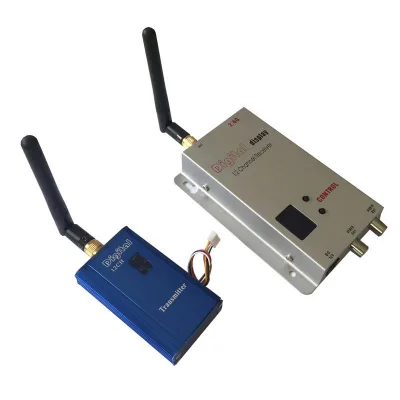
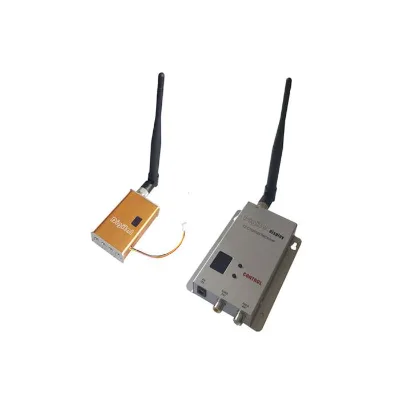
FPV Aerial camera digital video wireless transmitter receiver for drone
$5500.00 - $8000.00
MOQ: 2 Pieces

UAV MIMO long range wifi fpv wireless video transmitter and receiver
$4000.00 - $5500.00
MOQ: 2 Pieces






Comprehensive Sourcing Guide
FPV Receiver Sourcing Guide
Procuring FPV receivers requires a nuanced understanding of signal transmission protocols and hardware compatibility. Buyers must distinguish between analog video receivers and digital COFDM systems, as the latter offers superior range and resistance to interference. The observed market includes specialized components like the 5.8g 2.5W video transmitter, which often pairs with compatible receivers in drone accessories. Understanding the specific frequency bands, such as 1230-1550MHz for COFDM or 5.8GHz for analog, is critical for ensuring system integrity.
The industry type for these components is primarily communications wiring harnesses, indicating a focus on reliable signal transmission rather than general power delivery. Buyers should verify if the receiver supports vertical or horizontal polarization, as this affects antenna orientation and signal stability. Omnidirectional antennas are common for general coverage, while directional options may be needed for long-range applications. The working current and input voltage ranges, such as DC7-36V, dictate power management strategies for the host device.
Product Scope and Observed Listing Signals
The current market landscape for FPV receivers includes a variety of models with distinct operational characteristics. Listings show a price range from $1.5 to $8000, reflecting the disparity between basic analog units and high-end digital systems. The minimum order quantity (MOQ) typically ranges from 1 to 100 units, allowing for both prototyping and bulk procurement. Buyers should note that customization is available, enabling tailored solutions for specific drone frames or control systems.
Observed product attributes highlight the importance of technical specifications like VSWR and gain. For instance, some receivers exhibit a VSWR of less than 1.5, indicating efficient power transfer, while others may have a VSWR of 2. The weight of components, such as 14.7g for certain antennas, impacts the overall payload capacity of the drone. Buyers must carefully review the product name and model numbers, such as GW-96933 or GC-99632A, to ensure compatibility with existing ground station equipment.
Technical Specifications to Verify
Verifying technical specifications is paramount to avoiding integration failures. Buyers must confirm the input voltage range, such as DC 3.3-5.0V or DC7-36V, to match the power supply of the drone’s battery system. The working current, which can vary from 120mA to 860mA depending on the power output, affects battery life and thermal management. It is essential to check the video input impedance, typically 75Ω, to ensure proper signal matching with the video source.
Frequency range and modulation type are critical differentiators. COFDM receivers operating in the 1230-1550MHz band offer robust performance in complex environments. Buyers should verify the RX sensitivity, such as -106dBm at a 1.25MHz bandwidth, to assess long-range capabilities. Additionally, the antenna interface, often MMCX, must be compatible with the chosen antenna type. Polarization, whether vertical or horizontal, must align with the transmitter’s output to maximize signal strength and minimize dropouts.
Compliance and Safety Documentation
While specific certification statuses are not universally listed, buyers should prioritize suppliers who adhere to international safety and electromagnetic compatibility standards. The operating temperature range, typically -10°C to 60°C or -40°C to 55°C, indicates the environmental robustness of the device. Buyers must ensure that the product documentation includes test results for thermal stability and electromagnetic interference (EMI) shielding.
Standard video formats like NTSC and PAL are commonly supported, but buyers should verify compatibility with their specific display equipment. The product origin, often Guangdong, suggests a concentration of manufacturing expertise in this region. However, buyers should request detailed material safety data sheets (MSDS) for components, especially those involving plastic housings or copper wiring. Ensuring that the supplier provides clear warranty terms and return policies is crucial for mitigating risk in case of hardware failure.
Cost Drivers and Commercial Terms
Several factors influence the final cost of FPV receivers. The complexity of the internal circuitry, such as COFDM modulation versus analog processing, significantly impacts pricing. Materials used, including high-quality copper cables like RG141, contribute to durability and signal integrity but increase manufacturing costs. Customization options, such as tailored connector types or specific housing dimensions, add to the unit price due to setup and tooling expenses.
Commercial terms vary based on order volume and customization requirements. Buyers should negotiate clear definitions of what constitutes a "customized" product to avoid unexpected charges. The gross weight per batch, often around 1kg, affects shipping costs, especially for international orders. Lead times can be influenced by the availability of specific components, such as high-gain antennas or specialized chips. Buyers should clarify payment terms and currency options to manage financial risk effectively.
Supplier Qualification and Quality Control
Evaluating supplier qualifications is essential for ensuring consistent product quality. Buyers should verify the supplier’s experience in the communications wiring harness industry and their track record with drone accessories. Requesting samples for rigorous testing is a critical step before placing large orders. Buyers should assess the supplier’s quality control processes, including incoming material inspection and final product testing.
The structure form of the antenna, such as wire antennas, requires careful inspection for mechanical durability. Buyers should check for consistent polarization and directionality across multiple units to ensure uniform performance. The supplier’s ability to provide detailed technical support and troubleshooting assistance is a valuable indicator of their reliability. Establishing a clear communication channel for addressing defects or performance issues is vital for long-term partnership success.
Long-Term Procurement Checks
Long-term procurement success depends on continuous monitoring of product performance and supplier reliability. Buyers should establish key performance indicators (KPIs) for signal stability, battery life, and failure rates. Regular audits of the supplier’s quality control processes help maintain high standards. Buyers should also stay updated on technological advancements in FPV systems to ensure their procurement strategy remains competitive.
Supply chain resilience is crucial, especially for components with specialized materials or custom configurations. Buyers should diversify their supplier base to mitigate risks associated with single-source dependencies. Monitoring market trends for new frequency bands or modulation techniques allows for proactive upgrades. Maintaining open dialogue with suppliers regarding future product roadmaps ensures that procurement decisions align with evolving industry standards and customer demands.
FAQs
What is the input voltage range for the 5.8g video transmitter?
The input voltage range is DC7-36V, supporting 2-8s batteries. This wide range ensures compatibility with various power sources used in drone applications. The device operates reliably within this voltage span to maintain stable video transmission performance.
Which antenna interface is used for the video transmitter?
The antenna interface used is MMCX. This standard connector type allows for secure attachment of compatible antennas. It ensures a reliable connection for signal transmission in the 5.8g frequency band for optimal video quality.
Can the product support both transmitting and receiving operations?
Yes, the product supports both transmitting and receiving antenna operations. It functions as a dual-purpose unit for wireless communication. This capability allows it to handle bidirectional data flow effectively in FPV systems.
What is the operating temperature range for the receiver antenna?
The operating temperature range is -40 to 55 degrees Celsius. This wide range ensures functionality in extreme environmental conditions. The device remains reliable whether used in cold or hot climates during outdoor operations.
How is the wire core material specified for the harness?
The wire core material is specified as Steel Wire. This material choice provides necessary strength and durability for the wiring harness. It ensures the cable can withstand mechanical stress during installation and operation.
What is the VSWR value for the antenna performance?
The VSWR value is less than 1.5 for optimal performance. This low value indicates efficient power transfer with minimal reflection. It ensures the antenna operates effectively without significant signal loss in the system.
Which standard video formats are supported by the transmitter?
The transmitter supports NTSC and PAL video standards. These are the two most common analog video formats used globally. This compatibility ensures the device works with a wide range of existing video equipment and monitors.
What is the working current range at 12 volts?
The working current ranges from 120 to 860mA at 12 volts. This range accommodates different power consumption levels depending on the output power setting. It allows for flexible power management in various drone configurations.