Source Front Strut Mount Mounting Kits for Ford, Chevrolet, and Hyundai
Compare 15 Front Strut Mount Mounting Kits from verified Chinese suppliers. Options include steel and rubber variants for Ford, Chevrolet, Hyundai, and other brands. Evaluate specifications, MOQs, and delivery times to find the right suspension components for your automotive needs.
Key considerations
Products List



Comprehensive Sourcing Guide
Front Strut Mount Mounting Kits Sourcing Guide
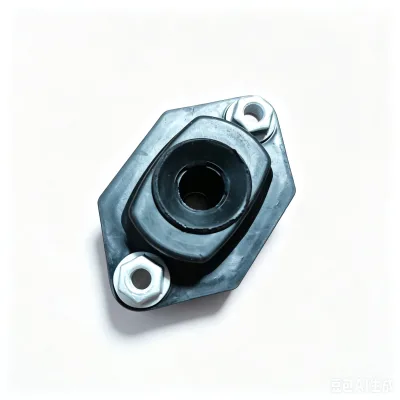
Procuring Front Strut Mount Mounting Kits requires precise alignment with vehicle suspension architecture, as these components directly influence ride stability and steering response. Buyers must verify that the selected kits match the specific mounting geometry of their target vehicle platforms, ensuring compatibility with both the strut assembly and the vehicle body. The observed market data indicates a diverse range of applications, including models from Ford, Chevrolet, Hyundai, and Peugeot, which necessitates a rigorous cross-reference of part numbers before placing orders.
The supply landscape for these kits often involves mixed material compositions, ranging from steel and rubber combinations to stainless steel or aluminum alloys, depending on the specific design requirements. Sourcing decisions should prioritize kits that offer the correct balance of durability and vibration damping, as the material choice directly impacts the component's lifespan under varying road conditions. Buyers should carefully review the listed specifications to confirm that the material properties align with the operational demands of their specific fleet or repair inventory.
Product Scope and Observed Listing Signals
The current market listings for Front Strut Mount Mounting Kits reveal a significant variation in product attributes, including weight differences that can range from 0.98 kg to 1.5 kg per unit. These weight discrepancies often signal differences in material density or design complexity, which buyers must evaluate to ensure the replacement part meets the original equipment specifications. Observing the listed price range of 0.5 to 200 USD suggests a wide spectrum of quality tiers, requiring buyers to correlate cost with the specific material composition and intended vehicle application.
Listing signals also highlight the availability of customization options, allowing suppliers to tailor products for specific OEM requirements or aftermarket modifications. The presence of neutral packing and various packaging standards, such as PE bags combined with cartons, indicates that logistics and storage conditions are critical factors in the procurement process. Buyers should scrutinize these listing details to ensure that the packaging protects the components during transit and that the customization capabilities meet their specific branding or labeling needs.
Technical Specifications to Verify
Technical verification begins with confirming the exact part model numbers, such as 1488960, 142526, or 70600, which correspond to specific vehicle manufacturers and suspension designs. These identifiers are crucial for ensuring that the mounting kit fits the intended chassis without requiring modification, as even minor dimensional variances can lead to installation failures or premature wear. Buyers must cross-reference these model numbers against their vehicle service manuals to guarantee a precise fit for the front suspension assembly.
Dimensional standards and physical attributes, including the standard size of 16816 or customized sizes, must be validated against the existing mounting points on the vehicle. The technical specifications also encompass the type of component, whether it is a strut mount or a stabilizer link, and the specific position, which is predominantly front-facing in these listings. Verifying these technical parameters ensures that the purchased kits will function correctly within the suspension system, maintaining the necessary structural integrity and alignment.
Compliance and Safety Documentation
Compliance with international standards is a non-negotiable aspect of sourcing Front Strut Mount Mounting Kits, as these components are critical for vehicle safety and handling. The observed certifications, including ISO, ISO/TS, and BSCI, indicate that suppliers adhere to specific quality management and social responsibility protocols. Buyers should request valid certification documents to confirm that the manufacturing processes meet the required safety benchmarks and that the products are produced in facilities that maintain consistent quality control.
Safety documentation also extends to the material composition and the absence of hazardous substances, which is often implied by certifications like CE and ISO standards. It is essential to verify that the materials used, such as steel, rubber, or stainless steel, are free from defects that could compromise the structural integrity of the mounting kit. Ensuring that the supplier provides comprehensive safety data and compliance records helps mitigate the risk of liability and ensures that the components meet the regulatory requirements of the target market.
Cost Drivers and Commercial Terms
Cost drivers for Front Strut Mount Mounting Kits are heavily influenced by material selection, with stainless steel and aluminum alloys typically commanding higher prices than standard steel and rubber combinations. The observed MOQ ranges from 1 to 500 pieces, meaning that buyers with smaller inventory needs may face higher per-unit costs or must negotiate flexible terms with suppliers. Understanding these cost structures allows buyers to optimize their purchasing strategy, balancing inventory levels with cash flow constraints while securing the necessary volume discounts.
Commercial terms such as EXW or FOB Shanghai/Ningbo define the responsibilities for shipping and insurance, directly impacting the total landed cost of the procurement. Lead times, which can vary from 5 days for stock items to 30 days for custom orders, must be factored into the supply chain planning to avoid production delays. Buyers should clearly define these terms in their purchase agreements to ensure that delivery schedules align with their operational requirements and that any potential delays are managed proactively.
Supplier Qualification and Quality Control
Supplier qualification involves assessing the manufacturer's ability to maintain consistent quality across large production runs, particularly given the observed warranty periods of 12 months. Buyers should verify that the supplier has a robust quality control system in place, capable of detecting defects in materials like steel or rubber before the products leave the facility. The presence of certifications like ISO and BSCI suggests a baseline level of operational maturity, but on-site audits or third-party inspections may be necessary for high-volume orders.
Quality control procedures must also address the specific technical requirements of the Front Strut Mount Mounting Kits, ensuring that dimensions and material properties remain within specified tolerances. The observation of various production techniques, such as push manufacturing, highlights the need for suppliers to demonstrate proficiency in their specific processes. Buyers should require detailed quality reports and test results to confirm that the products meet the rigorous standards required for automotive suspension components.
Long-Term Procurement Checks
Long-term procurement checks focus on the sustainability of the supplier relationship and the consistency of product performance over time. Buyers should establish a schedule for periodic quality audits and performance reviews to ensure that the Front Strut Mount Mounting Kits continue to meet the required specifications as production volumes increase. This proactive approach helps identify potential issues early, allowing for corrective actions before they impact the end-user or the vehicle's safety.
Monitoring the supplier's ability to adapt to changing market demands, such as new vehicle models or updated safety regulations, is also critical for long-term success. The observed diversity in suitable car brands, including Kia, Mazda, Volvo, and others, indicates that suppliers must maintain a flexible production capacity to serve a broad customer base. Buyers should maintain open communication channels with their suppliers to stay informed about any changes in technology, materials, or standards that could affect the procurement strategy.
FAQs
What materials are used in Front Strut Mount Mounting Kits?
Front Strut Mount Mounting Kits typically use steel and rubber for structural support and vibration damping. Some variants utilize stainless steel or aluminum alloy for enhanced durability. These materials ensure the mounts withstand road stress while maintaining vehicle stability and ride comfort effectively.
Can these kits be customized for specific car brands?
Yes, customization is available for various car brands including Ford, Chevrolet, Hyundai, and Peugeot. Buyers can specify models like 1488960 or 142526 to ensure proper fitment. This flexibility allows for precise matching to different vehicle requirements and OEM specifications.
What certifications do these strut mounts hold?
These strut mounts hold ISO and ISO/TSBSCI certifications, ensuring quality and safety standards. Some products also carry CE certification. These credentials verify that the manufacturing processes meet international requirements for automotive components, providing reliability for global buyers and distributors.
What is the typical lead time for delivery?
The standard delivery time is 30 days for production orders. However, stock OE items can be delivered within 5 days. This flexibility supports urgent procurement needs while maintaining efficient supply chain management for bulk orders and specific model replacements.
How are the strut mounts packaged for shipping?
Strut mounts are packaged in neutral boxes or PE bags combined with cartons. This packaging protects the components during transit and storage. The neutral packing option is suitable for private labeling or distributors who require generic packaging for their specific market channels.
What is the minimum order quantity for these kits?
The minimum order quantity varies, typically ranging from 1 to 500 pieces. Specific listings may require 50 or 100 pieces as a baseline. This range accommodates both small repair shops and large distributors seeking to test products or fulfill bulk inventory needs.