Source Front Position Bus Headlights for trucks, coaches, and fleets
Find 30 options for Front Position Bus Headlights from verified suppliers. Compare models like DB-H15-580 and HC-B-4209, noting 24V voltage, waterproof resistance, and customization availability for bus and truck applications.
Key considerations
Products List


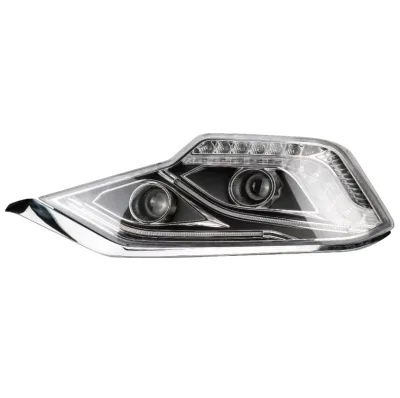
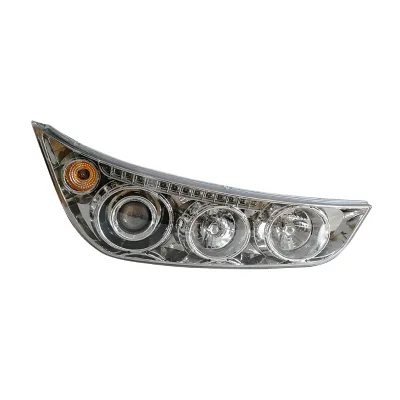
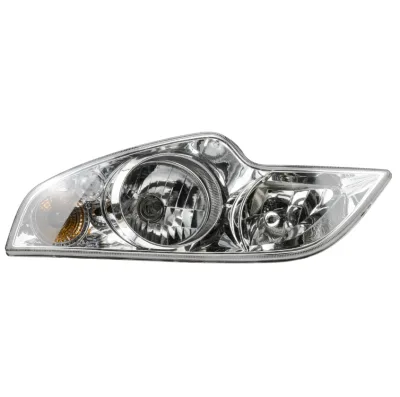
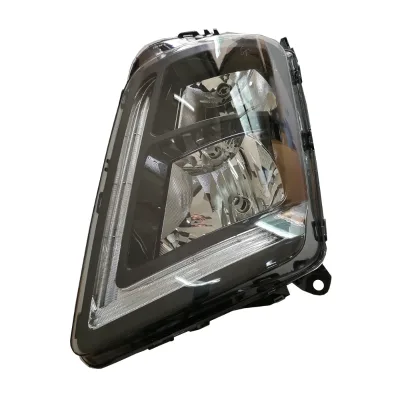
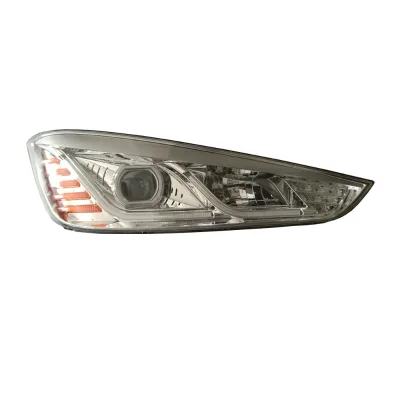
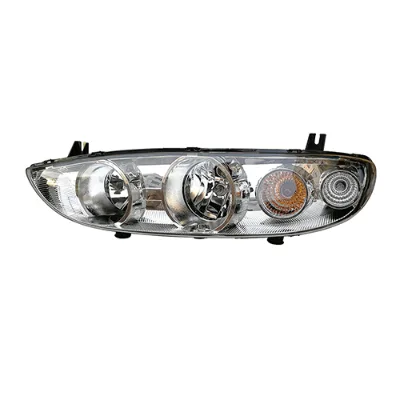
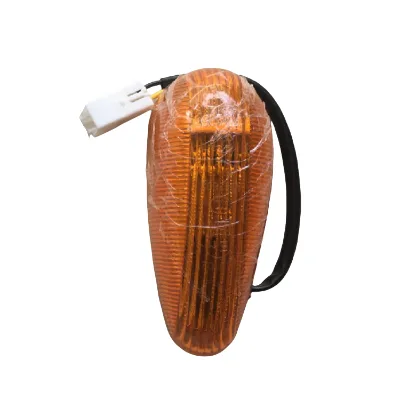
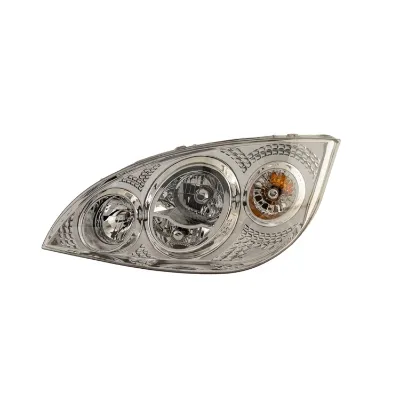
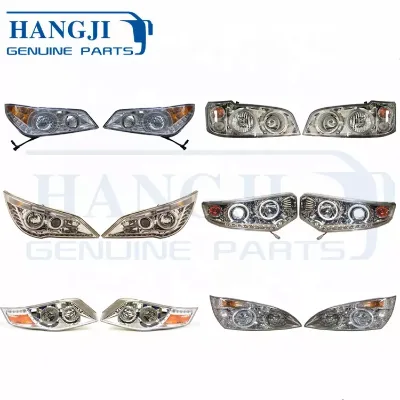


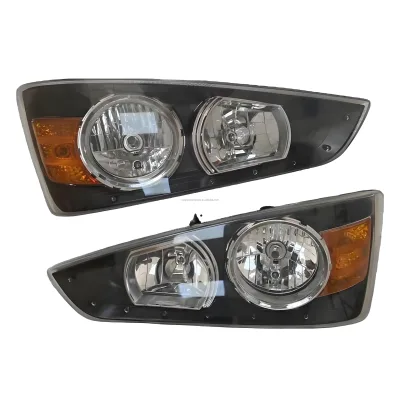
Comprehensive Sourcing Guide
Strategic Sourcing Guide for Front Position Bus Headlights
Understanding Product Specifications and Technical Attributes
When sourcing Front Position Bus Headlights, buyers must first establish a clear understanding of the technical baseline required for commercial vehicle applications. The market offers a diverse range of models, but specific technical attributes consistently appear in verified product listings. A primary observation is the voltage requirement; many units in the current supply chain are designed for 24V systems, which is the standard for heavy-duty commercial vehicles like buses and trucks. This distinction is critical, as 12V systems are typically reserved for passenger cars, and using the wrong voltage can lead to immediate component failure or electrical system damage.
The physical construction of these headlights often involves LED technology, which has largely superseded traditional halogen bulbs in modern fleets due to energy efficiency and longevity. The material composition is a key factor in durability, with LED components being the dominant specification observed. Furthermore, environmental resistance is a non-negotiable attribute for vehicles operating in varied weather conditions. High-confidence data indicates that waterproof resistance is a standard feature for these units, ensuring that moisture ingress does not compromise the electrical integrity of the headlight assembly.
Packaging and condition are also part of the initial specification review. Products are typically listed as "New" and arrive in carton packaging, which may vary from simple cartons to specific carton boxes designed to protect the unit during transit. The single package size for certain high-volume units can be substantial, with dimensions reaching up to 85x25x30 cm, and a single gross weight of approximately 15 kg. Buyers should verify these logistics parameters early in the sourcing process to ensure their shipping and warehousing capabilities align with the supplier's delivery methods.
Compliance, Standards, and Certification Verification
Navigating the compliance landscape for bus headlights requires a rigorous approach to verifying standards and certifications. While the term "Standard" appears in product descriptions, it often refers to a generic manufacturing baseline rather than a specific regulatory compliance document. Buyers must not assume that a product labeled as "Standard" automatically meets the specific safety regulations of their target market, such as ECE regulations in Europe or FMVSS in the United States. The supply chain includes products with origins in various regions of China, including Jiangsu, Anhui, and Guangxi, each potentially subject to different local manufacturing oversight.
A critical area of verification is the "Standard" attribute itself. Some listings explicitly mention "customization" as a standard, which implies that the product may be tailored to specific client requirements rather than adhering to a rigid, pre-existing regulatory framework. In such cases, the buyer bears the responsibility of defining the compliance requirements that the customized product must meet. For non-customized items, the "Standard" designation may refer to internal quality benchmarks rather than external legal mandates.
Buyers should also scrutinize the "Universal Fitment" claims. While some products are advertised as having universal fitment, this is a broad claim that requires validation against the specific chassis and mounting points of the bus models in question. The "OEM NO" (Original Equipment Manufacturer Number) is another vital data point. Listings often provide specific codes, such as H-QZ580X300, which serve as a reference for compatibility. However, buyers must cross-reference these numbers with the original bus manufacturer's documentation to ensure a precise fit. Relying solely on the provided OEM number without independent verification can lead to installation failures or the need for costly modifications.
Cost Drivers and Pricing Structure Analysis
The pricing structure for Front Position Bus Headlights is influenced by several distinct factors, creating a wide range of observed costs. The market data indicates a price range spanning from $3.50 to $226.80 USD. This significant variance is not merely a reflection of brand prestige but is driven by the complexity of the product, the technology employed, and the scale of the order. The lower end of the spectrum likely corresponds to basic LED units or components with simpler packaging and fewer specialized features, while the higher end may reflect units with advanced waterproofing, specific voltage configurations, or comprehensive customization services.
The Minimum Order Quantity (MOQ) is a primary driver of unit cost. The observed MOQ range spans from 1 to 100 units. Suppliers offering an MOQ of 1 are typically catering to small-scale repair shops or individual replacements, often at a premium per-unit price. Conversely, suppliers with an MOQ of 100 are targeting fleet operators or distributors, offering economies of scale that can significantly reduce the cost per unit. Buyers must balance their immediate inventory needs against the potential for cost savings through bulk purchasing.
Additional cost drivers include the customization level and the origin of the product. Products marked as "Customization: Available" or "Service: Accept Customize" often carry a higher price point due to the engineering and tooling costs involved in tailoring the product to specific bus models. The origin location, such as Changzhou, Jiangsu, or Anhui, can also influence pricing due to regional labor costs and logistics infrastructure. Furthermore, the warranty terms, such as the "1 year" warranty observed in some listings, add value to the purchase price and should be factored into the total cost of ownership calculation.
Typical Applications and Compatibility Considerations
The primary application for these headlights is clearly defined within the commercial transport sector, specifically for buses and trucks. The product attributes explicitly list "Bus" and "Auto Transmission Systems" as applications, though the latter is likely a broader categorization error in some listings, with the core function remaining lighting for heavy vehicles. The "Car Model" is frequently specified as "bus," confirming the target demographic. These units are designed for replace and repair purposes, making them essential for maintaining fleet uptime and safety compliance.
Compatibility is a multifaceted issue that extends beyond simple voltage matching. The "Universal Fitment" claim requires careful validation, as bus manufacturers vary widely in their lighting system designs. Some models, such as the DB-H15-580 or HC-B-4209, suggest specific model codes that may correspond to particular bus manufacturers or chassis types. Buyers should not assume that a "Universal" product will fit every bus without physical verification or consultation with the bus manufacturer's technical documentation.
The "Application" field also highlights the need for durability. Buses operate in high-vibration environments and are exposed to constant road debris. The "Waterproof" attribute is therefore not just a convenience but a necessity for operational safety. Additionally, the "Wattage" of 60 watts observed in some listings indicates the power consumption and light output, which must be sufficient to meet visibility standards for large vehicles. Buyers must ensure that the wattage and beam pattern of the selected headlights meet the regulatory requirements for their specific operating regions.
Supplier Evaluation and Verification Protocols
Evaluating suppliers for bus headlights requires a methodical approach to verifying their capabilities and reliability. The supply chain includes suppliers from various locations, including Jiangsu, Anhui, and Guangxi, each with different manufacturing capabilities. Buyers should prioritize suppliers who provide clear documentation regarding their "Quality" standards, which are often described as "Good" or "High-Quality" in listings. However, these terms are subjective and must be backed by tangible evidence, such as third-party test reports or quality management system certifications.
The "Condition" of the product is another critical evaluation point. Listings consistently state "New," but buyers must verify the manufacturing date and storage conditions to ensure the product has not degraded during transit or warehousing. The "Payment" terms, such as "TT" (Telegraphic Transfer) or "TT.paypal," indicate the financial protocols in place. Buyers should ensure that the payment terms align with their internal financial policies and offer adequate protection, such as escrow services or letters of credit for large orders.
Customization capabilities are a significant differentiator among suppliers. Some suppliers offer "Customization: Available," while others are marked as "Non-Customized." Buyers seeking specific modifications should engage with suppliers who explicitly state "Service: Accept Customize" and have a proven track record of delivering tailored solutions. The "Brand Name" is often listed as "chines brand," which suggests a lack of global brand recognition. In such cases, the supplier's reputation and the specific product model codes become the primary indicators of reliability.
Quality Control and Long-Term Procurement Strategies
Implementing a robust quality control (QC) strategy is essential for mitigating the risks associated with sourcing bus headlights. Given the wide range of observed prices and the variability in product attributes, buyers should not rely solely on the supplier's self-assessment of quality. Instead, they should implement a multi-stage QC process that includes pre-shipment inspections, random sampling, and performance testing. The "Waterproof" and "LED" attributes should be verified through specific tests, such as IP rating verification and LED lifespan testing, to ensure the product meets the claimed specifications.
Long-term procurement considerations involve building a sustainable supply chain that can adapt to changing market demands. The "Warranty" of 1 year observed in some listings provides a baseline for after-sales support, but buyers should negotiate extended warranty terms or service level agreements (SLAs) for bulk orders. The "Purpose" of the product, listed as "for replace/repair," suggests a continuous demand cycle. Buyers should establish relationships with suppliers who can provide consistent inventory levels and rapid response times for emergency replacements.
The "Single package size" and "Single gross weight" are critical for logistics planning. With dimensions up to 85x25x30 cm and weights of 15 kg, buyers must calculate the total shipping volume and cost accurately. Consolidating orders to maximize container utilization can significantly reduce logistics costs. Additionally, the "Standard" and "Customization" attributes should be reviewed periodically to ensure that the product specifications remain aligned with evolving industry standards and regulatory requirements.
Conclusion and Strategic Recommendations
Sourcing Front Position Bus Headlights requires a balanced approach that combines technical verification, compliance checks, and strategic supplier evaluation. The market offers a wide range of options, from basic LED units to customized solutions, with prices varying significantly based on specifications and order volume. Buyers must prioritize voltage compatibility, waterproofing, and fitment verification to ensure the selected products meet the demanding requirements of commercial bus operations.
By focusing on high-confidence facts such as the 24V voltage requirement, LED material composition, and waterproof resistance, buyers can make informed decisions that minimize risk and maximize value. The observed price range and MOQ flexibility provide opportunities for cost optimization, but these must be weighed against the potential risks of lower-quality products. Ultimately, a successful sourcing strategy relies on rigorous due diligence, clear communication with suppliers, and a commitment to maintaining high standards of quality and safety in the fleet.
FAQs
What voltage do Front Position Bus Headlights typically use?
Front Position Bus Headlights typically operate at 24V, which is the standard for heavy-duty commercial vehicles. This voltage requirement distinguishes them from 12V passenger car systems and prevents electrical damage when installed in buses or trucks.
Are these headlights made with LED technology?
Yes, the observed products are constructed with LED material, which offers energy efficiency and longevity over traditional bulbs. This technology is now the dominant specification for modern commercial vehicle lighting assemblies to ensure durability.
Do these units come with waterproof resistance?
High-confidence data indicates that waterproof resistance is a standard feature for these units. This attribute ensures moisture ingress does not compromise electrical integrity, which is essential for vehicles operating in varied weather conditions.
Can buyers request customization for these headlights?
Customization is available for some models, while others are listed as non-customized. Buyers seeking specific modifications should verify if the supplier accepts custom services before placing an order for tailored solutions.
What is the typical packaging for these products?
Products are typically packed in cartons or carton boxes designed to protect the unit during transit. Some high-volume units have single package sizes reaching up to 85x25x30 cm with a gross weight of approximately 15 kg.
Which bus models are compatible with these headlights?
These headlights are designed for bus applications, with some models featuring universal fitment claims. Buyers must cross-reference specific OEM numbers like H-QZ580X300 with original bus manufacturer documentation to ensure a precise fit.