Source Frosted Cosmetic Plastic Bottle for Foundation, Perfume, and Care
Find 30 Frosted Cosmetic Plastic Bottle options for foundation, perfume, and personal care packaging. Compare materials like PP and PE, sealing types, and customization features to select the right container for your brand; compare the available evidence and request quotations based on your requirements.
Key considerations
Products List


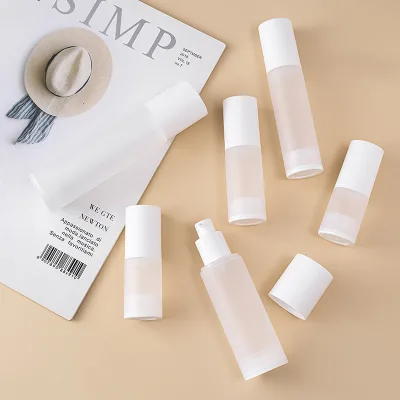


New Packaging Essential Oil Bottle Frosted Cosmetic Bottle with Dropper
$0.12 - $0.15
MOQ: 10000 Pieces


Comprehensive Sourcing Guide
Frosted Cosmetic Plastic Bottle Sourcing Guide
Procuring frosted cosmetic plastic bottles requires careful evaluation of material properties and surface finishes to ensure the final product meets brand aesthetics and functional needs. Buyers must distinguish between standard clear plastics and those treated with a frosted finish, as this affects light transmission and perceived premium quality. The observed listings indicate a strong presence of polypropylene and polyethylene options, which are suitable for various cosmetic formulations including foundations and perfumes.
Sourcing decisions should also account for the specific sealing mechanisms and bottle geometries available in the market. The data shows a prevalence of screw caps and pump sprayers, with wide-mouth designs often preferred for viscous liquids. Understanding the distinction between these closure types is critical for ensuring product integrity during shipping and use. Buyers should verify that the selected frosted finish does not compromise the structural integrity of the bottle under standard handling conditions.
Product Scope and Observed Listing Signals
The current market for frosted cosmetic containers features a diverse range of capacities, from small 15ml travel sizes to larger 150ml units suitable for daily use. Listings frequently highlight specific dimensions, such as the 60mm by 17mm profile for 30ml variants, which helps buyers visualize the physical footprint of the packaging. This variety allows brands to select bottles that align with their specific product volume requirements while maintaining a consistent visual identity across their product lines.
Commercial signals in the listings reveal that customization is a standard offering, enabling brands to tailor bottle shapes and colors to their unique needs. The observed color options include white, black, and transparent variants, with some suppliers offering custom color matching. Additionally, the availability of free samples suggests that buyers can physically test the frosted texture and fit before committing to larger orders, reducing the risk of mismatched expectations.
Technical Specifications to Verify
When evaluating technical specifications, the material composition is the primary factor determining chemical resistance and durability. The observed data confirms the use of polypropylene and polyethylene, both of which are robust choices for cosmetic packaging. Buyers must verify that the specific grade of plastic used is compatible with their formulation, particularly for products containing oils or alcohols that might degrade lower-quality plastics over time.
Surface handling techniques, such as screen printing, are also critical for branding and must be verified for adhesion and clarity. The listings indicate a thickness of 1 mm for certain models, which provides a baseline for structural rigidity. However, buyers should confirm that the frosted finish does not interfere with the printing process or reduce the overall strength of the container. Ensuring the correct bottleneck diameter and thread type is essential for a secure fit with the chosen closure mechanism.
Compliance and Safety Documentation
Safety documentation is paramount when sourcing packaging for personal care and cosmetic applications. The observed listings mention compliance with SGS standards, which serves as a baseline indicator of quality control and material safety. Buyers should request specific test reports to verify that the plastic materials do not leach harmful substances into the cosmetic product, especially when the packaging is intended for long-term storage.
Sterilization methods are another critical compliance area that requires explicit verification. The data notes that some products are supplied without ethylene oxide sterilization, which is a common requirement for medical-grade items but less critical for general cosmetics. Buyers must clarify their specific sterilization needs with the supplier to ensure the packaging meets the regulatory requirements of their target market. Confirming that the packaging is free from contaminants is essential for maintaining product safety and consumer trust.
Cost Drivers and Commercial Terms
Cost drivers for frosted cosmetic bottles are heavily influenced by the complexity of the molding process and the volume of the order. The observed minimum order quantities range significantly, from 100 units for small batches to 20,000 units for large-scale production runs. This variance allows buyers to manage cash flow effectively, though smaller orders often carry a higher unit cost due to setup fees and lower production efficiency.
Commercial terms regarding packaging and shipping also impact the total landed cost. Listings indicate various packing methods, including export cartons and individual polybags, which affect the volume and weight of the shipment. Buyers should negotiate clearly on whether the cost includes the protective packaging required for safe transit. Understanding the relationship between order quantity and unit price is essential for optimizing the budget while maintaining the desired quality standards.
Supplier Qualification and Quality Control
Supplier qualification should focus on their manufacturing capabilities and quality assurance processes. The observed data points to injection molding as the primary production technique, which requires precise tooling to achieve consistent frosted finishes. Buyers should verify the supplier's experience with cosmetic-grade plastics and their ability to maintain tight tolerances on bottle dimensions and thread specifications.
Quality control measures must be robust to prevent defects such as uneven frosting or weak seals. The listings mention safe export packing, but buyers should insist on pre-shipment inspections to ensure that the final products meet the agreed-upon specifications. Establishing a clear protocol for handling defects and returns is crucial for maintaining a reliable supply chain. Regular audits of the supplier's production line can help ensure consistent quality over the long term.
Long-Term Procurement Checks
Long-term procurement success depends on maintaining a stable relationship with suppliers who can scale production as demand grows. Buyers should monitor the supplier's ability to meet lead times and maintain inventory levels for critical components like caps and pumps. The observed selling units and order quantities suggest that suppliers are capable of handling both small and large orders, but consistency in delivery schedules is key.
Continuous verification of material standards and compliance is necessary to adapt to changing regulations. As the cosmetic industry evolves, suppliers must remain updated on new safety standards and environmental requirements. Buyers should establish a schedule for periodic reviews of the supplier's certifications and product performance. This proactive approach ensures that the packaging remains compliant and competitive in the marketplace.
FAQs
What materials are used for these cosmetic bottles?
The bottles are manufactured from durable plastic materials, specifically PP and PE. These materials ensure the containers are lightweight yet robust for daily handling. They are suitable for various personal care applications, including foundation liquids and perfumes. The choice of material supports both functionality and aesthetic appeal for cosmetic packaging needs.
Can I customize the design of the plastic bottles?
Yes, customization is available for these cosmetic plastic bottles. Buyers can select from various colors, including white, black, and transparent options. The surface handling allows for screen printing to add branding. Customization ensures the packaging aligns with specific brand identities and marketing requirements for the final product.
What sealing types are available for these bottles?
Several sealing types are offered to suit different product viscosities. Options include screw caps for secure closure and pump sprayers for liquid applications. Some models feature wide mouths for easy filling. The selection depends on whether the product is a perfume, foundation, or other personal care item requiring specific dispensing mechanisms.
What are the standard specifications for bottle capacity?
Standard capacities include 15ml, 20ml, 30ml, 50ml, and 150ml. Specific models like the 30ml variant measure 60mm by 17mm. The 150ml model is designated as PE-C150ml. These sizes cater to diverse cosmetic needs, from travel-sized samples to full-size personal care products, ensuring versatility for various market segments.
How are the bottles packed for safe export?
The bottles are packed using safe export packaging methods. They are typically placed in polybags for individual protection and then consolidated into paper cartons or exporting cartons. This method ensures the items remain secure during transit. The packaging is designed to prevent damage and maintain the quality of the plastic bottles upon arrival.
What certifications do these cosmetic bottles meet?
The products adhere to SGS standards, ensuring quality and safety compliance. This certification indicates that the materials and manufacturing processes meet recognized industry benchmarks. Buyers can rely on these standards for regulatory requirements in various markets. The focus on certification supports trust and reliability in the supply chain for cosmetic packaging solutions.
What is the minimum order quantity for these bottles?
The minimum order quantity varies, with some listings indicating an MOQ of 100 pieces. Other options may require higher volumes, such as 200 to 20,000 pieces, depending on the specific model and customization needs. Buyers should check the specific product details for exact MOQ requirements to plan their procurement effectively.