Source Frosted Cosmetic Roll On Bottle for skincare, essential oils, and medicine
Explore 30 listings for Frosted Cosmetic Roll On Bottle options suitable for skincare, essential oils, and medicine. Buyers can compare materials like glass and plastic, sealing types, and customization services from verified suppliers in China.
Key considerations
Products List


Cosmetic Essential Oil Roller Bottle 8ml Empty Frosted Glass Roll on Bottle
$0.03 - $0.05
MOQ: 10000 Pieces

6ml 8ml 10ml Cosmetic Perfume Bottle Logo Custom Frosted Glass Roll on Bottle
$0.03 - $0.05
MOQ: 10000 Pieces


50ml 60ml Cosmetic Package Plastic Roll on Bottle for Perfume Deodorant
$0.07 - $0.16
MOQ: 10000 Pieces


Wholesale 50ml 65ml Deodorant Cosmetic Plastic Roll on Bottle Roll on Bottle for Perfume
$0.05 - $0.15
MOQ: 10000 Pieces

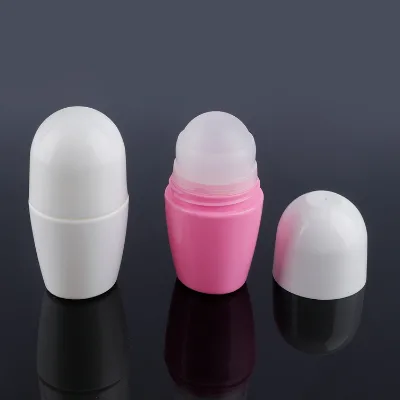


Empty Cosmetic Clean Beauty 1oz PP Plastic Deodorant Roll on Bottle 30ml
$0.22 - $0.28
MOQ: 20000 Pieces


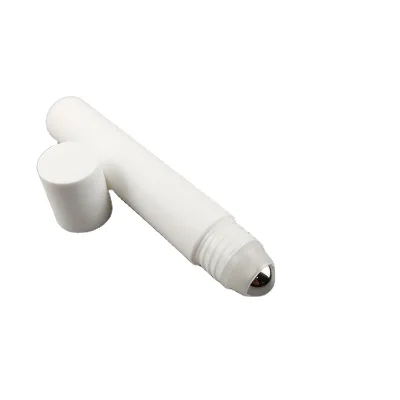


Wholesale 50ml Cosmetic Packaging Roller Bottle Customized Deodorant Bottle
$0.15 - $0.17
MOQ: 5000 Pieces


50ml Roll on Bottle with Plastic Ball Cosmetic Packaging Round Bottles
$0.15 - $0.20
MOQ: 10000 Pieces

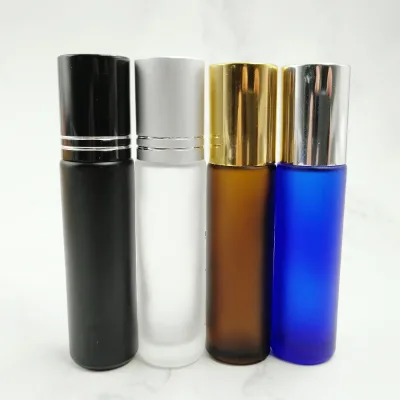
10ml Frosted Matte Black Roll on Plastic Bottle with Stainless Steel Roller
$0.11 - $0.12
MOQ: 10000 Pieces


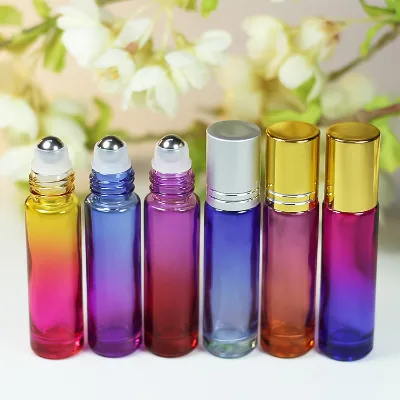
Comprehensive Sourcing Guide
Strategic Sourcing Guide for Frosted Cosmetic Roll-On Bottles
Procuring frosted cosmetic roll-on bottles requires a nuanced understanding of material properties, application-specific constraints, and supply chain logistics. These containers are distinct from standard dropper or pump bottles due to their unique rollerball mechanism, which is essential for precise application of viscous liquids like essential oils, serums, and topical treatments. The frosted finish is not merely aesthetic; it often indicates specific surface treatments or material compositions that affect light protection and tactile feel. Buyers must navigate a market where specifications vary significantly between plastic and glass constructions, each offering different durability and sustainability profiles. This guide outlines the critical factors for sourcing these items effectively, focusing on verified technical attributes and compliance requirements found in current market data.
Technical Specifications and Material Composition
The foundation of any successful procurement begins with defining the exact material and physical specifications. Market data indicates a divergence in material composition, with suppliers offering both plastic and glass variants. Plastic options, often utilizing acrylic or similar polymers, are highlighted for their lightweight nature and resistance to breakage. In contrast, glass roll-on bottles provide a premium feel and superior chemical resistance, which is crucial for products containing potent essential oils or active ingredients. The frosted appearance is a key visual attribute, frequently achieved through sandblasting or chemical etching processes, though some listings suggest this finish may be inherent to the material type or achieved via specific coatings.
Capacity is another critical specification that dictates the bottle's utility. Observed data points to a wide range of volumes, including specific models ranging from 6ml to 100ml, with common sizes such as 15g, 30g, 50g, and 65ml. The shape of the bottle also varies, with oval designs being a notable option for ergonomic handling. The closure system is the defining feature of this category; the roll-on mechanism typically consists of a stainless steel or glass rollerball housed within a cap. Buyers must verify the compatibility of the rollerball material with their specific formulation, as stainless steel offers durability while glass rollers provide a cooler application sensation. Sealing types are generally categorized as "Roll on" or "Rollerball," ensuring a leak-proof environment for the product.
| Specification Category | Plastic Variant Attributes | Glass Variant Attributes |
|---|---|---|
| Primary Material | Acrylic, Plastic | Glass (Frosted finish) |
| Common Capacities | 15g, 30g, 50g, 65ml, 100g | 6ml, 8ml, 10ml, 50ml, 65ml |
| Rollerball Material | Not explicitly defined in all specs | Glass Roller or Stainless Steel Roller |
| Cap Options | Plastic Cap, Aluminum Cap | Bamboo Cap, Aluminum Cap, Plastic Cap |
| Surface Finish | Frosted or Colorful options | Frosted, White, Colorful |
| Shape | Standard cylindrical or oval | Oval, Standard |
Compliance, Certification, and Regulatory Standards
When sourcing cosmetic packaging, verifying compliance with international standards is non-negotiable. The supply chain data confirms that reputable manufacturers often adhere to ISO 9001 for quality management and ISO 14001 for environmental management. These certifications indicate a structured approach to production consistency and environmental responsibility, which is increasingly important for global brands. While some background information mentions ISO 22716, which relates to Good Manufacturing Practices for cosmetics, buyers should treat this as a general industry benchmark rather than a guaranteed attribute of every listed product. It is essential to request current certification documents directly from the supplier to ensure validity.
Furthermore, the origin of the product plays a role in regulatory compliance. Many suppliers are located in Zhejiang, China, a major manufacturing hub known for its packaging industry. Products originating from this region must meet the import regulations of the destination country, including restrictions on certain plastics or inks used in printing. The printing methods available, such as silk screen printing, hot stamping, or label application, must also comply with food and cosmetic contact safety standards. Buyers should verify that the inks and adhesives used for branding are non-toxic and suitable for direct or indirect contact with cosmetic formulations.
Cost Drivers and Pricing Dynamics
The cost of frosted cosmetic roll-on bottles is influenced by several variables, including material type, customization level, and order volume. The observed price range in the market spans from $0.02 to $0.79 per unit, a significant variance that reflects differences in material quality and production complexity. Glass bottles generally command a higher price point than plastic counterparts due to the energy-intensive manufacturing process and the fragility associated with handling. Additionally, the choice of cap material, such as bamboo versus aluminum or plastic, introduces further cost differentiation.
Minimum Order Quantity (MOQ) is a primary driver of unit economics. Data shows MOQs ranging from 20 units to 100,000 units, with specific high-volume models often requiring orders of 10,000 sets or pieces. Suppliers may offer free samples, which is a standard practice for verifying quality before committing to a large order, but these samples do not count toward the final production cost. The customization options, including logo printing and specific color requests, can also increase the unit price. Buyers must balance the desire for unique branding against the economies of scale provided by larger order volumes. Understanding the relationship between MOQ and unit price is crucial for budgeting, as smaller orders will inherently carry a higher per-unit cost.
Typical Applications and Usage Scenarios
Frosted cosmetic roll-on bottles are versatile containers designed for a variety of personal care and medicinal applications. The primary use cases identified include skincare products, essential oils, and personal care items. The roll-on mechanism is particularly effective for products that require precise, targeted application, such as roll-on perfumes, deodorants, and topical pain relief gels. The frosted finish not only enhances the aesthetic appeal but also provides a degree of light protection, which can help preserve the stability of light-sensitive ingredients found in essential oils and serums.
The specific design features, such as the oval shape and the choice of rollerball material, cater to different user preferences. For instance, a glass rollerball may be preferred for facial serums due to its cooling effect, while a stainless steel roller might be chosen for body oils or deodorants due to its durability. The capacity of the bottle also dictates its application; smaller volumes like 6ml or 10ml are ideal for travel-sized products or concentrated serums, whereas larger capacities like 50ml or 65ml are suitable for daily use lotions or massage oils. The ability to customize the bottle with OEM logos allows brands to create a cohesive identity across their product lines, making these bottles a popular choice for private label manufacturers.
Supplier Evaluation and Production Capabilities
Evaluating a supplier requires a careful review of their production capabilities, lead times, and customization services. The market data indicates that suppliers in the region offer a range of production models, such as BN-PC-GS042, SJ-6551, and generic glass roll-on bottle models. A key indicator of a reliable supplier is their ability to handle customization, with many offering OEM and ODM services. This includes the ability to produce bottles according to specific customer requirements for size, color, and packaging.
Lead times are another critical factor in supplier selection. While some suppliers offer sample delivery within 7 days, full production lead times can vary, with some listings indicating a production window of within 30 days. Buyers should clarify the distinction between sample lead time and bulk production lead time to avoid delays in their product launch schedules. The packing methods, such as carton and pallet configurations, should be discussed to ensure that the bottles arrive in good condition, especially for glass variants which are more susceptible to damage during transit. Payment terms, typically T/T (Telegraphic Transfer), should be agreed upon clearly, and the supplier's capacity to handle large orders, up to 100,000 units, should be verified to ensure they can meet demand spikes.
Quality Control and Long-Term Procurement Considerations
Implementing a robust quality control (QC) protocol is essential for maintaining product integrity. Buyers should verify the sealing type and closure mechanisms to prevent leakage, which is a common issue with roll-on bottles. The frosted finish should be inspected for uniformity and durability, ensuring it does not chip or peel during handling or transport. Testing the rollerball mechanism for smooth rotation and proper sealing is also vital to prevent product leakage and ensure a positive user experience.
For long-term procurement, establishing a relationship with a supplier who can consistently meet quality standards is more valuable than finding the lowest initial price. The ability to maintain consistent color matching, printing quality, and material specifications over multiple production runs is a key indicator of a supplier's reliability. Buyers should also consider the environmental impact of their packaging choices, as the availability of ISO 14001 certification suggests that some suppliers are committed to sustainable practices. Finally, maintaining open communication regarding any changes in formulation or design requirements will help ensure that the packaging continues to meet the brand's evolving needs. By focusing on these technical and operational details, buyers can secure a reliable supply chain for frosted cosmetic roll-on bottles that supports their brand's growth and reputation.
FAQs
What materials are available for frosted cosmetic roll on bottles?
Suppliers offer both plastic and glass materials for these bottles. Plastic options often use acrylic, while glass variants provide a premium feel. The frosted finish can be applied to either material type to enhance aesthetics and light protection.
Which certifications do manufacturers typically hold for these bottles?
Reputable manufacturers often adhere to ISO 9001 for quality management and ISO 14001 for environmental standards. These certifications indicate a structured approach to production consistency and environmental responsibility, ensuring reliable supply chain practices for buyers.
How long does production take for custom frosted roll on bottles?
Sample delivery is typically available within 7 days, while full production may take within 30 days. Lead times vary by supplier, so buyers should clarify the distinction between sample and bulk production windows to avoid launch delays.
What is the minimum order quantity for these cosmetic containers?
Minimum order quantities range from 20 units up to 100,000 units depending on the supplier and model. Specific high-volume models often require orders of 10,000 sets, allowing buyers to balance customization needs with economies of scale.
Can I customize the rollerball material and cap type?
Yes, customization is available for roller types including glass or stainless steel rollers. Cap options include bamboo, aluminum, or plastic, allowing brands to select materials that match their specific formulation requirements and aesthetic preferences.
What capacities are available for frosted cosmetic roll on bottles?
Available capacities include sizes like 6ml, 8ml, 10ml, 15g, 30g, 50g, and 65ml. These volumes cater to various applications, from travel-sized serums to daily use lotions, ensuring the right fit for different product formulations.