Source Fry Pan for Home Kitchen, Restaurant, and Buffet
Compare 30 Fry Pan options from verified suppliers in China. Buyers can evaluate cast iron and aluminum models with non-stick coatings, various sizes, and FDA or LFGB certifications for home cooking, restaurant service, and buffet equipment needs; compare the available evidence and request quotations based on your requirements.
Key considerations
Products List


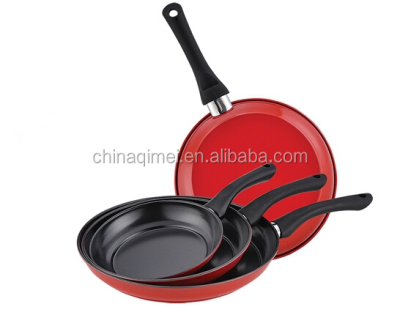


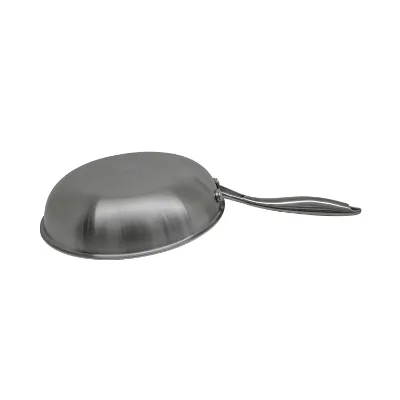
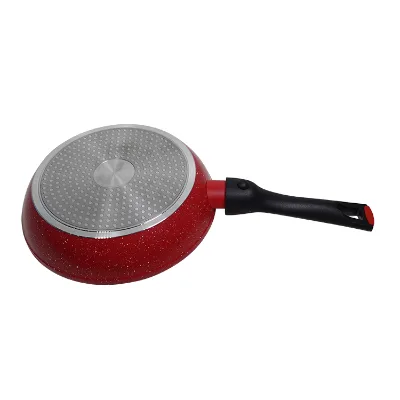
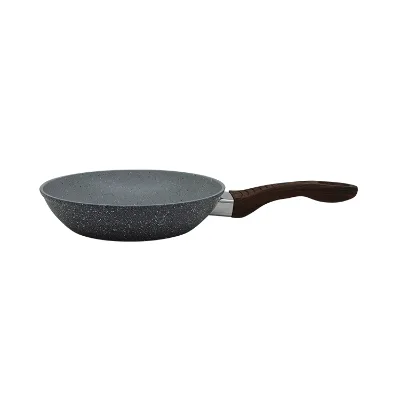

SUS Stainless Steel Non Stick Frying Pan Frying Pan Non-Stick Frying Pan
$5400.00 - $5450.00
MOQ: 1 set


Comprehensive Sourcing Guide
Fry Pan Sourcing Guide
Sourcing cast iron and aluminum fry pans requires a clear understanding of material properties, coating technologies, and intended usage environments. Buyers must distinguish between traditional enameled or seasoned cast iron and modern non-stick variants, as each presents distinct maintenance and performance characteristics. The decision often hinges on whether the end-user prioritizes heat retention and durability or ease of cleaning and low-fat cooking capabilities.
Commercial buyers should also evaluate the supply chain’s ability to handle customization, such as private labeling or specific packaging requirements. Many manufacturers offer flexible options ranging from simple brown boxes to premium gift packaging, which can significantly impact retail appeal. Understanding these variables early in the sourcing process helps align product selection with target market expectations and brand positioning strategies.
Product Scope and Observed Listing Signals
The current market landscape for fry pans includes a diverse range of products, from traditional cast iron skillets to lightweight aluminum alloy options. Observed listings indicate a strong presence of cast iron pans with non-stick vegetable oil coatings, available in sizes ranging from 10-13cm to 26-29cm. These products are often marketed for home kitchen cooking and professional restaurant use, highlighting their versatility across different culinary settings.
In addition to standard frying pans, the scope extends to specialized baking tools and cake molds, such as the BK-D30 model, which utilizes aluminum alloy construction. Stainless steel covers and handles are common features, enhancing functionality and user safety. Buyers should note that while many items are non-transparent and come without covers, some configurations include specific cover styles, requiring careful verification of product specifications before placing orders.
Technical Specifications to Verify
When evaluating fry pans, verifying the exact dimensions and weight is crucial for logistics and user experience. Standard sizes like 265.2cm or 254cm are common, but buyers must confirm whether these measurements refer to diameter, height, or overall footprint. Weight specifications, such as 2.1kg for certain cast iron models, directly impact shipping costs and user handling, making it essential to align these metrics with target demographic preferences.
Material composition is another critical technical factor. While cast iron offers superior heat retention, aluminum alloy provides lighter weight and faster heating times. Buyers should also check compatibility with various stove types, including electromagnetic ovens and all-purpose stoves. Ensuring that the pan’s base design matches the intended cooking equipment prevents performance issues and customer dissatisfaction upon delivery and initial use.
Compliance and Safety Documentation
Food contact safety is paramount, and buyers must ensure that all fry pans comply with relevant international standards. Certifications such as FDA and LFGB are frequently cited, indicating that materials and coatings meet strict safety thresholds for human consumption. These documents provide assurance that the non-stick coatings, often vegetable oil-based, do not leach harmful substances during high-temperature cooking processes.
Additionally, CE/EU certification is vital for products destined for European markets, ensuring adherence to regional safety and environmental regulations. Buyers should request valid certificates from suppliers and verify their authenticity through independent testing labs if necessary. Maintaining a robust documentation trail not only mitigates legal risks but also enhances brand credibility and consumer trust in the product’s safety profile.
Cost Drivers and Commercial Terms
Pricing for fry pans varies significantly based on material, size, and customization level. Observed price ranges span from $0.4 to $5999, reflecting the diversity from basic aluminum accessories to premium cast iron sets. Minimum Order Quantities (MOQs) typically range from 1 to 2000 units, allowing flexibility for both small boutique brands and large-scale distributors. Buyers should negotiate terms that balance volume discounts with inventory risk management.
Packaging options also influence overall costs, with choices ranging from simple brown boxes to elaborate gift boxes and color sleeves. Export cartons are standard for bulk shipments, ensuring product protection during transit. Buyers must factor in these packaging costs when calculating landed costs, as premium packaging can significantly increase the final retail price but may justify higher margins in competitive markets.
Supplier Qualification and Quality Control
Selecting a reliable supplier involves verifying their manufacturing capabilities and quality control processes. Suppliers originating from regions like Hebei, China, often have established infrastructure for producing cast iron and aluminum cookware. Buyers should assess the supplier’s ability to maintain consistent quality across batches, particularly regarding coating uniformity and handle attachment durability.
Implementing rigorous quality control measures, such as pre-shipment inspections, is essential to minimize defects. Buyers should define clear acceptance criteria for dimensions, weight, and visual appearance. Collaborating with third-party inspection agencies can provide an objective assessment of production quality, ensuring that delivered goods meet the specified standards and reducing the likelihood of returns or complaints.
Long-Term Procurement Checks
Sustainable sourcing requires ongoing monitoring of supplier performance and market trends. Buyers should regularly review supplier compliance with ethical labor practices and environmental standards, such as Reach, to mitigate reputational risks. Building long-term relationships with suppliers who demonstrate transparency and reliability can lead to better pricing, priority production slots, and improved support during peak seasons.
Continuous feedback loops with end-users help refine product specifications and identify areas for improvement. Tracking warranty claims and customer reviews provides valuable insights into product durability and performance. By staying informed about emerging materials and coating technologies, buyers can proactively adapt their procurement strategies to meet evolving consumer demands and maintain a competitive edge in the cookware market.
FAQs
How do I choose the right cast iron Fry Pan size for cooking?
Match the pan diameter to your typical batch size and burner width. Listings here cover sizes such as 22-25cm, 26-29cm, and smaller 10-13cm pieces, with models like BK-25F at 26*5.2cm. A 26cm pan suits everyday home cooking, while larger diameters work better for restaurant or buffet portions.
What coatings are used on these cast iron fry pans?
The cast iron fry pans listed use a vegetable oil coating, which provides a non-stick surface without synthetic layers. This coating is applied through seasoning, so performance improves with use. Buyers should confirm whether pre-seasoning is done before shipping and follow care instructions to maintain the non-stick feature over time.
Which certifications apply to the fry pans in this range?
Listed products carry FDA, LFGB, and CE/EU certifications, indicating suitability for food contact in US and European markets. Certification can vary by model, so confirm the specific certificates for the Fry Pan variant you intend to order. Request copies of test documentation before finalizing a purchase agreement.
Can I customize Fry Pan packaging and branding for my order?
Yes, customization is available. Packing options shown include brown box, color box, gift box, color sleeve, and export carton. You can typically add logos and design artwork to the chosen packaging format. Confirm minimum order quantities, artwork requirements, and any added cost for custom packaging with the supplier before ordering.
What materials besides cast iron are used for fry pans here?
Alongside cast iron, listings include aluminum alloy, aluminum, and stainless steel fry pans. Aluminum versions offer lighter weight and faster heating, while stainless steel provides durability. Cast iron with vegetable oil coating delivers non-stick cooking performance. Choose based on weight preference, stove type, and the cooking applications you plan to support.
Which stoves can a cast iron Fry Pan be used on?
Cast iron fry pans in this range are suitable for all-purpose stove use, including electromagnetic ovens, gas, and other common cooktops. Cast iron's magnetic properties make it compatible with induction heating. Verify the flatness of the pan base, since a flat bottom ensures full contact on electromagnetic surfaces for efficient heating.
What packaging options are available when shipping Fry Pan orders?
Available packing includes brown box, color box, gift box, color sleeve, and export carton, depending on the model. Brown box suits cost-focused shipments, while color boxes and sleeves support retail presentation. Discuss inner and outer carton quantities, drop-test expectations, and labeling requirements so the packaging protects pans during long-haul transit.