Source Fuel Pump Head for Cars, Engines, and Excavators
Find reliable Fuel Pump Head options for Volkswagen cars, diesel engines, and excavators. Compare 30 products with varying specifications, certifications, and delivery times to meet your sourcing needs.
Key considerations
Products List


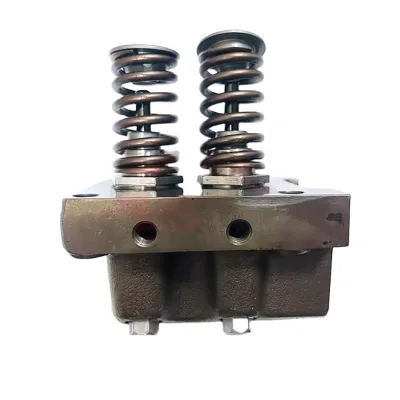


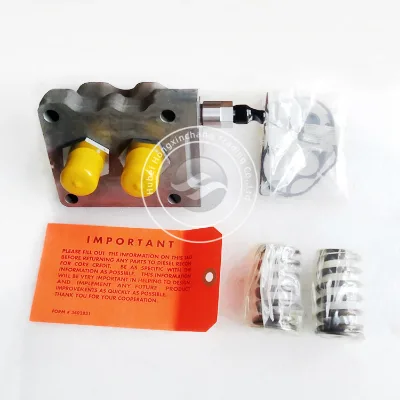

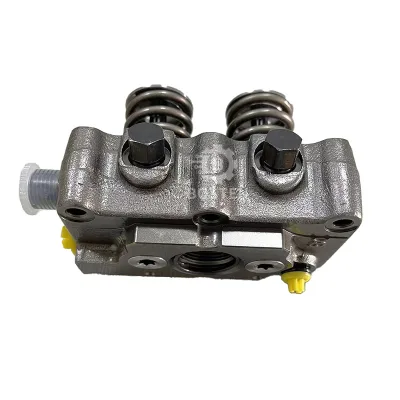
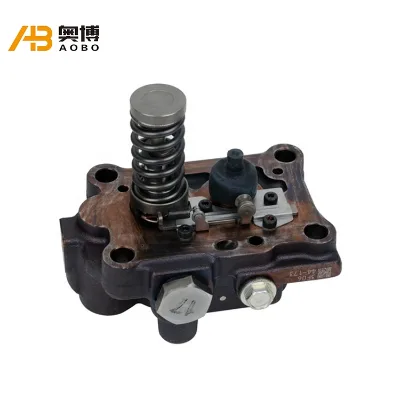


Comprehensive Sourcing Guide
Strategic Sourcing Guide for Fuel Pump Head Components
The global market for automotive and industrial fuel system components continues to evolve, with the Fuel Pump Head representing a critical intersection of mechanical precision and fluid dynamics. For procurement professionals, sourcing this specific component requires a nuanced understanding of its technical architecture, the variability in manufacturing standards, and the rigorous due diligence necessary to ensure supply chain reliability. The term "Fuel Pump Head" often encompasses various sub-components, including the pump housing, internal gears or rotors, and the associated drive mechanisms that facilitate fuel delivery. Buyers must navigate a landscape where product attributes vary significantly between suppliers, ranging from standard OEM replacements to highly customized industrial solutions. This guide provides a structured approach to evaluating potential suppliers and specifications based on observed market data and established industry practices.
Technical Specifications and Component Architecture
Understanding the technical specifications of a Fuel Pump Head is the foundational step in any sourcing strategy. The component is not a monolithic unit but a complex assembly where material integrity and dimensional accuracy are paramount. In the current market, observed specifications indicate that these components are frequently manufactured from high-grade steel or iron, materials selected for their durability under high-pressure conditions and resistance to corrosion. The production techniques often cited include casting, which allows for the creation of complex internal geometries required for efficient fuel flow.
The dimensional attributes of the Fuel Pump Head are equally critical. Market observations suggest that "Standard Size" is a common designation, yet this term can be ambiguous without specific reference to the original equipment manufacturer (OEM) part numbers. For instance, specific models such as 3601 or VG1560040056 are frequently referenced in catalogs, serving as unique identifiers for compatibility. Buyers must verify that the prod_model aligns precisely with their vehicle or machinery requirements. Furthermore, the stroke type is a vital technical parameter; while some units are designed for 4-stroke engines, the Fuel Pump Head itself must be compatible with the specific engine cycle and displacement. The distinction between standard and non-standard components is also prevalent, with some suppliers offering custom configurations to meet unique engineering needs.
| Feature Category | Common Observations | Verification Requirement |
|---|---|---|
| Material Composition | Steel, Iron | Verify alloy grade and heat treatment specifications. |
| Production Method | Casting | Confirm tolerance levels and surface finish quality. |
| Model Identification | 3601, VG1560040056, 320D | Cross-reference with OEM part numbers. |
| Engine Compatibility | 4 Stroke, Multi-cylinder | Ensure compatibility with specific fuel types (Diesel). |
| Packaging Standards | Neutral, Brand, Wooden Box, Carton | Confirm packaging protects against transit damage. |
Compliance, Certification, and Quality Standards
In the realm of B2B procurement, compliance is not merely a regulatory checkbox but a measure of operational maturity. The supply chain for fuel pump heads is heavily influenced by international quality management systems. Observed data indicates that suppliers often hold certifications such as ISOTS (International Standards for Automotive Suppliers) and TSCE, which are critical indicators of a manufacturer's ability to maintain consistent quality control. These certifications suggest that the supplier adheres to rigorous protocols regarding traceability, process control, and defect prevention.
However, buyers must exercise caution when interpreting certification claims. While "ISOTS" and "TSCE" are mentioned in product listings, the specific scope of these certifications must be verified. A supplier may possess a general quality certification but lack specific accreditation for fuel injection devices. The component itself is often categorized under "Fuel Injection Device," implying that it must meet specific performance and safety standards. Additionally, the "Standard Component" versus "Non-Standard Component" distinction plays a role in compliance; non-standard parts may require additional validation or custom testing protocols that go beyond standard industry norms.
Buyers should also scrutinize the origin of the product. Observations show production originating from regions such as Zhejiang and Henan in China. While these regions are known for robust manufacturing capabilities, the "Made in China" label should be treated as a statement of origin rather than a guarantee of quality. The presence of a "12 Months" warranty is a positive indicator of supplier confidence, but the terms of this warranty must be clearly defined in the contract. It is essential to verify that the warranty covers both material defects and workmanship, and to understand the claims process for international shipments.
Cost Drivers and Pricing Dynamics
The pricing structure for fuel pump heads is influenced by a complex array of factors, including material costs, customization levels, and order volume. The observed price range in the market is extensive, spanning from $0.10 to $1,000 USD. This wide variance reflects the difference between basic replacement parts and highly engineered, customized units. The lower end of the spectrum typically corresponds to standard, off-the-shelf components with minimal customization, while the higher end often includes specialized models with advanced materials or complex manufacturing processes.
Order volume is a primary driver of unit cost. The Minimum Order Quantity (MOQ) varies significantly across suppliers, with observed ranges from 2 pieces to 1,000 pieces. A supplier with an MOQ of 50 pieces may offer different pricing tiers compared to one requiring 1,000 units. Buyers should analyze their inventory needs against these MOQ constraints to optimize cost efficiency. For smaller orders, the unit price may be higher due to the fixed costs of setup and handling. Conversely, larger orders often benefit from economies of scale, though the total capital outlay increases.
Payment terms also impact the effective cost of procurement. Standard terms observed include a 30% T/T (Telegraphic Transfer) deposit, which is common in international trade. This structure requires buyers to manage cash flow carefully, as a significant portion of the payment is due before production begins. Additionally, logistics costs, such as ocean freight or specific packing requirements like wooden boxes, can add to the total landed cost. Buyers must factor in these ancillary expenses when comparing supplier quotes to ensure a true cost comparison.
Typical Applications and Industry Segments
Fuel pump heads are integral to a diverse range of applications, extending beyond standard passenger vehicles into heavy-duty industrial sectors. The primary application areas include automotive fuel systems, where the component ensures reliable fuel delivery to internal combustion engines. Specific references to "Volkswagen" and "320d" models highlight the component's relevance to the passenger car market, particularly for diesel engines. The "Multi-cylinder" and "4 Stroke" specifications further confirm its suitability for a wide array of engine configurations.
Beyond automotive, the data indicates significant usage in heavy machinery and construction equipment. The "Excavator" application is a notable example, where fuel pump heads must withstand harsh operating conditions, including vibration, dust, and extreme temperatures. In these contexts, the "Cylinder Head" designation sometimes overlaps with fuel system components, suggesting that some suppliers may offer integrated solutions or that the terminology is used broadly. The "Diesel" fuel type is a consistent attribute across these applications, underscoring the component's role in diesel engine management systems.
The versatility of the Fuel Pump Head is further demonstrated by the availability of "Customization" options. This allows suppliers to tailor components for specific industrial needs, such as different fuel saver types or unique carburettor configurations. The "Electronic" fuel saver type mentioned in the data points to advancements in fuel efficiency technology, where the pump head may integrate with electronic control units to optimize performance. Buyers in the industrial sector should prioritize suppliers who can demonstrate experience with heavy-duty applications and provide evidence of durability in similar environments.
Supplier Evaluation and Risk Management
Selecting the right supplier is a critical risk management activity. The observed market data reveals a mix of suppliers offering "OEM Customized" services, "One-Stop Service," and varying levels of after-sales support. When evaluating potential partners, buyers should look beyond the product listing and assess the supplier's operational capabilities. The "Delivery Time" is a key metric, with observations ranging from "3-7 Work Days" to "Maybe 45 Days." This discrepancy highlights the importance of clarifying lead times based on quantity and item complexity. A supplier promising a 3-day delivery may have limited capacity or be offering a standard stock item, while a 45-day lead time might indicate a custom manufacturing process.
The "Packing" method is another indicator of supplier professionalism. Options range from "Neutral Packing" and "Carton" to "Wooden Box" and "Ocean Freight" specific packaging. For international shipments, the choice of packaging directly impacts the risk of damage during transit. A supplier offering "Standard Package" or "By The Customer Needs" demonstrates flexibility, but the buyer must ensure that the chosen packaging meets the specific requirements of the shipping route and handling conditions.
Furthermore, the "Quality" attribute, often stated as "Made in China," should be verified through third-party inspections or sample testing. Relying solely on the supplier's self-declaration of quality is insufficient. Buyers should request documentation of the casting process, material certificates, and any available test results. The "After Service" commitment, such as "One-Stop Service," is valuable, but the scope of this service must be defined. Does it include technical support, replacement of defective parts, or assistance with installation? Clear definitions of after-sales responsibilities are essential to mitigate post-purchase risks.
Long-Term Procurement and Supply Chain Resilience
Sourcing fuel pump heads is not a one-time transaction but a long-term relationship that requires strategic planning. The variability in "Standard" components, such as the "15kg" or "40kg" weight specifications mentioned in some listings, suggests that buyers must establish clear standards for their inventory. These weight variations may indicate different packaging densities or component sizes, which can affect storage and logistics planning. Establishing a consistent standard for future orders helps in maintaining supply chain stability.
The "Etd" (Estimated Time of Departure) of "3-7 Work Days" after payment indicates a need for robust logistics coordination. Buyers should develop contingency plans for potential delays, especially given the observation that delivery times can vary based on quantity. Building a relationship with suppliers who offer flexible production schedules can provide a competitive advantage in times of market volatility. Additionally, the "Customization" availability suggests that buyers can work with suppliers to develop proprietary solutions that differentiate their products in the market.
Finally, the "Warranty" of "12 Months" provides a baseline for quality assurance, but long-term procurement strategies should include provisions for extended warranties or service level agreements (SLAs). As the market evolves, the integration of electronic components and fuel-saving technologies will likely increase the complexity of fuel pump heads. Buyers should engage with suppliers who are invested in R&D and can adapt to these technological shifts. By focusing on technical compatibility, certification verification, and supplier reliability, procurement professionals can build a resilient supply chain that supports both current operational needs and future growth.
FAQs
What materials are used for fuel pump heads?
Fuel pump heads are typically manufactured from steel or iron to ensure durability under high pressure. These materials are selected for their resistance to corrosion and ability to withstand the demanding conditions of diesel engines.
Which certifications do suppliers hold for these components?
Suppliers often hold certifications such as ISOTS and TSCE to demonstrate adherence to quality management systems. These credentials indicate that the manufacturer follows rigorous protocols for traceability and defect prevention in fuel injection devices.
Can I request custom packaging for the order?
Yes, customization is available for packaging, with options including neutral packing, brand packing, wooden boxes, or cartons. Buyers can specify requirements like ocean freight packaging to ensure the product arrives safely during international transit.
How long is the delivery time for these parts?
Delivery times vary significantly, ranging from 3 to 7 working days for stock items to approximately 45 days for custom orders. The exact timeline depends heavily on the specific quantity ordered and the complexity of the item requested.
What is the minimum order quantity for fuel pump heads?
The minimum order quantity varies by supplier, with observed ranges starting from 2 pieces up to 1,000 pieces. Some standard listings require a minimum of 50 pieces, while others may accommodate smaller trial orders of just two units.
Where are these fuel pump heads manufactured?
These components are primarily manufactured in China, with specific production origins noted in Zhejiang and Henan provinces. Buyers should verify the specific origin on the product listing as it may affect logistics and shipping terms.