Source Fuel Pump Module for Volkswagen, Honda, and Other Vehicles
Explore 30 available options for the Fuel Pump Module designed for various car makes including Volkswagen and Honda. Buyers can compare specifications, certifications like ISOTS16949, and delivery terms to find suitable suppliers for their automotive needs.
Key considerations
Products List




Comprehensive Sourcing Guide
Strategic Sourcing Guide for Fuel Pump Modules
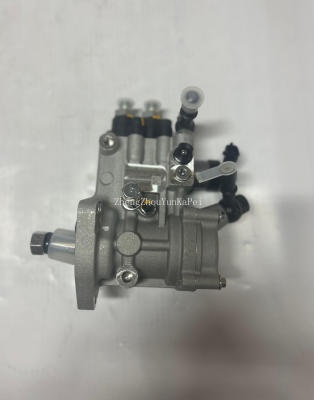
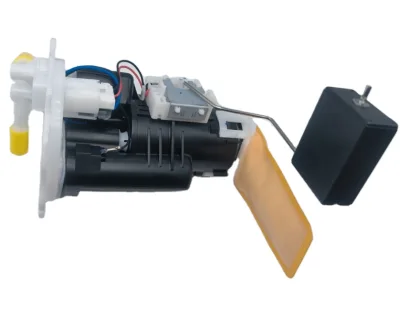
Navigating the global market for fuel pump modules requires a disciplined approach that balances technical compatibility with rigorous supplier verification. The core keyword "Fuel Pump Module" encompasses a diverse range of components, from high-pressure diesel injection units to low-pressure gasoline transfer pumps. Buyers must recognize that product attributes listed in catalogs are often observations of specific listings rather than universal guarantees for every item in a category. This guide provides a framework for evaluating these components based on verified data points, ensuring that procurement decisions are grounded in factual evidence rather than marketing claims.
Technical Specifications and Compatibility Verification
The primary challenge in sourcing fuel pump modules lies in the vast array of technical specifications that define their function. A fuel pump is not a generic component; its performance is dictated by the engine architecture, fuel type, and vehicle make. Data indicates that specific modules are engineered for distinct applications, such as those compatible with Volkswagen or Honda vehicles. The "Car Make" attribute is a critical starting point, as a module designed for a gasoline engine will not function correctly in a diesel system, and vice versa.
Buyers must scrutinize the "Fuel" attribute to ensure alignment with their inventory needs. While some listings specify "Gasoline," others may imply diesel compatibility through different pressure ratings or nozzle designs. The "Stroke" attribute, observed as "4 Stroke" in specific contexts, further narrows the application scope, indicating the pump's integration into four-stroke engine cycles. Additionally, the "Cylinder" configuration, noted as "Multi-cylinder" in certain records, suggests the pump's capacity to handle the flow requirements of engines with multiple combustion chambers.
The physical dimensions and model numbers are equally vital. Specifications such as "Standard Size" or specific model identifiers like "C5591975" and "EM10252" serve as unique fingerprints for compatibility. When a listing provides an "OE No." (Original Equipment Number), such as "3601," this serves as a direct reference to the manufacturer's part number, facilitating cross-referencing with existing vehicle maintenance records. However, buyers should be cautious; the presence of an OE number does not automatically guarantee that the aftermarket part meets the exact tolerances of the original component without further verification.
Compliance, Certification, and Enterprise Qualification
In the automotive supply chain, compliance is not merely a formality but a prerequisite for market access and liability protection. The "Certification" attribute is a key indicator of a supplier's adherence to industry standards. For instance, the "ISOTS16949" certification (often associated with IATF 16949) is a globally recognized standard for quality management in the automotive sector. This certification implies that the supplier has implemented processes to reduce variation and waste in production.
Beyond product-level certifications, the "Enterprise Qualification" provides insight into the supplier's broader operational maturity. Listings mentioning "OE Supplier / IATF 16949" status suggest a history of supplying original equipment manufacturers, which often correlates with higher quality control standards. The "Foundation" date, such as "2001," and the "Employees" count, like "400," offer context regarding the supplier's stability and capacity. A company established for over two decades with a substantial workforce is generally better positioned to handle large-scale orders and maintain consistent quality than a newly formed entity.
However, buyers must verify these claims independently. The presence of a certification label in a product description does not constitute a guarantee of current validity. The "Certification" field may also list specific component types, such as "Carburettor," which indicates the supplier's broader portfolio but does not necessarily validate the specific Fuel Pump Module being purchased. It is essential to request current, verifiable copies of these certificates directly from the supplier to ensure they are not expired or misapplied to unrelated product lines.
Cost Drivers and Pricing Dynamics
Understanding the cost structure of fuel pump modules is essential for budgeting and negotiation. The observed price range in the market spans from $1.10 to $2,800, a disparity that reflects the vast differences in component complexity, material quality, and application. A low-cost unit priced at $1.10 likely represents a simple, generic transfer pump or a component for a small displacement engine, whereas a unit at the higher end of the spectrum may be a high-pressure common rail pump or a specialized module for a luxury vehicle.
Several factors drive these costs. The "Body Material," identified as "Iron" in some listings, influences durability and weight, impacting the final price. Premium materials or advanced manufacturing techniques, such as "Full Automaticity" in production, often command higher prices due to increased precision and reduced defect rates. The "Packing" method also plays a role; options ranging from "Neutral Packing" to "Wooden Box" or "Colour Box" affect logistics costs and the perceived value of the product.
Buyers should also consider the "Payment Term" structure, such as a "30% T/T Deposit," which affects cash flow and risk exposure. While a lower deposit might seem attractive, it is crucial to balance this against the supplier's financial stability. The "MOQ" (Minimum Order Quantity), observed between 1 and 100 units, significantly impacts the unit price. Higher volumes typically yield lower per-unit costs, but the "MOQ" of 50PCS noted in specific listings sets a baseline for entry-level procurement.
Typical Applications and Performance Expectations
Fuel pump modules are integral to the fuel delivery system, and their performance characteristics must match the engine's demands. The "Type" of pump, such as "Oil Pump" or "Electric," determines its operational mechanism. An "Electric" drive system is standard for modern fuel pumps, offering precise control over fuel delivery rates. The "Flow Rate" attribute, described as "Constant Pump" in some contexts, indicates a design focused on maintaining steady pressure, which is crucial for engine stability.
Performance claims, such as "No Blocking," highlight the pump's reliability in preventing fuel starvation. However, these should be treated as observations of specific product listings rather than universal guarantees. The "Fuel Saver Type," noted as "Electronic," suggests advanced features aimed at optimizing fuel efficiency, though the actual impact depends on the vehicle's engine management system integration.
The "Carburettor Type," such as "Downdraft," and the "Stroke" count are relevant for older or specific engine designs. While modern vehicles predominantly use fuel injection, understanding these legacy specifications is vital for sourcing parts for vintage or specialized machinery. The "Color" attribute, listed as "White" in some records, is a cosmetic detail but can aid in visual identification during installation.
Supplier Evaluation and Production Capacity
Evaluating a supplier requires a holistic view of their production capabilities and logistical readiness. The "Automation Level" is a critical metric; "Full Automaticity" suggests a high degree of consistency and reduced human error in the manufacturing process. This level of automation is often associated with higher quality outputs and the ability to scale production quickly.
The "Place of Origin" provides geographical context, with listings indicating origins in "Henan," "Zhejiang," "Shandong," and "Zhejiang Wenzhou" within China. While these regions are known for manufacturing, buyers should not assume uniform quality across all locations. Instead, they should verify the specific factory's capabilities and track record. The "Service" attribute, such as "OEM Customized," indicates the supplier's willingness to tailor products to specific requirements, which can be advantageous for niche applications.
The "Customization" availability is another key factor. If a buyer requires a non-standard configuration, the supplier's ability to accommodate "Customization" becomes a primary selection criterion. However, customization often extends lead times and increases costs, so this must be weighed against project timelines.
Quality Control and Inspection Protocols
Quality control is the backbone of reliable procurement. Buyers must be aware that "Video outgoing-inspection" is listed as "Not Available" for certain products, meaning visual verification of the final product before shipment may not be possible through standard channels. This absence necessitates alternative verification methods, such as third-party inspection services or detailed sampling protocols.
The "Warranty" status varies significantly, with some listings showing "Unavailable" and others offering a "1 Year" warranty. A clear warranty policy is a strong indicator of the supplier's confidence in their product. However, the terms of the warranty must be clearly defined, covering defects in materials and workmanship. The "Packing" standard, such as "Neutral Packing" or "Brand Packing," also reflects the supplier's attention to detail; robust packaging is essential to prevent damage during transit.
Buyers should establish a clear quality assurance plan that includes pre-shipment inspections, random sampling, and testing against the "prod_standard" dimensions (e.g., 34.00cm * 26.00cm * 18.00cm). Verifying that the physical dimensions match the specification is a fundamental step in ensuring the part will fit the intended application.
Long-Term Procurement and Logistics Considerations
Sourcing fuel pump modules is not a one-time transaction but a long-term relationship that requires careful management of logistics and supply chain stability. The "Delivery Time" is a critical variable, with estimates ranging from "Maybe 45 Days" depending on quantity and item specifics. This variability underscores the importance of early planning and buffer stock management.
The "Lead Time" is influenced by the "MOQ" and the "Quantity" ordered. Larger orders may require longer production runs, while smaller orders might be fulfilled more quickly but at a higher unit cost. The "Packing" method, whether "Carton" or "Wooden Box," affects shipping costs and handling requirements. Buyers should calculate the total landed cost, including freight, insurance, and duties, to ensure the final price remains within budget.
Furthermore, the "Foundation" and "Employees" data suggest that established suppliers are better equipped to handle long-term supply agreements. A supplier with a long history and a large workforce is more likely to maintain inventory levels and withstand market fluctuations. However, buyers must remain vigilant about the "Place of Origin" and potential geopolitical or logistical disruptions that could affect delivery schedules.
Comparative Analysis of Product Attributes
To facilitate decision-making, the following table summarizes key attributes observed in the market data, highlighting the variability buyers must navigate.
| Attribute | Observed Values | Implication for Buyer |
|---|---|---|
| Car Make | Volkswagen, Honda | Must match specific vehicle models; not universal. |
| Fuel Type | Gasoline | Diesel pumps require different specifications; verify fuel type. |
| Certification | ISOTS16949, TSComponent | Verify current validity; does not guarantee specific part quality. |
| Warranty | 1 Year, Unavailable | Clear warranty terms are essential for risk mitigation. |
| MOQ | 1, 50, 100 | Higher MOQs may lower unit cost but increase inventory risk. |
| Delivery Time | Maybe 45 Days | Highly variable; plan for potential delays based on quantity. |
| Body Material | Iron | Affects durability and weight; verify against application needs. |
| Automation | Full Automaticity | Indicates high production consistency and quality potential. |
| Packing | Neutral, Wooden, Carton | Impacts shipping costs and product protection. |
This comparative view underscores the necessity of detailed due diligence. No single attribute guarantees success; rather, it is the convergence of compatible specifications, verified certifications, and reliable logistics that defines a successful procurement strategy.
Conclusion
Sourcing fuel pump modules demands a methodical approach that prioritizes technical accuracy and supplier reliability over superficial attributes. The market data reveals a complex landscape where product attributes vary widely, from specific model numbers like "C5591975" to general descriptions like "Standard Size." Buyers must verify compatibility with their specific vehicle makes and fuel types, ensuring that the "Car Make" and "Fuel" attributes align with their requirements.
Compliance and certification checks are non-negotiable, with standards like "ISOTS16949" serving as benchmarks for quality management. However, these must be validated through direct communication with the supplier, as their presence in a listing does not guarantee current status. Cost drivers, including material composition and automation levels, significantly influence pricing, necessitating a clear understanding of the value proposition at different price points.
Ultimately, the success of a Fuel Pump Module procurement depends on a balanced evaluation of technical specifications, supplier capabilities, and logistical readiness. By adhering to a disciplined sourcing process that relies on verified facts rather than assumptions, buyers can mitigate risks and secure high-quality components that meet the demanding standards of the automotive industry.
FAQs
What is the typical delivery time for fuel pump modules?
Delivery time is estimated at 45 days but depends on the specific quantity and item ordered. This timeline is not fixed and may vary based on production capacity and current order volume.
Which certifications are available for these fuel pump modules?
Some listings indicate ISOTS16949 certification and enterprise qualification as an OE supplier. Buyers must verify current validity directly with the supplier as product descriptions are observations.
Can I find fuel pump modules with a 1-year warranty?
Yes, some specific listings offer a 1-year warranty while others show unavailable warranty status. Buyers should confirm the specific warranty terms for the exact product variant before purchasing.
What is the minimum order quantity for fuel pump modules?
The observed minimum order quantity ranges from 1 to 100 units, with some specific listings requiring 50 pieces. Pricing and availability often depend on meeting these specific volume thresholds.
Which payment terms are standard for these fuel pump modules?
A common payment term is a 30% T/T deposit required before production or shipment. Buyers should negotiate the balance payment terms based on their risk tolerance and supplier agreement.
How can I identify fuel pump modules compatible with Volkswagen?
Look for listings explicitly stating Volkswagen as the compatible car make and checking the OE number 3601. Compatibility is not universal, so verify the specific model number against your vehicle requirements.
What packaging options are available for fuel pump modules?
Packaging options include neutral packing, brand packing, wooden boxes, and cartons. The choice affects shipping costs and protection, so select based on your logistics needs and product fragility.
Can I request customization for fuel pump modules?
Customization is available for many fuel pump modules to meet specific requirements. However, this service may extend lead times and increase costs compared to standard stock items.