Source Fully Automatic All-in-one Inkjet Printer for Food, Drug, and Chemical
Find and compare 30 fully automatic all-in-one inkjet printer models from Chinese manufacturers. Options include thermal foam and continuous jet types for food, drug, and daily industrial applications. View specs like printing speed and voltage to request quotes; compare the available evidence and request quotations based on your requirements.
Updated
Key considerations
Products List


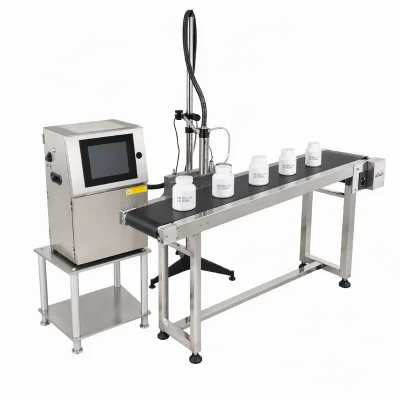


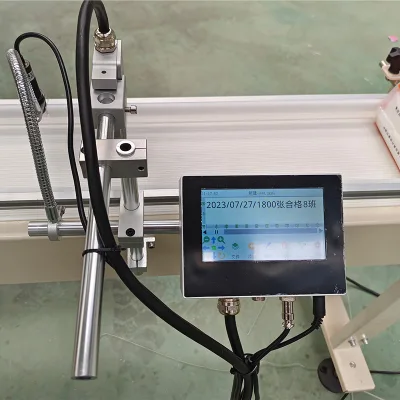
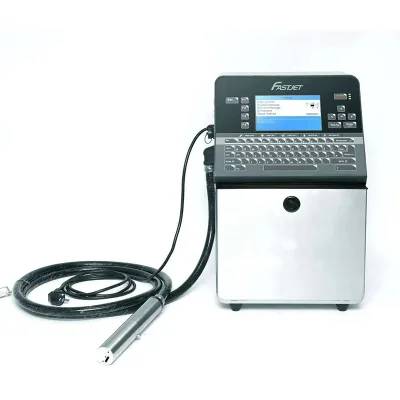
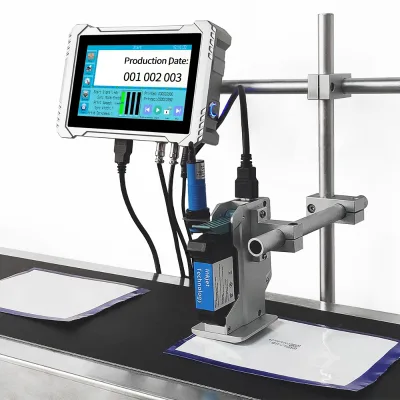
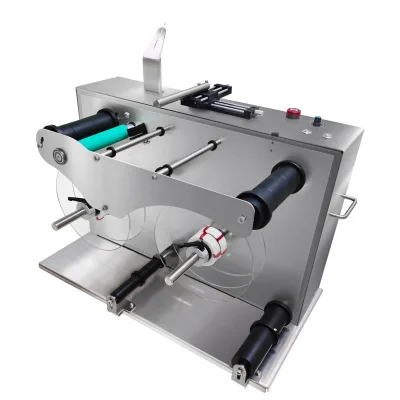
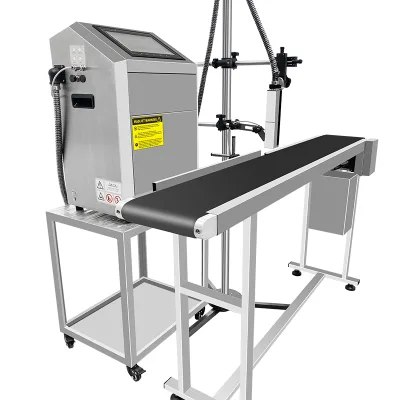
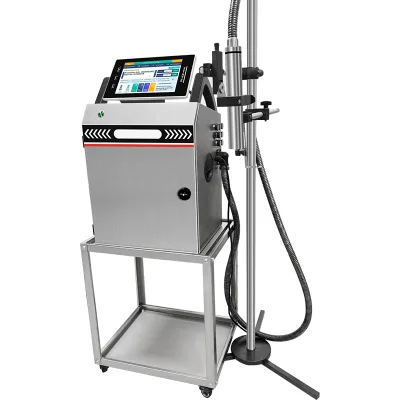
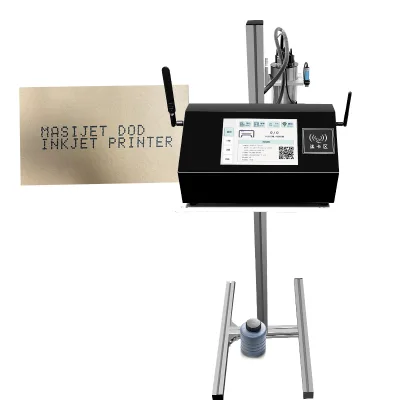
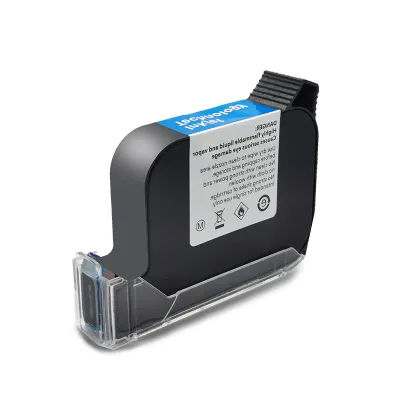
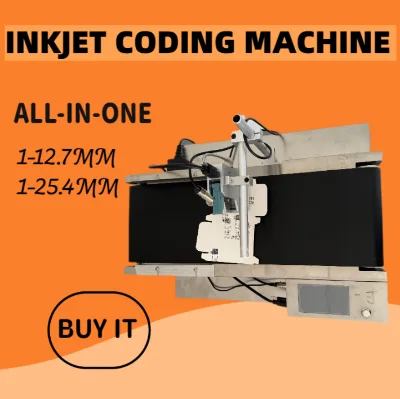

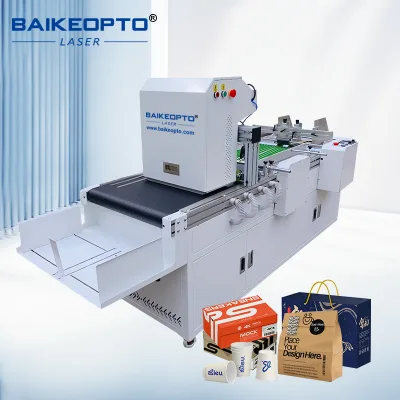
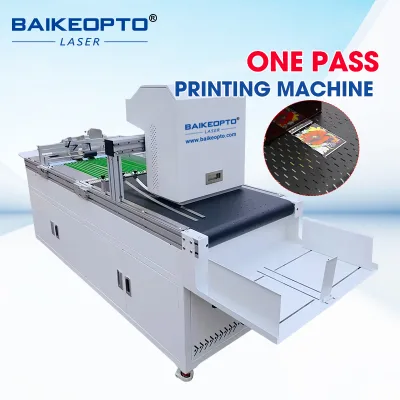


High-Performance Inkjet Printer for Professional Quality Digital Printing
$40100.00 - $68500.00
MOQ: 1 Sets

Fully Automatic Prima-B600 Inkjet Printer for Efficient Coding Solutions
$3800.00 - $4200.00
MOQ: 1 Pieces
Comprehensive Sourcing Guide
Fully Automatic All-In-One Inkjet Printer Sourcing Guide
Procuring a fully automatic all-in-one inkjet printer requires careful alignment of technical capabilities with production line dynamics. The market offers diverse configurations, ranging from high-resolution thermal inkjet systems to continuous jet printers, each suited for specific throughput and marking requirements. Buyers must distinguish between on-line and mobile working patterns to ensure the equipment integrates seamlessly with existing conveyor systems or standalone operations. Understanding these fundamental operational differences is the first step in defining a precise technical specification sheet that prevents costly mismatches between machine capabilities and factory floor realities.
The observed product landscape includes models designed for food, daily industrial, and chemical product applications, highlighting the versatility of modern coding solutions. Attributes such as automatic grade and protection levels like IP55 indicate a focus on durability and ease of integration in demanding environments. However, the presence of manual grade options alongside automatic ones suggests that buyers must explicitly verify the automation level required for their specific workflow. This distinction is critical, as it directly impacts labor requirements, operational speed, and the overall return on investment for the installed base of coding and marking equipment.
Product Scope and Observed Listing Signals
The current market signals indicate a wide variance in product types, including thermal foam coding machines and continuous jet type coders. Specific models such as the WLD-S4 and WLD-180 demonstrate the availability of both thermal inkjet technology and continuous jet principles. Buyers should note that while some units are classified as high-resolution inkjet printers, others are designated as small character inkjet printers, reflecting different printing precision needs. This diversity means that the term "all-in-one" may refer to integrated power and control systems rather than a single universal printing technology, requiring buyers to scrutinize the principle of classification for each candidate unit.
Observed listing details reveal significant variation in physical dimensions and packaging standards, with standard sizes ranging from compact 403516cm units to larger 644570cm configurations. The usage categories span food, drug, daily industrial, and chemical products, suggesting that material compatibility is a key selection criterion. Ink types vary from MEK ink to water-based and quick-dry options, which directly influences safety protocols and substrate compatibility. Buyers must verify that the ink chemistry aligns with the regulatory requirements of their end products, particularly when dealing with food contact surfaces or pharmaceutical packaging, to avoid compliance issues downstream.
Technical Specifications to Verify
Key technical parameters to validate include printing height, speed, and dimension capabilities. Observed specifications show printing heights ranging from 1.5 mm to 25.4 mm, with some models supporting up to nine times enlargement for larger characters. Printing speeds can reach up to 55 meters per minute, which is crucial for high-throughput production lines. Buyers must confirm that the print dimension range, observed between 1.2 mm and 22 mm, accommodates their specific labeling or coding needs. Additionally, the CPU specification, such as a quad-core 1.4 GHz processor, indicates the computational power available for complex graphics, QR codes, and barcodes, ensuring smooth operation without bottlenecks.
Voltage and protection grades are equally critical for operational safety and longevity. The observed voltage options of AC 220V or 110V require verification against local power infrastructure to prevent electrical damage. Protection grades like IP55 suggest resistance to dust and water jets, which is essential for environments where cleaning is frequent or humidity is high. Buyers should also check the printing frame material, with stainless steel being a common durable option, and verify the availability of optional accessories like paging machines or transmission belts. These accessories can significantly enhance the "all-in-one" nature of the solution by reducing the need for external integration components.
Compliance and Safety Documentation
Safety documentation must address the chemical properties of the inks used in the printing process. The observed use of MEK ink, water-based ink, and fast-dry ink necessitates a review of Material Safety Data Sheets (MSDS) for each ink type. MEK-based inks often require specific ventilation and handling protocols due to volatile organic compound emissions, whereas water-based options may offer safer handling profiles. Buyers should ensure that the supplier provides comprehensive safety documentation for all consumables, including dye inks and quick-dry variants, to maintain a safe working environment and comply with occupational health regulations.
Regulatory compliance extends to the electrical and mechanical safety of the printer itself. While specific certification marks are not explicitly listed in the observed data, buyers must request evidence of compliance with local electrical safety standards for the AC 220V/110V systems. The IP55 protection grade implies certain environmental resilience, but formal certification tests should be verified. Additionally, the automatic grade of the machine requires safety interlocks and emergency stop mechanisms to be documented. Buyers should insist on clear operational manuals that detail safety procedures, maintenance schedules, and emergency protocols to mitigate risks associated with high-speed moving parts and electrical components.
Cost Drivers and Commercial Terms
Pricing in the observed market ranges significantly, from approximately $8.4 to $68,500, reflecting the vast difference in technology and capability. Lower-cost units may be manual or mobile systems with limited printing heights, while high-end models offer automatic integration, higher speeds, and advanced software features. Buyers must analyze the total cost of ownership, including ink consumption rates, maintenance intervals, and potential downtime costs. The observed minimum order quantities (MOQ) ranging from 1 to 20 units suggest flexibility for small-scale purchases but may impact unit pricing for larger orders. Understanding these cost drivers helps in budgeting for both initial capital expenditure and ongoing operational expenses.
Commercial terms should clearly define the scope of customization and support services. The observed availability of customization indicates that buyers can tailor features to their specific needs, but this may affect lead times and pricing. Packaging standards, such as standard export carton packing, should be confirmed to ensure safe transit and minimize damage risks. Buyers should negotiate clear terms regarding warranty coverage, spare parts availability, and technical support response times. Additionally, the origin of the products, primarily from Hubei Province, China, may influence shipping logistics and import duties, which should be factored into the final landed cost calculation.
Supplier Qualification and Quality Control
Supplier qualification should focus on manufacturing capabilities and quality assurance processes. The observed product origins in Wuhan City and Hubei Province suggest a concentration of manufacturing expertise in this region. Buyers should verify the supplier's production capacity, quality control protocols, and history of delivering consistent product standards. Requesting factory audits or third-party inspection reports can provide insights into the manufacturing environment and adherence to quality management systems. Additionally, checking the supplier's reputation for after-sales support and technical assistance is crucial, as inkjet printers require regular maintenance and troubleshooting.
Quality control checks should include verification of printing performance and durability. Buyers should request sample prints to evaluate print quality, adhesion, and resistance to smudging or fading. The observed printing content capabilities, including dates, text, batch numbers, QR codes, and barcodes, should be tested for clarity and accuracy. Furthermore, verifying the consistency of the printing frame construction and the reliability of the automatic grade mechanisms is essential. Buyers should also assess the supplier's ability to provide consistent ink supplies and compatible consumables, ensuring long-term operational stability and minimizing the risk of supply chain disruptions.
Long-Term Procurement Checks
Long-term procurement success depends on the availability of consumables and spare parts. Buyers must ensure a stable supply chain for inks, nozzles, and other wear components. The observed variety of ink types, from dye inks to water-based options, requires careful inventory management to avoid compatibility issues. Establishing a contract with the supplier for regular consumable deliveries can prevent production stoppages due to material shortages. Additionally, verifying the availability of technical updates and software upgrades for the printer's control system ensures that the equipment remains current with evolving industry standards and security requirements.
Maintenance and lifecycle management are critical for maximizing the return on investment. Buyers should develop a preventive maintenance schedule based on the manufacturer's recommendations and observed usage patterns. Regular cleaning of nozzles and inspection of electrical components can extend the lifespan of the printer and maintain print quality. Training operational staff on proper usage and basic troubleshooting empowers the team to handle minor issues independently, reducing downtime. Finally, periodically reviewing the performance of the installed base against production goals allows for timely upgrades or replacements, ensuring that the coding and marking solutions continue to meet evolving business needs.
FAQs
What printing technologies are available for fully automatic all-in-one inkjet printer systems?
Thermal inkjet and continuous inkjet technologies are the primary options. Thermal foam coding machines offer high resolution for dates and barcodes. Continuous jet types support MEK or water-based inks for diverse industrial surfaces. Buyers can select based on substrate compatibility and required print speed up to 55 meters per minute for efficient production lines.
Can fully automatic all-in-one inkjet printer units be customized for specific production needs?
Yes, customization is available for many models. Users can adjust printing heights from 1.5mm to 25.4mm and select ink colors like black, white, or red. Optional accessories such as paging machines and transmission belts can be added. This flexibility ensures the equipment integrates seamlessly into existing food, drug, or daily industrial packaging workflows.
What are the typical voltage and protection standards for these inkjet coding machines?
Most units operate on AC 220V or 110V power supplies. Protection grades often reach IP55 for inkjet codes, ensuring durability in industrial environments. The printing frames are typically constructed from stainless steel for corrosion resistance. These standards support reliable operation in food, chemical, and daily industrial applications where hygiene and safety are critical.
How fast can a fully automatic all-in-one inkjet printer print on production lines?
Printing speeds generally range from 0 to 55 meters per minute. This variable speed allows operators to match the pace of conveyor belts accurately. High-resolution models can print dates, batch numbers, and QR codes efficiently. The adjustable speed ensures optimal print quality without compromising throughput in fast-moving packaging environments.
Which industries commonly use fully automatic all-in-one inkjet printer coding machines?
These machines are widely used in food, beverage, drug, chemical, and daily industrial sectors. They print on materials like PVC, metal, cloth, and apparel. The versatile ink types, including dye and fast-dry inks, adhere to various surfaces. This broad applicability makes them essential for compliance labeling and brand protection across multiple manufacturing verticals.
What packaging formats are used for shipping fully automatic all-in-one inkjet printer units?
Units are typically packed in standard export carton boxes or wooden cases. Dimensions vary by model, such as 580x340x230mm or 64x45x70cm. This secure packaging protects sensitive components during transit from origins like Wuhan City, Hubei Province, China. Proper packing ensures the equipment arrives ready for installation and immediate operational deployment.