Source Fully Automatic Jacquard Knitting Machine for Sweaters, Hats, and Scarves
Compare 30 fully automatic jacquard knitting machines from verified suppliers. Options include circular and flatbed models for producing sweaters, hats, scarves, blankets, and gloves with varying gauges and feeder counts; compare the available evidence and request quotations based on your requirements.
Updated
Key considerations
Products List


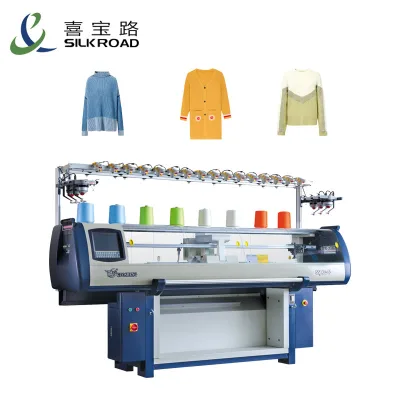
Computerized Double Jacquard Knitting Machine (Two-side Jacquard Design)
$25000.00 - $30000.00
MOQ: 1 Sets


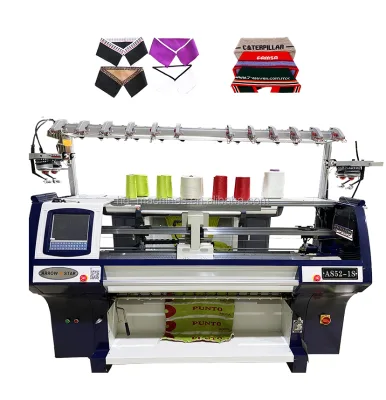
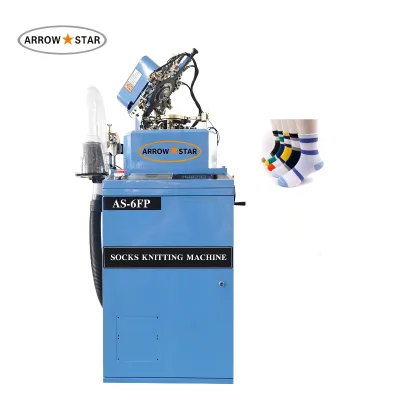
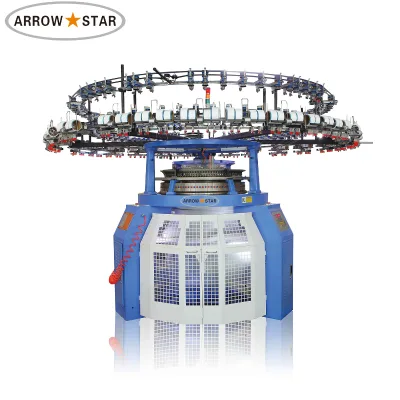
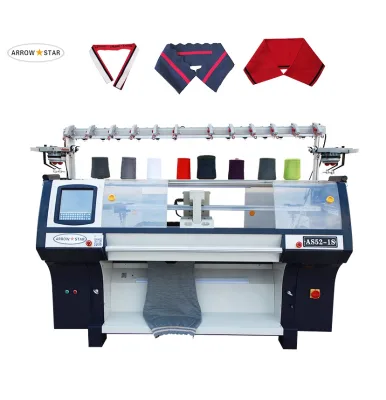
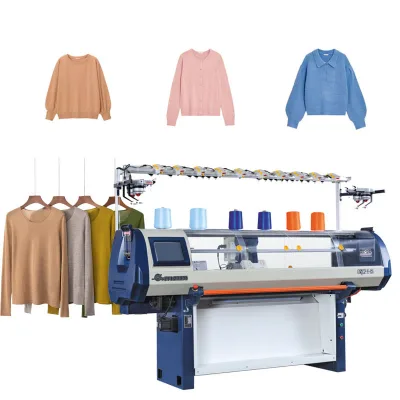
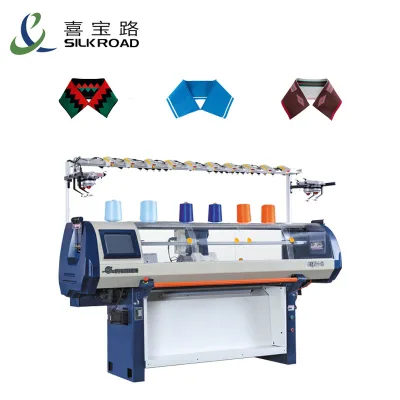
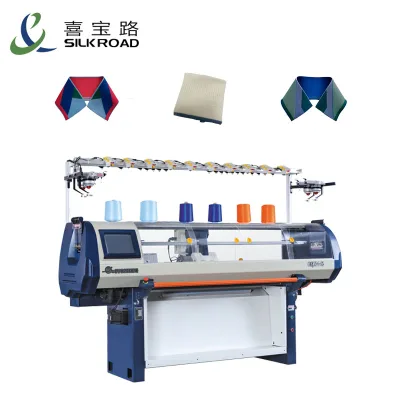
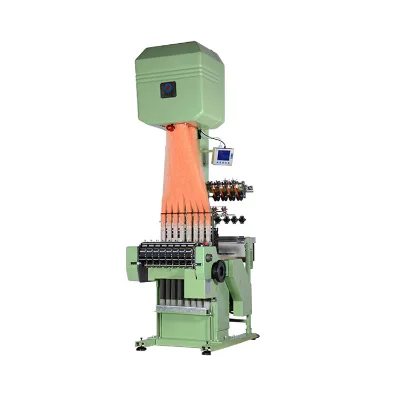
Jacquard Line Ribbed Neck 1*1 Collar Knitting Machine with Warp Style and Motor Core Components
$5967.1772 - $6687.3538
MOQ: 1 sets
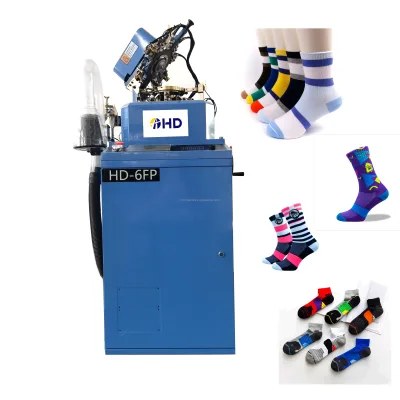
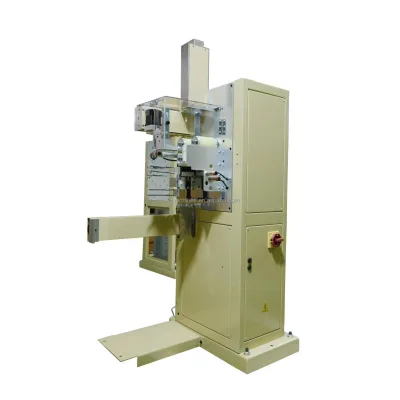
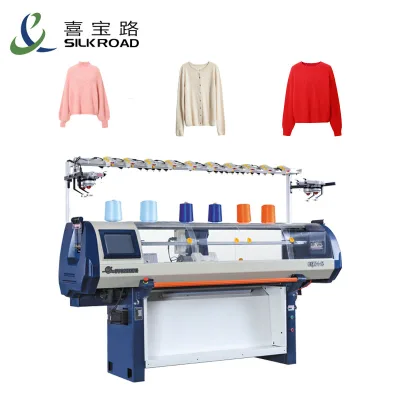
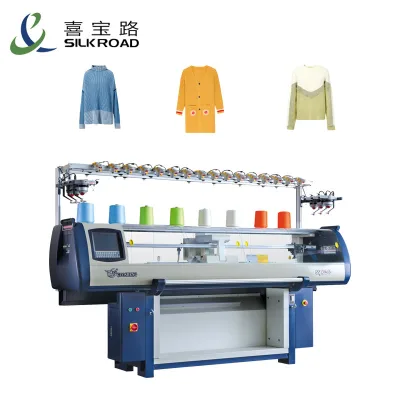
Comprehensive Sourcing Guide
Fully Automatic Jacquard Knitting Machine Sourcing Guide
Procuring a Fully Automatic Jacquard Knitting Machine requires a precise understanding of the diverse machine architectures available in the current market. Buyers must distinguish between circular, flatbed, and specialized warp knitting systems, as each serves distinct production needs. The observed product landscape includes computerized circular knitting machines with latch needles and single or double knitting methods, alongside flatbed models designed for sweaters and accessories. Understanding these fundamental mechanical differences is the first step in aligning machinery capabilities with specific manufacturing goals.
The selection process is further complicated by the wide range of customization options and technical specifications offered by suppliers. From cylinder diameters ranging from thirty to fifty-two inches to gauge variations spanning from one point five to thirty-six, the market offers highly specialized equipment. Buyers should evaluate their required output volume, fabric type, and design complexity before engaging with suppliers. This initial assessment ensures that the chosen machine, whether it is a high-speed collar knitter or a multi-feeder circular unit, matches the operational requirements without unnecessary over-specification.
Product Scope and Observed Listing Signals
The current market listings reveal a broad spectrum of jacquard knitting technologies, primarily categorized by their knitting method and needle configuration. Circular knitting machines are frequently listed with latch needles and computerized controls, featuring cylinder diameters between thirty and thirty-four inches or thirty-four and fifty-two inches. These units often support gauge ranges from three to thirty-six and accommodate between twenty and seventy-two feeders. Such configurations are typically suited for tubular fabrics and high-volume production cycles, offering flexibility in yarn input and pattern complexity.
In contrast, flatbed and specialized warp knitting machines target different product segments, such as sweaters, hats, scarves, and collars. Models like the RSDT-SXTH and AS52-1S are identified as flatbed or fully jacquard collar machines, with gauges ranging from one point five to eighteen or twelve to sixteen. These machines often operate at specific running speeds, such as one point four to one point six meters per second, and utilize control systems from manufacturers like Hengqiang or Rayen. Buyers must carefully match these specific model attributes to their intended end-products, as the mechanical design directly dictates the feasible fabric structures and garment types.
Technical Specifications to Verify
When evaluating technical specifications, the cylinder diameter and gauge are critical parameters that determine the machine’s production capacity and fabric fineness. For circular machines, verifying the exact cylinder diameter, whether in the thirty to thirty-four inch range or the larger thirty-four to fifty-two inch bracket, is essential for determining the maximum fabric width. Similarly, the gauge, which indicates the number of needles per inch, must align with the desired yarn thickness and fabric density. Buyers should confirm the feeder count, which can range from twenty to seventy-two, as this directly impacts the machine’s ability to handle complex color patterns and multi-yarn setups.
For flatbed and specialized machines, the knitting style and control system are paramount. The AS52-1S model, for instance, is noted for its double racking and double roller features, which enhance pattern versatility for sweater production. The control system, often specified as Hengqiang or Rayen, plays a crucial role in pattern execution and machine stability. Additionally, the power requirements, typically AC220V or AC380V at fifty or sixty hertz, must be verified against the facility’s electrical infrastructure. Ensuring these technical details are accurately documented prevents operational mismatches and ensures seamless integration into the existing production line.
Compliance and Safety Documentation
Compliance with international safety and quality standards is a non-negotiable aspect of sourcing industrial knitting machinery. Many listed machines carry CE certification, indicating adherence to European health, safety, and environmental protection standards. This certification is particularly important for buyers operating in or exporting to regions with strict regulatory frameworks. Additionally, ISO9001 certification is frequently mentioned, signaling that the manufacturer follows established quality management principles. Buyers should request valid certificates and verify their authenticity with the issuing bodies to ensure that the supplier maintains consistent quality control processes.
Beyond certifications, buyers must ensure that the machinery meets local electrical and mechanical safety regulations. The power specifications, such as AC220V or AC380V, must be compatible with the local grid, and appropriate grounding and emergency stop mechanisms should be present. Documentation should include detailed electrical schematics, maintenance manuals, and safety warnings in the buyer’s language. Verifying that the machine’s design incorporates necessary safety guards and interlocks protects operators and reduces the risk of workplace accidents, ensuring long-term operational safety and regulatory compliance.
Cost Drivers and Commercial Terms
The cost of a Fully Automatic Jacquard Knitting Machine is influenced by several key factors, including the machine type, gauge, feeder count, and level of automation. Circular machines with higher feeder counts and larger cylinder diameters typically command higher prices due to their increased complexity and production capacity. Similarly, flatbed machines with advanced control systems and specialized features like double racking may also be priced at a premium. Buyers should expect a wide price range, reflecting the diversity of specifications and capabilities available in the market.
Commercial terms such as minimum order quantity, packaging, and shipping dimensions also impact the total cost of ownership. Most listings indicate a minimum order quantity of one unit, allowing for flexible procurement. Packaging is typically specified as wooden boxes or cases, which must be considered for shipping logistics and protection during transit. Standard packing dimensions, such as two point eight five by one point one one by one point eight meters, help buyers calculate freight costs and warehouse space requirements. Understanding these commercial details ensures accurate budgeting and avoids unexpected expenses related to logistics and handling.
Supplier Qualification and Quality Control
Supplier qualification is a critical step in mitigating procurement risks. Buyers should verify the manufacturer’s production capabilities, including factory size, equipment, and workforce expertise. Requesting video tours or third-party audit reports can provide insights into the manufacturing process and quality control measures. Suppliers with ISO9001 certification are generally more reliable, as they adhere to standardized quality management practices. Additionally, checking the supplier’s history of exports and customer feedback can reveal their reliability and after-sales support capabilities.
Quality control should extend to the pre-shipment inspection process. Buyers should define clear acceptance criteria for machine performance, including knitting speed, pattern accuracy, and mechanical stability. Conducting a factory acceptance test before shipment ensures that the machine meets the specified technical parameters. It is also advisable to verify the availability of spare parts and technical support. A supplier that offers comprehensive training and responsive after-sales service adds significant value, reducing downtime and ensuring the machine operates efficiently throughout its lifecycle.
Long-Term Procurement Checks
Long-term procurement success depends on establishing a robust relationship with the supplier and ensuring ongoing support. Buyers should negotiate clear warranty terms, including the duration and coverage of parts and labor. Regular maintenance schedules and access to genuine spare parts are essential for minimizing operational disruptions. Suppliers that provide detailed maintenance manuals and offer remote technical support can significantly enhance machine uptime and longevity. Establishing a clear communication channel for technical queries ensures that issues are resolved promptly.
Furthermore, buyers should monitor technological advancements in jacquard knitting machinery to stay competitive. The industry is evolving with improvements in control systems, energy efficiency, and automation levels. Periodic reviews of the supplier’s product portfolio can reveal opportunities for upgrades or additional purchases. Maintaining a record of machine performance and maintenance history helps in making informed decisions about future procurement. By focusing on long-term partnership and continuous improvement, buyers can maximize the return on investment and sustain high-quality production standards.
FAQs
What customization options are available for these machines?
Customization is available for the fully automatic jacquard knitting machines listed. Buyers can select specific models like RSDT-D or RSDT-M based on their production needs. The machines support various knitting methods including single and double systems to meet diverse garment requirements.
Which cylinder diameters are offered for circular knitting machines?
Circular knitting machines are offered with cylinder diameters ranging from 30 to 34 inches or 34 to 52 inches depending on the model. These specifications allow for different production capacities and fabric widths. Buyers should verify the exact diameter required for their specific Jacquard knitting applications.
Can I find machines with ISO9001 certification from China?
Yes, machines with ISO9001 certification are available from suppliers in China. Some models also carry CE certification alongside ISO9001 standards. These certifications indicate adherence to quality management systems and safety requirements for industrial knitting equipment used in global manufacturing environments.
What is the typical running speed for these knitting machines?
The running speed for these machines is typically around 1.4 meters per second or 1.6 meters per second depending on the specific model. This speed supports efficient production of items like sweaters, hats, and scarves. Buyers should check the specific model specifications to confirm the exact operational speed.
How many feeders are available on these circular knitting machines?
Feeders on these circular knitting machines range from 20 to 72 feeders or 42 to 60 feeders depending on the configuration. This variation allows for different levels of pattern complexity and production throughput. The number of feeders directly impacts the machine's capability to handle complex Jacquard designs.
What packing methods are used for shipping these machines?
Machines are shipped using wooden boxes or wooden case packing methods to ensure safe transport. Some specific models utilize standard packing dimensions like 2.85 by 1.11 by 1.8 meters. This robust packaging protects the equipment during international shipping from China to various global destinations.
Which needle styles are compatible with these knitting machines?
Compatible needle styles include latch needles for circular knitting machines and flatbed configurations for other models. The machines support gauges ranging from 1.5g to 36g depending on the specific type. This flexibility allows manufacturers to produce a wide variety of textile products with different textures.