Industrial Snap Button Suppliers and Manufacturers - 29 Factories
Compare 29 verified Industrial Snap Button suppliers on response times, lead times, certifications, and pricing. Review product specs like brass material and nickel-free features, then request samples to verify quality before placing orders; review the available evidence before requesting comparable quotations from suitable candidates.
Updated
Suppliers List
- Verified by SGS Group
- Manufacturer, Trading Company
- Lead time0 days
- Avg. response≤ 4h
Main productsGarment Hardware, Curtain Ring, Curtain Hardware
Main marketsCentral America(75%), Central America(20%), North America(5%)

Dongguan Hingye Button Products Co., Ltd.
- Verified by CTI
- Combined
- China Guangdong
- Lead time15 days
- Avg. response≤ 11h
Main productsMetal Button, ABS Button, Metal Buckle, Metal Snap Button, Metal Jeans Button, Metal Rivet, Rubber Button, Nylon Button, Plastic Button, Metal Popper Snap Button
Main marketsSouth America,Domestic,Europe,North America


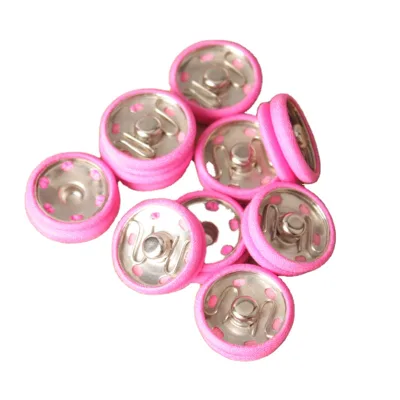
Snap Button Rubber Cap Snap Button Soft Silicone Two Colors Snap Button
$0.085 - $0.185
MOQ: 2000 Sets

Metal Fastener Snap Button Snap Press Button Metal Ring Snap Press Buttons for Garment Accessories
$0.035 - $0.25
MOQ: 2000 Sets

Metal Fastener Snap Button Garment Metal Accessories Metal Brass Ring Spring Snap Press Button
$0.085 - $0.185
MOQ: 2000 Sets


GUANGZHOU SAKES GARMENTS ACCESSORIES CO., LTD.
- Verified by TUVRHEINLAND
- Trading Company
- China Guangdong
- Lead time15 days
- Avg. response≤ 11h
Main productsMetal Button, Rivet, Belt, Zipper, Lace, Leather Patch, Metal Buckle, Plastic Button, Metal Eyelet, Keychain
Main marketsSouth America

Dongguan Hanpu Electronic Technology Co., Ltd.
- Manufacturer, Trading Company
- Guangdong, China
- Lead time15 days
- Avg. response≤ 2h
Main productsusb cable,audio&video cable,ethernet cable,cable assembly,wire harness
Main marketsNorth America(20.00%), Northern Europe(15.00%), Western Europe(15.00%), Southern Europe(10.00%), Southeast Asia(10.00%), Domestic Market(8.00%), Eastern Europe(6.00%), South America(5.00%), South Asia(2.00%), Oceania(2.00%), Mid East(2.00%), Central America(2.00%), Eastern Asia(2.00%), Africa(1.00%)

Hangzhou Yuming Garment Accessories Co., Ltd.
- Verified by BV
- Trading Company
- China Zhejiang
- Lead time30 days
- Avg. response≤ 3h
Main productsButton, Patch, Rivet, Eyelet, Zipper, Zipper Puller, Resin Buckle, Underwear Accessories, Snap Hook, Garment Hook
Main marketsSouth America,Southeast Asia/ Mideast,Europe,North America

Xiamen Neostar Trade Co., Ltd.
- Verified by SGS
- Trading Company
- China Fujian
- Lead time23 days
- Avg. response≤ 6h
Main productsMetal Button, Clothing Metal Label, Bag Metal Tag, Zipper Puller, Pin Badge, Leather Patch, Rubbert Patch, Heat Transfer Label, Metal Buckle, Clothing Label
Main marketsSoutheast Asia/ Mideast,Europe,North America


Snap Button Buttonbuttonbutton Customize Logo Eco-Friendly Metal Snap Button for Garment
$0.03 - $0.04
MOQ: 1000 Pieces

- Trading Company
- Taiwan, China
- Lead time15 days
- Avg. response≤ 7h
Main productsGarment & Processing Accessories,Luggage & Backpack accessories,Garment Buckle,Garment Button,Trims
Main marketsNorth America(30.00%), South Asia(20.00%), Southern Europe(10.00%), Domestic Market(10.00%), Eastern Europe(10.00%), Mid East(10.00%), Northern Europe(5.00%), Western Europe(5.00%)
Foshan Glory Buttons Co., Ltd.
- Verified by Intertek
- Trading Company
- Lead time15 days
- Avg. response≤ 2h
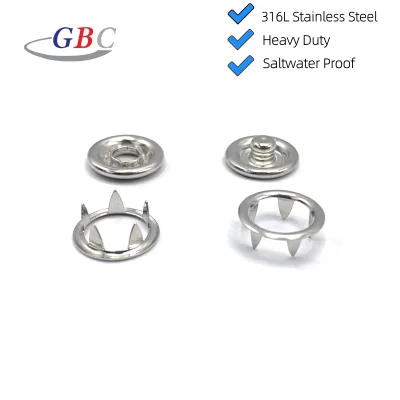
Main productsSnap Buttons, Prong Snap Buttons, Jeans Buttons, Eyelets, Aglets
Main marketsDomestic Market(30%), North America(20%), South America(10%)
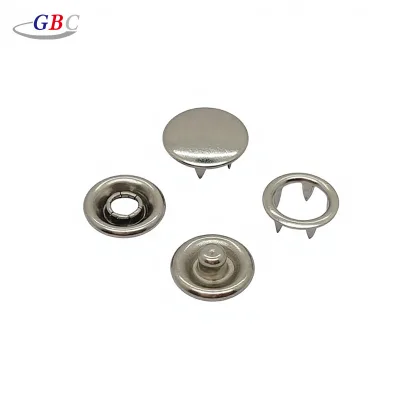
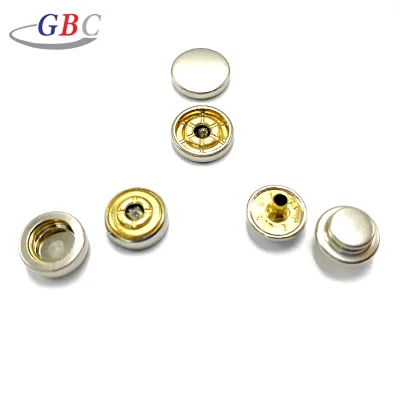
Hot Sale Flatback Snap Spring Button for Garment Clothing Pants Nickel Plating Sustainable Style
$0.0205 - $0.0513
MOQ: 5000 pieces

Dongguang D&G Industrial Co., Ltd.
- Verified by SGS
- Combined
- China Guangdong
- Lead time15 days
- Avg. response≤ 1h
Main productsJeans Buttons, Jeans Rivets, Snap Fasteners, Pronged Snap Fasterners, Eyelets, Metal Plates, Dress Hooks, Metal Buckles, Snap Button, Sew-on Buttons
Main marketsEurope

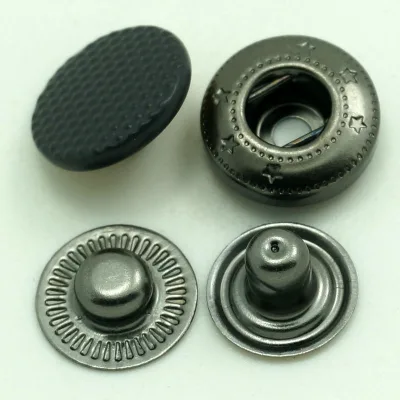
Buttons Wholesaler Fashion Black Coated Metal Buttons Quality Durable Snap Fastener Buttons
$0.03 - $0.13
MOQ: 5000 Pieces


Shenzhen Jiuzhou Weili Garment Accessories Co., Ltd.
- Verified by TUVRHEINLAND
- Trading Company
- China Guangdong
- Lead time15 days
- Avg. response≤ 4h
Main productsButton
Main marketsOthers(foreignTradeCapacity.exportBusinessCapacityMarketOther),Europe,North America
Hangzhou Daya Textile Co., Ltd.
- Trading Company
- Zhejiang, China
- Lead time20 days
- Avg. response≤ 5h
Main productsZipper&slider,Tape&Webbing,Thread&yarn,Garment accessory,Tailoring Material
Main marketsSouth America(60.00%), Domestic Market(10.00%), South Asia(10.00%), Mid East(10.00%), North America(10.00%)

Wenzhou Yigou Trading Co., Ltd
- Verified by CTI
- Trading Company
- China Zhejiang
- Lead time30 days
- Avg. response≤ 4h
Main productsClothing Accessories, Label Printing Material, Polyester Satin, Seal Tag, Rubber Label, Plastic Seal Tag, Woven Label, Label Ribbon TTR Ribbon, Cotton Tape, Woven Edge Satin Ribbon
Main marketsSoutheast Asia/ Mideast,Europe
Foshan Nanhai Gola Hardware Co., Ltd.
- Manufacturer, Trading Company
- Guangdong, China
- Lead time7 days
- Avg. response≤ 10h
Main productsbutton,buckle,Badge,Customized,eyelet
Main marketsDomestic Market(30.00%), Southeast Asia(12.00%), Eastern Asia(10.00%), Mid East(10.00%), Western Europe(10.00%), North America(10.00%), South Asia(5.00%), Northern Europe(5.00%), Africa(5.00%), Eastern Europe(3.00%)
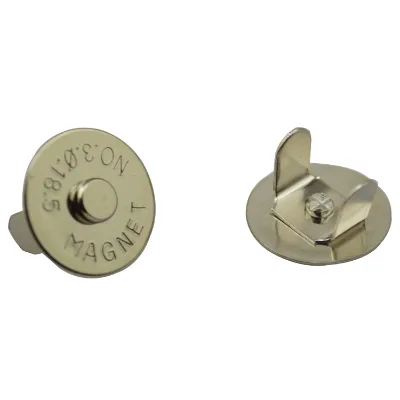
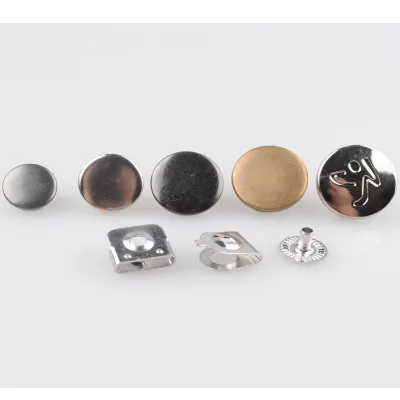
Factory Direct High Quality Magnetic Snap Button for Apparel Durable and Plated Wholesale
$0.048 - $0.05
MOQ: 10000 sets
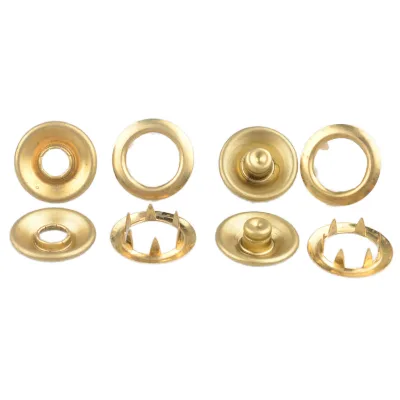
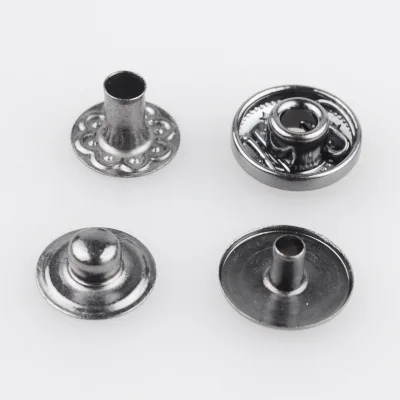
$0.048 - $0.05
MOQ: 10000 sets
$0.0493 - $0.0513
MOQ: 10000 sets

- Verified by TUVRHEINLAND
- Trading Company,Manufacturer/Factory
- China Zhejiang
- Lead time23 days
- Avg. response≤ 9h
Main productsGarment Accessories, Zipper, Button, Lace Trim, Metal Zipper, Nylon Zipper, Plastic Zipper, Metal Button, Snap Button, Cotton Lace
Main marketsNorth America,Africa
Shenzhen Hexingzhengye Technology Co., Ltd.
- Verified by Intertek
- Manufacturer, Trading Company
- Lead time20 days
- Avg. response≤ 3h
Main products4-in-1 plastic snap button, Adjustable clasp, One Time Use Festival Wristband Barrel Lock, One-way sliding clasp

Foshan Jusfer Metal Products Co., Ltd.
- Manufacturer, Trading Company
- Guangdong, China
- Lead time15 days
- Avg. response≤ 10h
Main productsbelt buckle,buttons,cloth covered buckle,fabric covered button,fabric cover snap button
Main marketsEastern Asia(50.00%), Domestic Market(20.00%), Mid East(10.00%), South Asia(10.00%), Northern Europe(10.00%)
Shenzhen Guanhua Button Co., Ltd.
- Verified by TüVRheinland
- Manufacturer, Trading Company
- Lead time15 days
- Avg. response≤ 5h
Main productsProng Snap Button, Spring Snap Button, Jeans Button, Metal Plate, Eyelets
Main marketsSouth Asia(22%), Eastern Asia(20%), North America(15%)

- Verified by BV
- Trading Company,Manufacturer/Factory
- China Zhejiang
- Lead time23 days
- Avg. response≤ 6h
Main productsGarment Accessories, Zipper, Button, Lace Trim, Metal Zipper, Nylon Zipper, Plastic Zipper, Metal Button, Snap Button, Cotton Lace
Main marketsNorth America,Africa
KAM WAH INDUSTRIAL COMPANY LIMITED
- Trading Company
- Hong Kong S.A.R.
- Lead time30 days
- Avg. response≤ 6h
Main productsPLASTIC SNAP,SNAP FASTENER,SNAP TAPE,BAG BUCKLE,SHOES BUCKLE
Main marketsDomestic Market(38.00%), Western Europe(20.00%), North America(18.00%), Northern Europe(5.00%), South America(5.00%), Southeast Asia(5.00%), South Asia(2.00%), Southern Europe(2.00%), Eastern Europe(2.00%), Africa(2.00%), Mid East(1.00%)

NINGBO NCJN IMPORT AND EXPORT CO., LTD.
- Verified by TUVRHEINLAND
- Trading Company
- China Zhejiang
- Lead time15 days
- Avg. response≤ 13h
Main productsGarment Accessories, Zipper, Button, Lace, Tape, Velcro Tape, Hook and Eye Tape, Ring and Slider, Bra Cup
Main marketsSouth America,Africa,Southeast Asia/ Mideast,East Asia(Japan/ South Korea),Europe,Australia,North America

Fujian Hansight International Trading Co., Ltd.
- Trading Company
- Fujian, China
- Lead time10 days
- Avg. response≤ 8h
Main productsMetal Button,Zipper,Eyelet,Woven label,Metal label
Main marketsCentral America(100.00%), Southern Europe(100.00%), Eastern Asia(100.00%), Mid East(100.00%), Oceania(100.00%), Africa(100.00%), South Asia(100.00%), Northern Europe(100.00%), South America(100.00%), Domestic Market(100.00%), Eastern Europe(55.00%), Western Europe(20.00%), Southeast Asia(15.00%), North America(10.00%)

Ningbo Yue Na Import & Export Co., Ltd.
- Verified by TUVRHEINLAND
- Trading Company
- China Zhejiang
- Lead time23 days
- Avg. response≤ 3h
Main productsLace, Thread, Button, Ribbon, Zipper, Tailors Materials, Fabric, Reflective Materials, Sewing Machine Part, Bra Parts
Main marketsSouth America,Africa,Southeast Asia/ Mideast,Europe,North America
DongGuan FuMing Button Co., Ltd.
- Manufacturer
- Guangdong, China
- Lead time10 days
- Avg. response≤ 17h
Main productsPlastic Snap Button,Snap Button Attaching Machine
Main marketsDomestic Market(77.00%), North America(5.00%), South Asia(4.00%), Eastern Europe(2.00%), Southern Europe(2.00%), Northern Europe(2.00%), South America(1.00%), Oceania(1.00%), Central America(1.00%), Africa(1.00%), Western Europe(1.00%), Southeast Asia(1.00%), Eastern Asia(1.00%), Mid East(1.00%)
Hangzhou Yijinhui Network Technology Co., Ltd.
- Trading Company
- Zhejiang, China
- Lead time0 days
- Avg. response≤ 4h
Main productsButtons, Zippers, Metal Jewelry, Rhinestones, Fabrics
Main marketsNorth America(50.00%)
Yongjia Dongsheng Garment Accessories Co., Ltd.
- Manufacturer, Trading Company
- Zhengjiang, China
- Lead time0 days
- Avg. response≤ 3h
Main productsbutton,buckle,hook,garment accessories,fastener
Main marketsDomestic Market(20.00%), Southeast Asia(15.00%), Eastern Asia(15.00%), South Asia(15.00%), North America(10.00%), South America(10.00%), Africa(5.00%), Mid East(5.00%), Northern Europe(3.00%), Eastern Europe(2.00%)
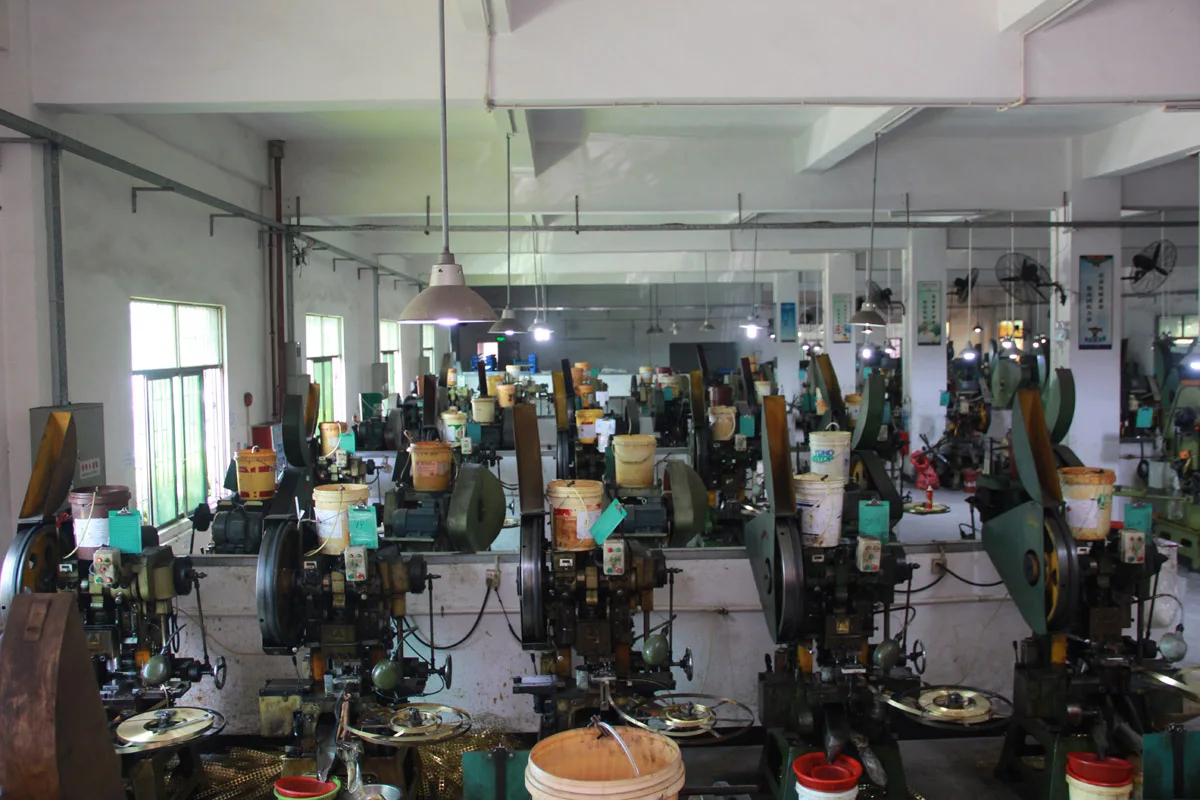
Dongguan Niuniu Industrial Co., Ltd.
- Manufacturer, Trading Company
- Guangdong, China
- Lead time10 days
- Avg. response≤ 1h
Main productsKeychain,Bottle opener,Magnet,Crafts,Badge
Main marketsNorth America(30.00%), South Asia(25.00%), Domestic Market(15.00%), Southeast Asia(12.00%), South America(8.00%), Western Europe(5.00%), Southern Europe(3.00%), Northern Europe(2.00%)
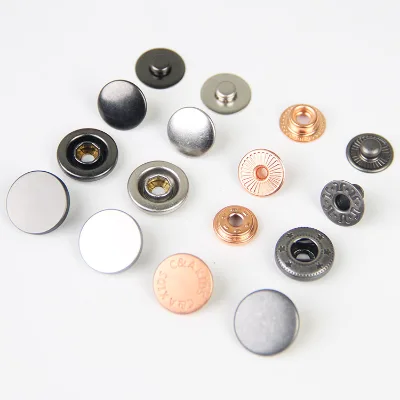
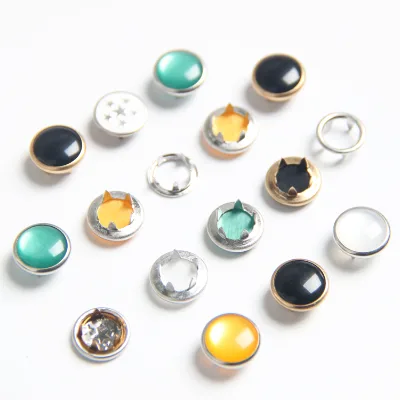
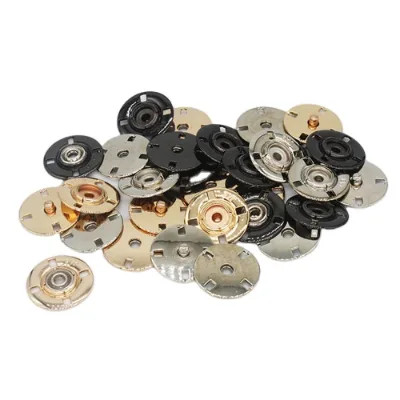
Factory Custom Black Silver Gold Brass Zinc Alloy Snap Press Stud Metal Snap Button for Coat Clothes
$0.02 - $0.05
MOQ: 100 sets

- Trading Company,Manufacturer/Factory
- China Zhejiang
- Lead time30 days
- Avg. response≤ 6h
Main productsFabric, Trimming, Lace, Tape, Zipper, Sewing Thread, Button, Scissors, Garments Accessories, Sewing Machine Parts
Main marketsSouth America,Eastern Europe,Mid East,North America,Southeast Asia,Eastern Asia,Oceania,Western Europe,Africa
Ningbo L&B Import & Export Co., Ltd.
- Verified by SGS Group
- Trading Company
- Lead time10 days
- Avg. response≤ 4h
Main productsButton, Lace, Blouse, Patch
Main marketsNorth America(30%), South America(30%), Eastern Europe(20%)

Phoenix Flame Holdings Limited
- Verified by BV
- Manufacturer/Factory,Group Corporation
- China Guangdong
- Lead time15 days
- Avg. response≤ 9h
Main productsWebbing Cords Buttons Zipper Drawcord & Shoelace, Label Lace Lanyard Wristband, Embroidery Patches Beaded Applique Belt, Underwear Accessories TPU Rubber Tape
Main marketsSouth America,Eastern Europe,North America,Southeast Asia,Oceania,Western Europe,Africa




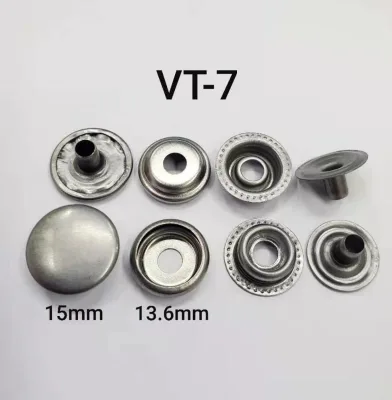
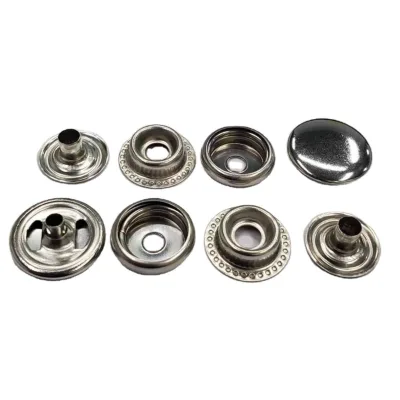


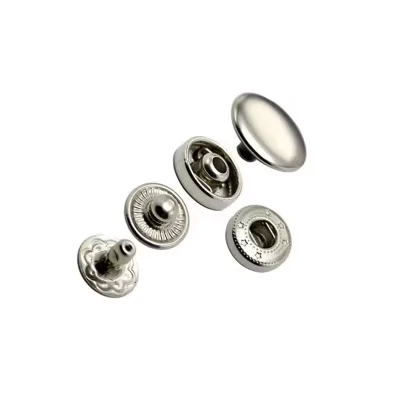
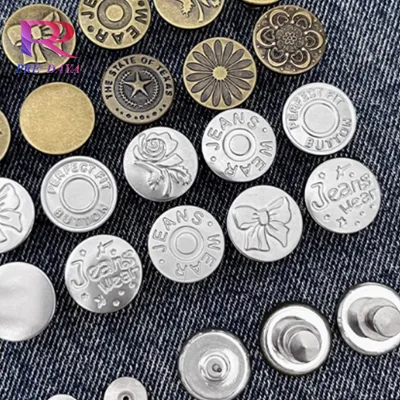




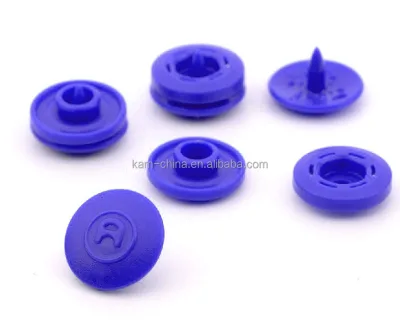
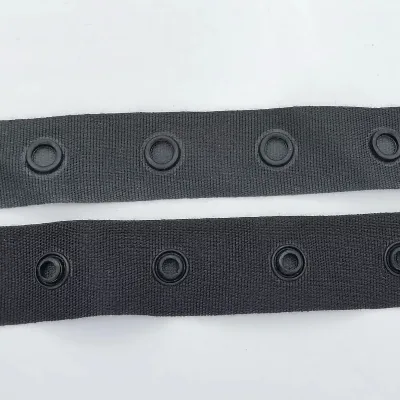


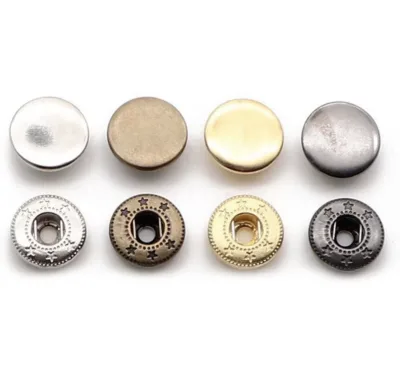
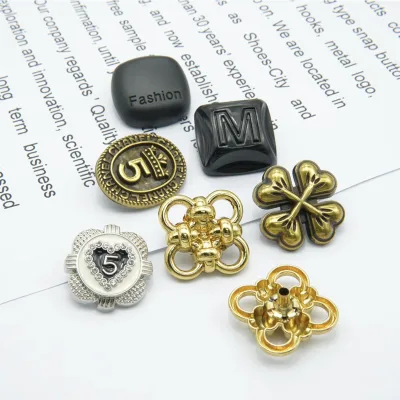






Comprehensive Sourcing Guide
Industrial Snap Button Supplier Concentration and Factory Types
The Industrial Snap Button market features a diverse mix of manufacturing entities, ranging from specialized factories to broader trading companies. Current data indicates that suppliers are categorized as Manufacturers, Trading Companies, or Combined entities, each offering distinct advantages for different procurement strategies. Manufacturers typically provide direct access to production lines, which can facilitate tighter control over quality assurance and customization processes. In contrast, trading companies often aggregate products from multiple sources, offering a wider variety of styles and materials in a single order. This structural diversity allows buyers to select partners based on whether they prioritize direct factory pricing and customization or the convenience of a consolidated supply chain. Understanding these company types is the first step in aligning supplier capabilities with specific project requirements, ensuring that the chosen partner can meet volume and specification needs effectively.
Location plays a significant role in supplier selection, with some results indicating operations in China Guangdong. This region is known for its robust manufacturing infrastructure and supply chain efficiency, particularly for hardware and garment accessories. When evaluating suppliers from this area, buyers should consider the logistical benefits of established industrial clusters, which often result in faster material sourcing and competitive pricing. However, it is crucial to verify the actual operational base of each supplier, as trading companies may list locations that differ from their manufacturing partners. Buyers should look for clear indications of factory ownership versus pure trading operations to avoid misunderstandings regarding communication channels and production oversight. By distinguishing between these entity types and verifying their geographic bases, buyers can build a more resilient and transparent sourcing strategy for industrial snap buttons.
How to Verify Industrial Snap Button Suppliers
Verification is a critical step in mitigating risk when sourcing industrial snap buttons from international suppliers. Current data highlights that some suppliers hold verification from recognized third-party inspection groups, such as SGS Group and CTI. These verifications provide an additional layer of confidence regarding the supplier’s business legitimacy and operational capabilities. Buyers should prioritize suppliers who display these verification badges, as they indicate that an independent party has assessed the company’s credentials. However, verification alone is not a guarantee of product quality or delivery reliability. It is essential to cross-reference these badges with other due diligence measures, such as reviewing past transaction history and customer feedback. This multi-layered approach ensures that the supplier is not only legally compliant but also commercially stable and capable of fulfilling orders consistently.
Beyond basic verification, buyers should assess the supplier’s technical certifications and quality management systems. Some suppliers in this category hold ISO9001:2015 certificates, which demonstrate a commitment to standardized quality processes. This certification is particularly relevant for industrial snap buttons, where consistency in dimensions, material strength, and plating quality is paramount. Buyers should request copies of these certificates and verify their validity through the issuing body. Additionally, it is important to inquire about specific product testing standards, such as nickel-free compliance, which is a common requirement for garment accessories. Suppliers who proactively provide this information are likely more transparent and reliable. By combining third-party verification badges with technical certifications and product-specific test results, buyers can significantly reduce the risk of partnering with unreliable vendors.
What to Compare Across Industrial Snap Button Suppliers
When evaluating multiple suppliers for industrial snap buttons, buyers must compare key operational metrics to identify the best fit for their needs. Response time is a critical indicator of supplier efficiency and communication quality. Data shows that response times can vary, with some suppliers responding within four hours and others taking up to ten hours. Faster response times often correlate with better customer service and quicker resolution of inquiries, which is vital for maintaining project timelines. Buyers should prioritize suppliers with shorter response windows, especially for urgent orders or complex customization requests. This metric serves as a proxy for the supplier’s overall operational agility and their ability to handle real-time communication effectively. Comparing these response speeds across potential partners helps buyers gauge the level of support they can expect throughout the procurement process.
Another vital comparison point is the minimum order quantity (MOQ) and pricing structure. MOQs can range significantly, from as low as two pieces for samples to thousands of units for bulk production. For example, some suppliers offer an MOQ of two for specific snap button models, while others require orders of 2,000 or 2,880 units. Buyers should align these MOQs with their production volume requirements to avoid excessive inventory costs or stockouts. Pricing also varies, with some products listed between $0.035 and $0.25 per unit, depending on material and complexity. Additionally, lead times for production and samples should be compared. Some suppliers offer sample lead times of three to seven days, while production lead times may extend to fifteen days. By systematically comparing MOQs, prices, response times, and lead times, buyers can make data-driven decisions that optimize cost and efficiency.
Common Industrial Snap Button Sourcing Risks
One of the primary risks in sourcing industrial snap buttons is the discrepancy between sample quality and bulk production. Suppliers may provide high-quality samples that do not reflect the consistency of mass-produced items. This risk is particularly relevant for products with specific material requirements, such as brass or nickel-free plating. Buyers should ensure that the supplier has robust quality control processes in place to maintain consistency across large orders. Requesting pre-shipment inspections or third-party quality checks can help mitigate this risk. Additionally, buyers should verify that the materials used in bulk production match the specifications of the approved sample. This includes checking for variations in color, size, and mechanical strength. By implementing strict quality verification steps, buyers can prevent costly rejections and delays caused by substandard bulk orders.
Another significant risk is the potential for communication breakdowns regarding customization and technical specifications. Industrial snap buttons often require precise dimensions and specific plating finishes, such as antique silver or black nickel. Misunderstandings in these details can lead to products that are unusable for the intended application. Buyers should provide detailed technical drawings and specifications to avoid ambiguity. It is also important to confirm the supplier’s capability to handle OEM and ODM requests, as some suppliers may lack the necessary machinery or expertise. Clear documentation and regular communication checkpoints can help ensure that both parties are aligned on expectations. Furthermore, buyers should be cautious of suppliers who do not clearly state their customization capabilities or response to technical queries. Proactive risk management through detailed specifications and clear communication is essential for successful sourcing.
Industrial Snap Button Regional Sourcing and Logistics
Sourcing industrial snap buttons from specific regions can impact logistics costs and delivery times. Current data indicates that some suppliers are located in China Guangdong, a major manufacturing hub for hardware and garment accessories. This region benefits from a mature supply chain ecosystem, which can lead to faster material sourcing and competitive production costs. Buyers should consider the logistical advantages of sourcing from this area, including proximity to major ports and established shipping routes. However, it is important to verify the actual location of the manufacturing facility, as trading companies may list different addresses. Understanding the supplier’s geographic base helps buyers estimate transit times and calculate total landed costs accurately. This information is crucial for planning inventory levels and ensuring timely delivery to end customers.
Logistics planning should also account for packaging and shipping requirements. Industrial snap buttons are often packed in boxes with specific dimensions and weights, such as 10x9x1 cm packages with a gross weight of 0.030 kg per unit. Buyers should confirm the packing details with the supplier to optimize container space and reduce shipping costs. Additionally, it is important to inquire about the supplier’s experience with international shipping and their ability to handle customs documentation. Suppliers who are familiar with export procedures can help streamline the logistics process and avoid delays. Buyers should also consider the impact of regional trade policies and tariffs on their sourcing strategy. By carefully evaluating the logistical implications of regional sourcing, buyers can optimize their supply chain for efficiency and cost-effectiveness.
Industrial Snap Button Commercial Terms and Order Planning
Commercial terms and order planning are essential components of a successful sourcing strategy for industrial snap buttons. Buyers should clearly define the payment terms, delivery schedules, and return policies with their chosen supplier. Some suppliers offer sample orders with specific lead times, such as three to seven days, which can be useful for testing quality before committing to bulk production. It is important to confirm whether the supplier accepts OEM and ODM orders, as this can affect pricing and production timelines. Buyers should also inquire about the supplier’s capacity for customized orders, as some may have limitations on production volume or design complexity. Clear communication of these commercial terms helps prevent misunderstandings and ensures that both parties are aligned on expectations.
Order planning should also consider the supplier’s production capacity and lead times. Data indicates that production lead times can vary, with some suppliers offering fifteen-day lead times for standard orders. Buyers should factor in these lead times when planning their production schedules to avoid stockouts or delays. Additionally, it is important to discuss the supplier’s policy for handling rush orders or changes in order quantity. Some suppliers may offer flexibility in production scheduling, while others may have strict deadlines. By understanding these commercial terms and planning accordingly, buyers can minimize risks and ensure a smooth procurement process. Regular communication with the supplier throughout the order lifecycle is also crucial for addressing any issues that may arise and maintaining a strong business relationship.
FAQs
What is the price range for industrial snap buttons?
Industrial snap buttons typically cost between $0.035 and $0.25 per unit. Prices vary based on material, such as brass or metal, and specific model numbers like SA101-W or CP03. Buyers should check individual product listings for exact pricing tiers and volume discounts available from verified manufacturers.
What is the minimum order quantity for snap buttons?
Minimum order quantities vary significantly by supplier and product type. Some suppliers accept orders as low as two units for samples, while others require bulk purchases of 2,000 to 2,880 pieces. Buyers should verify the specific MOQ for their chosen model, such as the 17 ligne parallel spring snap button, before placing an order.
How long does it take to receive samples?
Sample lead times generally range from three to seven working days. Suppliers often support sample orders for quick evaluation of quality and fit. Buyers should confirm the exact sample time with the manufacturer, as some may offer faster turnaround for standard items like nickel-free snap prong buttons compared to customized designs.
Are these snap buttons nickel-free?
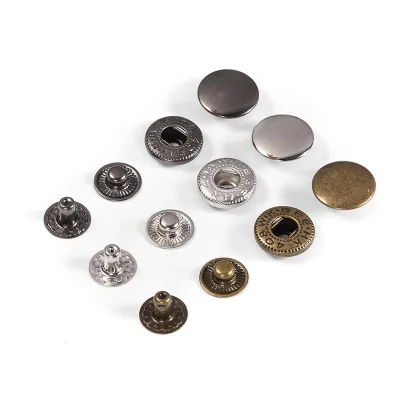
Many available industrial snap buttons are explicitly nickel-free, ensuring safety for direct skin contact in garments and accessories. Materials often include brass with plating options like black nickel, gold, or antique silver. Buyers should check product attributes to confirm the specific finish and material composition for their application requirements.
What materials are used for metal snap buttons?
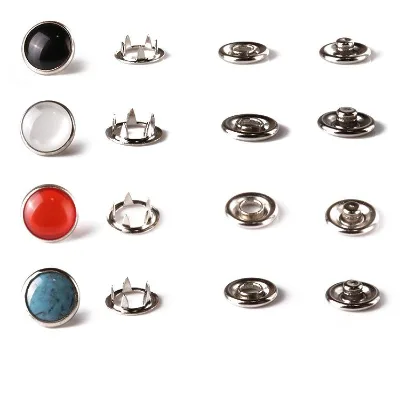
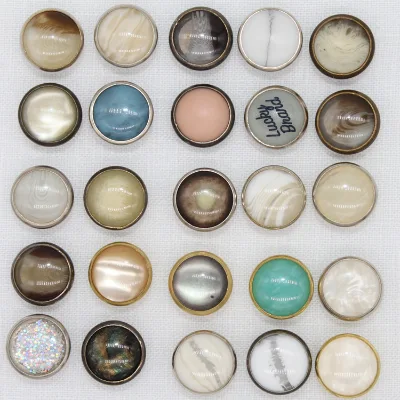
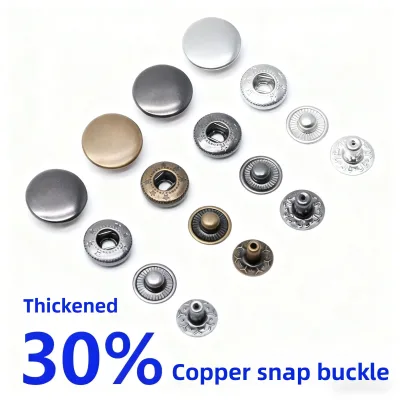
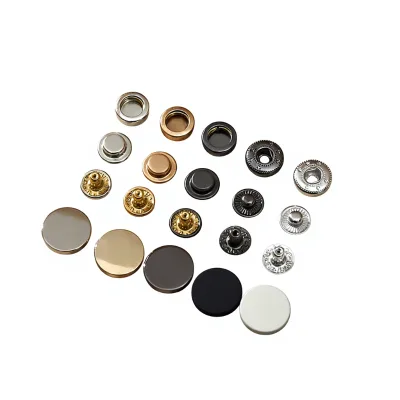
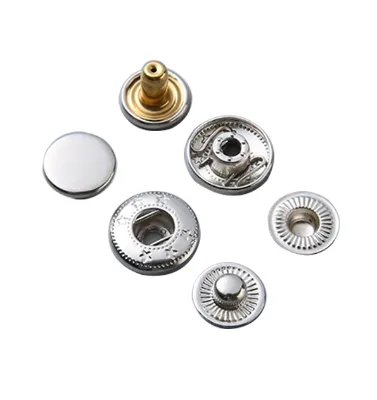
Metal snap buttons are primarily made from brass or other metals, often featuring plating for durability and aesthetics. Options include vintage elements, round shapes, and various colors like color matching or flat pearl finishes. These materials ensure strength for heavy-duty uses such as jackets, trousers, shoes, and bags.
Can suppliers provide OEM and ODM services?
Yes, many manufacturers offer both OEM and ODM services for customized snap button solutions. Buyers can request specific model numbers, sizes, and packaging options tailored to their brand. This flexibility supports unique design needs for apparel and accessory manufacturers seeking distinct fastening solutions with custom branding and specifications.
Where are these snap buttons manufactured?
Industrial snap buttons are manufactured in locations such as Taiwan, China, and Guangdong, China. Suppliers from these regions provide a wide range of button types, including metal, plastic, and rubber variants. Buyers can verify the place of origin for each product to ensure alignment with their sourcing preferences and logistics requirements.