Oscillating Knife Textile CNC Cutter Suppliers and Manufacturers
Source 26 Oscillating Knife Textile CNC Cutter suppliers from China Shandong. Compare ISO9001:2015 certified factories with 23-30 day lead times, 0.1mm cutting accuracy, and prices from $8,000. Contact verified CTI suppliers to request quotes; review the available evidence before requesting comparable quotations from suitable candidates.
Updated
Suppliers List

Jinan Kang Jia CNC Equipment Co., Ltd.
- Verified by CTI
- Combined
- China Shandong
- Lead time30 days
- Avg. response≤ 8h
Main productsLeather Cutting Machine, Flexible Cutting Equipment for Soft Materials
Main marketsSouth America,Africa,Domestic

Textile Cutting Oscillating Knife CNC Automatic Fabric Cutter Machine
$10000.00 - $15000.00
MOQ: 1 set

Textile Cutter Oscillating Knife CNC Automatic Feeding Fabric Cloth Cutting Machine
$8000.00 - $13000.00
MOQ: 1 set

Manufacturer CNC Machine Oscillating Knife Fabric Textile Garments Cutting Equipment
$9000.00 - $12000.00
MOQ: 1 Pieces

Economical and Practical Automatic CNC Oscillating Knife Machine Textile Digital Cutter
$10000.00 - $15000.00
MOQ: 1 set

Automatic CNC Oscillating Knife Textile Digital Cutter Machine Durable in Use
$10000.00 - $15000.00
MOQ: 1 set

Shandong Ruby CNC Equipment Co., Ltd.
- Trading Company,Manufacturer/Factory
- China Shandong
- Lead time23 days
- Avg. response≤ 3h
Main productsCO2 Laser Engraving Cutting Machine, CNC Osicillation Knife Cutting Machine, Fiber Laser Cutting Machine, Laser Marking Machine, Plasma Cutting Machine, Lasr Welding Machine, Laser Cleaning Machine, Acrylic Bending Machine, CNC Router Machine
Main marketsSouth America,Eastern Europe,North America,Southeast Asia,Oceania,Western Europe

Automatic CNC Oscillating Knife Cutter Garment Pattern Textile Fabric Cutting Machine
$8600.00 - $16000.00
MOQ: 1 Pieces


$8600.00 - $16000.00
MOQ: 1 Pieces

Jinan Chentuo Cnc Equipment Co., Ltd
- Verified by TUVRHEINLAND
- Combined
- China Shandong
- Lead time15 days
- Avg. response≤ 3h
Main productsCNC Router, CNC Router Machine, CNC Router Wood, Wood CNC Router, Laser Cutting Machine, Laser Engraving Machine, Metal Cutting Machine, CNC Engraving Machine, Stone CNC Router, CNC Woodworking Machine
Main marketsSoutheast Asia/ Mideast,East Asia(Japan/ South Korea),Europe,Australia

Textile Cloth Knife Cutter Fabric Automatic CNC Oscillating Knife Cutting Machine
$5500.00 - $6000.00
MOQ: 1 Pieces


$7800.00 - $8700.00
MOQ: 1 Pieces
Shandong Igolden Laser Equipment Co., Ltd
- Verified by SGS Group
- Manufacturer, Trading Company
- Shandong, China
- Lead time15 days
- Avg. response≤ 4h
Main productsCNC Knife Cutting Machine, Digital Cutting Machine, CNC Router, Metal & Metallurgy Machinery
Main marketsNorth America(15%), Southern Europe(12%), Western Europe(10%)
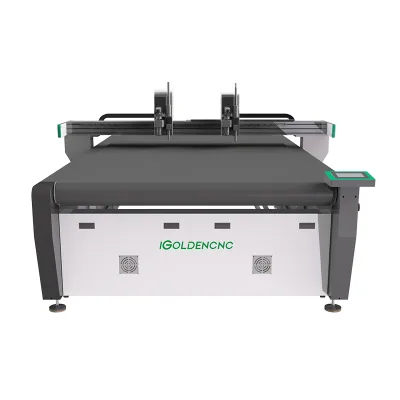
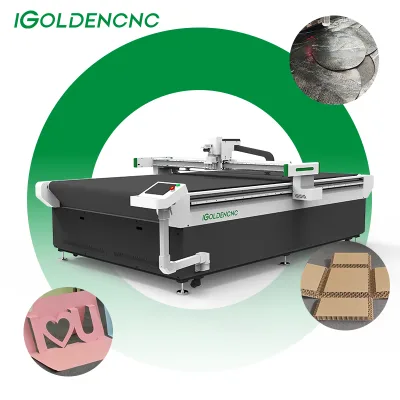
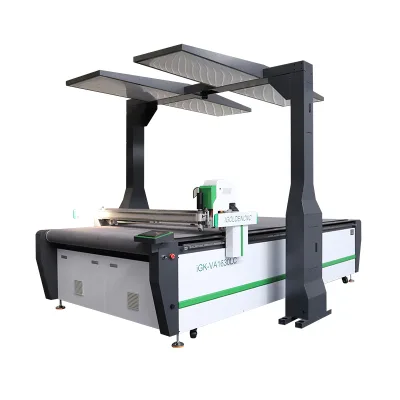
$7500.00 - $7600.00
MOQ: 1 sets
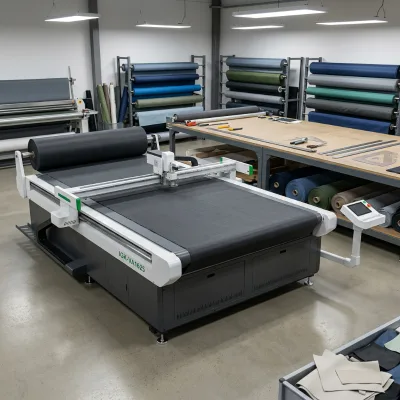
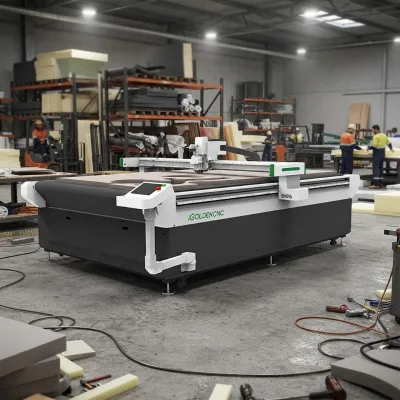
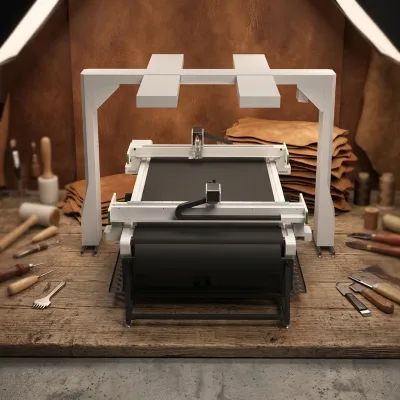
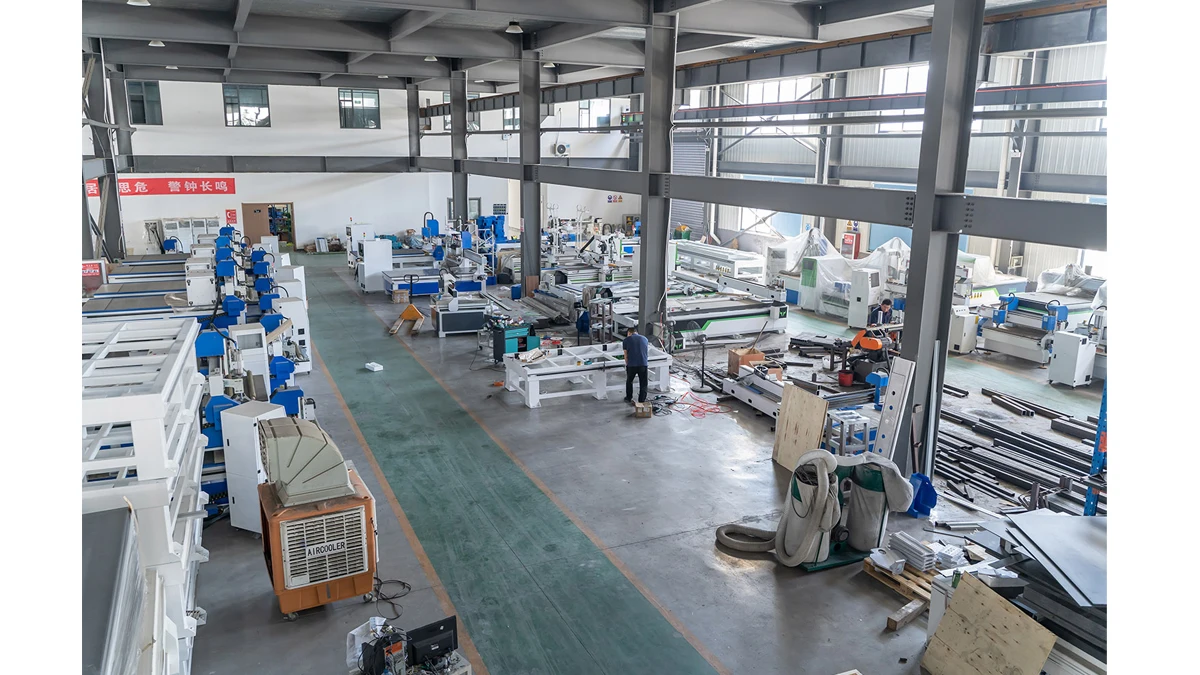
CNC Oscillating Knife Cutter with Panoramic Vision System for Leather Fabric
$5500.00 - $9600.00
Jinan Finework CNC Machinery Co., Ltd.
- Manufacturer, Trading Company
- Shandong, China
- Lead time10 days
- Avg. response≤ 8h
Main productsVibrating knife cutter,Polishing machine,Bending machine,Laser marking machine,Laser cutting machine
Main marketsEastern Europe(15.00%), North America(14.00%), Western Europe(10.00%), Southern Europe(10.00%), Northern Europe(10.00%), Southeast Asia(10.00%), South America(10.00%), Domestic Market(5.00%), Oceania(5.00%), Eastern Asia(3.00%), Mid East(2.00%), South Asia(2.00%), Central America(2.00%), Africa(2.00%)
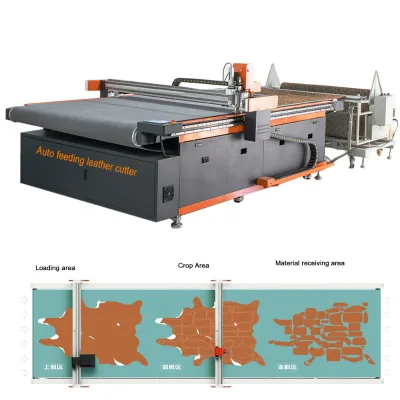
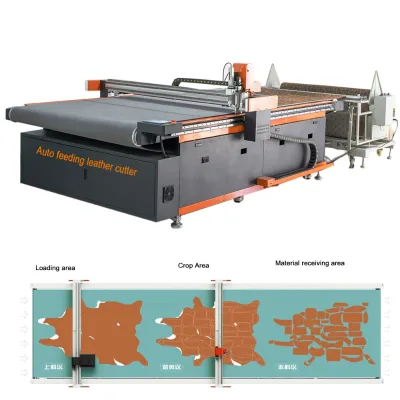
$2782.8083 - $6185.0489
MOQ: 1 Minimum
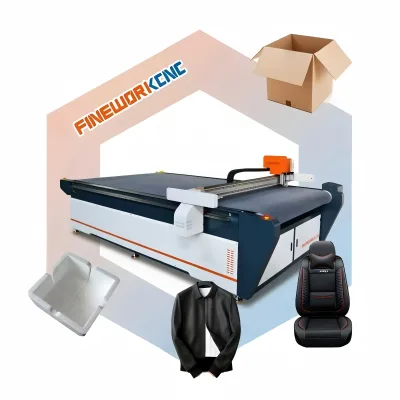
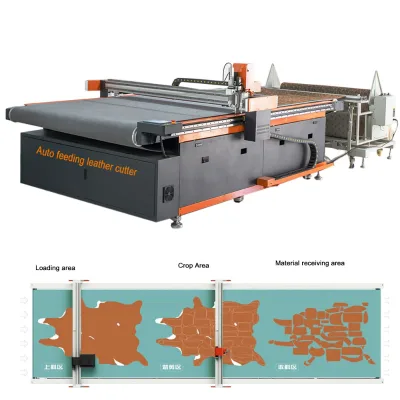
Cnc Cutter Textil Cutter For Composite /textiles/ Fabric /garment./ Furniture Industry
$2999.00 - $5999.00
MOQ: 1 Minimum
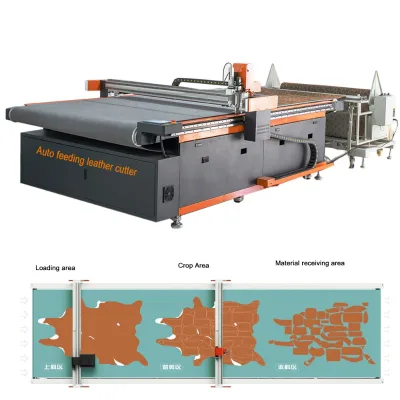
$3104.8403 - $6210.7158
MOQ: 1 Minimum

Jinan Dwin Technology Co., Ltd.
- Verified by TUVRHEINLAND
- Combined
- China Shandong
- Lead time15 days
- Avg. response≤ 14h
Main productsLaser Engraving Machine, Metal Laser Cutting Machine, CO2 Laser Cutting Machine, Fiber Laser Marking Machine, CO2 Laser Marking Machine, CNC Router, CNC Woodworking Machine, Stone Engraving CNC Router
Main marketsAfrica,Southeast Asia/ Mideast,Europe


Oscillating Knife CNC Cutting Machine Cloth Leather Cutting Machine
$13000.00 - $16000.00
MOQ: 1 Pieces
Jinan Dwin Technology Co., Ltd.
- Verified by TüVRheinland
- Trading Company
- Lead time15 days
- Avg. response≤ 9h
Main productsLaser Engraving Machine, Laser Cutting Machine, Laser Marking Machine, CNC Router, Plasma Cutting Machine
Main marketsSouth America(20%), Southeast Asia(20%), Southern Europe(20%)
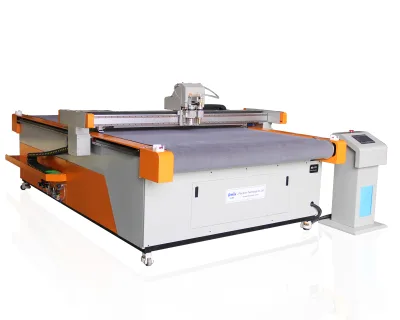
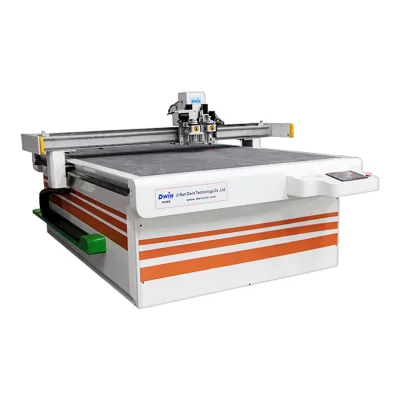
$12295.8634 - $13115.5876
MOQ: 1 sets
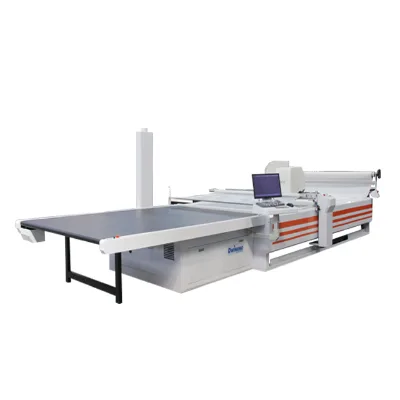
2023 New CNC Oscillating Knife Cutting Machine Multilayer Industrial Fabric Cutter
$12000.00 - $12800.00
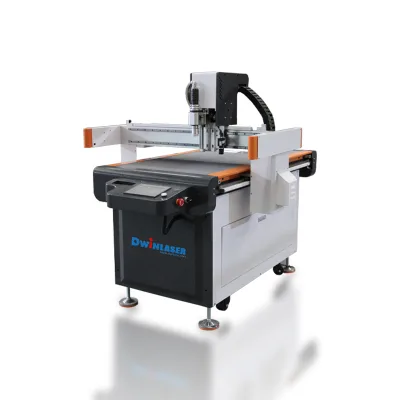
Oscillating Knife Tool Rubber Foam Vinyl Cutter 6090 Mini Cnc Oscillating Knife Cutting Machine
$6045.4662 - $6660.2593
MOQ: 1 sets
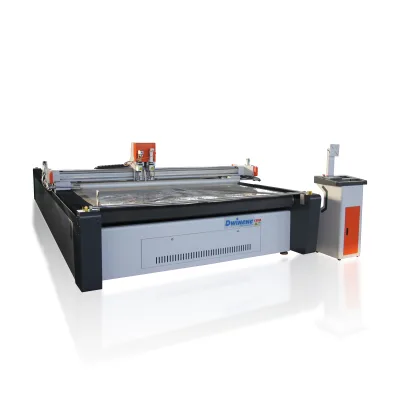
Automatic Oscillating Knife Leather Cloth Cutting Machine New Machine 1325
$7200.00 - $8600.00

Jinan Firmcnc Equipment Co., Ltd.
- Verified by SGS
- Trading Company
- China Shandong
- Lead time15 days
- Avg. response≤ 2h
Main productsCNC Router, CNC Mould Milling Machine, CNC Wood Lathe, Laser Machine, CNC Plasma Cutter, Atc CNC Wood Router, Fiber Laser Cutting Machine, Oscillating Knife Cutting Machine, Laser Marking Machine, Laser Welding Machine
Main marketsSouth America,Southeast Asia/ Mideast,Europe,North America

High Speed CNC Oscillating Knife Cutting Machine for Fabric Textile Cutting 1625
$7000.00 - $12000.00
MOQ: 1 Pieces


Universal CNC Oscillating Knife Cutting Machine for Various Textile Materials
$8500.00 - $15900.00
MOQ: 1 Pieces

Cheap Universal CNC Oscillating Knife Cutting Machine for Various Textile Materials
$7000.00 - $12000.00
MOQ: 1 set

Widely Used CNC Cutter Fabric Oscillating Knife Leather Cutting Machine
$9500.00 - $15900.00
MOQ: 1 Pieces

China Good Quality CNC Oscillating Knife Cutting Fabric Leather Oscillating Knife Cutting Machine
$11500.00 - $15900.00
MOQ: 1 Pieces
Jinan Dake Cnc Equipment Co., Ltd.
- Verified by TüVRheinland
- Trading Company
- Lead time10 days
- Avg. response≤ 2h
Main productsCNC Cutting Machine, Laser Engraving Machine, Laser Cutting Machine
Main marketsDomestic Market(40%), Northern Europe(20%), Mid East(15%)
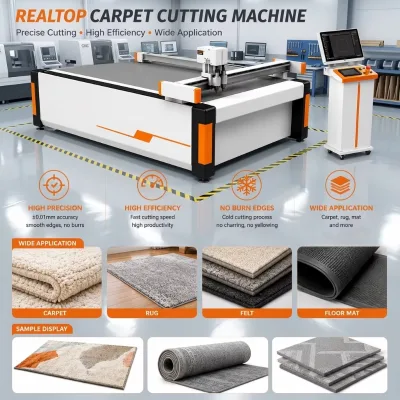
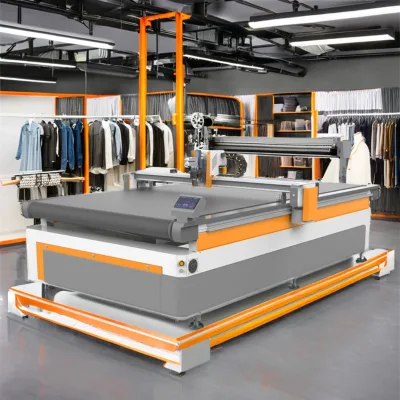
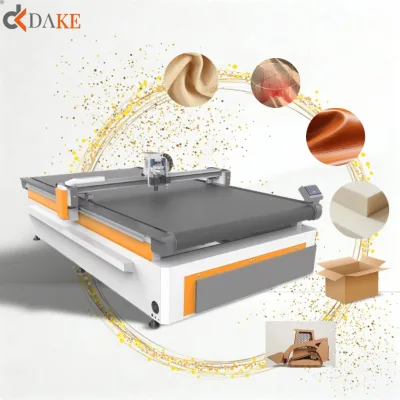
Sales Multi Layer Non Woven Fabric Cutting Machine Cloth Textile Digital Cutter
$9212.546 - $10364.1145
MOQ: 1 sets
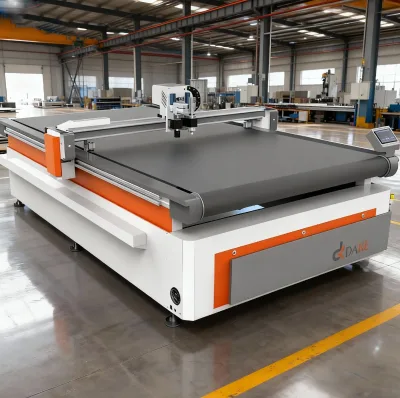
Precision CNC Knife Cutter for Textile, Leather and Technical Fabrics
$8960.00 - $10080.00
MOQ: 1 sets
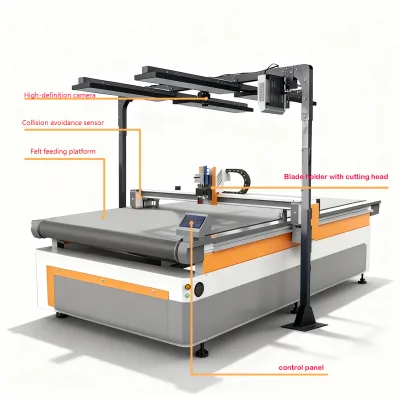
Energy-Saving Oscillating Knife Tool for Lightweight Crafting and Hygienic Medical Textile Cutting
$9174.612 - $10321.4381
MOQ: 1 sets
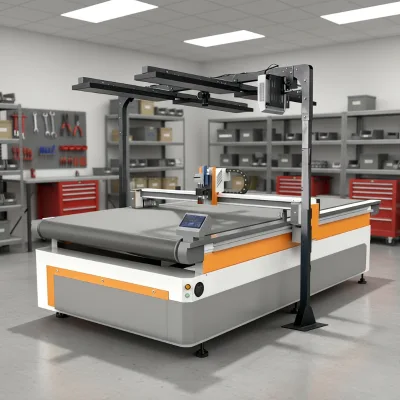
CNC Oscillating Knife Cutter for Multi-layer Fabric and Soft Board Processing
$9212.546 - $10364.1145
MOQ: 1 sets
Dongguan Ridong Intelligent Equipment Co., Ltd.
- Verified by Intertek
- Manufacturer, Trading Company
- Lead time10 days
- Avg. response≤ 1h
Main productsFabric Cutting Machine, Fabric Welding Machine, Curtain Making machine, Curtain Sewing machine, Ultrasonic Cutting Machine
Main marketsOceania(30%), North America(20%), South America(20%)
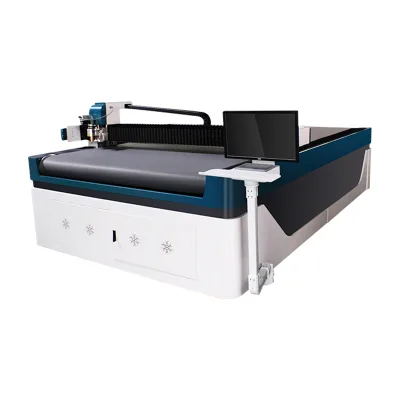
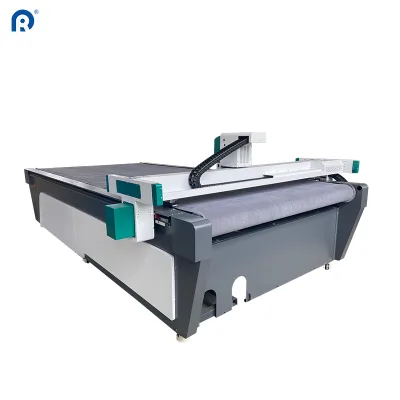
Textile Polyester Cnc Oscillating Knife Multi Layers Fully Automatic Cutting Machine
$13500.00 - $14000.00
MOQ: 1 sets

- Verified by BV
- Combined
- China Shandong
- Lead time30 days
- Avg. response≤ 4h
Main productsFabric Leather Cutting Machine, Garment Cutting Machine, Shoe Upper/Pad Cutter Machine, Carton Box Cutter Machine, Cutting Equipment, Advertising Cutting Machine, Packaging Cutter Machine, Gasket Cutting Machine, Bag Cutting Machine, Carpet Cutting Machine
Main marketsSouth America,Africa,Southeast Asia/ Mideast,East Asia(Japan/ South Korea),Europe,Australia,North America

CNC Automatic Cloth Fabric Textile Garment Computer Controlled Cutting Machine Oscillating Knife
$14500.00 - $16000.00
MOQ: 1 Pieces

Automatic CNC Oscillating Knife Cutting Machine Textile/Cloth Round Knife Factory
$14000.00 - $18000.00
MOQ: 1 Pieces


$10500.00 - $13000.00
MOQ: 1 Pieces

Factory Price Fabric Cutting Machine Automatic CNC Oscillating Knife Cloth Cutting Machine
$10000.00 - $21000.00
MOQ: 1 Pieces

SHANDONG IGOLDEN CNC TECHNOLOGY CO., LTD.
- Verified by SGS
- Combined
- China Shandong
- Lead time30 days
- Avg. response≤ 2h
Main productsCNC Router, Woodworking Machinery, Plasma Cutting Machine, Laser Cutting Machine, Laser Engraving Machine, Laser Marking Machine, Stone Carving Machine, 4 Axis CNC Router, 5 Axis CNC Router
Main marketsSouth America,Europe

Oscillating Knife CNC Textile PVC Foam Board Roller Shade Fabric Cutter Cutting Machine
$9000.00 - $11000.00
MOQ: 1 Pieces

$9000.00 - $11000.00
MOQ: 1 Pieces

High Accuary Fabric Cutting Machine Textile Cloth Vibrating Knife Cutting Machine CNC for Sofa Cover
$9000.00 - $11000.00
MOQ: 1 Pieces

$9000.00 - $11000.00
MOQ: 1 Pieces
Jinan Yanshi Cnc Equipment Co., Ltd.
- Verified by TüVRheinland
- Manufacturer, Trading Company
- Lead time7 days
- Avg. response≤ 2h
Main productsDigital Cutting Machine, Oscillating Knife Cutting Machine, Fabric Cutting Machine, Gasket Cutting Machine, Leather Cutting Machine
Main marketsDomestic Market(50%), North America(15%), South America(15%)
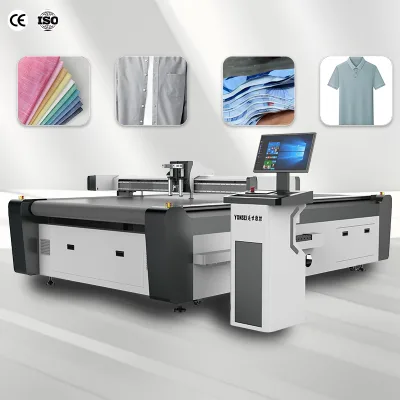
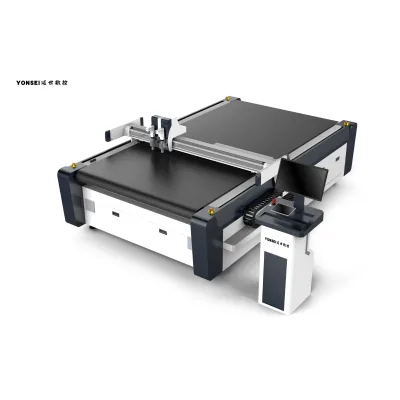
$9215.5694 - $9727.5455
MOQ: 1 sets
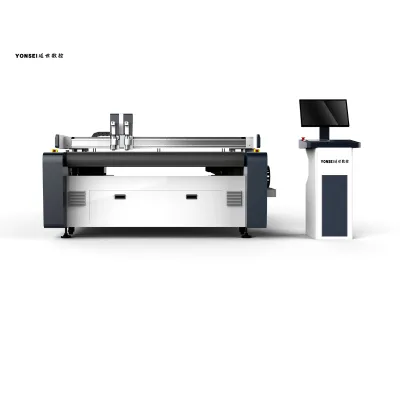
Industry Oscillating Knife Cutting Machine Cloth Dress Printed Fabric Cutting Machine
$11271.2081 - $12295.8634
MOQ: 1 sets
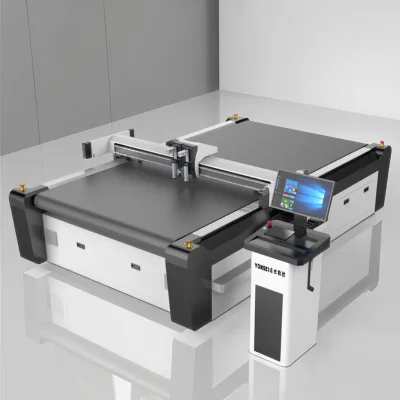
$9272.7914 - $9787.9465
MOQ: 1 sets

Shandong Bangzheng Machinery Equipment Co., Ltd.
- Verified by SGS
- Combined
- China Shandong
- Lead time15 days
- Avg. response≤ 2h
Main productsVibrating Knife Cutting Machine, Multi-Layer Fabric Cutting Machine, Leather Cutting Machine
Main marketsOthers(foreignTradeCapacity.exportBusinessCapacityMarketOther),Europe

$20800.00 - $23000.00
MOQ: 1 Pieces

$8691.00 - $9657.00
MOQ: 1 Pieces

$8691.00 - $9657.00
MOQ: 1 Pieces

High Quality Oscillating Knife Multilayer Fabric Cutting Plain Weave Cutting Machine
$7445.00 - $8273.00
MOQ: 1 Pieces

$6500.00 - $8500.00
MOQ: 1 Pieces

$7445.00 - $8273.00
MOQ: 1 Pieces
Shandong Amor Cnc Machinery Co., Ltd.
- Verified by Intertek
- Manufacturer, Trading Company
- Lead time10 days
- Avg. response≤ 1h
Main productsCNC Oscillating Knife Cutting Machine
Main marketsNorthern Europe(20%), Southern Europe(15%), North America(10%)
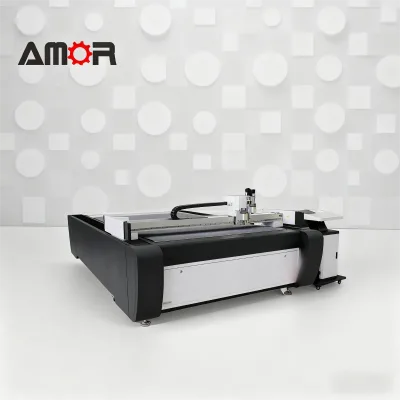
$14373.6787 - $15400.4433
MOQ: 1 sets
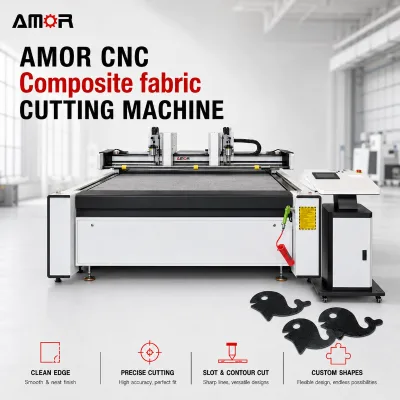
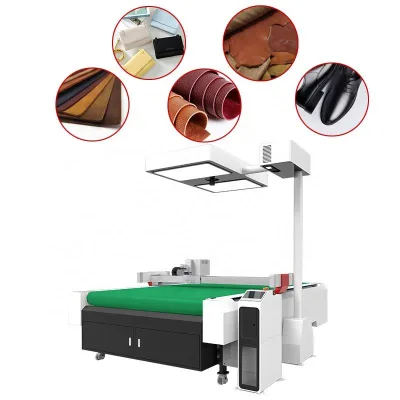
CNC Oscillating Blade Leather Fabric Cloth Cutter Vibrating Knife Cutting Machine
$25560.54 - $28400.60
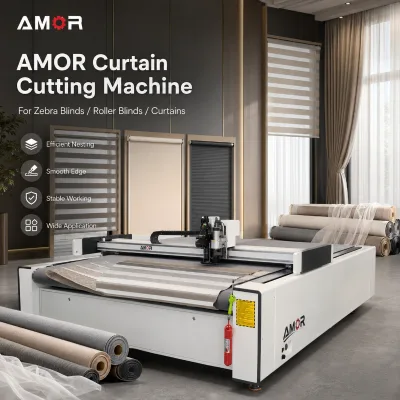
CNC Oscillating Knife Cutter for Curtain Fabric
$13950.00 - $14277.00
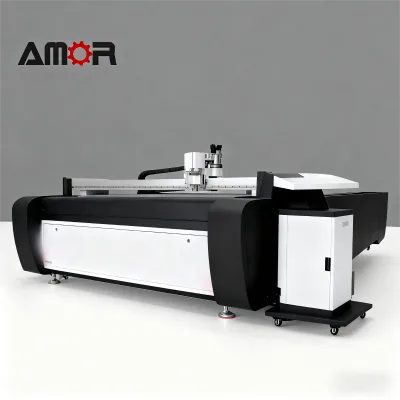
$14373.6787 - $15400.4433
MOQ: 1 sets
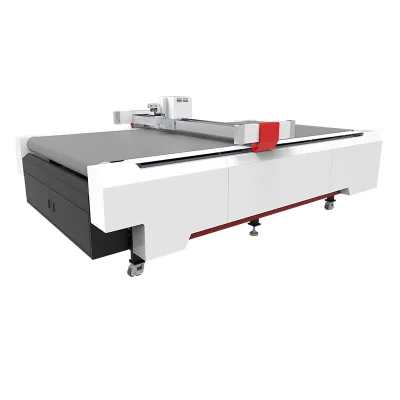
CNC Oscillating Knife Cutting Machine to Cut Polyester Fiber Foam Glass Fiber Cotton for Air Filter
$11980.00 - $13258.00
MOQ: 1 sets
Jinan Grandio CNC Equipment Co., Ltd.
- Verified by SGS Group
- Manufacturer, Trading Company
- Lead time15 days
- Avg. response≤ 2h
Main productsCNC Router, Vacuum Press Machine, Polishing Machine, 3D Scanner, Fiber Laser Cutting Machine
Main marketsSouth America(20%), North America(10%), Eastern Europe(10%)
Jinan Truster Cnc Equipment Co., Ltd.
- Manufacturer, Trading Company
- Shandong, China
- Lead time15 days
- Avg. response≤ 2h
Main productsDigital knife cutting machine,CNC Router,laser cutting machine,laser welding &cleaning machine,cnc machine
Main marketsNorth America(20.00%), Western Europe(15.00%), Eastern Europe(15.00%), Central America(10.00%), Southeast Asia(10.00%), Eastern Asia(10.00%), Northern Europe(10.00%), Southern Europe(5.00%), Mid East(5.00%)
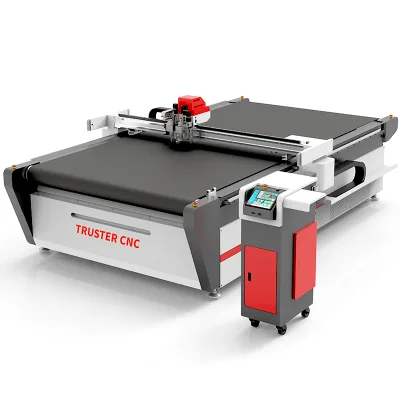
Industrial CNC Fabric Cloth Cutting Textile Machine Automatic Cutter for Automotive Upholstery
$14325.4866 - $14632.4613
MOQ: 1 sets
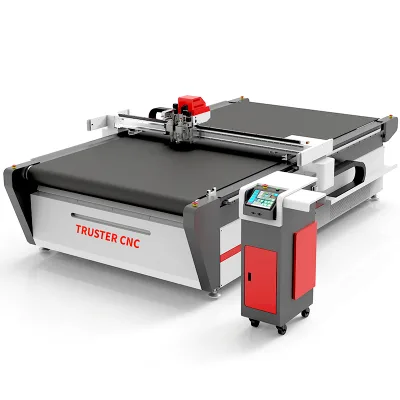
$9337.0147 - $10166.9716
MOQ: 1 sets
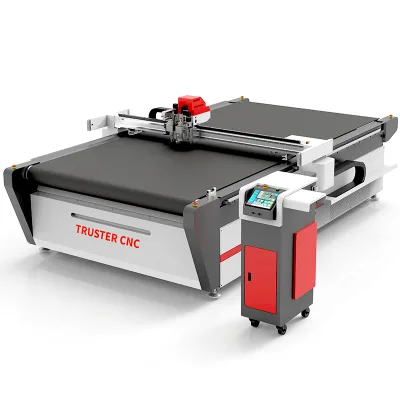
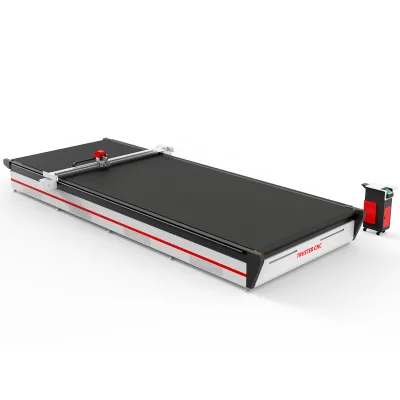
$23550.8997 - $26622.7562
MOQ: 1 sets
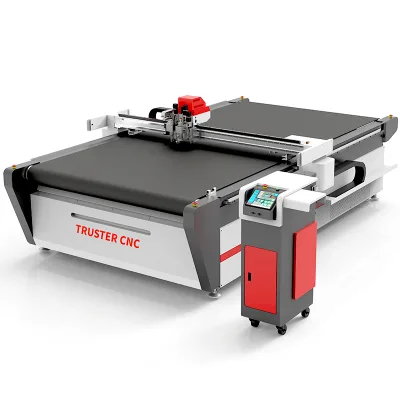
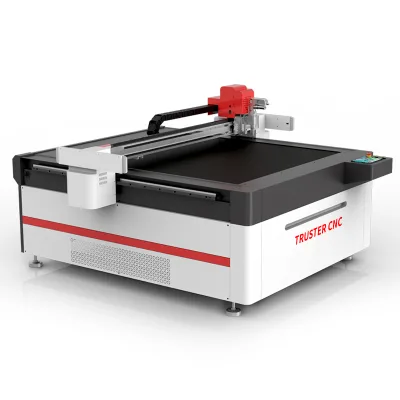
CNC Oscillating Knife Cutting Machine for EVA EPE Foam Felt and Carbon Fiber
$5400.00 - $9000.00
$13486.799 - $15561.6912
MOQ: 1 sets
Jinan Zhongke Cnc Equipment Co., Ltd.
- Verified by SGS Group
- Manufacturer, Trading Company
- Lead time7 days
- Avg. response≤ 3h
Main productsWood CNC Router, Stone CNC Router, Fiber Laser Cutting Machine, 5 Axis CNC Center, Plasma Cutting Machine
Main marketsOceania(15%), South Asia(15%), Southeast Asia(10%)
Jinan Aol CNC Equipment Co., Ltd.
- Verified by TüVRheinland
- Manufacturer, Trading Company
- Lead time5 days
- Avg. response≤ 1h
Main productsCNC Knife Cutting Machine, Digital Cutting Machine
Main marketsDomestic Market(25%), North America(15%), South America(15%)
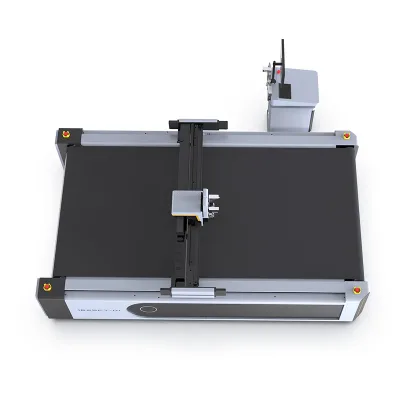
Machine Cloth Cut Cnc Oscillating Knife Cutting Aramid Fabric Cutter
$13450.00 - $15999.00
MOQ: 1 sets

Nanjing Unitec Technology Co., Ltd.
- Verified by SGS
- Trading Company,Manufacturer/Factory
- China Jiangsu
- Lead time15 days
- Avg. response≤ 2h
Main productsFiber Laser Cutting Machine, Digital Cutting Machine, Knife Cutting Machine, Press Brake, Signmaking CNC Router, CO2 Laser Cutting Machine, CNC Woodworking Router, CNC Stone Engraving Machine, Styrofoam CNC Router, Multi Spindle CNC Router
Main marketsSouth America,Eastern Europe,Mid East,North America,Southeast Asia,Eastern Asia,Oceania,Western Europe,Africa
Jinan Leetro Technology Co., Ltd.
- Trading Company
- Shandong, China
- Lead time15 days
- Avg. response≤ 3h
Main productsCNC ROUTER,LASER CUTTING MACHINE,PLASMA CUTTING MACHINE,Vacuum pump,UV COATING MACHINE
Main marketsMid East(28.00%), Southeast Asia(14.00%), Eastern Asia(8.00%), Western Europe(8.00%), Africa(8.00%), Eastern Europe(8.00%), Oceania(6.00%), North America(6.00%), South Asia(5.00%), Southern Europe(4.00%), South America(4.00%), Northern Europe(1.00%)

QB Intelligent Machinery Co, Ltd.
- Verified by SGS
- Combined
- China Guangdong
- Lead time30 days
- Avg. response≤ 7h
Main productsEPE Foam Machine, Hot Air Laminating Machine, Hot Air Bonding Machine, Hot Air Thickening Machine, Horizontal & Vertical Hot Cutting Machine, Horizontal & Vertical Slitting Machine, EPE Foam Waste Scrap Discharge Machine, Die-Cutting Machine
Main marketsSoutheast Asia/ Mideast,Europe,North America
Jinan GoodCut CNC Machinery Co., Ltd.
- Verified by Intertek
- Manufacturer, Trading Company
- Shandong, China
- Lead time旺季: "1 - 3":7,"> 3":"To be negotiated", 淡季: "1 - 3":7,"> 3":"To be negotiated"
- Avg. response≤ 2h
Main productsCNC Router, Fiber Laser Cutting Machine, Laser Welding Machine, Plasma Cutting Machine, CO2 Laser Cutting Machine
Main marketsSouth Asia(15%), North America(10%), Africa(10%)
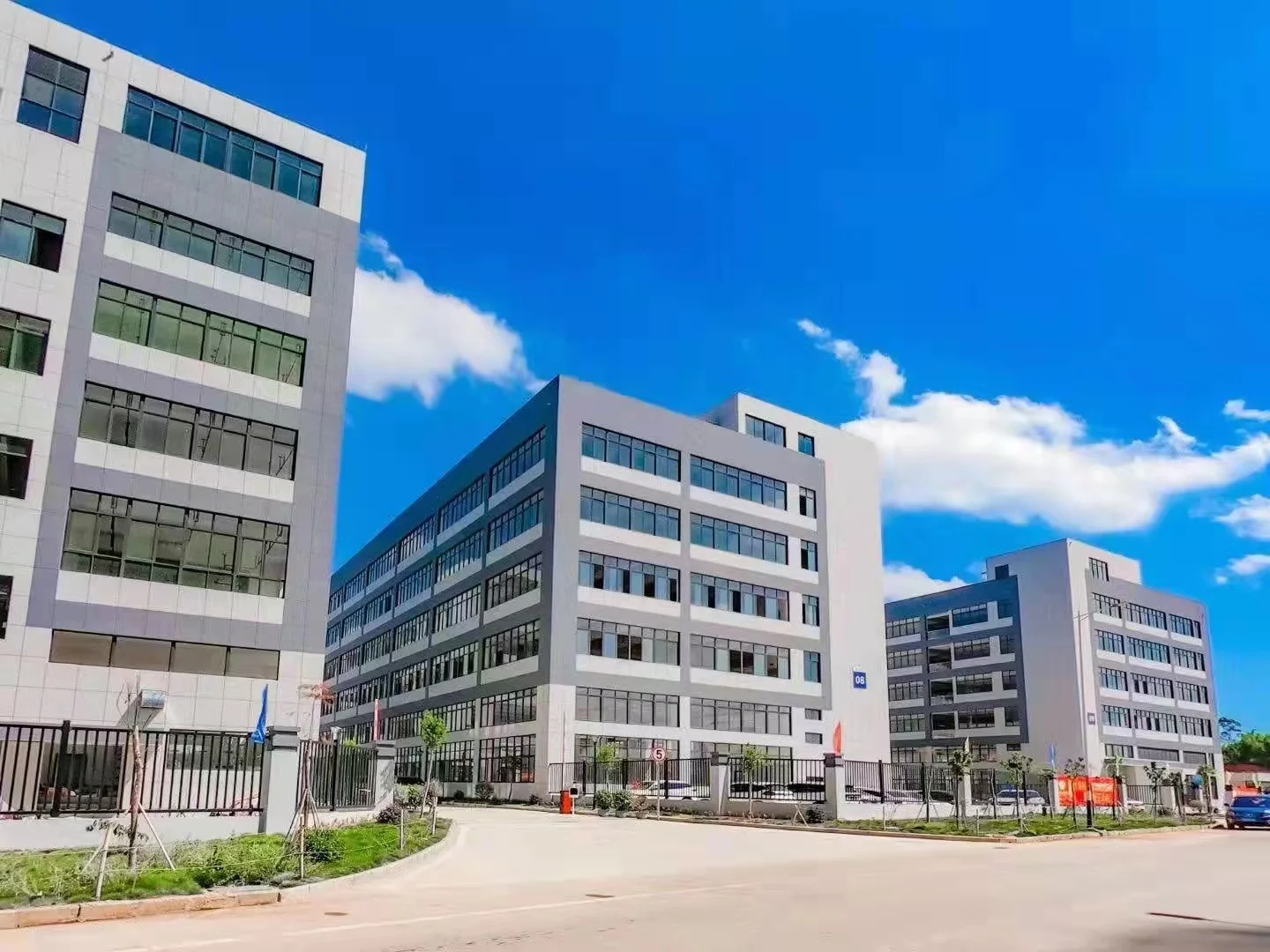
Qb Intelligent Machinery Co., Ltd.
- Manufacturer
- Guangdong, China
- Lead time0 days
- Avg. response≤ 5h
Main productsHot Plate Welding Machine,PE Planks Hot Air Laminator,Hot Plate Bonding Machine,Vertical & Horizontal Slitting Machine,EPE Foam Planks Hot Cutting Machine
Main marketsWestern Europe(20.00%), South Asia(20.00%), North America(20.00%), Eastern Europe(15.00%), Domestic Market(10.00%), Northern Europe(10.00%), South America(5.00%)
Realtop Machinery ( Jinan) Co., Ltd.
- Verified by Intertek
- Manufacturer, Trading Company
- Lead time20 days
- Avg. response≤ 2h
Main productsCNC Knife Cutting Machine
Main marketsDomestic Market(60%), Southeast Asia(6%), Africa(6%)
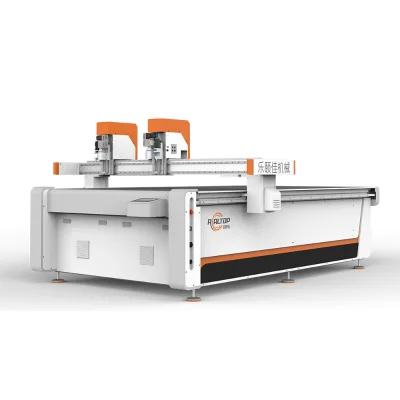
Cnc Oscillating Knife Cutting Machine Four Cutting Head Foam Cutrer EVA EPE Foam Cutting Machine
$7500.00 - $8800.00
MOQ: 1
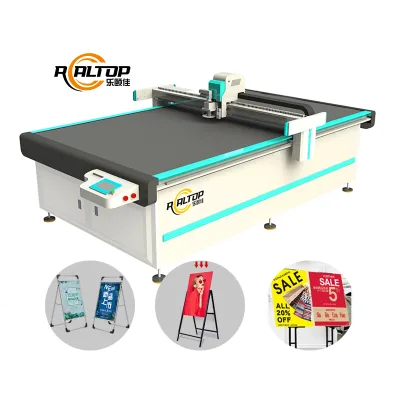
Cnc Oscillating Knife Foam EVA Automatic Cutter Computerized PP Foam Cutting Machine
$7800.00 - $8800.00
MOQ: 1
Jinan Xingkai Machinery Equipment Co., Ltd.
- Verified by SGS Group
- Manufacturer, Trading Company
- Lead time30 days
- Avg. response≤ 1h
Main productsCNC Oscillating Knife Cutting Machine, Vibrating Knife Cutting Machine, Digital Cutting Machine, packaging Cutting Machine
Main marketsDomestic Market(50%), Southeast Asia(10%), Northern Europe(10%)
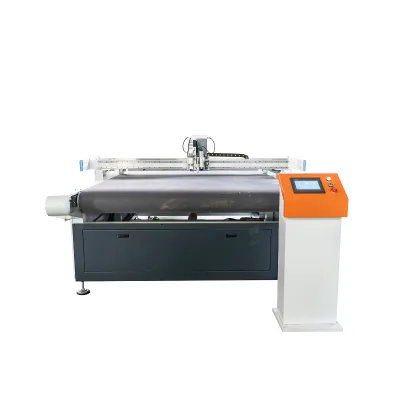
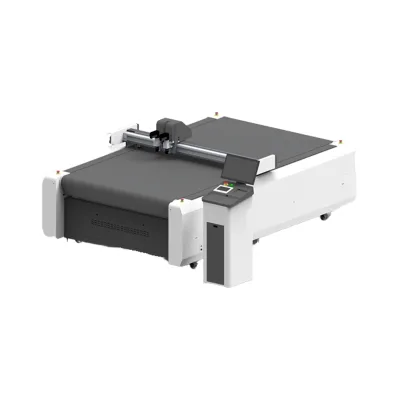
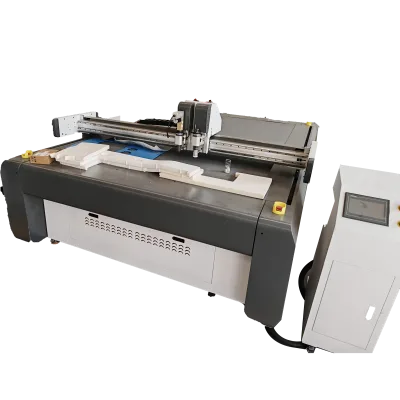


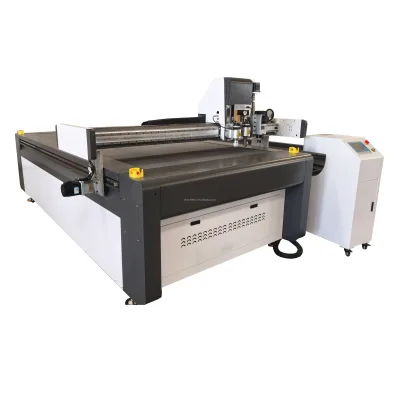


Comprehensive Sourcing Guide
Oscillating Knife Textile CNC Cutter Supplier Concentration and Factory Types
The current supplier landscape for oscillating knife textile CNC cutters reveals a distinct concentration of manufacturing and trading entities within specific industrial regions. Evidence indicates that a significant portion of these suppliers are located in China, with Shandong province emerging as a notable hub for this specialized machinery. This geographic clustering suggests a mature supply chain ecosystem where raw materials, component sourcing, and assembly expertise are readily available. Buyers evaluating potential partners should recognize that this concentration often correlates with competitive pricing and rapid prototyping capabilities, as local suppliers benefit from established logistical networks and shared industrial infrastructure. The presence of combined company types, including both trading companies and manufacturers, offers buyers a spectrum of engagement models. Trading companies may provide broader product portfolios and streamlined communication, while direct manufacturers often offer deeper technical customization and control over production quality. Understanding this dynamic is crucial for aligning procurement strategies with specific operational needs, whether prioritizing cost efficiency through trading intermediaries or seeking direct factory engagement for complex OEM requirements.
Supplier types vary significantly, ranging from pure trading entities to integrated factories with their own brands. Some suppliers identify as combined entities, leveraging both manufacturing capabilities and trading networks to serve diverse client bases. This duality can be advantageous for buyers seeking flexibility, as it allows for the sourcing of complementary equipment alongside the primary CNC cutter. However, it also necessitates careful due diligence to ensure that the supplier’s primary focus aligns with the buyer’s quality expectations. The presence of OEM and ODM capabilities among these suppliers indicates a high degree of adaptability in meeting specific technical specifications. Buyers should assess whether the supplier’s factory type supports their desired level of customization, from minor adjustments to fully bespoke machine designs. The distinction between a trading company and a manufacturer is not always binary, as many entities operate with hybrid models. Therefore, verifying the actual production capacity and ownership of the manufacturing facilities is essential to avoid misaligned expectations regarding lead times, quality control processes, and after-sales support structures.
How to Verify Oscillating Knife Textile CNC Cutter Suppliers
Verifying the credibility and operational capacity of Oscillating Knife Textile CNC Cutter suppliers requires a multi-layered approach that goes beyond basic company profiles. One critical step is to examine third-party verification statuses, such as CTI verification, which provides an independent assessment of the supplier’s business legitimacy and operational stability. This verification acts as a foundational trust signal, confirming that the entity exists and operates within legal frameworks. However, verification alone is insufficient; buyers must also scrutinize system certifications like ISO9001:2015 and ISO14001:2015, which indicate adherence to international quality and environmental management standards. These certifications are particularly relevant for machinery suppliers, as they reflect a structured approach to production consistency and risk management. Additionally, product-specific certifications such as CE and ISO markings on the machinery itself are vital for ensuring compliance with safety and performance regulations in the buyer’s target market. Buyers should request copies of these certificates and verify their validity through the issuing bodies to prevent reliance on forged or expired documents.
Beyond documentation, assessing the supplier’s responsiveness and technical support infrastructure is crucial for long-term partnership success. Response times, such as those recorded at 7.02 hours or 2.80 hours, serve as indicators of the supplier’s operational efficiency and customer service commitment. A faster response time often correlates with better communication during the pre-sales consultation and post-sales troubleshooting phases. Buyers should also evaluate the supplier’s ability to provide detailed technical specifications, including cutting accuracy, speed, and supported file formats like DXF and PLT. These details demonstrate the supplier’s technical depth and understanding of the buyer’s specific application requirements. Furthermore, checking for evidence of past projects or case studies can provide insight into the supplier’s experience with similar industries, such as automotive, furniture, or apparel. Buyers should inquire about the supplier’s warranty terms, typically ranging from one to three years, and clarify the scope of coverage for parts and labor. This comprehensive verification process helps mitigate risks associated with supplier reliability and product performance.
What to Compare Across Oscillating Knife Textile CNC Cutter Suppliers
When evaluating multiple suppliers for oscillating knife textile CNC cutters, buyers must systematically compare key operational and commercial metrics to identify the most suitable partner. Lead time is a primary differentiator, with some suppliers offering delivery within 23 days while others may require up to 30 days. This variance can significantly impact production schedules and inventory management, making it essential to align supplier lead times with project deadlines. Buyers should also compare the minimum order quantity (MOQ), which is often set at one unit for these specialized machines, allowing for flexible procurement strategies. However, pricing structures can vary widely, with ranges observed from $8,000 to $16,000 depending on specifications and customization levels. Buyers should request detailed quotations that break down costs for standard versus customized features, such as different drive motors or cutting areas. Comparing these price points alongside the included warranty periods, which may range from one to three years, provides a clearer picture of the total cost of ownership.
Technical specifications and customization options are another critical area for comparison. Buyers should assess the effective cutting area, with common dimensions like 2500mm1600mm or 16002500mm, and determine which size best fits their facility layout and material handling needs. Cutting accuracy, often specified at 0.1mm or better, and cutting speed, up to 1500mm/S, are vital for ensuring high-quality output and production efficiency. Additionally, the type of drive motor, such as Panasonic, Yaskawa, or FUJI, can influence machine performance and maintenance costs. Buyers should also compare the material fixing modes, such as vacuum adsorption, and the supported software formats to ensure compatibility with their existing design workflows. The layout of the machine, whether horizontal or vertical, and the power source requirements, typically electric at 380V, are also important factors. By creating a comparison matrix that includes these technical and commercial attributes, buyers can objectively evaluate suppliers and select the one that offers the best balance of performance, cost, and service support.
Common Oscillating Knife Textile CNC Cutter Sourcing Risks
Sourcing oscillating knife textile CNC cutters involves several inherent risks that buyers must proactively manage to ensure a successful procurement outcome. One significant risk is the potential mismatch between advertised specifications and actual machine performance. Suppliers may list impressive cutting speeds or accuracies in their marketing materials, but these figures can vary based on material type and thickness. Buyers should request live demonstrations or video evidence of the machine cutting their specific materials to verify performance claims. Another risk is the variability in build quality and component sourcing. While some suppliers use high-end components like Panasonic motors, others may substitute with cheaper alternatives that affect longevity and reliability. Buyers should insist on detailed bills of materials and verify the origin of critical components to ensure consistency and durability. Additionally, the risk of inadequate after-sales support is prevalent, especially when dealing with international suppliers. Buyers must clarify the availability of spare parts, technical support channels, and on-site service options before finalizing the purchase.
Logistical and compliance risks also pose challenges in the sourcing process. Shipping heavy machinery like CNC cutters requires careful planning to avoid damage during transit. Buyers should verify that suppliers use robust packaging, such as wooden crates or boxes, and have experience in international shipping. Customs clearance can also be delayed if documentation is incomplete or inaccurate, leading to additional costs and project delays. Buyers should ensure that suppliers provide all necessary export documents, including certificates of origin and compliance certificates. Furthermore, there is a risk of intellectual property infringement if buyers share proprietary designs with unverified suppliers. To mitigate this, buyers should use non-disclosure agreements and work with suppliers who have a strong reputation for respecting IP rights. Finally, currency fluctuation and payment terms can impact the final cost. Buyers should negotiate favorable payment terms, such as using escrow services, to protect their financial interests until the machine is delivered and accepted. By anticipating and addressing these risks, buyers can navigate the sourcing process with greater confidence and security.
Oscillating Knife Textile CNC Cutter Regional Sourcing and Logistics
Regional sourcing strategies play a pivotal role in optimizing the procurement of oscillating knife textile CNC cutters, particularly when dealing with suppliers located in major manufacturing hubs like China’s Shandong province. Sourcing from this region offers access to a dense network of specialized machinery manufacturers, which can lead to competitive pricing and faster production cycles. However, buyers must also consider the logistical implications of importing from this location. Shipping heavy industrial equipment involves complex freight arrangements, including container loading, securing, and insurance. Buyers should work with suppliers who have established relationships with reliable freight forwarders to ensure smooth transportation. Additionally, understanding the local export regulations and documentation requirements is essential to avoid delays at customs. Buyers should verify that the supplier can provide all necessary export certificates and that the packaging meets international shipping standards to prevent damage during transit.
Logistics planning should also account for the installation and commissioning phase upon arrival. Buyers need to ensure that their facility is prepared to receive the machine, including adequate space, power supply, and ventilation. Some suppliers offer remote installation support or video guidance, while others may require on-site technicians, which can incur additional costs. Buyers should clarify these service offerings in the contract to avoid unexpected expenses. Furthermore, regional sourcing can impact the speed of spare parts delivery. If the supplier is located far from the buyer’s facility, obtaining replacement parts may take longer, potentially causing production downtime. Buyers should consider stocking critical spare parts locally or negotiating faster shipping options for urgent replacements. By carefully planning the logistics and installation process, buyers can minimize disruptions and ensure a seamless integration of the new CNC cutter into their production workflow. This proactive approach to regional sourcing and logistics management enhances overall operational efficiency and reduces long-term risks.
Oscillating Knife Textile CNC Cutter Commercial Terms and Order Planning
Effective order planning for oscillating knife textile CNC cutters requires a thorough understanding of commercial terms and payment structures to safeguard the buyer’s interests. Payment terms are a critical component of the negotiation process, with options ranging from partial upfront payments to full payment upon delivery. Buyers should aim for terms that balance risk, such as using escrow services to hold funds until the machine is verified and accepted. This approach protects the buyer from non-delivery or significant quality discrepancies. Additionally, buyers should clarify the warranty terms, which typically range from one to three years, and understand what is covered, including parts, labor, and travel expenses for technicians. It is also important to define the scope of customization and any associated costs, as modifications can significantly impact the final price and lead time. Buyers should request a detailed quotation that itemizes all costs, including shipping, insurance, and taxes, to avoid hidden fees.
Lead time management is another crucial aspect of order planning. Suppliers may offer lead times of 23 to 30 days, but these can be affected by customization requirements or component availability. Buyers should establish clear milestones for production updates and request regular progress reports to monitor the manufacturing process. This transparency helps identify potential delays early and allows for corrective actions. Furthermore, buyers should plan for the installation and training phase, which may require coordination with the supplier’s technical team. Some suppliers offer remote training sessions, while others may provide on-site training, which can extend the timeline. Buyers should ensure that their staff is prepared to receive the machine and understand its operation before delivery. By carefully negotiating commercial terms and planning the order process, buyers can ensure a smooth transaction and successful implementation of the Oscillating Knife Textile CNC Cutter. This structured approach minimizes risks and maximizes the value of the
FAQs
What is the price range for oscillating knife textile CNC cutters?
Prices typically range from $8,000 to $16,000 per unit. This variation depends on specific configurations, cutting area dimensions, and included automation features. Buyers should verify exact quotes based on their required voltage and motor brand selections to ensure accurate budgeting.
What certifications do these textile cutting machines usually hold?
Most machines carry ISO 9001 and CE certifications. Some suppliers also provide ISO 14001 or FDA compliance for specific applications. These certifications ensure the equipment meets international safety and quality standards for industrial textile and leather processing operations.
What is the typical lead time for manufacturing these cutters?
Manufacturing lead times generally range from 23 to 30 days. This duration allows for proper assembly, testing, and quality control of the CNC oscillating knife system. Buyers should confirm specific timelines with suppliers to align with their production schedules.
What is the minimum order quantity for these machines?
The minimum order quantity is typically one unit. This allows buyers to purchase single machines for testing or small-scale production needs. Bulk discounts may apply for larger orders, so buyers should inquire about tiered pricing structures directly with suppliers.
What cutting accuracy can be expected from these CNC cutters?
Cutting accuracy is generally specified at 0.1mm or better. Some high-precision models claim mechanical precision under 0.01mm. This ensures clean cuts for delicate fabrics, leather, and foam materials without requiring extensive post-processing or trimming by operators.
What warranty periods are offered for these textile cutting machines?
Warranty periods typically range from one to three years. Standard models often include a one-year warranty, while premium configurations may offer extended coverage. Buyers should verify specific warranty terms, including parts and labor coverage, before finalizing their purchase agreements.
What is the response time for supplier inquiries?
Supplier response times vary, with some responding within 2.80 hours and others taking up to 7.02 hours. Faster response times indicate active sales teams ready to assist with technical questions. Buyers should prioritize suppliers with quicker response rates for efficient communication.