Source Digital CNC Cutting Linen Fabric for Garment, Dress, Home Textile
Compare 30 listings of Digital CNC Cutting Linen Fabric from verified Chinese suppliers. Buyers can review specifications like GSM, width, and model numbers to find suitable options for garment, dress, and home textile applications; compare the available evidence and request quotations based on your requirements.
Updated
Key considerations
Products List


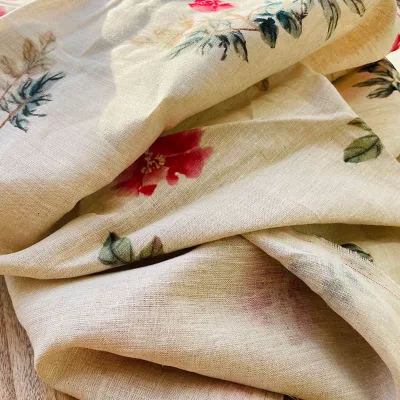
Digital Printed Linen Fabrics for Dresses Customized Design 100% Linen Fabric
$4.70 - $4.90
MOQ: 1000 Meters


Customized Pattern Digital Printed Cotton Linen Blend Fabric for Clothing
$7.23 - $8.93
MOQ: 1000 Meters


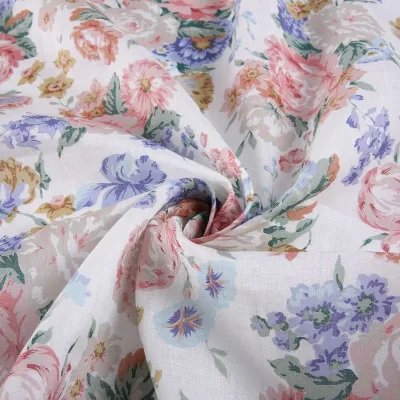

Manufacturer of Polyester Linen Fabric Cotton Linen Fabric for Clothing
$1.19 - $1.21
MOQ: 2000 Meters


High Quality Linen Solid Color Fabric Fabric Linen Sheet Curtain Fabric
$0.96 - $1.38
MOQ: 1000 Meters

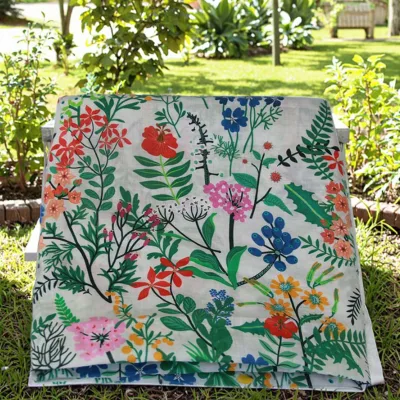
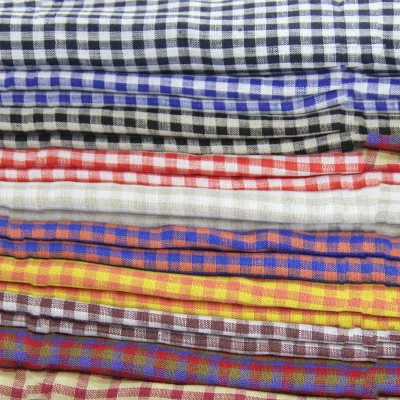
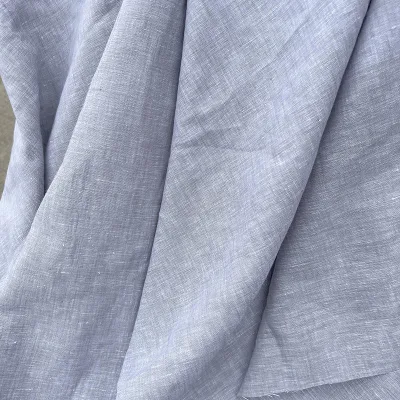


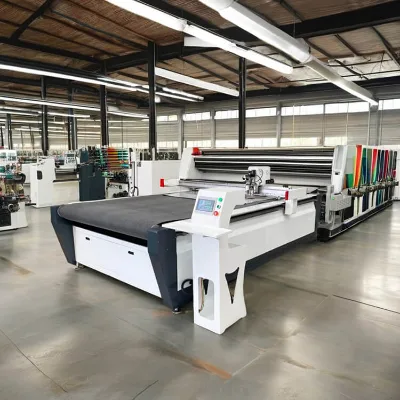
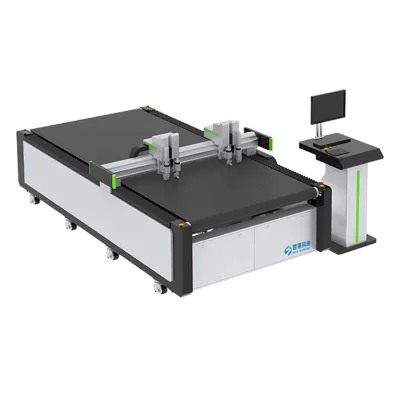
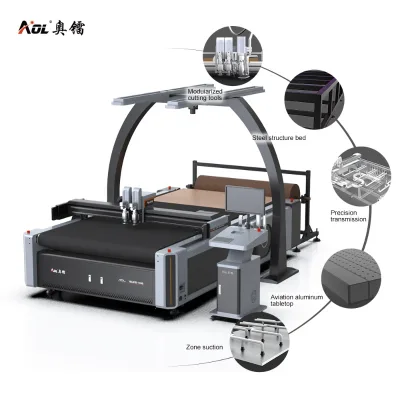
CNC Canvas Fabric Roll Cutter Machine Digital Nonwoven Fabric Pattern Flatbed Cutting Machine
$8219.7421 - $11302.1454
MOQ: 1 sets

Comprehensive Sourcing Guide
Digital CNC Cutting Linen Fabric Sourcing Guide
Sourcing linen fabric for digital CNC cutting requires a precise understanding of material behavior and supplier capabilities. The observed market includes products with specific model numbers such as YW-421, YW-304, and YW-300, indicating a diverse range of available stock. Buyers must distinguish between pure linen options, such as the 100% Linen variant, and blended fabrics like the 55% Linen and 45% Cotton composition. These material differences directly impact how the fabric interacts with cutting tools and subsequent garment construction.
Procurement decisions should also account for the technical attributes listed in supplier catalogs, including woven techniques and specific widths like 53/54" or 55/56". The availability of customization and printed patterns, such as striped or plain styles, adds complexity to the sourcing process. Buyers need to verify that the supplier can handle the specific GSM range, observed between 10-200GSM, to ensure the fabric is suitable for the intended digital cutting application without excessive fraying or distortion.
Product Scope and Observed Listing Signals
The current product landscape features a wide array of linen and linen-blend fabrics tailored for various end uses. Listings indicate applications ranging from garments and dresses to home textiles, bedding, curtains, and even automotive interiors. This versatility suggests that suppliers are catering to multiple industries, from fashion design to interior decoration. Buyers should carefully review the stated usage to ensure the fabric’s weight and weave density align with the structural demands of their final product, whether it is a lightweight dress or a heavy-duty sofa cushion.
Observed listing signals also highlight specific packaging and standardization practices, such as roll packing and inner plastic bag protection. Some suppliers offer samples in A4 size, which is crucial for testing compatibility with digital cutting machines before committing to large orders. The presence of model numbers like Lcj-0207 and HLWO24058 helps in tracking specific product lines. Buyers must verify if these models correspond to the desired width and material composition, as inconsistencies in these details can lead to production delays or material waste during the cutting phase.
Technical Specifications to Verify
Technical verification is critical when sourcing linen for CNC cutting, particularly regarding fabric width and weight. Buyers must confirm if the fabric width is 53/54", 55/56", or 54/55", as these variations affect nesting efficiency and material utilization rates. The weight, specified in GSM, is another key parameter; observed ranges include 10-200GSM and specific weights like 115 GSM. Thinner linens may require different cutting parameters than heavier ones to prevent blade drag or fabric shifting. Understanding these physical properties ensures that the digital cutting process remains efficient and precise.
Additionally, the weave technique and pattern type must be validated against the cutting machine’s capabilities. Most observed products are woven, which is standard for linen, but the presence of printed or striped patterns introduces alignment challenges. Buyers should verify if the supplier provides repeat information for patterned fabrics to ensure seamless cutting. The model numbers, such as YW-093 and YW-409, serve as identifiers for these technical attributes. Confirming these details with the supplier prevents mismatches between the digital file and the physical fabric, reducing the risk of defective cuts.
Compliance and Safety Documentation
Compliance documentation is essential for ensuring that the sourced linen fabric meets international safety and quality standards. Some suppliers provide certifications such as SGS, which indicates that the product has undergone independent testing for quality and safety. Buyers should request these certificates to verify that the fabric is free from harmful substances and meets regulatory requirements for its intended market. The absence of specific certification claims for other products means buyers must proactively ask for documentation rather than assuming compliance.
Color fastness is another critical compliance factor, with observed ratings like 3-4 grade indicating the fabric’s resistance to fading. This is particularly important for garments and home textiles that will undergo washing or exposure to light. Buyers should verify the color fastness grade for each product model to ensure durability. Additionally, the origin of the fabric, noted as China or Made in China, may have implications for import regulations and tariffs. Understanding these compliance aspects helps mitigate legal risks and ensures the final product meets consumer expectations for quality and safety.
Cost Drivers and Commercial Terms
Cost drivers for linen fabric include material composition, width, and customization requirements. Blended fabrics like 55% Linen and 45% Cotton may offer different price points compared to 100% Linen options. The width of the fabric also impacts cost, as wider rolls can reduce waste but may come at a premium. Customization options, such as specific prints or patterns, can further influence pricing. Buyers should request detailed quotes that break down these cost components to understand the true value of each product.
Commercial terms, including MOQ and lead times, are significant factors in procurement planning. Observed MOQs range from 1000m to 3000m, which can be substantial for smaller buyers. Lead times for samples are noted as 7 days, which is relatively quick, but bulk production times may vary. Buyers should negotiate terms that align with their production schedules and inventory needs. Understanding these commercial terms helps in budgeting accurately and avoiding unexpected costs or delays in the supply chain.
Supplier Qualification and Quality Control
Supplier qualification involves assessing their ability to consistently deliver high-quality linen fabric. Buyers should verify the supplier’s production capabilities, including their experience with woven linen and their quality control processes. The availability of samples, such as A4 size or free samples, allows buyers to test the fabric’s quality before placing large orders. Suppliers like HANHAO, with specific model numbers and standards, demonstrate a structured approach to product management. Buyers should evaluate these factors to ensure the supplier can meet their quality expectations.
Quality control checks should include inspections for defects, color consistency, and dimensional stability. Buyers should request information on the supplier’s testing procedures, including color fastness and weight verification. The observed standards, such as 15X15X0.2 cm or 130cm full width, provide benchmarks for quality. Buyers should establish clear quality criteria in their contracts and conduct regular audits if possible. This proactive approach to quality control helps minimize the risk of receiving substandard materials and ensures a smooth production process.
Long-Term Procurement Checks
Long-term procurement checks focus on building a sustainable and reliable supply chain for linen fabric. Buyers should monitor supplier performance over time, tracking metrics such as delivery times, quality consistency, and responsiveness to issues. The observed supply type, such as Make-to-Order, indicates a flexible production model that can adapt to changing demands. Buyers should maintain open communication with suppliers to address any emerging challenges and ensure continuous improvement. This long-term perspective helps in building strong partnerships and securing favorable terms.
Additionally, buyers should stay informed about market trends and technological advancements in linen production and digital cutting. The availability of new models and customization options suggests a dynamic market. Buyers should regularly review their sourcing strategies to incorporate new opportunities and mitigate risks. By conducting periodic reviews and maintaining a diverse supplier base, buyers can ensure resilience in their supply chain. This strategic approach to procurement helps in achieving cost efficiency and quality assurance over the long term.
FAQs
What materials are used for Digital CNC Cutting Linen Fabric?
The fabric is available in 100% Linen or a blend of 55% Linen and 45% Cotton. These materials provide the necessary durability and texture for garment and home textile applications. The woven technique ensures a stable structure suitable for precise digital CNC cutting processes without fraying.
Can I customize the pattern and style of the fabric?
Yes, customization is available for both printed and plain styles. Buyers can request specific designs, including striped patterns, to meet unique project requirements. The supplier supports make-to-order production, allowing for tailored solutions that align with specific aesthetic and functional needs for dresses or curtains.
What is the minimum order quantity for linen fabric?
The minimum order quantity varies between 1000 meters and 3000 meters depending on the specific product model and customization level. Standard items may have lower thresholds, while custom prints or specific blends often require higher volumes. Buyers should confirm the exact MOQ with the supplier before placing an order.
How long is the delivery time for samples?
Samples are typically delivered within 7 days. An A4 size sample is available, and in some cases, samples may be provided free of charge. This quick turnaround allows buyers to verify fabric quality, weight, and color fastness before committing to larger bulk orders for production.
What certifications does the linen fabric hold?
The fabric holds SGS certification, ensuring compliance with international quality and safety standards. This certification verifies the material's integrity and suitability for various applications, including garments and home textiles. Buyers can rely on this documented quality assurance for sourcing decisions and regulatory compliance in their respective markets.
What are the available widths for the fabric rolls?
The fabric is available in standard widths of 53/54 inches, 54/55 inches, and 55/56 inches. Some specific models may offer a full width of 130 cm. These width options accommodate different cutting and sewing requirements, ensuring efficient material usage for various garment and home textile manufacturing processes.