Pattern Shoe Making Machine Suppliers and Manufacturers
Compare 21 verified suppliers of pattern shoe making machines based on location, lead times, and warranty terms. Review product specifications like voltage and core components to find the right factory for your shoe production needs; review the available evidence before requesting comparable quotations from suitable candidates.
Updated
Suppliers List
Dongguan Houjie Bao Lin Machinery Factory
- Manufacturer, Trading Company
- Guangdong, China
- Lead time0 days
- Avg. response≤ 1h
Main productssewing machine,Spot welding machine,Hammer flattening machine,Single head roughing machine,Shoe mixing glue machine
Main marketsSouth America(20.00%), North America(10.00%), Eastern Europe(10.00%), Southeast Asia(10.00%), Mid East(10.00%), Central America(10.00%), South Asia(10.00%), Northern Europe(5.00%), Domestic Market(5.00%), Africa(2.00%), Oceania(2.00%), Eastern Asia(2.00%), Western Europe(2.00%), Southern Europe(2.00%)
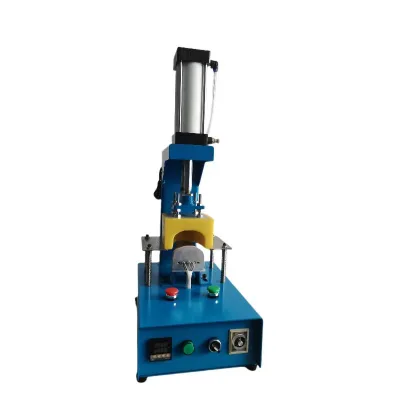
Shoe Making Machine, Shoe Toe Part Forming Machine, Shoe Toe Forming Machine
$321.3704 - $342.1043
MOQ: 1 pieces
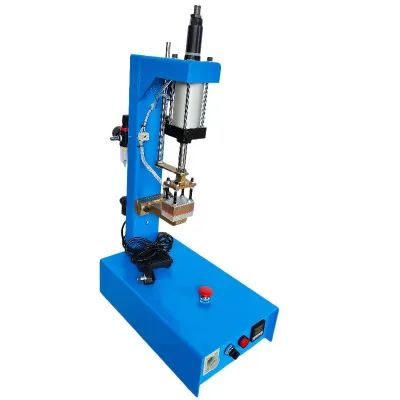
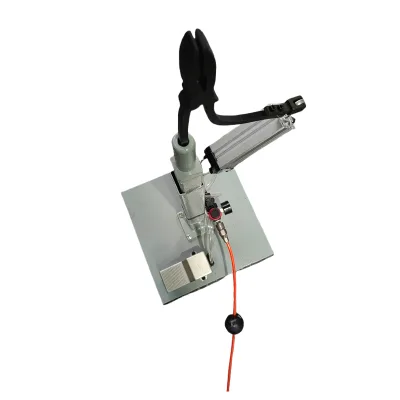
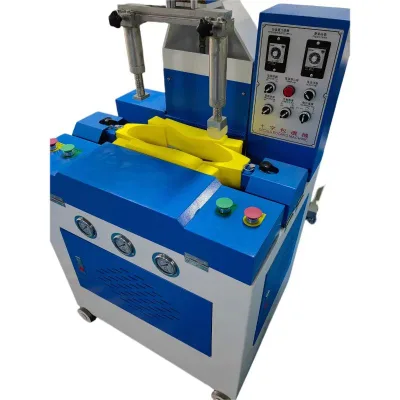
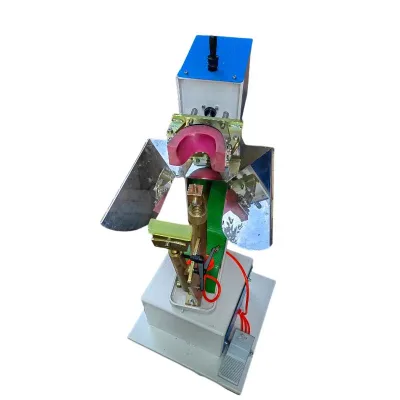
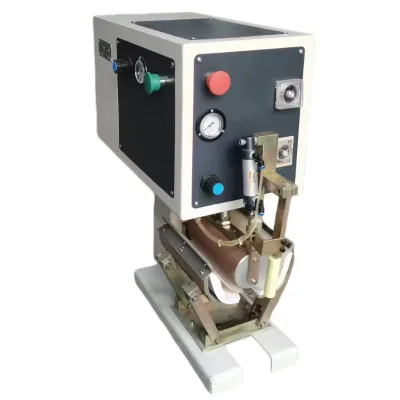
Shoe Making Machine for Soles Cross Side Pressing Molding Shoe Making Machine for Soles
$3581.2836 - $3785.9284
MOQ: 1 sets

Wenzhou Dashun Machinery Manufacture Co., Ltd.
- Combined
- China Zhejiang
- Lead time30 days
- Avg. response≤ 6h
Main productsShoe Machine, Leather Machine, Toe Lasting Machine, Sole Machine, Embossing Machine, Nailing Machine, Folding Machine, Molding Machine, Insole Machine, Upper Machine
Main marketsSoutheast Asia/ Mideast

Dongguan Kingstone Shoe-Making Machinery Co., Ltd.
- Manufacturer, Trading Company
- Guangdong, China
- Lead time20 days
- Avg. response≤ 1h
Main productsShoe making machine,slippers making machine,shoe sole machine,slipper machine,gumboots making machine
Main marketsAfrica(20.00%), South America(20.00%), Mid East(18.00%), Domestic Market(15.00%), South Asia(5.00%), Eastern Europe(5.00%), Central America(5.00%), Eastern Asia(5.00%), Southeast Asia(5.00%), Southern Europe(2.00%)
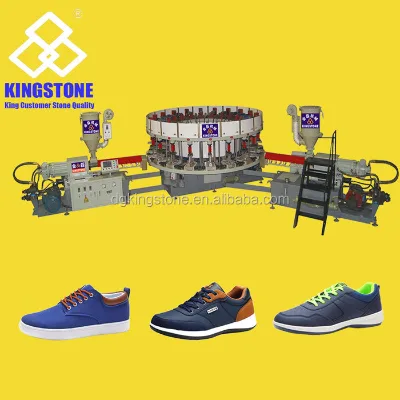
$33000.00 - $69000.00
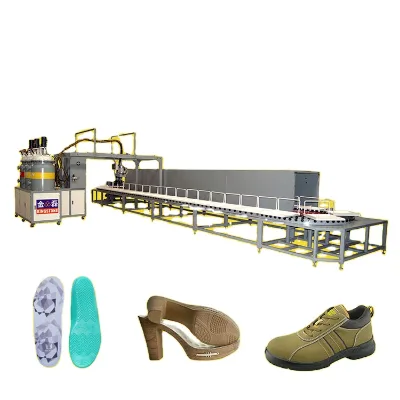
JL-298 PU Shoe Making Machine, Safety Shoe Outsole Making Machine
$36800.00 - $38000.00

Yancheng Xiongying Precision Machinery Co., Ltd.
- Combined
- China Jiangsu
- Lead time30 days
- Avg. response≤ 11h
Main productsHydraulic Cutting Machine, Leather Cutting Machine, Die Cutting Machine, Plastic Cutting Machine, Rubber Cutting Machine, Shoe Making Machine, Hydraulic Cutting Press, Die Cutting Press
Main marketsSouth America,Africa,Southeast Asia/ Mideast,East Asia(Japan/ South Korea),Domestic,Europe,Australia,North America
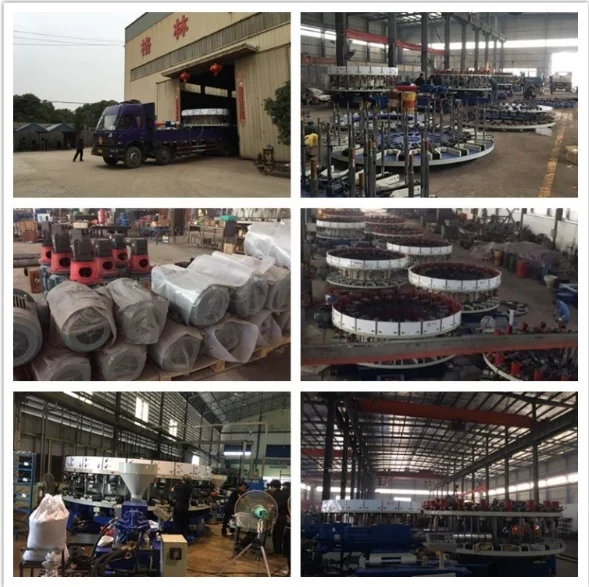
Ezhou Green Machinery Co., Ltd.
- Manufacturer, Trading Company
- Hubei, China
- Lead time30 days
- Avg. response≤ 5h
Main productsone color plastic injection molding machine,tstic injection molding wo colors plamachine,double colors rain boot molding machine,PVC BLOWING MOLDING MACHINE,dual density rubber molding machine
Main marketsAfrica(30.00%), Eastern Asia(20.00%), Southeast Asia(20.00%), South Asia(10.00%), North America(10.00%), Mid East(10.00%)
Dongguan Strong Machinery Engineering Co., Ltd.
- Verified by Intertek
- Trading Company
- Lead time0 days
- Avg. response≤ 5h
Main productsPacking Machine

Yancheng Greater Machinery Co., Ltd.
- Combined
- China Jiangsu
- Lead time15 days
- Avg. response≤ 8h
Main productsShoe-Making Machine, Cutting Machine, Hydraulic Cutting Machine, Mould Cutting Machine, Die Cutting Machine, Cutting Press, Punching Machine, Leather Cutting Machine, Strip Cutting Machine, Leather Embossing Machine
Main marketsSouth America,Africa,Southeast Asia/ Mideast,East Asia(Japan/ South Korea),Domestic,Europe,Australia,North America

QUANZHOU KINGKUNG IMP. AND EXP. TRADE CO., LTD.
- Trading Company
- China Fujian
- Lead time30 days
- Avg. response≤ 7h
Main productsShoe Machine, Shoe Machinery, Shoe Mould, Shoe Mold, Shoe Upper, Shoe Sole, Shoe Materials, Shoe Accessories, Shoe Components, Injection Shoe Machine
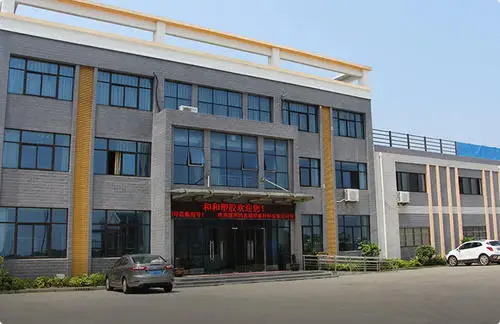
Dongguan Qianjin Industry And Trade Co., Ltd.
- Manufacturer, Trading Company
- Guangdong, China
- Lead time7 days
- Avg. response≤ 5h
Main productsleather machine,footwear machine,shoe making machine,leather belt making machine,car seat making machine
Main marketsDomestic Market(10.00%), Southern Europe(10.00%), Northern Europe(10.00%), Western Europe(10.00%), Eastern Europe(10.00%), South America(10.00%), North America(10.00%), Eastern Asia(5.00%), South Asia(5.00%), Mid East(5.00%), Africa(5.00%), Central America(5.00%), Southeast Asia(5.00%)
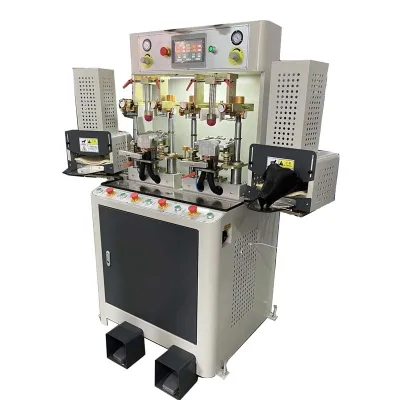
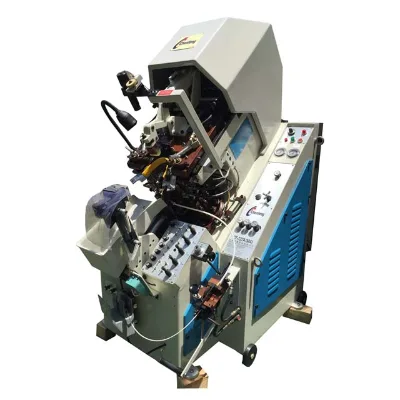
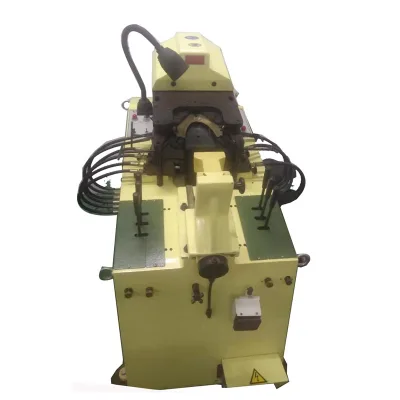
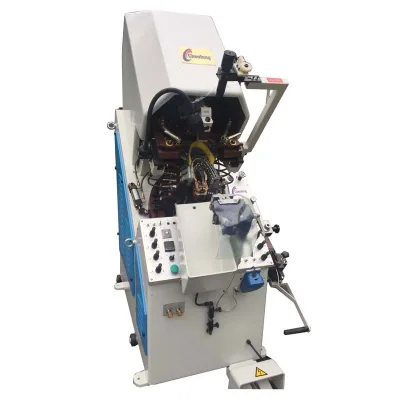
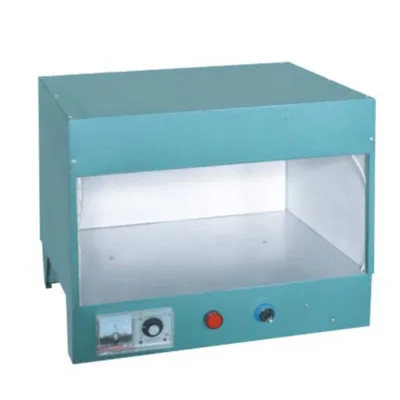
Toe Lasting Used Shoe Making Machinery for Sale
$3000.00 - $7100.00
Foshan Wenmei Machinery Technology Co., Ltd.
- Trading Company, Agent, Distributor/Wholesaler
- Guangdong, China
- Lead time3 days
- Avg. response≤ 9h
Main productsShoe machine,sewing machine,Gluing Machine,Leather making machine,Belts making machine
Main marketsDomestic Market(60.00%), Southeast Asia(15.00%), Eastern Asia(8.00%), Southern Europe(6.00%), Northern Europe(6.00%), Africa(5.00%)
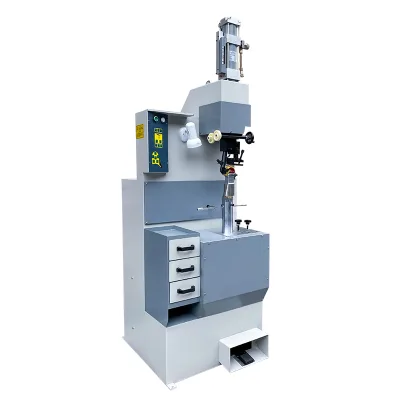
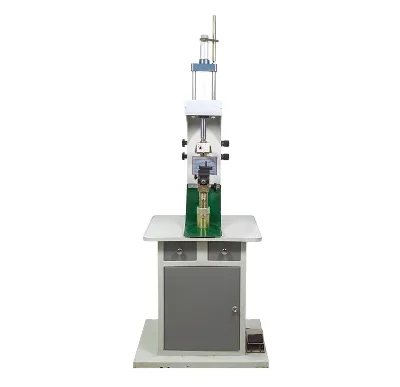
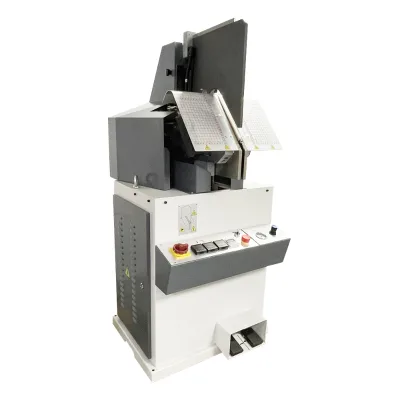
Factory Custom Shoes Making Machinery Men Boots Upper Vamp Forming Machine
$3500.00 - $4450.00
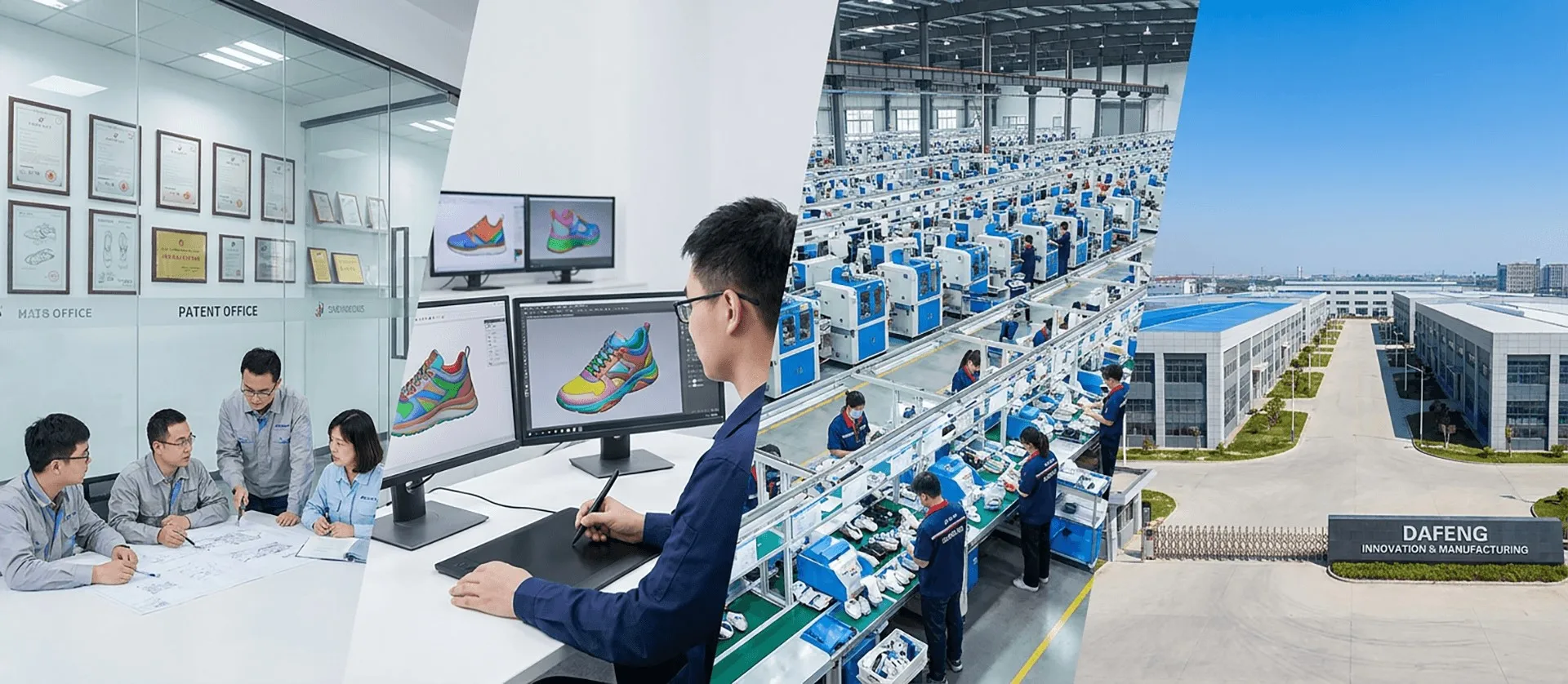
Foshan Dafeng Machinery Equipment Co., Ltd.
- Manufacturer
- Guangdong, China
- Lead time10 days
- Avg. response≤ 3h
Main productsShoe Making Machines,Leather Production Machinery,Leather Splitting Machine,Sole Press Machine,eva slippers making machine
Main marketsAfrica(19.00%), Southeast Asia(18.00%), Domestic Market(15.00%), South Asia(10.00%), Mid East(10.00%), South America(6.00%), Eastern Asia(5.00%), Northern Europe(3.00%), Eastern Europe(3.00%), North America(3.00%), Oceania(3.00%), Western Europe(2.00%), Southern Europe(2.00%), Central America(1.00%)
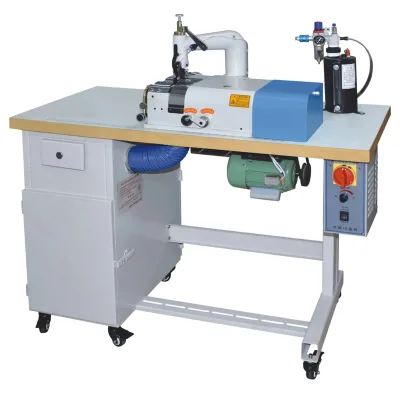
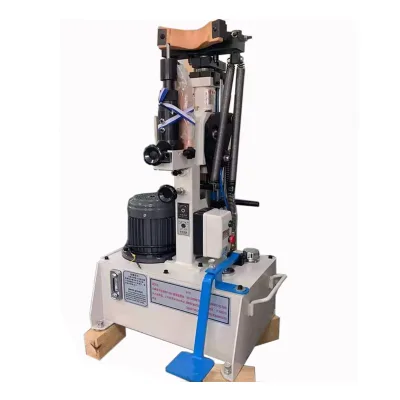
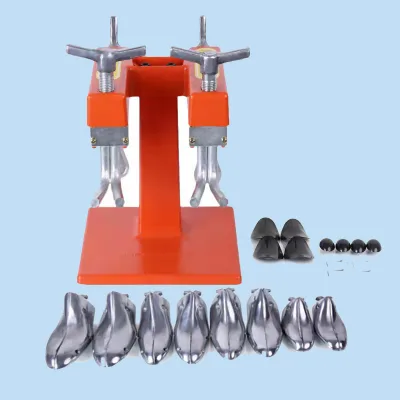
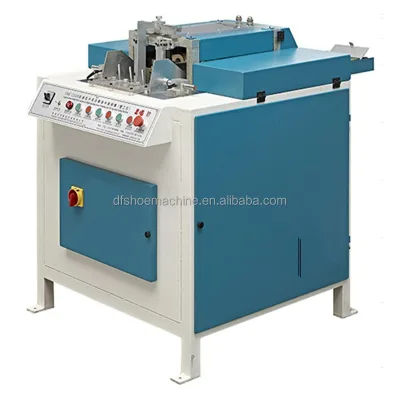
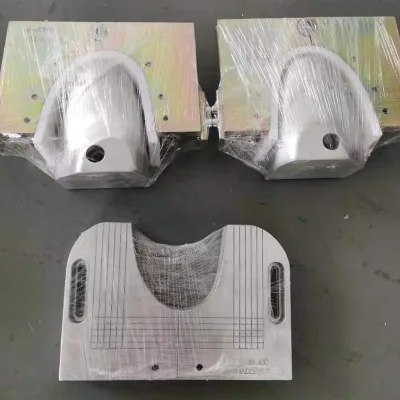
Shoe Making Machine Toe Molding Machine Mold Mould
$320.00 - $350.00
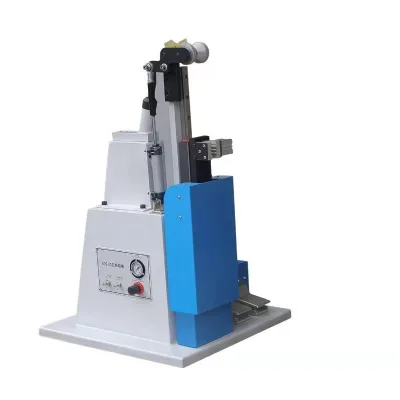
Small Footwear Kids Shoes Making Machine Shoe Lasting String Pulling Grasping Machine
$1234.6097 - $1296.3407
MOQ: 1 sets
Dongguan Top Machinery Co., Ltd.
- Trading Company
- Lead time旺季: "1 - 5":7,"> 5":"To be negotiated", 淡季: "1 - 5":7,"> 5":"To be negotiated"
- Avg. response≤ 3h
Main productsMetal Marking Machine,Badge Machine,Automotive Maintenance and Diagnostic products,Jewelry making machinery,Sports Machinery
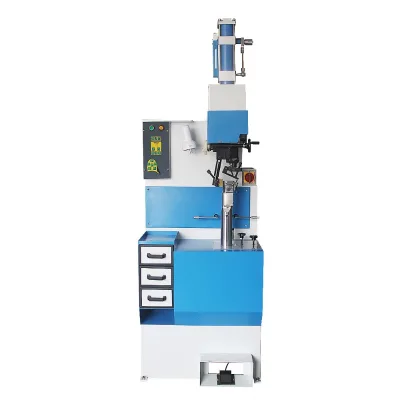
$2927.0201 - $3324.2597
MOQ: 1 sets
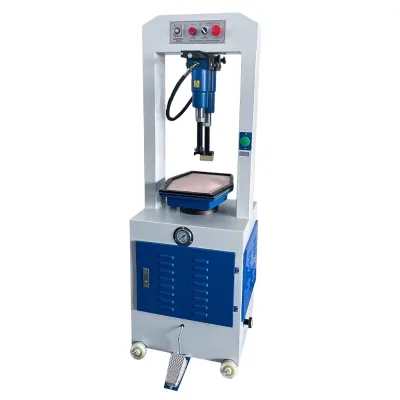
Single Presser Layer Sole High Speed Shoe Leather Sole Pressing Machine Other Shoe Making Machine
$518.338 - $673.8393
MOQ: 1 sets
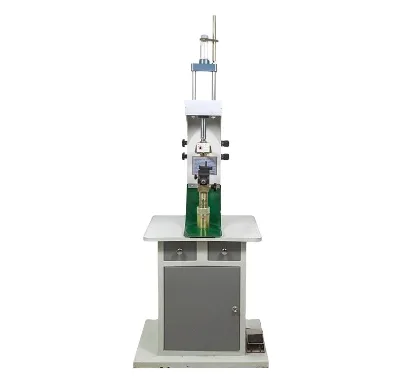
Simple Operation Shoemaking Shoe Insole Nailing Fixing Machine for Ladies Shoes
$549.4394 - $704.9408
MOQ: 1 sets
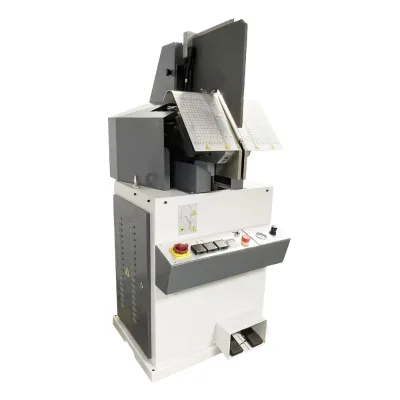
Factory Custom Shoes Making Machinery Men Boots Upper Vamp Forming Machine
$3620.8682 - $5172.6689
MOQ: 1 sets
Jiangsu Atong Machinery Manufacturing Co., Ltd.
- Manufacturer, Trading Company
- Jiangsu, China
- Lead time20 days
- Avg. response≤ 5h
Main productsdie cutting machine,clicker press,mattress hole punch machine,hydraulic cutting press,fabric cutting machine
Main marketsMid East(20.00%), Southeast Asia(20.00%), South Asia(10.00%), South America(10.00%), North America(10.00%), Eastern Europe(10.00%), Oceania(5.00%), Western Europe(5.00%), Eastern Asia(5.00%), Africa(5.00%)
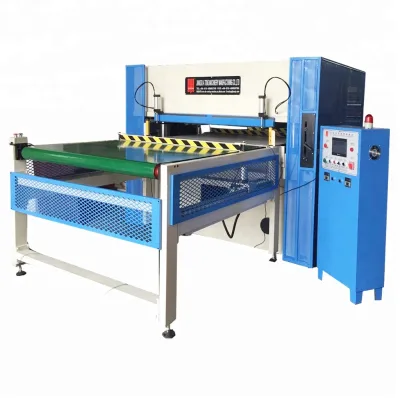
Shoemaking Machine with Clicker Press Shoe Insoles Equipment
$21000.00 - $23000.00
Qifeng Hydraulic Technology Co., Ltd.
- Manufacturer, Trading Company
- Guangdong, China
- Lead time15 days
- Avg. response≤ 4h
Main productsShoe making Machine,shoe machine,shoe production line,Lasting Machine,side and heel lasting machine
Main marketsDomestic Market(20.00%), North America(15.00%), Southeast Asia(15.00%), South America(15.00%), Eastern Asia(10.00%), Mid East(10.00%), Oceania(5.00%), Africa(5.00%), Eastern Europe(5.00%)
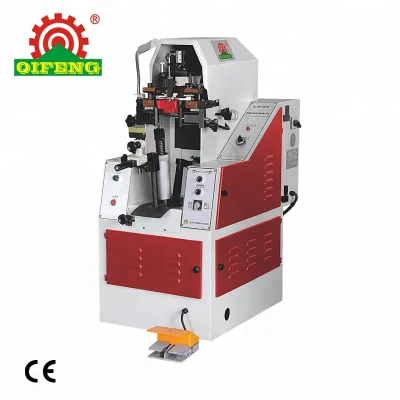
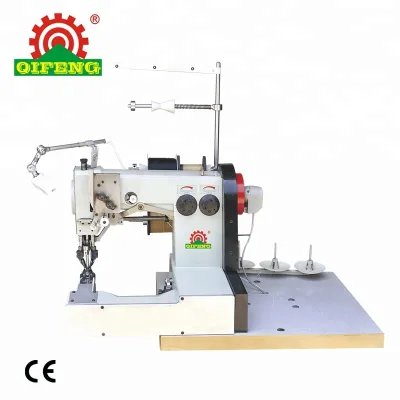
Hot Sale QF-05 Pattern Machine Essential Equipment for Shoe Making
$6297.589 - $8155.894
MOQ: 1 Minimum
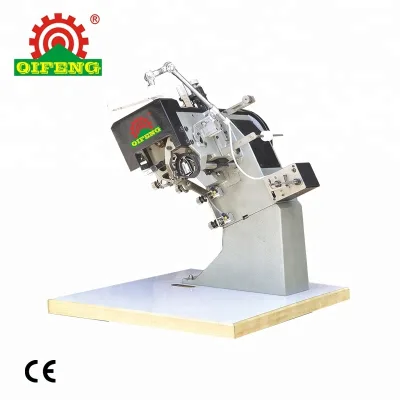
QF-836 Outsole Stitching Machine for Shoes Essential Shoemaking Machinery
$6917.024 - $7742.9373
MOQ: 1 Minimum
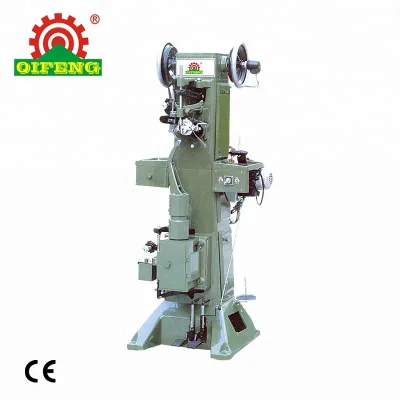
Best Price QF-332B Stitching Machine for Shoe Making Shoemaking Machines
$4500.00 - $4700.00
MOQ: 1 Minimum
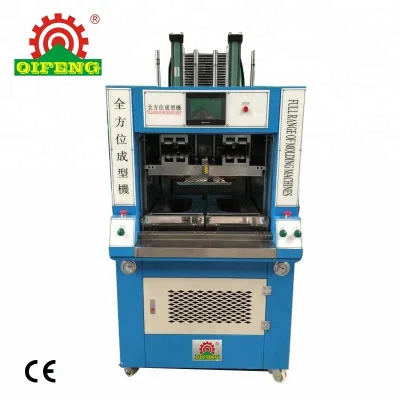
QF-616 Full Range Shoe Pressing Machine Efficient Shoemaking Machine
$7261.7647 - $7572.9832
MOQ: 1 Minimum
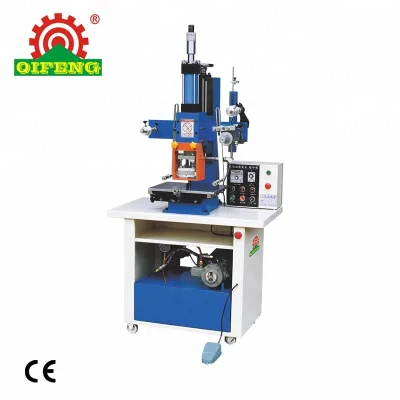
QF-815A Hydraulic Hot Stamping Shoe Making Machine Hydraulic Shoemaking Machines for Sale
$1000.00 - $1200.00
MOQ: 1 Minimum
Foshan Shunde Maoduoyu Trading Co., Ltd.
- Manufacturer, Trading Company, Distributor/Wholesaler
- Guangdong, China
- Lead time0 days
- Avg. response≤ 1h
Main productsIndustrial machinery,Commercial machinery,Packaging machinery,Filling machinery,Food machinery
Main marketsNorth America(50.00%), Southeast Asia(10.00%), Mid East(10.00%), Central America(10.00%), Domestic Market(5.00%), Western Europe(5.00%), Northern Europe(3.00%), South Asia(2.00%), Oceania(1.00%), Eastern Asia(1.00%), Eastern Europe(1.00%), South America(1.00%), Africa(1.00%)
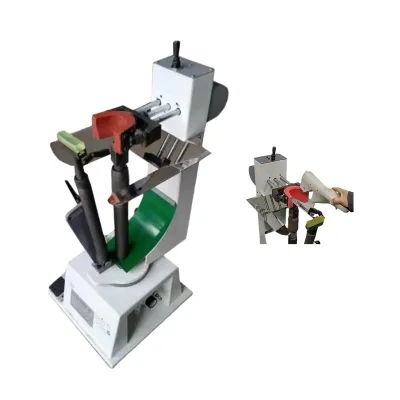
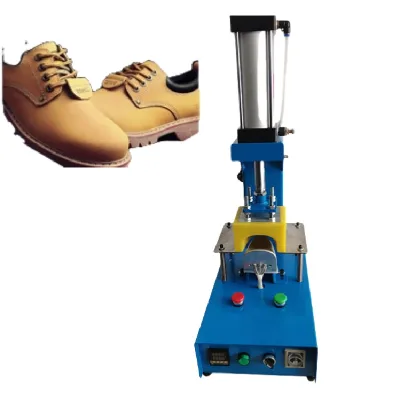
Automated Shoe Making Machine Specializes in Hot Heel Forming for Small Workshops
$333.00 - $363.00
MOQ: 1 units

Zhejiang Juda Machinery Co., Ltd.
- Combined
- China Zhejiang
- Lead time15 days
- Avg. response≤ 21h
Main productsBand-Knife Splitting Machine, Edge Folding Machine, Automatic Pearl Riveting Machine, Automatic Button Riveting Machine, Automatic Eyeletting Machine / Riveting Machine, Insole Machine, Leather Cutting Machine, Automatic Lock Cylinder Assembly Machine, Pounding Machine
Main marketsSouth America,Southeast Asia/ Mideast,Europe


Fully Automatic Sole Shaping Machine Insole Moulding Shoe Making Machine
$37000.00 - $41500.00
MOQ: 1 Set

Xiamen Manyu Intelligent Technology Co., Ltd.
- Verified by BV
- Combined
- China Fujian
- Lead time60 days
- Avg. response≤ 12h
Main productsPU Injection Shoe Machine
Main marketsSouth America,Southeast Asia/ Mideast,Europe,North America


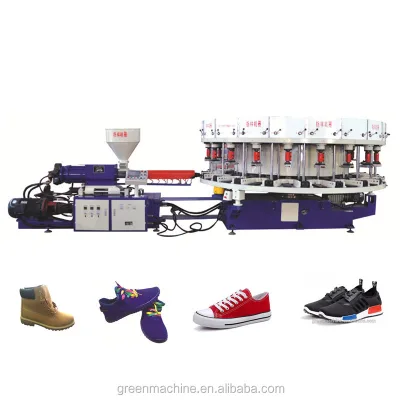
Full Automatic Rotary Type Shoes Making 24 Stations Injection Machine
$300000.00 - $600000.00
MOQ: 1 set
Foshan City Dingtong Machinery Co., Ltd.
- Manufacturer, Trading Company
- Guangdong, China
- Lead time10 days
- Avg. response≤ 4h
Main productsCutting Machine,Embossing Machine,vacuum vulcanizing shaping machine,vacuum freezing shaping machine,Heel Lating Machine
Main marketsDomestic Market(49.00%), Southeast Asia(13.00%), Mid East(10.00%), Africa(10.00%), South Asia(10.00%), North America(5.00%), South America(2.00%), Central America(1.00%)
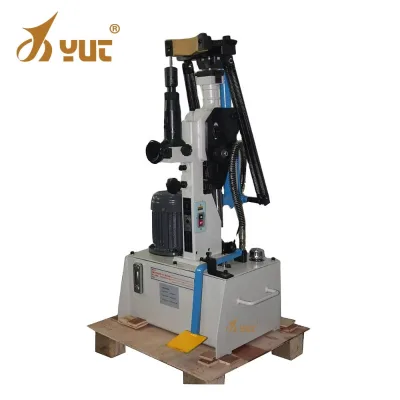
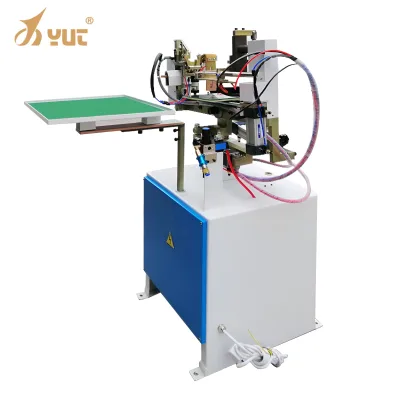
New Shoe Lasting Machine Shoemaking Equipment Sandal Shoe Making Machine Sandal Side Lasting Machine
$2200.00 - $2428.00
MOQ: 1
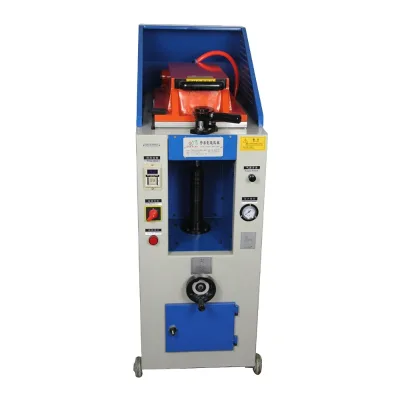
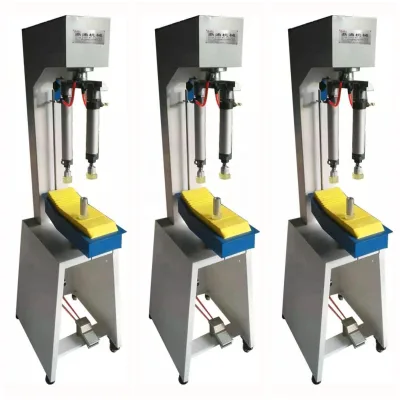
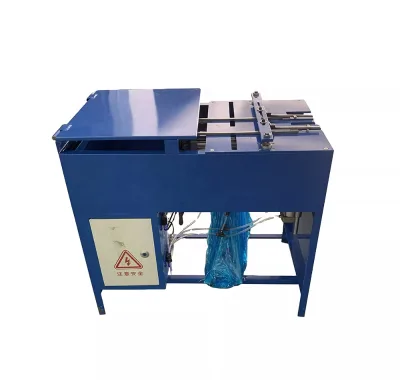
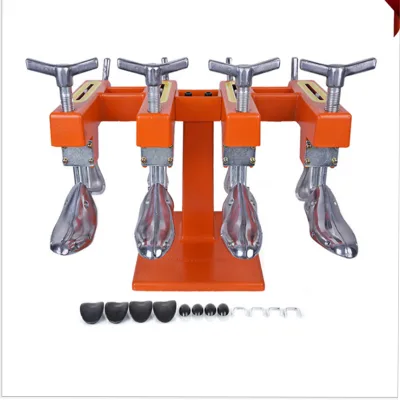
China Brand Shoe Outline Drawing Making Machine of a High Standard
$314.00 - $386.00
Jiangsu Xianhe Machinery Manufacturing Co., Ltd.
- Manufacturer, Trading Company
- Jiangsu, China
- Lead time25 days
- Avg. response≤ 10h
Main productsLaminating Machine,Cutting Machine,Moulding Machine
Main marketsSoutheast Asia(39.00%), Domestic Market(30.00%), South Asia(25.00%), Africa(2.00%), Eastern Europe(2.00%), Central America(1.00%), South America(1.00%)
UNITED CHEN INDUSTRIAL CO., LTD.
- Manufacturer, Trading Company
- Taiwan, China
- Lead time30 days
- Avg. response≤ 18h
Main productsEVA foaming machinery,Rubber machinery,EVA processing machinery,Sport equipment machinery,CNC Machining
Main marketsSoutheast Asia(30.00%), South Asia(11.00%), Mid East(8.00%), North America(8.00%), South America(8.00%), Africa(7.00%), Western Europe(6.00%), Domestic Market(6.00%), Southern Europe(5.00%), Eastern Asia(5.00%), Central America(3.00%), Eastern Europe(3.00%)

Dongguan Kingstone Shoe-Making Machinery Co., Ltd.
- Combined
- China Guangdong
- Lead time30 days
- Avg. response≤ 23h
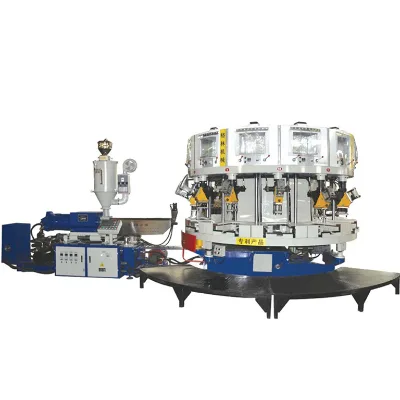
Main productsShoe Making Machine, Slipper Making Machine, Gumboots Making Machine, Sole Making Machine
Main marketsSouth America,Africa,Southeast Asia/ Mideast,East Asia(Japan/ South Korea),Europe,North America






Comprehensive Sourcing Guide
Pattern Shoe Making Machine Supplier Concentration and Factory Types
The current supplier landscape for pattern shoe making machines reveals a distinct geographic concentration in Guangdong, China, which serves as a primary manufacturing hub for this specialized industrial equipment. This region is well-established for producing a wide array of footwear machinery, ranging from basic hand tools to complex automated systems. Buyers evaluating suppliers should note that the available inventory includes diverse machine types such as shoe toe part forming machines, finished shoe hot stamping units, and anti-car shoe flipping mechanisms. These products are often categorized under industrial machinery for apparel and textiles, specifically within the shoemaking segment. The presence of manufacturers in this area suggests a mature supply chain capable of supporting various production scales, from small workshops to larger factories. Understanding this geographic clustering helps buyers anticipate the types of machinery available and the logistical advantages of sourcing from this specific industrial zone.
In addition to geographic location, the supplier types present in the market include both direct manufacturers and trading companies. This dual structure offers buyers different engagement models depending on their specific needs for customization, volume, and technical support. Manufacturers typically provide direct access to production capabilities, allowing for potential customization of core components like motors or gears, while trading companies may offer a broader portfolio of related items such as leather machines, nailing machines, and embossing machines. The main products listed by suppliers often extend beyond simple pattern machines to include sole pressing, upper shaping, and insole processing equipment. This variety indicates that many suppliers operate as comprehensive solution providers for shoe production lines. Buyers should carefully distinguish between these entity types to understand the source of the machinery, the nature of the warranty, and the level of technical expertise available for installation and maintenance of their pattern shoe making equipment.
How to Verify Pattern Shoe Making Machine Suppliers
Verifying the legitimacy and capability of Pattern Shoe Making Machine suppliers requires a close examination of the product attributes and documentation provided in the search results. A critical step is to check for the availability of machinery test reports, as some suppliers explicitly state that these reports are provided, while others indicate they are not available. This distinction is vital for ensuring the machine meets specific safety and performance standards before purchase. Buyers should also scrutinize the core components listed, such as motors or gears, and verify the voltage specifications, which vary from 220V to 380V depending on the machine's power requirements. Additionally, the condition of the equipment, typically listed as new, and the warranty terms, often one year for both the machine and core components, serve as key indicators of supplier confidence in their product quality. These details help buyers assess the reliability and longevity of the machinery they are considering.
Another essential verification step involves checking the supplier's response time and after-sales service provisions. The data shows a response time of one day, which is a positive indicator for timely communication and support. Buyers should also look for specific after-sales services, such as video technical support or video outgoing-inspection, which can be crucial for remote troubleshooting and quality assurance. The presence of video inspections allows buyers to visually verify the machine's condition and functionality before shipment. Furthermore, buyers should confirm the place of origin, ensuring it matches the claimed manufacturing location, such as Guangdong, China. By cross-referencing these technical specifications, service commitments, and communication metrics, buyers can build a more accurate profile of each supplier’s operational integrity and their ability to support the Pattern Shoe Making Machine throughout its lifecycle.
What to Compare Across Pattern Shoe Making Machine Suppliers
When comparing suppliers, buyers must evaluate the price ranges and minimum order quantities (MOQ) to determine the best fit for their budget and production volume. The available data shows a wide variance in pricing, with some machines like the shoe flipping machine priced around $280, while more complex units like the sole cross-side pressing molding machine can exceed $3,500. The MOQ for many items is listed as one, offering flexibility for small-scale operations or trial orders. However, buyers should also consider the single gross weight and package dimensions, which impact shipping costs and handling requirements. For instance, a manual shoe side lasting machine has a gross weight of 87 kg, whereas a heavier sole pressing machine weighs 350 kg. These physical attributes are crucial for calculating total landed costs and ensuring the buyer’s facility can accommodate the equipment. Comparing these financial and logistical factors helps in selecting a supplier that offers the best value proposition.
Beyond price and logistics, buyers should compare the specific functional capabilities and technical specifications of the machines offered by different suppliers. Key attributes to compare include the power consumption, such as 400W for a toe forming machine versus 1.5kw for a sole press, and the mechanical dimensions, which determine the floor space required. The model numbers, such as BL-017 or BL-292, also help in identifying specific features and potential upgrades. Additionally, the applicable industries, primarily shoe making, should be matched with the buyer’s specific production needs, whether for leather shoes, boots, or sports footwear. By systematically comparing these technical and operational details, buyers can identify which supplier’s Pattern Shoe Making Machine aligns best with their production efficiency goals and technical requirements, ensuring a more informed purchasing decision.
Common Pattern Shoe Making Machine Sourcing Risks
One significant risk in sourcing pattern shoe making machines is the inconsistency in machinery test reports and certification availability. Some suppliers provide these reports, while others do not, leaving buyers without independent verification of the machine’s safety and performance standards. This lack of standardized documentation can lead to potential compliance issues or operational failures if the machine does not meet the buyer’s specific regulatory requirements. Buyers must be cautious when suppliers claim to provide video inspections but do not offer formal test reports, as visual checks may not reveal internal mechanical defects or electrical hazards. This risk is particularly relevant for machines with higher voltage requirements, such as 380V units, where improper testing could lead to serious safety incidents. Therefore, buyers should prioritize suppliers who offer comprehensive documentation to mitigate these potential operational and safety risks.
Another common risk involves the variability in after-sales service quality and the clarity of warranty terms. While many suppliers offer a one-year warranty, the scope of coverage for core components like motors and gears may differ. Some suppliers provide video technical support, which is helpful for remote troubleshooting, but may not address complex mechanical issues that require on-site repair. Buyers should also be aware of the potential for miscommunication regarding machine specifications, such as voltage or power output, which can lead to incompatibility with existing factory infrastructure. For example, a machine listed with 0V voltage or specific power ratings may not function as expected if not properly verified. Additionally, the reliance on video-based support may delay resolution times for critical production halts. Buyers need to carefully assess the supplier’s support infrastructure and warranty details to avoid unexpected downtime and additional repair costs.
Pattern Shoe Making Machine Regional Sourcing and Logistics
Sourcing pattern shoe making machines from Guangdong, China, offers logistical advantages due to the region’s established manufacturing infrastructure and export capabilities. Buyers should consider the single package sizes and weights when planning logistics, as these factors directly influence shipping costs and handling requirements. For instance, a shoe toe forming machine has a package size of 95x63x39 cm and a gross weight of 38.2 kg, while a sole pressing machine is significantly larger at 90x70x140 cm with a gross weight of 350 kg. These dimensions require careful planning for container loading and warehouse storage. Buyers should also account for the potential need for specialized freight services for heavier or oversized machinery. Understanding the physical characteristics of the equipment allows for more accurate freight quoting and ensures that the buyer’s receiving facility is prepared for the delivery.
In addition to physical logistics, buyers should consider the regional expertise and supply chain efficiency in Guangdong. This area is known for its concentration of shoemaking machinery manufacturers, which can lead to faster production times and better availability of spare parts. However, buyers must also navigate the complexities of international shipping, including customs clearance and import regulations. The response time of suppliers, often within one day, can facilitate quicker communication regarding shipping documents and tracking. Buyers should work closely with their freight forwarders to ensure that all necessary documentation, such as commercial invoices and packing lists, are accurate and complete. By leveraging the regional strengths of Guangdong while managing logistical challenges, buyers can streamline the import process and reduce the overall time to operational deployment of their pattern shoe making machines.
Pattern Shoe Making Machine Commercial Terms and Order Planning
Effective order planning for pattern shoe making machines requires a clear understanding of the commercial terms, including payment structures and delivery schedules. While specific lead times are not always explicitly detailed in the provided data, buyers should inquire about production lead times and shipping durations to align their procurement with production schedules. The MOQ of one for many items allows for flexible ordering, enabling buyers to start with small quantities and scale up as needed. However, buyers should also consider the potential for volume discounts or bundled pricing when purchasing multiple machines, such as combining a toe forming machine with a hot stamping unit. Understanding these commercial terms helps in budgeting and cash flow management, ensuring that the buyer can sustain the procurement process without financial strain.
Furthermore, buyers should plan for the integration of the Pattern Shoe Making Machine into their existing production line, considering the voltage and power requirements. Machines with 220V or 380V specifications must be compatible with the factory’s electrical infrastructure. Buyers should also account for the installation and training costs, which may not be included in the machine price. The availability of video technical support can reduce some of these costs, but buyers should verify if on-site installation services are offered. Additionally, the warranty terms, typically one year, should be clearly understood in terms of coverage for parts and labor. By carefully planning these commercial and operational aspects, buyers can ensure a smooth transition from purchase to production, minimizing disruptions and maximizing the utility of their new pattern shoe making equipment.
FAQs
What is the price range for shoe making machines?
Prices for shoe making machines typically range from approximately $280 to over $3,700 depending on the specific model and capabilities. Basic units like flipping machines start near $280, while specialized sole pressing equipment can exceed $3,700. Buyers should verify exact pricing for their required specifications.
What is the minimum order quantity for these machines?
The minimum order quantity for these shoe making machines is one unit. Suppliers generally allow single-item purchases, making it accessible for small workshops or individual buyers to test equipment without committing to large bulk orders. This low MOQ supports flexible sourcing strategies.
Where are these shoe making machines manufactured?
These machines are manufactured in Guangdong, China, and Zhejiang, China. Guangdong suppliers offer a wide variety of models including toe formers and sole pressers. Zhejiang suppliers specialize in categories like leather and nailing machines. Buyers can filter by these specific regions for logistics planning.
What warranty is provided with the machinery?
Most listed shoe making machines come with a one-year warranty. This coverage typically applies to the entire unit and often extends to core components like motors or gears for the same duration. Buyers should confirm specific warranty terms for core parts during negotiation.
What voltage options are available for these machines?
Voltage options vary by model, with common specifications including 220V, 380V, and 0V for manual units. Electric models like toe formers often use 220V, while sole pressers may require 380V. Buyers must match the machine voltage to their local power supply infrastructure.
What after-sales support is available for these machines?
After-sales support primarily includes video technical support and video outgoing inspections. Some suppliers provide machinery test reports, while others do not. Buyers should request video documentation of the machine's operation before purchase to ensure functionality and verify the quality of the equipment.