Digital CNC Cutting Linen Fabric Suppliers and Manufacturers
Compare 14 verified suppliers offering Digital CNC Cutting Linen Fabric with details on location, lead times, and certifications. Review product specs like width and weight, then request samples to verify quality before placing orders; review the available evidence before requesting comparable quotations from suitable candidates.
Updated
Suppliers List

Shaoxing Yewang Textile Co., Ltd.
- Verified by SGS
- Trading Company
- China Zhejiang
- Lead time15 days
- Avg. response≤ 18h
Main productsRayon Print&Dye Fabric, Cotton Print&Dyed Fabric, Polyester Print and Dyed Fabric, Digital Printing Fabric, Nida Fabric and Abaya Fabric, Garment Fabric and Knitted Fabric, Linen Fabric and Hawaii Design Fabric, Velvet Fabric and Cey Fabric, Flano Fabric and Denim Fabric, Woven Fabric
Main marketsDomestic


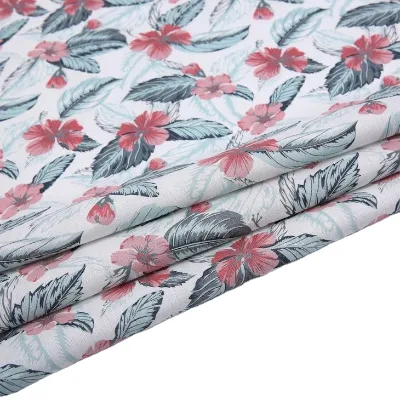
Digital Printed Linen Fabrics for Dresses Customized Design 100% Linen Fabric
$4.70 - $4.90
MOQ: 1000 Meters


Customized Pattern Digital Printed Cotton Linen Blend Fabric for Clothing
$7.23 - $8.93
MOQ: 1000 Meters

Wujiang Win Game I/E Co., Ltd.
- Verified by TUVRHEINLAND
- Trading Company,Manufacturer/Factory
- China Jiangsu
- Lead time45 days
- Avg. response≤ 8h
Main productsAcupuncture Needle, Vacuum Cupping Set, Kinesio Tape, Pre-Made Tattoo Needle, Disposabletattoo Needles Cartradge, Disposable Tattoo Grips and Tubes, 100% Linen(Flax) Fabrics, Linen Cotton Fabrics, Linen Silk Fabric, Linen Ramie and Hemp Fabric
Main marketsEastern Europe,North America,Southeast Asia,Western Europe
Jinan Top Cnc Machines Co., Ltd.
- Verified by Intertek
- Trading Company
- Lead time7 days
- Avg. response≤ 4h
Main productsPress Brake Machine, Digital Cutting Machine, Automatic Die Cutting Machine
Main marketsOceania(15%), South America(10%), Eastern Europe(10%)
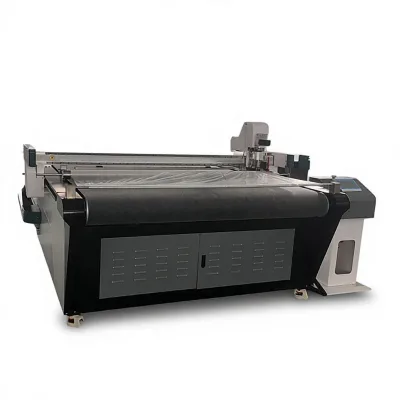
$4651.3452 - $6006.1064
MOQ: 1 sets
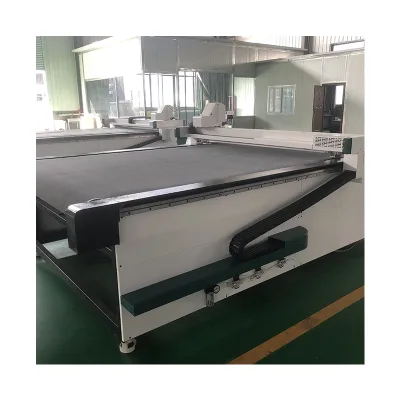
New Polyester Design Woven Upholstery Linen Print Fabric for Dresses Coats Cnc Cutter With V Cutter
$6315.0813 - $8154.4252
MOQ: 1 sets
Shaoxing City Hahoo Textile Co., Ltd.
- Trading Company
- Zhejiang, China
- Lead time20 days
- Avg. response≤ 11h
Main productsOutdoor Fabric,Garment Fabric,Sportswear Fabric,Eco-friendly Fabric,Printed Fabric
Main marketsSouth Asia(30.00%), North America(20.00%), South America(20.00%), Eastern Asia(10.00%), Domestic Market(10.00%), Western Europe(10.00%)

- Verified by BV
- Combined
- China Shandong
- Lead time30 days
- Avg. response≤ 4h
Main productsFabric Leather Cutting Machine, Garment Cutting Machine, Shoe Upper/Pad Cutter Machine, Carton Box Cutter Machine, Cutting Equipment, Advertising Cutting Machine, Packaging Cutter Machine, Gasket Cutting Machine, Bag Cutting Machine, Carpet Cutting Machine
Main marketsSouth America,Africa,Southeast Asia/ Mideast,East Asia(Japan/ South Korea),Europe,Australia,North America

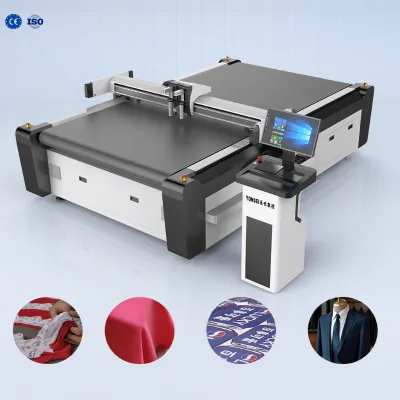
Automatic Digital CNC Fabric Cutting Machines Plotter Cutter for Sale
$12000.00 - $21000.00
MOQ: 1 Pieces

Textile Fabric Textile CNC Fabric Strip Felt Digital Cutting Machine
$13000.00 - $21000.00
MOQ: 1 Pieces


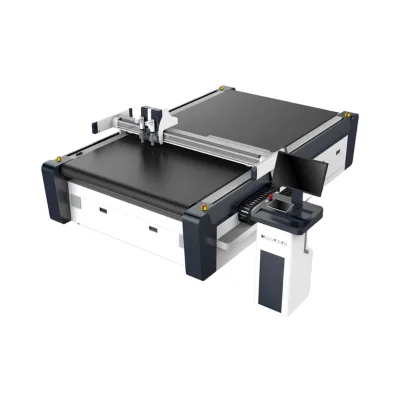
Computerized and New Condition Automatic Fabric CNC Cutting Machine
$13000.00 - $20000.00
MOQ: 1 Pieces

Large-Format Textile Oscillating Cutting Machine, Digital Cutting Machine
$14000.00 - $16000.00
MOQ: 1 Pieces
Jinan Dake Cnc Equipment Co., Ltd.
- Verified by TüVRheinland
- Trading Company
- Lead time10 days
- Avg. response≤ 2h
Main productsCNC Cutting Machine, Laser Engraving Machine, Laser Cutting Machine
Main marketsDomestic Market(40%), Northern Europe(20%), Mid East(15%)
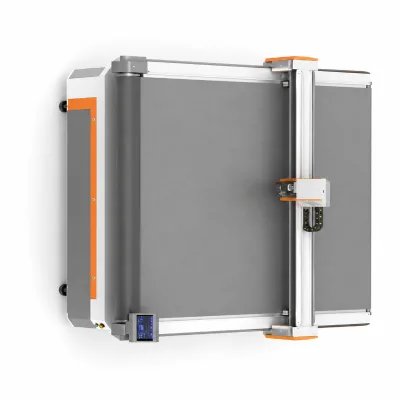
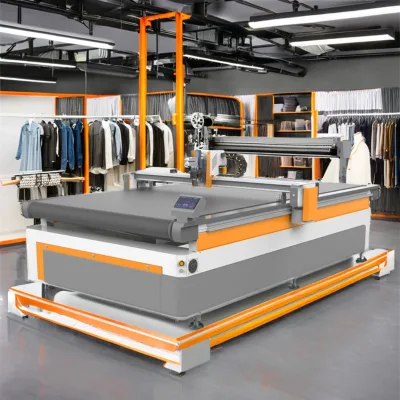
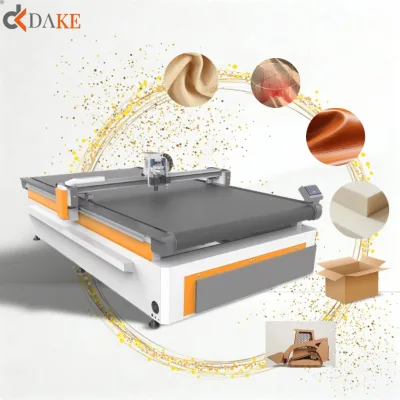
Sales Multi Layer Non Woven Fabric Cutting Machine Cloth Textile Digital Cutter
$9212.546 - $10364.1145
MOQ: 1 sets

Shandong Bangzheng Machinery Equipment Co., Ltd.
- Verified by SGS
- Combined
- China Shandong
- Lead time15 days
- Avg. response≤ 2h
Main productsVibrating Knife Cutting Machine, Multi-Layer Fabric Cutting Machine, Leather Cutting Machine
Main marketsOthers(foreignTradeCapacity.exportBusinessCapacityMarketOther),Europe

Digital CNC Knit Cotton Cloth Cutting Machine Automatic Fabric Cutting Machine
$21216.00 - $23574.00
MOQ: 1 Pieces

Automatic Fabric Multi-Layer Cutting Machine Textile for Rolls CE ISO CNC Digital Cutting Machine
$21216.00 - $23574.00
MOQ: 1 Pieces

Automatic Textile Fabric Cutter CNC Digital Cutting Machine for Cloth Efficient and Precision Cutter
$20800.00 - $23000.00
MOQ: 1 Pieces

$21216.00 - $23574.00
MOQ: 1 Pieces

Auto Feeding Digital Control Fabric Cutting Bed Cutting System CNC Fabric Cutting Machine
$21216.00 - $23574.00
MOQ: 1 Pieces

Automatic Industrial Fabric CNC Digital Cutting Machine Cloth Cut for Textile Cloth Cutting Machines
$21216.00 - $23574.00
MOQ: 1 Pieces

Jinan Hengsheng Cnc Technology Co., Ltd.
- Trading Company,Manufacturer/Factory
- China Shandong
- Lead time0 days
- Avg. response≤ 5h
Main productsFabric Cutting Machine, Leather Cutting Machine, CNC Cutting Machine, Glass Milling Machine, Glass Polishing Machine, Glass Laser Machine, Clothing Cutting Machine, Laser Sandblasting Machine, Drilling and Milling Machine, Glass Processing Center


Clothing Fabric Machine High-Precision CNC Fabric Machine, Automatic Cutting System
$9800.00
MOQ: 1 Pieces

CNC Knife Cutting Machine Cutter for Textile Fabric Leather Fiberglass Fiber Cloth
$9800.00
MOQ: 1 Pieces
Jinan Shilai Technology Co., Ltd.
- Verified by TüVRheinland
- Manufacturer, Trading Company
- Lead time15 days
- Avg. response≤ 1h
Main productsFabric Cutting Machine, Leather Cutting Machine, Foam Cutting Machine, Carpet Cutting Machine, Cardboard Cutting Machine
Main marketsDomestic Market(30%), North America(10%), South America(10%)
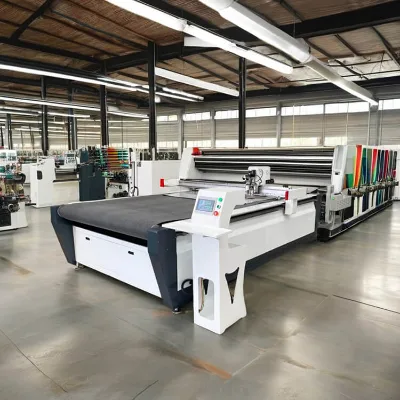
CNC Canvas Fabric Roll Cutter Machine Digital Nonwoven Fabric Pattern Flatbed Cutting Machine
$8219.7421 - $11302.1454
MOQ: 1 sets
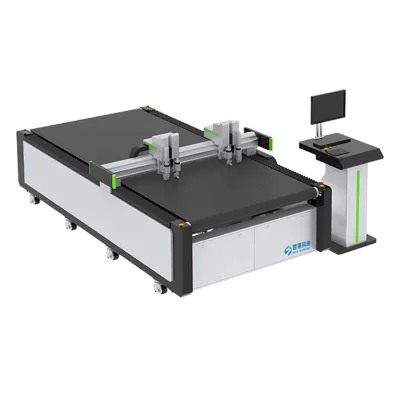
$8000.00 - $11000.00
MOQ: 1 sets
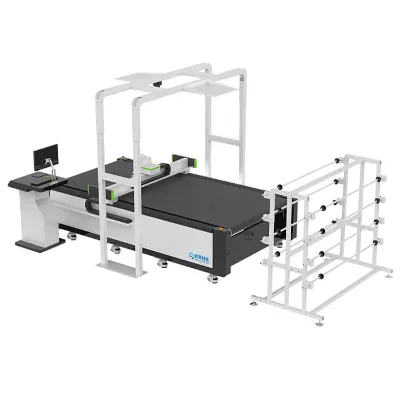
$8000.00 - $11000.00
MOQ: 1 sets
Jinan Aoyoo Cnc Equipment Co., Ltd.
- Verified by TüVRheinland
- Manufacturer, Trading Company
- Lead time20 days
- Avg. response≤ 2h
Main productsCNC Knife Cutting Machine, Digital Cutting Machine
Main marketsNorth America(15%), South America(15%), Eastern Europe(15%)
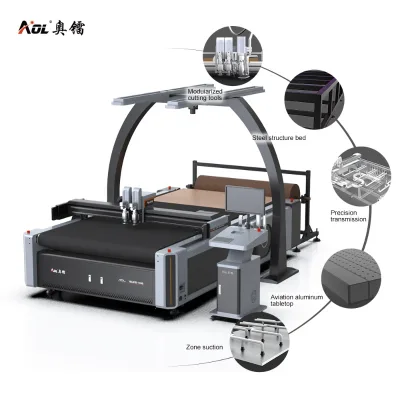
1625 Cnc Digital Automatic Oscillating Ultrasonic Fabric Cutter
$10064.70 - $14650.00
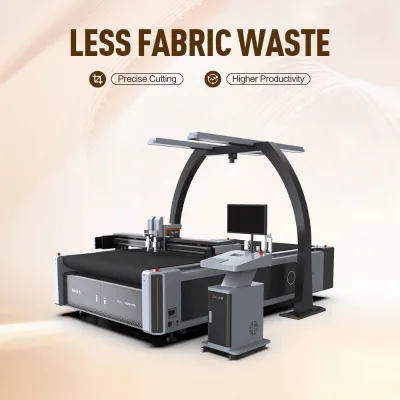
Cnc Digital Curtains Tarpaulins PVC-coated Mesh Fabric Cutting Machine
$9850.00 - $10650.00
Jinan Aol CNC Equipment Co., Ltd.
- Verified by TüVRheinland
- Manufacturer, Trading Company
- Lead time5 days
- Avg. response≤ 1h
Main productsCNC Knife Cutting Machine, Digital Cutting Machine
Main marketsDomestic Market(25%), North America(15%), South America(15%)
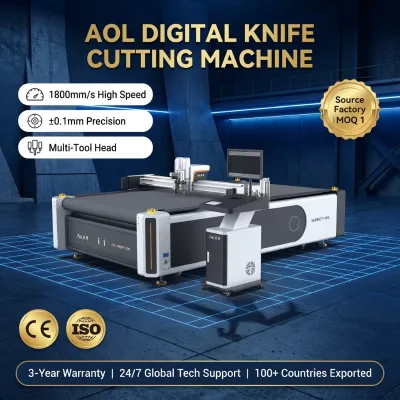
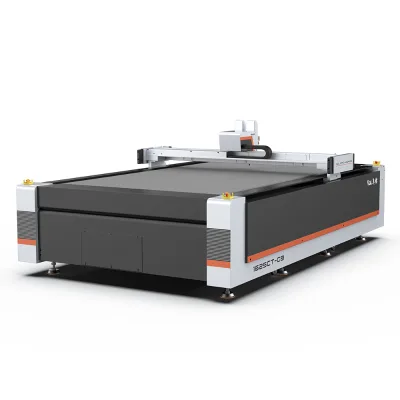
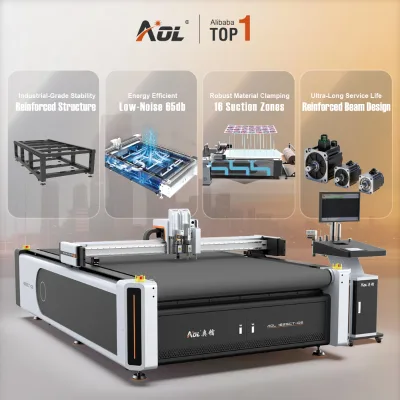
Curtain Fabric Cutting Machine
$13500.00 - $15500.00
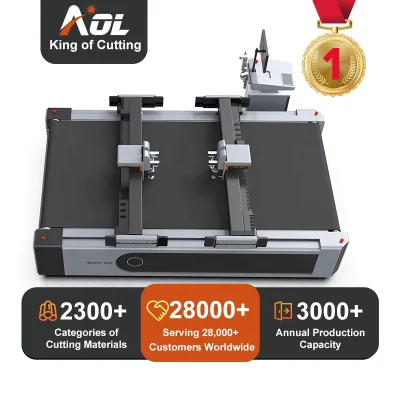
AOL1625 Fiberglass Fabric CNC Cutting Machine
$9800.00 - $19990.00

Shandong Ruby CNC Equipment Co., Ltd.
- Trading Company,Manufacturer/Factory
- China Shandong
- Lead time23 days
- Avg. response≤ 3h
Main productsCO2 Laser Engraving Cutting Machine, CNC Osicillation Knife Cutting Machine, Fiber Laser Cutting Machine, Laser Marking Machine, Plasma Cutting Machine, Lasr Welding Machine, Laser Cleaning Machine, Acrylic Bending Machine, CNC Router Machine
Main marketsSouth America,Eastern Europe,North America,Southeast Asia,Oceania,Western Europe

$8600.00 - $16000.00
MOQ: 1 Pieces

Digital CNC Fabric Cloth Leather Carbon Fiber Prepreg Fiberglass Glass Fibre Cutter
$8600.00 - $16000.00
MOQ: 1 Pieces

$9600.00 - $16000.00
MOQ: 1 Pieces

$8600.00 - $16000.00
MOQ: 1 Pieces

$9000.00 - $20000.00
MOQ: 1 Pieces

$8600.00 - $16000.00
MOQ: 1 Pieces
Jinan Yanshi Cnc Equipment Co., Ltd.
- Verified by TüVRheinland
- Manufacturer, Trading Company
- Lead time7 days
- Avg. response≤ 2h
Main productsDigital Cutting Machine, Oscillating Knife Cutting Machine, Fabric Cutting Machine, Gasket Cutting Machine, Leather Cutting Machine
Main marketsDomestic Market(50%), North America(15%), South America(15%)

Globalink International Limited
- Verified by SGS
- Trading Company,Manufacturer/Factory,Other
- China Shandong
- Lead time45 days
- Avg. response≤ 12h
Main productsPlastic Packaging, Food Container, Fruit packaging, Paper Bags, Paper Packaging, Plastic Bags, Plastic Tape, Egg Tray, Aluminum Foil, Sushi Container
Main marketsSouth America,Eastern Europe,Mid East,North America,Southeast Asia,Eastern Asia,Oceania,Western Europe,Africa


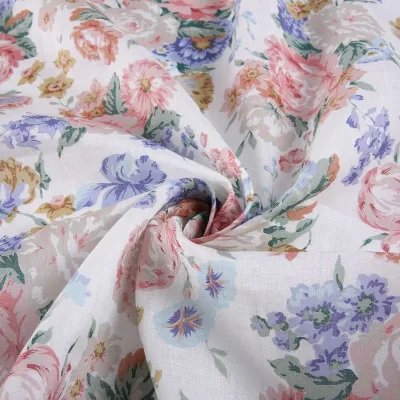
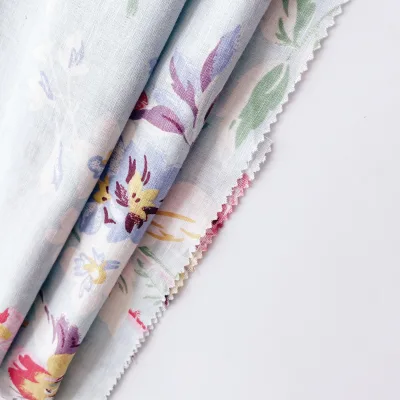


Comprehensive Sourcing Guide
Digital CNC Cutting Linen Fabric Supplier Concentration and Factory Types
The current supplier landscape for Digital CNC Cutting Linen Fabric reveals a distinct concentration of manufacturing and trading entities within specific Chinese provinces. Data indicates that suppliers are located in China Zhejiang and China Jiangsu, suggesting these regions serve as primary hubs for textile production and distribution. In China Zhejiang, the available results highlight a strong presence of trading companies that specialize in a diverse array of textile products. These entities often manage a broad inventory that includes rayon print and dye fabric, cotton print and dyed fabric, polyester print and dyed fabric, digital printing fabric, nida fabric, abaya fabric, garment fabric, knitted fabric, linen fabric, hawaii design fabric, velvet fabric, cey fabric, flano fabric, denim fabric, and woven fabric. This variety suggests that suppliers in this region may offer comprehensive sourcing solutions for buyers seeking multiple fabric types alongside Digital CNC Cutting Linen Fabric. The concentration of trading companies in Zhejiang implies a market structure where intermediaries play a significant role in connecting international buyers with local manufacturing capabilities, potentially offering flexibility in product selection but requiring careful verification of direct factory access.
In contrast, suppliers located in China Jiangsu present a different operational profile, often combining manufacturing capabilities with trading functions. The results from this region show companies that identify as both trading companies and manufacturers or factories. These entities frequently list main products that include acupuncture needles, vacuum cupping sets, kinesio tape, pre-made tattoo needles, disposable tattoo needle cartridges, disposable tattoo grips and tubes, and various linen fabrics such as 100% linen, linen cotton, linen silk, and linen ramie and hemp fabric. This diversification indicates that some suppliers in Jiangsu may operate in multiple industrial sectors, leveraging shared logistical or administrative infrastructure. For buyers focusing on Digital CNC Cutting Linen Fabric, this dual nature of supplier types in Jiangsu offers the potential for direct factory engagement, which can be crucial for quality control and customization. However, the presence of non-textile products in their main product lists necessitates a thorough review of their specific textile production lines to ensure dedicated capacity for linen fabric manufacturing. Understanding these regional and structural differences is essential for aligning sourcing strategies with specific project requirements, whether prioritizing product variety or manufacturing directness.
How to Verify Digital CNC Cutting Linen Fabric Suppliers
Verifying the credibility and operational capacity of suppliers for Digital CNC Cutting Linen Fabric requires a multi-layered approach that leverages available verification badges and certification data. The current results show that suppliers in China Zhejiang are verified by SGS, a globally recognized inspection and certification company. This verification status provides a baseline level of confidence regarding the supplier's business legitimacy and operational compliance. Buyers should prioritize suppliers with such third-party verifications, as they indicate that an independent entity has assessed the company's core business activities. Additionally, suppliers in China Jiangsu are verified by TÜV Rheinland, another prestigious international testing and certification organization. The presence of TÜV Rheinland verification suggests a high standard of quality management and safety compliance, which is particularly relevant for textile products that may be subject to strict international regulations. Buyers should actively seek out suppliers displaying these specific verification badges, as they serve as critical indicators of reliability and reduce the risk of engaging with fraudulent or non-compliant entities.
Beyond verification badges, examining system certifications and company types provides deeper insight into a supplier's capabilities. Some suppliers in the Jiangsu region hold ISO 13485 and GMP certifications, although these are typically associated with medical device manufacturing. The presence of these certifications alongside textile products like linen fabric may indicate a broader industrial capability or a specific focus on high-compliance textile applications. Buyers should inquire about the relevance of these certifications to their specific linen fabric needs, as they may signal a rigorous quality control environment. Furthermore, understanding the company type is crucial; distinguishing between pure trading companies and manufacturer/factory hybrids helps buyers assess their ability to customize products and control production timelines. Suppliers that identify as manufacturers or factories may offer more direct communication regarding production processes, while trading companies might provide broader product ranges. Buyers should request detailed information about the supplier's production facilities, including equipment for digital cnc cutting, to ensure they can meet specific technical requirements for linen fabric processing.
What to Compare Across Digital CNC Cutting Linen Fabric Suppliers
When evaluating suppliers for Digital CNC Cutting Linen Fabric, comparing key operational metrics such as lead time, minimum order quantity (MOQ), and response time is essential for effective supply chain planning. The data shows significant variation in these metrics across different suppliers. For instance, suppliers in China Zhejiang exhibit a response time of 17.96 hours and a lead time of 15 days, indicating a relatively quick turnaround for inquiries and production. In contrast, suppliers in China Jiangsu have a much faster response time of 7.75 hours but a longer lead time of 45 days. This disparity suggests that while Jiangsu suppliers may be more responsive to initial communications, their production cycles are longer, possibly due to higher order volumes or more complex manufacturing processes. Buyers should align these metrics with their project timelines, choosing suppliers with lead times that match their delivery schedules. Additionally, comparing MOQs is critical for cost management; some products have an MOQ of 100 units, while others require 1000 units or 1000 meters. Understanding these thresholds helps buyers determine the feasibility of small-batch testing versus large-scale production runs.
Product specifications and pricing structures also vary widely among suppliers, requiring careful comparison to ensure value and suitability. The available product evidence shows a range of linen fabric options, including 100% linen, linen cotton blends, and digital printed variants. Prices for these products range from as low as $0.80 to as high as $10.11 per unit, depending on factors such as material composition, width, and customization options. For example, a digital print woven linen cotton fabric for shirts is priced between $3.48 and $5.48, while a 280cm 90GSM digital print woven 100% linen fabric ranges from $5.11 to $10.11. Buyers should compare these prices against their budget constraints and quality expectations. Furthermore, examining product attributes such as width, weight, and pattern customization availability is vital. Some suppliers offer customization for patterns and designs, which is crucial for digital cnc cutting applications. Buyers should also consider the packing standards, with most suppliers using roll packages, and ensure that the product dimensions and specifications align with their manufacturing needs. By systematically comparing these operational and product details, buyers can identify suppliers that offer the best balance of cost, quality, and service.
Common Digital CNC Cutting Linen Fabric Sourcing Risks
Sourcing Digital CNC Cutting Linen Fabric involves several inherent risks that buyers must proactively manage to ensure successful procurement. One significant risk is the discrepancy between supplier claims and actual production capabilities, particularly when dealing with trading companies that may not have direct control over manufacturing processes. Suppliers identified as trading companies, such as those in China Zhejiang, might offer a wide range of products but could face challenges in maintaining consistent quality across different fabric types. Buyers should be cautious of suppliers who list extensive main products, as this may indicate a lack of specialization in linen fabric production. Additionally, the variation in lead times, such as the 15-day lead time in Zhejiang versus the 45-day lead time in Jiangsu, can impact project schedules if not accurately communicated. Buyers must verify these lead times with clear contractual agreements to avoid delays. Another risk is the potential for quality inconsistencies in digital printed fabrics, where color accuracy and pattern alignment are critical. Buyers should request samples to verify print quality and fabric texture before committing to large orders.
Financial and logistical risks also pose challenges in sourcing Digital CNC Cutting Linen Fabric. Price fluctuations can occur due to changes in raw material costs, such as linen and cotton prices, affecting the final product cost. Buyers should be aware of the price ranges provided, such as $3.90 to $6.90 for garment digital printed linen fabric, and negotiate fixed prices where possible to mitigate this risk. Furthermore, the minimum order quantities (MOQs) can create inventory risks, especially for buyers with limited storage capacity or uncertain demand. High MOQs, such as 1000 units or 1000 meters, may lead to excess stock if the product does not sell as expected. Buyers should consider suppliers with lower MOQs for initial orders to test market response. Additionally, logistical risks related to shipping and customs clearance can delay delivery, particularly for international buyers. Buyers should ensure that suppliers have experience in exporting and can provide necessary documentation, such as certificates of origin and quality inspections. By identifying and addressing these risks through thorough due diligence and clear communication, buyers can enhance the reliability and efficiency of their sourcing process for Digital CNC Cutting Linen Fabric.
Digital CNC Cutting Linen Fabric Regional Sourcing and Logistics
The regional distribution of suppliers for Digital CNC Cutting Linen Fabric, primarily in China Zhejiang and China Jiangsu, offers distinct logistical advantages and considerations for international buyers. Suppliers in China Zhejiang, known for its robust textile industry, provide access to a wide variety of fabric types and trading companies that facilitate efficient sourcing. The proximity of these suppliers to major ports and logistics hubs can reduce shipping times and costs, making them an attractive option for buyers seeking quick turnaround times. With a lead time of 15 days, Zhejiang suppliers can accommodate urgent orders, provided that buyers plan for potential customs clearance delays. Additionally, the presence of SGS-verified suppliers in this region adds a layer of trust and reliability, ensuring that products meet international quality standards. Buyers should leverage this regional concentration to compare multiple suppliers and negotiate favorable terms, taking advantage of the competitive market dynamics in Zhejiang.
Conversely, suppliers in China Jiangsu offer different logistical benefits, particularly for buyers prioritizing manufacturing directness and specialized certifications. The region's suppliers, often combining trading and manufacturing functions, may provide more customized solutions for Digital CNC Cutting Linen Fabric. With a faster response time of 7.75 hours, Jiangsu suppliers can address buyer inquiries promptly, facilitating smoother communication throughout the sourcing process. However, the longer lead time of 45 days requires buyers to plan their orders well in advance to avoid production bottlenecks. The presence of TÜV Rheinland verification and ISO 13485 certifications in this region suggests a high level of quality control, which may be beneficial for buyers with stringent quality requirements. Buyers should consider the logistical implications of sourcing from Jiangsu, including potential shipping routes and customs procedures, to ensure timely delivery. By understanding the logistical profiles of both regions, buyers can make informed decisions that align with their specific project needs, balancing speed, quality, and cost effectively.
Digital CNC Cutting Linen Fabric Commercial Terms and Order Planning
Effective commercial terms and order planning are critical for successful procurement of Digital CNC Cutting Linen Fabric, requiring careful attention to pricing, payment terms, and production specifications. The price ranges for various linen fabric products, such as $0.80 to $3.85 for bulk washed linen fabric and $7.60 to $7.80 for custom digital printing 14s 150GSM 100% linen fabric, highlight the importance of budgeting and cost analysis. Buyers should negotiate prices based on order volume, leveraging the varying MOQs to secure better rates. For instance, suppliers with an MOQ of 100 units may offer more flexible pricing for smaller orders, while those requiring 1000 units might provide volume discounts. Additionally, understanding the product specifications, such as width, weight
FAQs
What is the typical lead time for digital printed linen fabric orders?
Suppliers in China Zhejiang report a lead time of 15 days for production. In contrast, manufacturers in China Jiangsu indicate a longer lead time of 45 days. Buyers should confirm the exact schedule with the supplier before placing bulk orders to ensure timely delivery.
What are the minimum order quantities for digital printed linen fabrics?
Minimum order quantities vary significantly by supplier and product type. Some suppliers require a minimum of 100 units, while others set the threshold at 1000 meters. Specific items like light-weight digital printed pure linen fabric may have a minimum order of just 10 units.
What is the price range for digital printed linen fabric?
Prices for digital printed linen fabric range from $0.80 to $8.93 per unit depending on the specific product. For example, bulk washed linen fabric starts at $0.80, while custom digital printing cotton linen blend fabric can reach $8.93. Buyers should request quotes for exact specifications.
Are digital printed linen fabrics available with customization options?
Yes, customization is widely available for digital printed linen fabrics. Most listed products indicate that customization is available for patterns and designs. Buyers can request specific widths, weights, and patterns to meet their garment or home textile requirements directly with the supplier.
What certifications do suppliers of digital printed linen fabric hold?
Suppliers in China Jiangsu hold ISO 13485 and GMP certifications. Verification is provided by TÜV Rheinland for these manufacturers. Other suppliers in China Zhejiang are verified by SGS. Buyers should verify specific certification requirements with the supplier to ensure compliance with their standards.
What is the typical response time for inquiries about digital printed linen fabric?
Response times vary among suppliers. Suppliers in China Zhejiang have an average response time of 17.96 hours. In contrast, suppliers in China Jiangsu respond much faster, with an average response time of 7.75 hours. Buyers should expect quicker replies from Jiangsu-based manufacturers.
What fabric widths are available for digital printed linen products?
Available widths for digital printed linen fabrics typically range from 53 to 56 inches. Specific products offer widths of 53/54 inches, 54/55 inches, 55/56 inches, and even 280 cm for certain woven linen options. Buyers should check product specifications for exact width availability.