Source Galvanized Light Steel Building for Warehouse Villa Workshop
Find 30 listings for Galvanized Light Steel Building solutions tailored for warehouses, villas, and workshops. Buyers can compare specifications, certifications, and pricing to select the right steel structure for their project needs.
Key considerations
Products List


Low Cost Construction Light Steel Structure Building
$30.00 - $50.00
MOQ: 100 Square Meters
Qingdao Jingdao Credit Construction Steel Structure Co., Ltd.


Modular Building Corrugated Steel Building
$3200.00 - $9999.00
MOQ: 1 Sets
Qingdao Jingdao Credit Construction Steel Structure Co., Ltd.

Prefabricated Building Custom Steel Building
$3200.00 - $9999.00
MOQ: 1 Square Meters
Qingdao Jingdao Credit Construction Steel Structure Co., Ltd.


Metal Steel Building Prefabricated Steel Building Prefab Building
$35.00 - $65.00
MOQ: 100 Square Meters


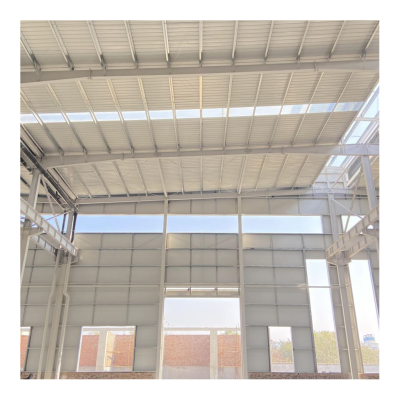


New Design Light Metal Building Steel Structure Steel Structure Factory Building
$20.00 - $50.00
MOQ: 500 Square Meters


Comprehensive Sourcing Guide
Strategic Sourcing Guide for Galvanized Light Steel Buildings
Understanding Technical Specifications and Material Composition
When sourcing galvanized light steel buildings, the primary focus must be on the structural integrity and material composition that define the product's longevity and safety. Based on available market data, these structures are predominantly constructed using high-strength carbon structural steel. The specific material grades observed in the supply chain include Q235, Q345, and G450. These grades represent distinct mechanical properties; Q235 is a common carbon structural steel often used for general framing, while Q345 offers higher yield strength suitable for more demanding load-bearing applications. The forming process for these structural members is typically hot-rolled, ensuring the steel achieves the necessary density and tensile strength required for commercial and industrial use.
The structural configuration is a critical differentiator. The core members of these buildings are often H-section steel beams, which provide superior load distribution compared to standard channels. The connection method is predominantly bolted, allowing for rapid assembly and disassembly, which is a key feature for temporary or modular structures. The surface treatment is a vital component of the "galvanized" designation. The observed finish options include galvanizing, painting, and various coating methods. Galvanization provides a zinc layer that protects the steel from corrosion, which is essential for buildings exposed to the elements. The specific standard for the steel structure is often custom-made to align with client drawings, though the materials themselves must adhere to recognized international standards such as GB, ASTM, DIN, JIS, AISI, and BS. Buyers should verify that the specific steel type matches the intended environmental conditions of the project site.
Compliance, Certification, and Safety Standards
Navigating the regulatory landscape is essential for ensuring that a Galvanized Light Steel Building meets local building codes and safety requirements. The supply chain for these structures frequently cites compliance with major international certification bodies. Common certifications observed include ISO, CE, BV, and SGS. Additionally, specific regional standards such as GB (China), ASTM (USA), and JIS (Japan) are often referenced as the baseline for material quality. It is important to note that while some listings mention EN1090 or ISO 9001, these should be treated as background context rather than guaranteed attributes for every specific unit unless explicitly confirmed in the purchase contract.
Safety performance is another critical area of compliance. The structural design must account for environmental loads. Data indicates that these buildings are engineered to withstand wind resistance up to Level 16 and earthquake resistance up to Level 8. These figures represent specific engineering capabilities observed in the market, but buyers must confirm that the design for their specific location matches or exceeds local code requirements for wind and seismic zones. Furthermore, fire safety is a non-negotiable aspect of construction. The observed refractory rating for these structures is 90 minutes, a figure that should be verified against the specific fire safety regulations of the destination country. The use of sandwich panels for walls, which may contain materials like EPS, PU, fiberglass, or rockwool, also impacts the overall fire rating and thermal performance, requiring careful review of the panel specifications.
Cost Drivers and Pricing Variables
The pricing for galvanized light steel buildings is highly variable, reflecting the customization and scale of the project. The observed market price range spans from approximately $19 to $10,000 USD. This wide disparity is not indicative of quality differences alone but rather reflects the scope of the order, the specific material grades selected, and the level of customization required. A unit priced at the lower end of the spectrum is likely a small, prefabricated component or a basic modular unit, whereas the higher end represents complex, large-scale warehouse or industrial structures.
Several factors drive the final cost. First, the material grade is a primary cost driver; Q345 steel is generally more expensive than Q235 due to its higher strength properties. Second, the surface treatment adds significant cost; a hot-dip galvanized finish is more expensive than a simple painted coating but offers superior longevity. Third, the complexity of the design, including the specific H-section dimensions and the custom nature of the drawings, influences manufacturing time and material waste. The Minimum Order Quantity (MOQ) also plays a role in unit pricing, with observed ranges between 1 and 600 units. Buyers purchasing at the lower end of the MOQ spectrum may face higher per-unit costs compared to those placing bulk orders. Additionally, the origin of the product, with major production hubs in Shandong, Qingdao, and Taiyuan, China, can affect logistics costs and final landed prices.
Typical Applications and Functional Versatility
Galvanized light steel buildings are designed for a diverse range of applications, making them a versatile choice for various industries. The primary usage categories observed include warehouses, workshops, villas, and temporary offices. The structural flexibility allows these buildings to be adapted for use as carports, hotels, kiosks, booths, and even security sentry posts. This adaptability is largely due to the "Fast Installation" feature, which is a key selling point for projects with tight deadlines. The ability to combine modules flexibly means that a buyer can start with a small footprint and expand the structure as business needs grow.
The functional features of these buildings extend beyond simple shelter. They are marketed with attributes such as wind resistance, waterproofing, thermal insulation, and earthquake resistance. The inclusion of thermal insulation is particularly relevant for buildings intended for habitation or temperature-sensitive storage, often achieved through the use of sandwich panels in the walls and roof. The structures are also described as eco-friendly and easily movable, which is beneficial for temporary construction sites or locations where the building may need to be relocated. The waterproof and leak-proof nature of the design, combined with moisture-proofing capabilities, ensures durability in various climatic conditions. For buyers in coastal or high-wind areas, the specific windproof and earthquake resistance ratings must be matched to the local environmental risks.
Supplier Evaluation and Procurement Parameters
Selecting the right supplier requires a rigorous evaluation of their capabilities and reliability. When assessing potential vendors, buyers should look for clear evidence of their production capacity and quality control processes. The origin of the products is a significant factor, with major manufacturing clusters located in Shandong, Qingdao, and Taiyuan in China. While these regions are known for steel production, buyers must verify the specific factory's track record. Payment terms are another critical consideration; the standard terms observed in the market include L/C (Letter of Credit) and T/T (Telegraphic Transfer). Buyers should negotiate terms that protect their financial interests, such as partial payments upon shipment and retention amounts upon final inspection.
Customization is a hallmark of this product category, with most suppliers offering OEM (Original Equipment Manufacturer) services. The product model is typically "as per client's request or drawings," meaning the buyer must provide detailed specifications for the structure to be built. The packaging method is also a point of verification; options range from shrink film or paper boxes to standard export packing or even naked bundles, depending on the shipping method and the fragility of the components. Buyers should ensure that the packaging is robust enough to prevent damage during transit, especially for long-distance shipping. Additionally, the availability of detailed drawings and the ability to produce to specific standards (GB, ASTM, etc.) are essential indicators of a supplier's technical competence.
Quality Control and Long-Term Procurement Considerations
Ensuring the long-term value of a Galvanized Light Steel Building requires a proactive approach to quality control and maintenance planning. The structural integrity relies heavily on the quality of the steel and the effectiveness of the galvanization process. Buyers should request mill certificates for the steel to verify the grade (Q235, Q345, G450) and the chemical composition. The surface treatment process must be thoroughly inspected to ensure the zinc coating is uniform and free from defects that could lead to premature corrosion. The connection forms, specifically the bolt connections, should be checked for proper torque and alignment to ensure the structural stability of the assembled building.
Long-term procurement considerations also involve the lifecycle management of the structure. The "Eco-Friendliness" and "Easily Movable" attributes suggest that these buildings are designed for reuse or relocation. Buyers should plan for the disassembly and reassembly process, ensuring that the supplier provides clear instructions and necessary hardware for future moves. The warranty period for the galvanization and structural components should be clearly defined in the contract. Furthermore, the specific application of the building, whether it is a warehouse, villa, or temporary office, dictates the maintenance schedule. For instance, buildings used as hotels or villas may require more frequent inspections of the windows (PVC or Aluminium Alloy) and doors (Sliding or Rolling) to ensure continued weatherproofing. By focusing on these quality and maintenance aspects, buyers can maximize the lifespan and utility of their Galvanized Light Steel Building investment.
Comparative Analysis of Structural Features
To assist in making informed decisions, the following table summarizes the key technical and functional attributes observed in the market for galvanized light steel buildings. This comparison highlights the variability in specifications and helps buyers identify the features most relevant to their specific project needs.
| Feature Category | Observed Specifications | Verification Requirement |
|---|---|---|
| Material Grade | Q235, Q345, G450 | Confirm grade matches load requirements |
| Steel Type | Carbon Structural Steel, High-Strength Steel | Verify tensile strength and yield limits |
| Forming Process | Hot-Rolled Steel | Check for dimensional consistency |
| Surface Treatment | Galvanizing, Painting, Coating | Inspect coating thickness and adhesion |
| Connection Form | Bolt Connection | Ensure bolt grade and torque specs |
| Wind Resistance | Level 16 (Observed) | Validate against local wind zone codes |
| Earthquake Resistance | Level 8 (Observed) | Validate against local seismic codes |
| Fire Rating | 90 Minutes (Observed) | Confirm compliance with fire safety laws |
| Wall Panel Options | EPS, PU, Fiberglass, Rockwool | Select based on thermal and fire needs |
| Origin Locations | Shandong, Qingdao, Taiyuan, China | Verify factory audit and logistics |
| Certifications | ISO, CE, BV, SGS, GB, ASTM, JIS | Request valid certificates for specific batch |
| Customization | Available (Model as per drawings) | Provide detailed architectural drawings |
This table serves as a checklist for buyers to ensure that all critical parameters are addressed during the sourcing process. By systematically verifying each attribute against the specific needs of the project, buyers can mitigate risks and ensure the delivery of a high-quality, compliant Galvanized Light Steel Building.
FAQs
What material grades are used for galvanized light steel buildings?
These structures primarily use Q235, Q345, and G450 carbon structural steel grades. Q235 is common for general framing, while Q345 offers higher yield strength for demanding load-bearing applications in warehouses or workshops.
Which certifications do manufacturers typically provide for these buildings?
Common certifications include ISO, CE, BV, and SGS, alongside regional standards like GB, ASTM, and JIS. Buyers should verify specific certificates match local building codes, as EN1090 or ISO 9001 may only be background context.
Can these buildings withstand high wind and seismic activity?
Yes, observed designs resist wind up to Level 16 and earthquakes up to Level 8. However, buyers must confirm the specific engineering design matches the environmental risks and local code requirements of their project site.
How is the steel structure connected during installation?
The connection form is predominantly bolted, allowing for rapid assembly and disassembly. This method supports the fast installation feature and enables flexible combination of modules for temporary offices or expanding warehouses.
What is the typical price range for galvanized light steel buildings?
The observed market price ranges from 19 to 10,000 USD depending on scope and customization. Lower prices often reflect small modular units, while higher costs cover complex industrial structures with specific material grades and designs.
Which locations are major production hubs for these steel buildings?
Major manufacturing clusters are located in Shandong, Qingdao, and Taiyuan in China. Buyers should verify the specific factory track record in these regions to ensure production capacity and quality control standards are met.
What customization options are available for the product model?
The product model is custom-made based on client requests or drawings. Suppliers offer OEM services with flexible specifications for dimensions, window types like PVC or aluminum, and wall panels such as EPS or rockwool sandwich panels.