Source Garment Ankara Wax Fabric for dress, shirt, and wedding
Compare 30 listings of Garment Ankara Wax Fabric featuring waterproof, breathable, and tear-resistant properties. Buyers can evaluate options with plain or twill weaves, various printing methods, and customization availability for home textile and bag applications; compare the available evidence and request quotations based on your requirements.
Key considerations
Products List


Latest Floral Pattern African Ankara Wax Prints Cotton Fabric for Garments
$0.83 - $0.86
MOQ: 9000 Yards


Authentic Ankara African Wax Prints 100% Cotton Fabric for Wedding Dresses
$0.83 - $0.86
MOQ: 9000 Yards
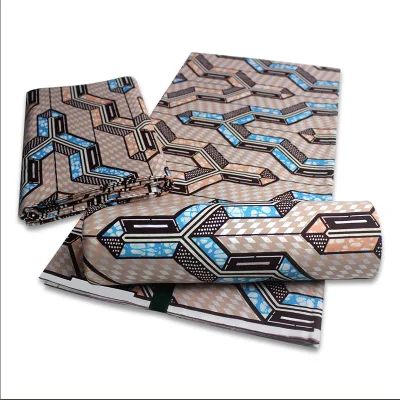
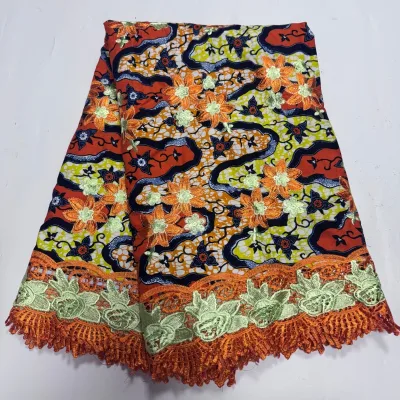
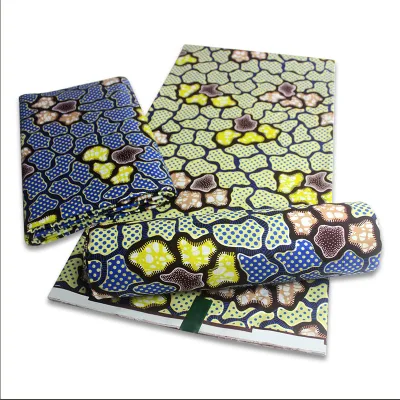
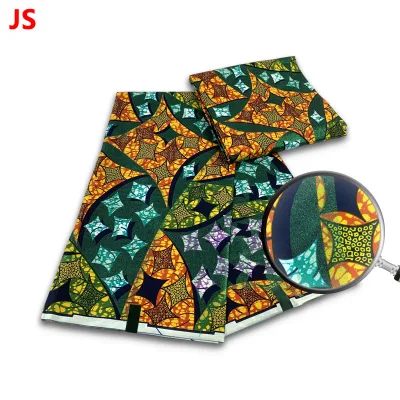
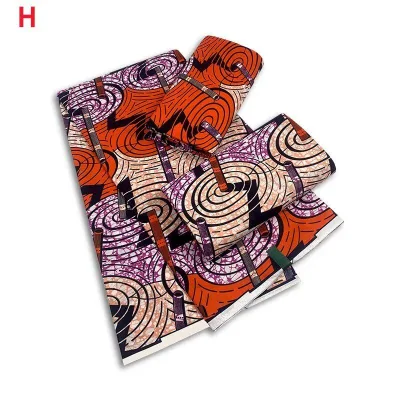
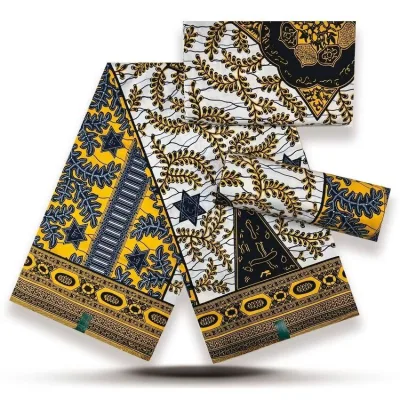
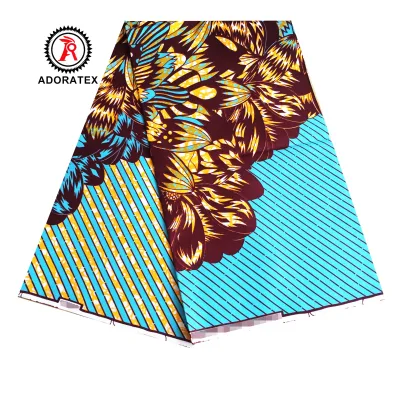
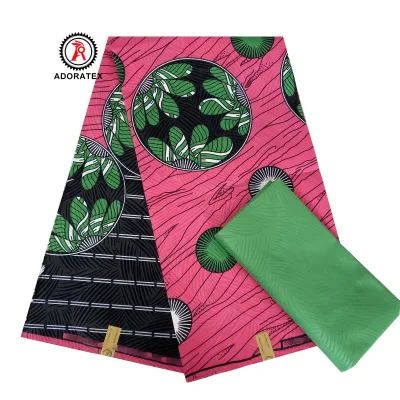
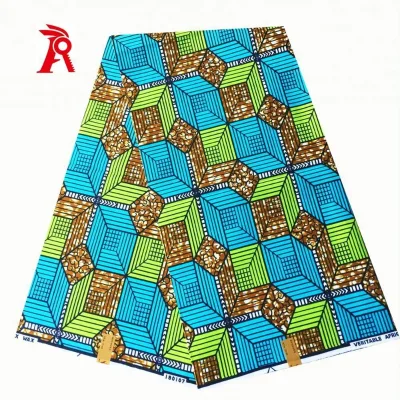
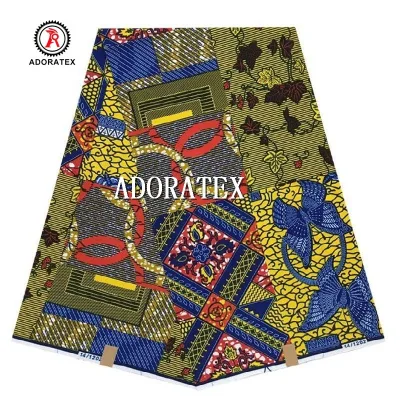


Cheap Polyester Cotton African Wax Printed Fabric for Garment Dress/Handbags
$0.47 - $0.55
MOQ: 12000 Yards


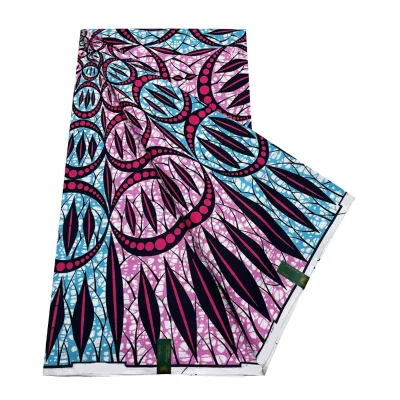
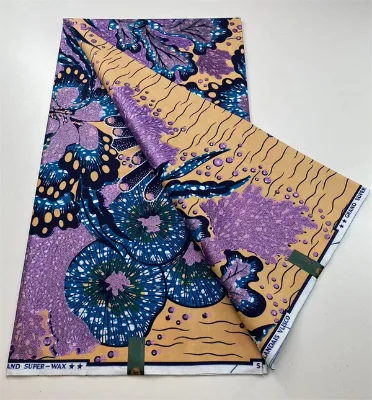
100% Polyester African Ankara Style Wax Java Print Fabrics Africa Clothing Fabric
$0.40 - $0.80
MOQ: 7000 Meters


Comprehensive Sourcing Guide
Garment Ankara Wax Fabric Sourcing Guide
Sourcing garment-grade Ankara wax fabric requires a nuanced understanding of the intersection between traditional African textile aesthetics and modern industrial manufacturing capabilities. Buyers must distinguish between authentic wax-resist printed cottons and polyester blends that mimic the visual appeal through digital or pigment printing techniques. The market offers a wide spectrum of options, ranging from 100% cotton varieties that provide superior breathability and dye absorption to polyester filaments that offer enhanced durability and shrink resistance. Understanding these material distinctions is critical for selecting the right fabric for specific garment applications, whether for high-fashion apparel, casual wear, or home textile accents.
Procurement decisions should also account for the diverse technical specifications available in current listings, including varying weights, widths, and weaving structures. Observed data indicates a broad range of product models, such as SHWAXP and SHWF171, each catering to different functional needs like waterproofing, tear resistance, or high color fastness. Buyers need to evaluate whether the fabric’s physical features, such as hollow filament construction or plain weave density, align with the intended end-use. This evaluation ensures that the selected material not only meets aesthetic requirements but also performs reliably under wear, washing, and environmental conditions specific to the target market.
Product Scope and Observed Listing Signals
The current market landscape for Ankara wax fabric reveals a significant diversity in material composition and processing techniques. Listings frequently highlight 100% polyester options alongside traditional cotton variants, with some products featuring hollow filament structures for enhanced texture and breathability. The application scope extends beyond garments to include home textiles, bags, and curtains, indicating the fabric’s versatility. Buyers should note that while some products are marketed as "wax cotton," others may utilize pigment, disperse, or digital printing methods on synthetic bases. This distinction is vital for managing customer expectations regarding hand feel, dye migration, and environmental impact, as synthetic blends often offer different care requirements compared to natural fibers.
Observed listing signals also point to a wide range of customization capabilities and packaging standards. Many suppliers accept client-specific color designs and offer various printing techniques, including penetration printing and embroidered finishes. Packaging varies from bale packages to individual polybag rolls, with specific quantities like six yards per piece or 600 yards per bale. These logistical details impact inventory management and shipping costs. Buyers must carefully review the supply type, noting whether items are in-stock or made-to-order, as this affects lead times and minimum order quantities. Understanding these signals helps in predicting supply chain stability and aligning procurement strategies with production schedules.
Technical Specifications to Verify
Verifying technical specifications is paramount to ensuring the fabric meets performance standards for garment construction. Key attributes to confirm include the fabric type, such as plain or twill weave, and the yarn count, which influences the material’s drape and strength. For instance, some listings specify a yarn count of 2424 and a density of 7260, providing a baseline for quality assessment. Buyers should also verify the width, which typically ranges around 47/48 inches or 125cm, to ensure compatibility with pattern cutting and sewing operations. Additionally, weight specifications, often measured in GSM, vary significantly from 10 to 200 GSM, affecting the fabric’s suitability for lightweight dresses versus heavier jackets or upholstery.
Further verification should focus on functional properties and care instructions. Attributes like waterproofing, tear resistance, and anti-static features are critical for specific garment types, particularly outerwear or workwear. Buyers must confirm whether the fabric is shrink-resistant and how it responds to machine washing versus hand washing. The presence of high color fastness is essential for maintaining the vibrant hues characteristic of Ankara prints. It is also important to check the knitting technics, such as warp knitting, which may offer different stretch and recovery properties compared to woven fabrics. These technical details directly impact the final garment’s durability and consumer satisfaction.
Compliance and Safety Documentation
Compliance and safety documentation form the backbone of responsible sourcing, ensuring that fabrics meet international regulatory standards. Buyers must request certificates of conformity that verify the absence of harmful substances, such as azo dyes or heavy metals, which are strictly regulated in many markets. For polyester-based fabrics, compliance with chemical usage guidelines is crucial, especially when pigment or disperse dyes are employed. Documentation should also address flammability standards, particularly for garments intended for children or specific occupational uses. While specific certification names may vary, the underlying requirement for safe chemical management remains constant across global supply chains.
Environmental and social compliance is equally important in modern procurement. Buyers should inquire about the supplier’s adherence to labor standards and environmental management systems. Although specific certifications are not always listed, the origin of the fabric, often Guangdong, China, implies a need for rigorous due diligence. Documentation regarding water usage in dyeing processes and waste management practices can provide insights into the supplier’s environmental footprint. Additionally, verifying that the fabric meets specific regional standards, such as REACH in Europe or CPSIA in the United States, is essential for market access. This due diligence mitigates legal risks and enhances brand reputation among environmentally conscious consumers.
Cost Drivers and Commercial Terms
Cost drivers for Ankara wax fabric are influenced by material composition, printing complexity, and order volume. Polyester blends generally offer different cost structures compared to 100% cotton, with synthetic fibers often providing more predictable pricing due to stable raw material markets. The choice of printing technique, such as digital versus traditional wax-resist, also impacts unit costs, with digital printing offering flexibility for smaller runs but potentially higher per-yard expenses. Buyers should consider the weight and density of the fabric, as heavier materials require more raw materials and energy to produce. Additionally, customization options, including client-specific designs and colors, can introduce setup fees and minimum order quantity premiums.
Commercial terms and payment methods play a significant role in the overall procurement cost. Listings indicate various payment options, including Western Union, MoneyGram, Visa, Mastercard, T/T, PayPal, and L/C, each with different transaction fees and security levels. Minimum order quantities can range from as low as six yards to 100,000 units, affecting economies of scale. Lead times for samples and bulk orders vary, with some suppliers offering seven-day sample turnaround while others do not support sample orders. Buyers must factor in shipping costs, packaging requirements, and potential tariffs when calculating the total landed cost. Negotiating favorable terms based on volume and long-term partnership potential can significantly reduce overall expenses.
Supplier Qualification and Quality Control
Supplier qualification involves a thorough assessment of manufacturing capabilities, quality control processes, and reliability. Buyers should verify the supplier’s production capacity and expertise in handling specific fabric types, such as woven polyester or cotton blends. Quality control measures should include in-process inspections for color consistency, print alignment, and fabric defects. Suppliers with established quality management systems are more likely to deliver consistent products that meet specified standards. It is also important to assess the supplier’s ability to handle customization requests, including client-provided designs and specific color matches, which require precise technical execution.
Establishing clear quality benchmarks and inspection protocols is essential for maintaining product integrity. Buyers should define acceptable tolerances for width, weight, and color fastness before placing orders. Regular third-party inspections can provide an objective assessment of production quality and compliance with agreed specifications. Communication channels should be open and responsive, allowing for quick resolution of any issues that arise during production or delivery. Building a relationship with suppliers who prioritize transparency and continuous improvement can lead to better long-term outcomes. Additionally, reviewing past performance and client feedback can offer valuable insights into the supplier’s reliability and commitment to quality.
Long-Term Procurement Checks
Long-term procurement checks focus on sustaining supply chain resilience and adapting to market changes. Buyers should regularly review supplier performance metrics, including on-time delivery rates, defect rates, and responsiveness to issues. Continuous monitoring of market trends, such as shifts in consumer preferences for sustainable materials or new printing technologies, allows for proactive adjustments in sourcing strategies. Maintaining a diversified supplier base can mitigate risks associated with single-source dependencies, ensuring continuity of supply even during disruptions. Regular audits and relationship-building activities help reinforce trust and collaboration, leading to more favorable terms and priority treatment during peak seasons.
Strategic planning for future needs involves forecasting demand and aligning procurement schedules accordingly. Buyers should engage in collaborative planning with suppliers to anticipate volume fluctuations and plan for capacity adjustments. Investing in supplier development initiatives, such as training on quality standards or sustainability practices, can enhance overall supply chain performance. Additionally, staying informed about regulatory changes and emerging standards ensures ongoing compliance and market access. By adopting a proactive and strategic approach to procurement, buyers can secure high-quality Ankara wax fabric that meets current demands while positioning their business for long-term success in a dynamic global market.
FAQs
What materials are used for Garment Ankara Wax Fabric?
Garment Ankara Wax Fabric is primarily made from 100% polyester or 100% cotton. The polyester variants often feature hollow filament fibers for enhanced breathability and strength. Cotton options provide a traditional feel suitable for embroidery. Both material types support various printing techniques including pigment, disperse, and digital methods to achieve vibrant wax patterns.
Can I customize the design and color of the fabric?
Yes, customization is available for both design and color. Buyers can submit client-specific designs or color requirements to be accepted by suppliers. The fabric supports various printing styles such as pigment, disperse, digital, and nano prints. This flexibility allows for tailored aesthetic outcomes that match specific garment or home textile collection needs effectively.
What are the typical physical features of this fabric?
The fabric typically exhibits high strength, tear resistance, and waterproof properties. It is also designed to be shrink-resistant and anti-static for durability. Some variants offer breathability and high color fastness. These physical features ensure the material withstands regular wear and washing, making it suitable for garments, bags, and home textiles like curtains and bedding.
What is the standard width and weight range?
The standard width for this fabric is typically 47/48 inches or 125cm depending on the specific model. The weight range varies from 10 to 200 GSM, allowing selection for different garment weights. Thinner weights suit summer clothing, while heavier options provide structure for bags or upholstery. This range ensures versatility across various textile applications.
How is the fabric packed and shipped?
The fabric is commonly packed in rolls or bales. Specific models may use 6 yards per piece in polybags or 600 yards per bale in woven bags. Package dimensions are approximately 42x37x11 cm with a gross weight of 2.8 kg per batch. This packaging ensures protection during transit and facilitates easy handling for bulk orders.
What are the care instructions for the finished garment?
Care instructions generally recommend machine washing or hand washing for maintenance. Bleaching is not advised to preserve the wax print integrity and color fastness. Following these guidelines helps maintain the fabric's high strength and tear resistance over time. Proper care ensures the garment remains durable and visually appealing through repeated use and cleaning cycles.