Source Garment Brass Metal Zipper for Bags, Shoes, and Garments
Find 30 options for Garment Brass Metal Zipper solutions tailored for bags, shoes, and garments. Compare specifications like 3# and 5# sizes, auto-lock and reversible slider types, and various packing methods to identify the right fit for your manufacturing needs.
Key considerations
Products List






Comprehensive Sourcing Guide
Garment Brass Metal Zipper Sourcing Guide
Sourcing garment brass metal zippers requires a nuanced understanding of material properties, slider mechanics, and application-specific constraints. Buyers must navigate a diverse market where products vary significantly in gauge, slider type, and end configuration. The core keyword highlights two primary material categories: brass and metal, often used interchangeably in general descriptions but distinct in finish and durability. Understanding these distinctions is critical for selecting the right component for high-end apparel versus casual wear.
This guide provides evidence-based procurement strategies for sourcing these components. It focuses on verifying technical specifications, ensuring compliance with safety standards, and managing commercial terms effectively. By adhering to structured verification steps, buyers can mitigate risks associated with quality inconsistencies and supply chain disruptions. The following sections detail the essential considerations for integrating brass and metal zippers into garment manufacturing processes successfully.
Product Scope and Observed Listing Signals
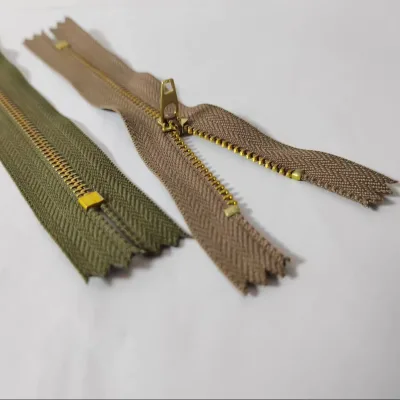
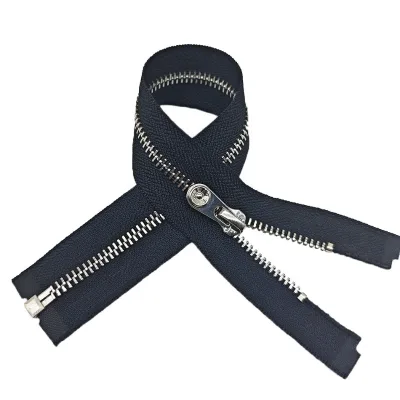
The observed product landscape reveals a wide range of zipper types, including open-end and closed-end configurations, catering to diverse garment needs. Listings indicate customization availability, allowing buyers to specify colors, slider types, and packaging requirements. Common slider types observed include auto-lock, YG puller, and reversible mechanisms, each suited for different functional demands. For instance, auto-lock sliders are ideal for bags and shoes, while reversible sliders offer versatility for jackets and coats.
Material composition is a key differentiator, with brass and metal being the primary options. Brass zippers are often preferred for their aesthetic appeal and corrosion resistance, making them suitable for denim and leather goods. Metal zippers, on the other hand, may offer varying degrees of strength and durability. Buyers should verify the specific alloy and finish to ensure compatibility with their garment’s design and performance requirements.
Technical Specifications to Verify
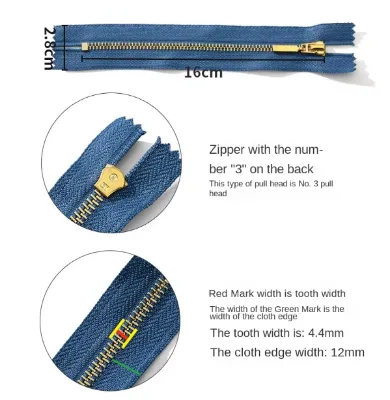
Verifying technical specifications is paramount to ensuring zipper compatibility and performance. Key attributes to confirm include the zipper gauge, such as 3# or 5#, which determines the tooth size and overall strength. The slider type, whether auto-lock, YG puller, or reversible, must align with the garment’s functional needs. Additionally, the end configuration, open-end or closed-end, dictates the zipper’s application, with closed-end zippers commonly used for trousers and skirts.
Packaging and origin details also play a crucial role in procurement. Listings indicate various packing methods, from individual bags to high-strength cartons, with quantities ranging from 100 pieces per bag to 2500 pieces per carton. Origin locations, such as Ningbo, Zhejiang, and Guangxi in China, suggest a concentrated manufacturing hub. Buyers should verify these details to ensure consistency in supply and quality, especially when dealing with multiple suppliers or large orders.
Compliance and Safety Documentation
Compliance with safety and environmental standards is essential for garment zippers, particularly those used in children’s clothing or items requiring strict regulatory adherence. Buyers should request documentation confirming the absence of harmful substances, such as lead or cadmium, in the brass or metal components. Certifications like OEKO-TEX or REACH compliance can provide assurance regarding the safety and environmental impact of the zippers.
Additionally, verifying the zipper’s strength and durability through test reports is crucial. Specifications such as a 60kg strength rating indicate the zipper’s ability to withstand stress and wear. Buyers should ensure that these test results are from accredited laboratories and are specific to the product model being sourced. This verification process helps mitigate risks associated with product failures and ensures compliance with international safety standards.
Cost Drivers and Commercial Terms
Cost drivers for garment brass metal zippers include material costs, slider complexity, and customization requirements. Brass and metal materials vary in price based on market fluctuations and alloy composition. Customization options, such as specific colors, slider types, and packaging, can also impact the final cost. Buyers should negotiate clear pricing structures that account for these variables, ensuring transparency in cost breakdowns.
Commercial terms, including minimum order quantities (MOQ) and lead times, are critical for effective procurement planning. Observed MOQs range from 1 to 1,000,000 pieces, offering flexibility for both small and large orders. Lead times for samples and bulk production should be clearly defined, with support for sample orders typically available within seven days. Buyers should align these terms with their production schedules to avoid delays and ensure timely delivery.
Supplier Qualification and Quality Control
Supplier qualification is a critical step in ensuring the reliability and consistency of garment brass metal zippers. Buyers should assess suppliers based on their production capabilities, quality control processes, and track record. Verifying the supplier’s ability to meet specific technical specifications and customization requirements is essential. Additionally, evaluating their response to quality issues and their commitment to continuous improvement can provide insights into their reliability.
Quality control measures should be implemented throughout the procurement process, from sample approval to final inspection. Buyers should establish clear quality standards and conduct regular audits to ensure compliance. Implementing a robust quality control plan, including pre-shipment inspections and random sampling, can help identify and address potential issues before they impact production. This proactive approach minimizes risks and ensures the delivery of high-quality zippers.
Long-Term Procurement Checks
Long-term procurement checks involve continuous monitoring of supplier performance and market trends. Buyers should establish key performance indicators (KPIs) to evaluate suppliers based on delivery times, quality consistency, and responsiveness. Regular reviews of these metrics can help identify areas for improvement and foster stronger supplier relationships. Additionally, staying informed about market trends and technological advancements in zipper manufacturing can provide competitive advantages.
Building a diversified supplier base is also crucial for mitigating risks associated with supply chain disruptions. Buyers should consider sourcing from multiple suppliers across different regions to ensure continuity of supply. Regular communication and collaboration with suppliers can help align expectations and address potential issues proactively. By implementing these long-term procurement strategies, buyers can ensure a stable and reliable supply of garment brass metal zippers.
FAQs
What customization options are available for brass zippers?
Customization is available for these brass zippers, allowing buyers to tailor products to specific needs. Options include selecting any color, such as dye colors, and choosing between different slider types like auto-lock or reversible sliders. This flexibility ensures the zippers meet precise design requirements for various applications.
Which specifications are offered for these metal zippers?
These metal zippers are offered in 3# and 5# specifications. The 3# variants feature auto-lock sliders and are suitable for bags and garments. The 5# variants include reversible sliders and are designed for home textiles and shoes. Both types provide robust strength and reliable performance for diverse industrial uses.
Can I get samples before placing a bulk order?
Yes, sample orders are supported with a lead time of just 7 days. This allows buyers to verify quality and specifications before committing to larger quantities. The fast turnaround ensures that product development timelines are not delayed, facilitating efficient decision-making for procurement teams sourcing brass and metal zipper components.
What are the packaging details for these zippers?
Packaging varies by product type. Some items are packed at 100 pieces per bag with 20 bags per carton, while others use high-strength cartons with 2500 pieces per carton. Custom packaging requests are also accepted, ensuring safe transport and storage. This flexibility supports various logistical needs for international buyers.
Where are these zippers manufactured?
These zippers are manufactured in China, with origins in Ningbo, Zhejiang, and Guangxi. These regions are known for their robust manufacturing capabilities and supply chain efficiency. Buyers can expect consistent quality and reliable production schedules from these established industrial hubs, ensuring timely delivery for global garment and bag applications.
What is the strength rating of these brass zippers?
The brass zippers have a strength rating of 60kg, ensuring durability for heavy-duty applications. This high tensile strength makes them suitable for bags, garments, and shoes that require reliable fastening. The robust construction provides confidence in product longevity, reducing the risk of failure during regular use in demanding environments.