Source Garment Dust Cover for Storage, Travel, and Washing
Compare 30 Garment Dust Cover options from verified Chinese suppliers. Buyers can evaluate customization, materials like non-woven fabric, and features such as zipper locks for storage, travel, and washing applications.
Key considerations
Products List


Polyester Zipper Suit Cover Garment Bag Clothing Dress Suit Cover Dust Bag
$0.99 - $1.99
MOQ: 500 Pieces


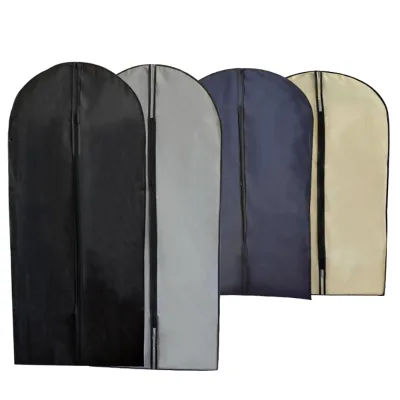


Hanging Storage Bag Suit Cover Dustproof Garment Bag Suit Dry Cleaner Cover Bag
$0.02 - $0.03
MOQ: 5000 Pieces




Comprehensive Sourcing Guide
Garment Dust Cover Sourcing Guide
Sourcing garment dust covers requires a nuanced understanding of material performance, customization capabilities, and supply chain logistics. These protective bags are essential for preserving the integrity of high-value apparel, including down jackets, coats, and overcoats, by shielding them from dust, moisture, and environmental contaminants. Buyers must navigate a market where product attributes vary significantly, ranging from non-woven fabrics to specialized nylon constructions, each offering distinct advantages in terms of breathability, durability, and aesthetic presentation. The decision to source these items often hinges on the ability to align specific functional requirements, such as waterproofing or odor resistance, with commercial constraints like minimum order quantities and lead times.
The procurement landscape for garment dust covers is characterized by a wide spectrum of customization options and manufacturing origins, predominantly centered in regions like Xiamen, China. Suppliers frequently offer OEM and ODM services, allowing brands to imprint custom logos and utilize specific printing techniques, such as offset printing, to enhance brand visibility. However, this flexibility introduces complexity in quality control and specification verification. Buyers must carefully distinguish between generic storage solutions and specialized protective gear, ensuring that the selected product meets the rigorous demands of long-term storage or frequent transport. Understanding the interplay between material hardness, closure mechanisms, and packing standards is critical for developing a procurement strategy that minimizes risk and maximizes value.
Product Scope and Observed Listing Signals
The observed market signals indicate a diverse product range with prices spanning from $0.01 to $300 USD, reflecting variations in material quality, size, and customization depth. Minimum order quantities (MOQs) typically range from 1 to 10,000 units, suggesting that suppliers cater to both small-scale boutique orders and large-volume corporate contracts. High-confidence attributes reveal that many products are designed as unisex, soft, or medium-soft items, often featuring zipper locks or standard zipper closures for secure fastening. These signals suggest a market segment focused on practicality and ease of use, where the primary function is to provide a reliable barrier against dust and moisture without compromising the accessibility of the stored garments.
Further analysis of listing attributes highlights specific functional claims, such as waterproof, dustproof, mildewproof, and reusable characteristics, although some listings simultaneously claim non-waterproof status, indicating a need for careful verification. Common applications include use as dust covers, clothing wash bags, and general storage solutions, with specific models designed for bedroom storage scenes. The presence of attributes like "without bottom & side" in certain listings points to specialized designs, possibly for hanging storage or specific fitting requirements. Buyers should interpret these signals as observations of available options rather than universal standards, requiring direct confirmation of each product’s actual capabilities before committing to a purchase.
Technical Specifications to Verify
Verifying technical specifications is paramount when sourcing garment dust covers, particularly regarding material composition and dimensional accuracy. Key materials observed include non-woven fabrics and nylon, each offering different levels of protection and durability. Non-woven options are often associated with cost-effective, lightweight solutions, while nylon supports may indicate enhanced strength and water resistance. Buyers must confirm the exact material grade, as this directly impacts the product’s ability to withstand moisture and prevent mildew growth over time. Additionally, specifications such as hardness (soft vs. medium soft) and closure types (zipper lock vs. standard zipper) should be validated against the intended use case to ensure adequate protection and user convenience.
Dimensional and packaging specifications also require rigorous verification to prevent logistical issues. Observed standards include sizes ranging from middle to large, with specific dimensions like 261210cm and 100*60cm noted for different models. Packing methods vary from paper boxes to cartons and individual OPP bags, with quantities per carton (e.g., 100 PCS) affecting shipping efficiency and storage space. Net and gross weights, such as 11kgs/12kgs for certain suit covers, are critical for calculating freight costs and handling requirements. Buyers should request detailed specification sheets for each model, ensuring that the stated dimensions and weights align with their inventory management and shipping logistics systems.
Compliance and Safety Documentation
Compliance and safety documentation for garment dust covers often involve adherence to specific standards and certifications, although the extent of these requirements can vary by supplier and product type. Some listings reference CE standards, indicating potential compliance with European safety and environmental regulations, while others may offer customized standards to meet specific market requirements. Buyers should verify the relevance of any cited standards to their target market, ensuring that the products meet local regulatory expectations for textile and packaging materials. This is particularly important for products intended for export, where non-compliance can lead to customs delays or legal liabilities.
In addition to formal certifications, buyers should assess the safety and environmental implications of the materials used. Attributes such as mildewproof and odor-resistant properties suggest the use of treated fabrics or additives, which may require disclosure of chemical compositions to ensure they are safe for contact with clothing and skin. Reusability claims should be backed by evidence of the material’s durability and ease of cleaning, reducing the environmental impact of single-use alternatives. Buyers should request material safety data sheets (MSDS) or relevant test reports to confirm that the products do not contain harmful substances, thereby protecting both the end-user and the brand’s reputation.
Cost Drivers and Commercial Terms
Cost drivers for garment dust covers are influenced by material selection, customization complexity, and order volume. The wide price range observed, from $0.01 to $300 USD, reflects the impact of these factors, with higher prices typically associated with premium materials like nylon, extensive customization options, and smaller order quantities. Minimum order quantities, often set at 1000 units or 1000 PCS, can significantly affect unit costs, with larger volumes generally yielding lower prices due to economies of scale. Buyers should analyze the total cost of ownership, including shipping, handling, and potential waste, rather than focusing solely on the unit price.
Commercial terms, including lead times and sample availability, are critical components of the procurement process. Observed delivery times of 30 days and sample times of 5-7 days provide a baseline for planning, but these can vary based on production capacity and customization requirements. Buyers should negotiate clear terms regarding payment schedules, return policies, and liability for defects. Understanding the supplier’s production capacity and flexibility is essential for managing supply chain risks, especially when dealing with large orders or tight deadlines. Establishing a transparent communication channel with the supplier can help mitigate delays and ensure that both parties are aligned on expectations.
Supplier Qualification and Quality Control
Supplier qualification is a crucial step in ensuring the reliability and consistency of Garment Dust Cover supplies. Buyers should assess suppliers based on their manufacturing capabilities, quality control processes, and track record in the industry. The presence of OEM/ODM services and customized printing options indicates a supplier’s ability to tailor products to specific brand requirements, but this also necessitates rigorous quality checks to ensure that custom elements, such as logos and colors, are accurately reproduced. Buyers should request samples to evaluate the physical quality of the products, including material strength, zipper functionality, and print clarity.
Quality control measures should be integrated into the procurement process to minimize defects and ensure product consistency. This includes implementing pre-production samples, in-line inspections, and final random inspections before shipment. Buyers should verify the supplier’s quality management systems and their ability to address non-conformities promptly. Given the variability in product attributes, such as waterproof vs. non-waterproof claims, clear quality standards should be established and communicated to the supplier. Regular audits and performance reviews can help maintain high standards and foster a long-term partnership with reliable suppliers.
Long-Term Procurement Checks
Long-term procurement checks involve continuous monitoring of supplier performance and product quality to ensure sustained value and reliability. Buyers should establish key performance indicators (KPIs) related to delivery times, defect rates, and customer satisfaction to evaluate supplier performance over time. Regular feedback loops with the supplier can help identify areas for improvement and foster a collaborative relationship. Additionally, buyers should stay informed about market trends and technological advancements in Garment Dust Cover materials and manufacturing processes to remain competitive and responsive to changing customer needs.
Sustainability and environmental considerations are increasingly important in long-term procurement strategies. Buyers should assess the environmental impact of the products, including material sourcing, production processes, and end-of-life disposal. Reusable and eco-friendly options, such as those made from durable nylon or treated non-woven fabrics, can align with corporate sustainability goals and appeal to environmentally conscious consumers. By prioritizing suppliers who demonstrate a commitment to sustainability, buyers can enhance their brand image and contribute to a more responsible supply chain. Continuous evaluation and adaptation of procurement strategies are essential for maintaining a competitive edge in the evolving market for garment dust covers.
FAQs
Can I customize the logo on the Garment Dust Cover?
Yes, logo printing is available for customization on these covers. The product supports custom printing processes like offset printing, allowing buyers to add their branding to the non-woven material for storage or suit protection.
What is the minimum order quantity for these covers?
The minimum order quantity is 1000 pieces for this specific product line. Buyers should note that while some listings show a range, the confirmed high-confidence fact sets the MOQ at 1000 units per order.
How long does it take to receive a sample?
Sample delivery typically requires 5 to 7 days for preparation. This lead time applies before the main production run, which generally takes 30 days to complete after the sample is approved and the order is confirmed.
Are these garment dust covers waterproof?
Product attributes indicate mixed specifications where some are waterproof and others are not. Buyers must verify the specific model, as some listings describe the item as non-waterproof while others claim waterproof and dustproof capabilities.
What materials are used to make these dust covers?
The covers are primarily made from non-woven fabric material. This material is selected for its ability to provide dust-proof and moisture-proof protection for items like down jackets, coats, and overcoats during storage.
Where are these garment dust covers manufactured?
These products originate from China, with specific manufacturing locations noted in Xiamen. The origin is consistently listed as China across the product data, ensuring a clear supply chain source for international buyers.
What closure types are available for the dust bags?
The dust covers feature zipper locks or zipper closures for secure fastening. This design ensures that stored clothing remains protected from dust and moisture while allowing easy access for the user when needed.