Source Garment Hot Melt Adhesive Film for Clothing
Find 30 Garment Hot Melt Adhesive Film options for clothing, footwear, and woodworking. Compare TPU and polyester films with ISO 9001 certification, varying thicknesses, and flame-retardant properties to match your bonding needs; compare the available evidence and request quotations based on your requirements.
Updated
Key considerations
Products List


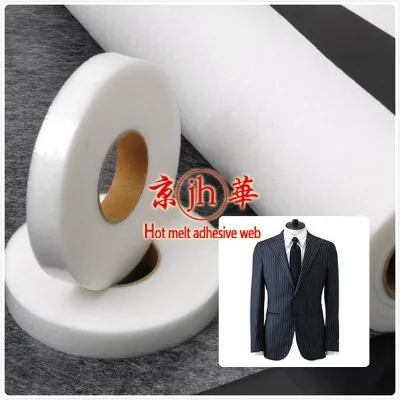
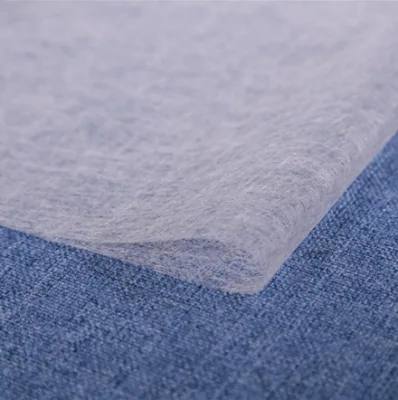
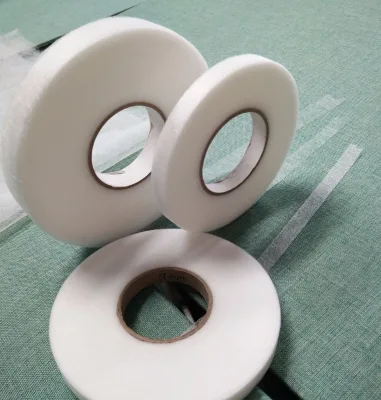

Comprehensive Sourcing Guide
Garment Hot Melt Adhesive Film Sourcing Guide
Sourcing Garment Hot Melt Adhesive Film requires a precise understanding of material science and application-specific performance metrics. Buyers must distinguish between thermoplastic polyurethane (TPU) and polyester-based films, as each offers distinct mechanical properties and bonding behaviors. The observed market data indicates a diverse range of products, with origins primarily located in Jiangyin and Fujian, China. These regions are known for specialized adhesive manufacturing, yet buyers should verify specific factory capabilities rather than relying solely on geographic origin. The core material composition, whether classified as an inorganic material or a specific polymer like TPU, directly influences the film’s durability, elasticity, and resistance to environmental stressors during the garment’s lifecycle.
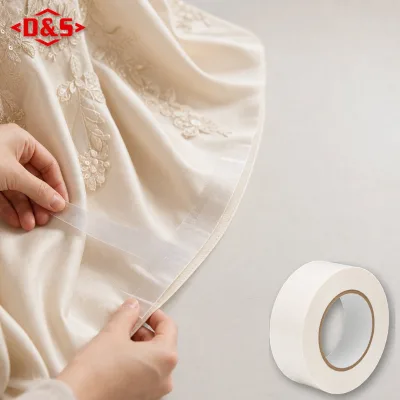
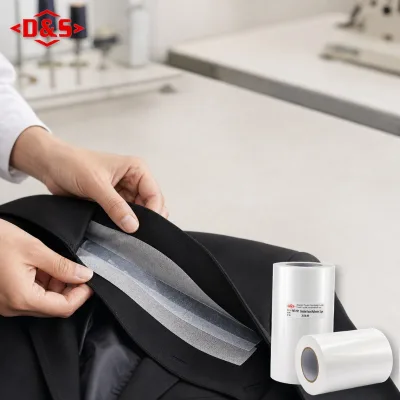
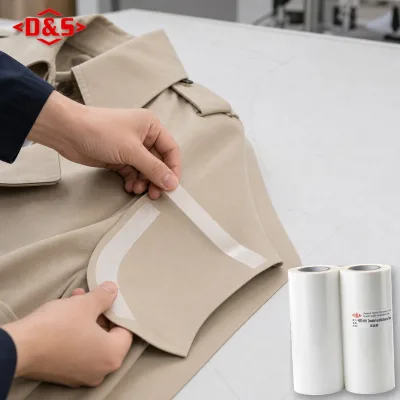
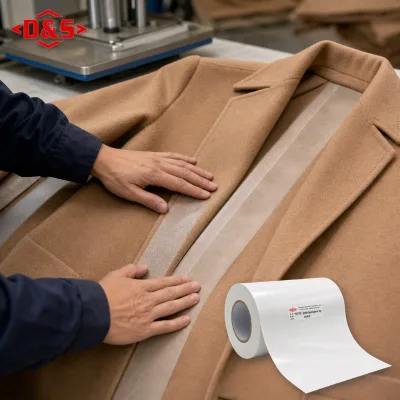
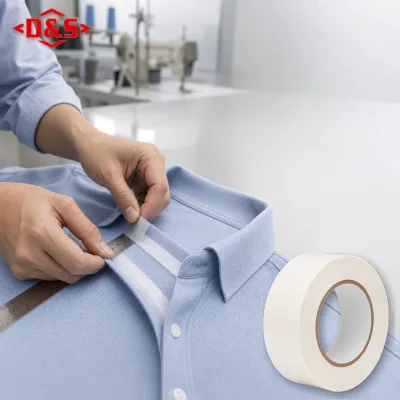
Procurement decisions must also account for the specific bonding method required for the final product. Thermal bonding is the standard application technique for these films, necessitating precise control over temperature and pressure during lamination. The observed listings highlight characteristics such as good viscosity and washability, which are critical for apparel that undergoes frequent laundering. Buyers should evaluate whether the adhesive’s melting point, ranging from 105 to 115 degrees Celsius in some observed models, aligns with their production equipment’s capabilities. Understanding these technical nuances ensures that the selected film will bond effectively without damaging delicate fabrics or compromising the aesthetic integrity of the garment.
Product Scope and Observed Listing Signals
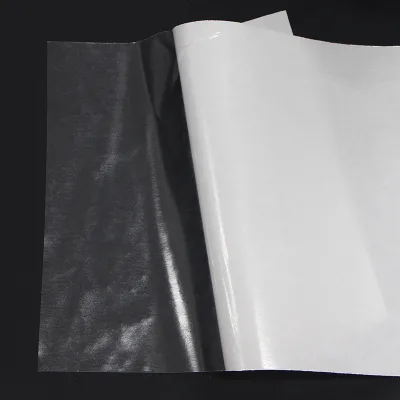
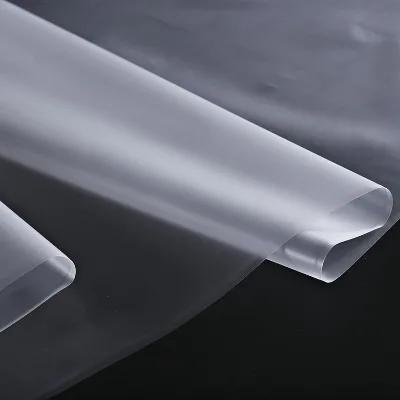
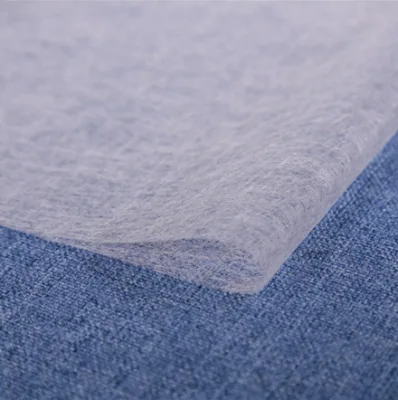
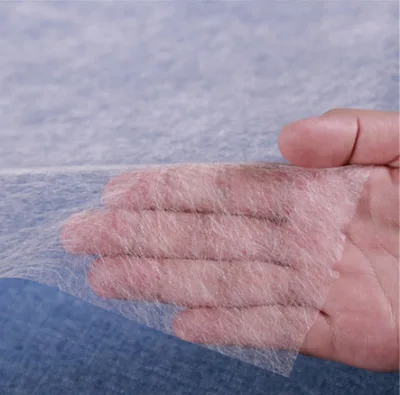
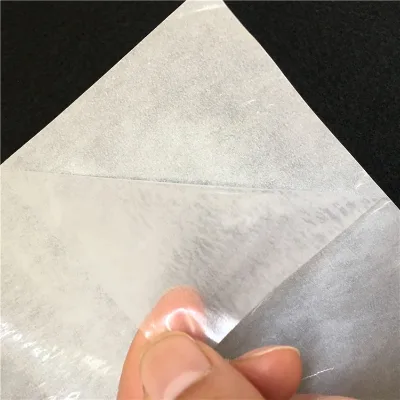
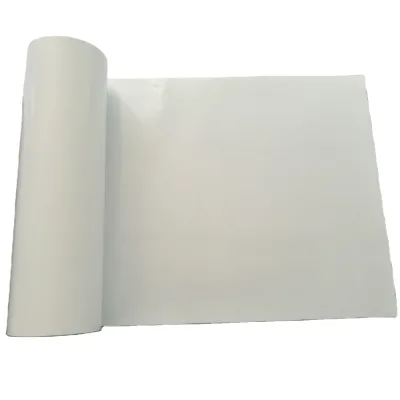
The product scope for garment hot melt adhesive films encompasses a variety of applications, including clothing printing, fiber and garment assembly, and footwear construction. Observed listings indicate that these films are available in clear colors, which is essential for maintaining the visual transparency of the underlying fabric. The thickness range is a critical differentiator, with observed standards varying from 0.01 to 1.0 millimeters. Thinner films, such as those between 0.05 and 0.08 millimeters, are often preferred for lightweight apparel, while thicker variants may be used for more robust applications like footwear or leather goods. Buyers must carefully match the film thickness to the fabric weight and the desired hand feel of the final product.
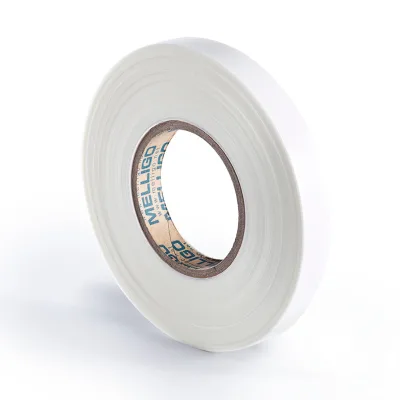
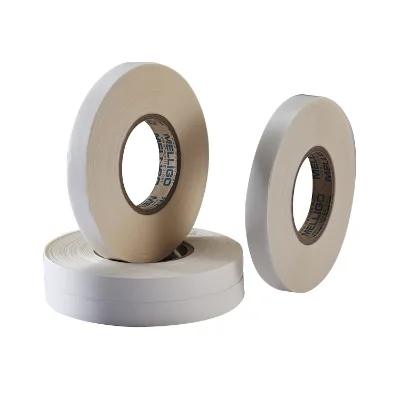
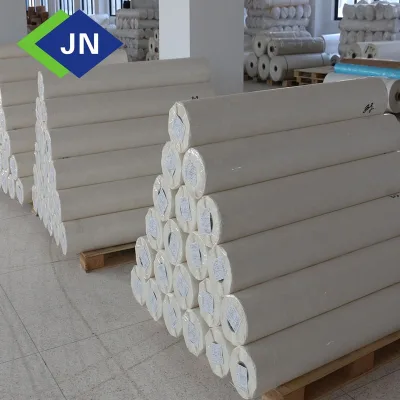
Packing and logistical details also provide insight into the supplier’s operational scale. Standard packaging is observed as 100 square meters per roll, with single gross weights around 25.0 kilograms. This standardization suggests a mature supply chain capable of handling bulk orders efficiently. However, some listings indicate custom packaging options, allowing buyers to tailor the roll size to their specific production line requirements. The availability of free samples is a common commercial signal, enabling buyers to conduct preliminary testing before committing to larger volumes. This practice reduces the risk of material mismatch and allows for a more informed evaluation of the adhesive’s performance under real-world conditions.
Technical Specifications to Verify
Verifying technical specifications is paramount to ensuring the adhesive film meets the rigorous demands of garment manufacturing. Key attributes to confirm include the melt flow index, which typically ranges from 15 to 20 in observed products, indicating the material’s flowability during the bonding process. Viscosity levels, observed between 60 and 100, are equally important as they affect the spread and penetration of the adhesive into the fabric fibers. Buyers should also verify the hardness of the film, with observed values around 70, which influences the stiffness and drape of the bonded area. These physical properties must be balanced to achieve a bond that is both strong and flexible, preventing cracking or peeling during wear.
Additional performance metrics such as tensile strength and washability are critical for long-term durability. Observed data suggests that high tensile strength, often exceeding 30 units, is a desirable characteristic for maintaining structural integrity. Washability is another key factor, with some films rated for temperatures between 30 and 90 degrees Celsius. Buyers must ensure that the selected film can withstand the specific washing conditions required by their target market. Furthermore, the melting point, observed in the range of 105 to 115 degrees Celsius, must be compatible with the thermal sensitivity of the base fabric. Misalignment in these parameters can lead to production defects or compromised product quality.
Compliance and Safety Documentation
Compliance and safety documentation are non-negotiable aspects of sourcing garment hot melt adhesive films, particularly for international markets. Buyers must verify that the supplier holds relevant quality certifications, such as ISO 9001, which indicates a standardized quality management system. While some background context mentions RoHS and OEKO-TEX, these should be treated as potential rather than guaranteed attributes. Buyers should explicitly request current certification documents to confirm that the adhesive film meets environmental and safety standards for consumer goods. This due diligence is essential to avoid regulatory hurdles and ensure that the final product is safe for end-users, especially in children’s apparel or items with direct skin contact.
Flame retardancy is another critical safety consideration, particularly for specific garment categories. Observed listings indicate that some films reach the UL94V0 flame retardant level, a high standard for fire safety. Buyers should inquire about the specific flame retardant levels of the films they are considering, as this can impact the overall safety rating of the finished garment. Additionally, the composition of the adhesive, including the main agent and promoter components, should be transparent. Understanding whether the film contains tackifiers or other additives helps buyers assess potential allergens or chemical sensitivities. Clear documentation of these elements ensures that the sourcing process aligns with both legal requirements and brand safety policies.
Cost Drivers and Commercial Terms
Cost drivers for garment hot melt adhesive films are influenced by material composition, thickness, and customization requirements. The observed price range of 0.21 to 51.27 USD reflects the diversity in product specifications and quality levels. Thinner films with specialized properties, such as high washability or flame retardancy, may command higher prices due to the complexity of their formulation. Buyers should also consider the minimum order quantity (MOQ), which ranges from 1 to 1000 rolls. Lower MOQs offer flexibility for small batches or testing but may come with a premium per unit. Understanding these cost variables allows buyers to optimize their procurement strategy based on production volume and budget constraints.
Commercial terms such as sample policies and logo printing options also impact the overall cost and operational efficiency. The availability of free samples is a significant benefit, reducing the initial investment required for product evaluation. Logo printing services, available according to customer requirements, add value for brands seeking customized packaging or product identification. Buyers should negotiate these terms carefully to maximize value. Additionally, the shelf life of the adhesive, observed to be one year, should be factored into inventory planning. Proper storage conditions are essential to maintain the film’s performance characteristics over time. Clear communication of these commercial terms ensures a transparent and efficient procurement process.
Supplier Qualification and Quality Control
Supplier qualification is a critical step in mitigating supply chain risks for garment hot melt adhesive films. Buyers should verify the supplier’s production capabilities, including their ability to customize products according to specific requirements. The observed listings indicate that customization is available, allowing for tailored solutions in terms of thickness, size, and packaging. Buyers should assess the supplier’s quality control processes, including their adherence to standards such as ISO 9001. Requesting detailed product data sheets and technical support documentation can provide insight into the supplier’s expertise and reliability. A qualified supplier should be able to provide comprehensive support throughout the sourcing and production process.
Quality control measures should extend to the verification of product specifications and performance characteristics. Buyers should conduct rigorous testing of sample batches to ensure that the adhesive film meets the required technical parameters. This includes verifying the melt flow index, viscosity, tensile strength, and washability. Consistency in product quality is essential for maintaining the integrity of the final garment. Buyers should also establish clear communication channels with the supplier to address any issues that may arise during production. Regular audits and feedback loops can help maintain high standards and foster a collaborative relationship. Effective quality control ensures that the sourced adhesive film performs reliably in real-world applications.
Long-Term Procurement Checks
Long-term procurement checks are essential for maintaining a stable and efficient supply chain for garment hot melt adhesive films. Buyers should regularly review supplier performance metrics, including on-time delivery, product quality, and responsiveness to issues. Establishing key performance indicators (KPIs) can help track these metrics and identify areas for improvement. Regular communication with the supplier is crucial for addressing any changes in product specifications or market conditions. Buyers should also stay informed about industry trends and technological advancements in adhesive technology. This proactive approach ensures that the sourcing strategy remains aligned with the brand’s evolving needs and market demands.
Inventory management and shelf life considerations are also important for long-term procurement success. Given the one-year shelf life observed for these films, buyers should implement a first-in, first-out (FIFO) inventory system to minimize waste. Regularly reviewing inventory levels and production schedules can help optimize stock levels and reduce holding costs. Additionally, buyers should maintain a diversified supplier base to mitigate the risk of supply disruptions. Building relationships with multiple qualified suppliers can provide flexibility and resilience in the face of market volatility. By focusing on these long-term checks, buyers can ensure a reliable and cost-effective supply of garment hot melt adhesive films.
FAQs
What materials are used for Garment Hot Melt Adhesive Film?
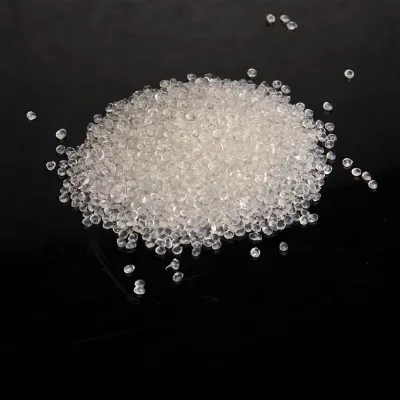
Garment hot melt adhesive films are primarily manufactured from polyester, polyurethane, or TPU materials. These inorganic materials provide strong bonding capabilities for clothing applications. The films utilize thermoplastic resin as the main agent and tackifiers as promoters to ensure effective adhesion during the thermal bonding process.
What thickness options are available for these adhesive films?
Available thickness options range from 0.01mm to 0.15mm, including specific variants like 0.05mm, 0.08mm, and 0.1mm. Some products are supplied without release paper in the 0.01-0.03mm range. Buyers can select the precise thickness required for their specific garment construction and bonding needs.
Can the adhesive film withstand washing and high temperatures?
Yes, the adhesive film is designed to be washable and heat resistant. It can endure washing temperatures ranging from 30 to 90 degrees Celsius. This durability ensures that bonded garments maintain their integrity and appearance after multiple laundering cycles, making it suitable for durable clothing applications.
What certifications do these adhesive films typically hold?
These adhesive films typically hold ISO 9001 certification, ensuring quality management standards are met. Some products may also meet RoHS and OEKO-TEX standards for environmental and safety compliance. Buyers should verify specific certification requirements with suppliers to ensure the materials meet their regulatory and quality standards.
What is the minimum order quantity for these films?
The minimum order quantity is typically one roll, allowing for flexible purchasing options. This low MOQ facilitates sampling and small-scale production runs. Buyers can order specific quantities based on their immediate production needs without committing to large bulk purchases initially.
How is the adhesive film applied to garments?
The adhesive film is applied using a thermal bonding method. The material features a melting point between 105 and 115 degrees Celsius, allowing it to activate and bond under heat. This process ensures strong adhesion for clothing printing and assembly without the need for additional solvents or complex machinery.