Source Geared Starter Motor for Trucks, Cars, and Generators
Find 30 Geared Starter Motor options for heavy-duty trucks, passenger cars, and industrial generators. Compare 24V models with deceleration drives, electromagnetic controls, and ISO certifications to identify suitable suppliers and request quotes; compare the available evidence and request quotations based on your requirements.
Key considerations
Products List


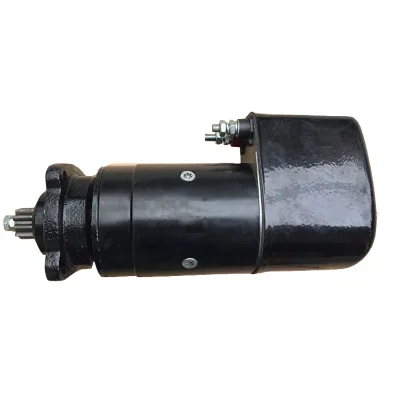


$90.00 - $110.00
MOQ: 20 Pieces

$90.00 - $110.00
MOQ: 20 Pieces

$90.00 - $110.00
MOQ: 20 Pieces

$90.00 - $110.00
MOQ: 20 Pieces

$90.00 - $110.00
MOQ: 20 Pieces

$90.00 - $110.00
MOQ: 20 Pieces


Premium Durable Starter for High-Efficiency Performance and Reliability
$26.00 - $99.00
MOQ: 10 Pieces


Comprehensive Sourcing Guide
Geared Starter Motor Sourcing Guide
Buyers evaluating geared starter motors must first distinguish between standard direct-drive units and those featuring integrated reduction gearboxes, as the latter provide higher torque at lower RPMs essential for heavy-duty engines. The observed market data indicates a diverse range of models, including specific variants like the QDJ and HOWO371, which often utilize deceleration driving types to optimize performance under load. Understanding these mechanical distinctions is critical before initiating any procurement process, as the wrong configuration can lead to immediate operational failure or excessive wear on the engine flywheel.
Procurement teams should also scrutinize the voltage and power ratings listed in supplier catalogs, noting that 24-volt systems are prevalent in commercial applications while 5-kilowatt outputs suggest robust capability for larger machinery. The presence of electromagnetic-operated control systems and specific rotation directions, such as clockwise, further narrows the selection to compatible engine architectures. Buyers must verify that the listed product model matches their specific vehicle or equipment requirements, as generic listings often obscure the precise fitment needed for a successful installation.
Product Scope and Observed Listing Signals
The current market landscape for geared starter motors reveals a wide spectrum of packaging and shipping configurations, ranging from simple pocket cartons to complex palletized units designed for ocean freight. This variation in packing standards, including specific dimensions like 35x20x25cm for certain cartons, directly impacts logistics planning and storage requirements for the buyer. Sourcing teams must account for these physical attributes when calculating total landed costs, as improper packaging can lead to damage during transit or inefficient use of container space.
Listing signals also highlight significant diversity in product conditions and customization options, with some suppliers offering 100% new units while others provide non-customized standard models. The availability of customization is a key differentiator, allowing buyers to tailor specific components to unique engine interfaces, though many standard listings remain fixed in their specifications. Buyers should carefully review whether a product is marked as "100% Tested" or "New" to ensure reliability, as these attributes serve as primary indicators of quality assurance in the absence of detailed test reports.
Technical Specifications to Verify
Technical verification begins with confirming the voltage and power output, as the observed data specifies 24-volt systems and 5-kilowatt ratings that must align with the vehicle's electrical architecture. Buyers must ensure the driving type, specifically the deceleration mechanism, matches the engine's compression requirements to prevent gear slippage or excessive current draw during cranking. The number of teeth, observed as 10 in some listings, is another critical parameter that determines the engagement ratio and must be compatible with the engine's flywheel ring gear to ensure smooth starting.
Further verification is required for the control system and material composition, as electromagnetic operation and steel or stainless steel construction dictate durability and response time. The rotation direction, typically clockwise, must be confirmed against the engine's design to avoid mechanical interference, while the weight and overall structure, described as combination or standard, affect the mounting stability. Buyers should request detailed dimensional drawings to validate that the physical footprint and mounting points of the starter assembly will fit within the available engine bay space without modification.
Compliance and Safety Documentation
Compliance verification is essential when sourcing industrial components, as the observed listings reference certifications such as ISO/Ts16949, CCC, and CE, which indicate adherence to specific quality and safety management systems. Buyers must request valid, up-to-date certificates from suppliers to confirm that the manufacturing facility maintains these standards, as these documents are often prerequisites for importing into regulated markets. The presence of multiple certifications like SGS and ISO suggests a robust quality framework, but buyers should verify the scope of these certificates to ensure they cover the specific product line being purchased.
Safety documentation also includes proof of product testing and condition verification, with many listings claiming 100% testing and new conditions to mitigate the risk of receiving defective units. Buyers should demand test reports that validate the electromagnetic operation and electrical continuity of the starter motor before finalizing any order. Additionally, understanding the warranty terms, such as the observed six-month coverage, provides a safety net for early failures, but the specific conditions and exclusions within the warranty agreement must be clearly defined in the purchase contract.
Cost Drivers and Commercial Terms
Cost drivers for geared starter motors are heavily influenced by the supply ability and the complexity of the manufacturing process, with observed monthly capacities reaching 10,000 pieces for high-volume suppliers. Buyers should analyze the relationship between the minimum order quantity and the unit price, as larger orders often unlock better pricing tiers but require significant capital outlay. The observed price range of 1 to 1000 USD reflects this variability, necessitating a clear understanding of the total cost of ownership, including shipping, duties, and potential inventory holding costs.
Commercial terms such as the port of dispatch, identified as Guangzhou in some listings, and the selling units, often single items, play a crucial role in logistics planning and cash flow management. Buyers must negotiate clear delivery timelines and payment terms, as the lead time can vary significantly based on the customization level and current production load. Understanding the supply chain dynamics, including the origin in China and the specific packing methods, helps in forecasting potential delays and ensuring that the procurement schedule aligns with operational needs.
Supplier Qualification and Quality Control
Supplier qualification requires a rigorous assessment of their production capabilities and quality control protocols, particularly given the diverse range of models and standards observed in the market. Buyers should verify that the supplier has a proven track record of producing specific models like the VG1560090001 or Mitsubishi Starter Motor variants, as this indicates specialized expertise rather than generic assembly. The presence of advanced communication protocols like RS485 Modbus in some listings suggests a higher level of technological integration, which may require suppliers with more sophisticated engineering teams.
Quality control measures must be validated through on-site audits or third-party inspections, focusing on the consistency of materials like steel and metal used in construction. Buyers should ensure that the supplier's quality assurance processes include rigorous testing for the electromagnetic-operated systems and the durability of the deceleration driving type. The claim of 100% tested products is a strong indicator, but independent verification of these claims through sample testing is recommended to confirm that the quality control standards are consistently met across all production batches.
Long-Term Procurement Checks
Long-term procurement success depends on establishing a reliable supply chain that can adapt to changing engine specifications and market demands over time. Buyers should monitor the supplier's ability to maintain consistent quality and delivery schedules, especially when dealing with complex components like geared starter motors that require precise engineering. The observed warranty periods and supply abilities provide a baseline, but ongoing performance reviews are necessary to ensure that the supplier can scale production without compromising on the quality of the deceleration mechanisms or electrical systems.
Continuous verification of certifications and compliance standards is also vital, as regulatory requirements and industry standards evolve. Buyers should maintain open communication channels with suppliers to stay informed about any changes in material sourcing, such as the shift between steel and stainless steel, which could impact product performance. Regular audits and feedback loops help in identifying potential risks early, ensuring that the procurement strategy remains robust and capable of supporting the long-term operational needs of the fleet or machinery.
FAQs
What voltage do geared starter motors typically use for heavy vehicles?
Most geared starter motors for trucks and commercial vehicles operate on a 24-volt system, which is the standard listed for these products. Verify your vehicle's electrical system before ordering, since passenger cars often use 12-volt units. Confirming voltage, tooth count, and mounting pattern with the seller prevents fitment problems after delivery.
Which certifications should I check when sourcing geared starter motors?
Look for ISO/TS16949 as the key quality certification for automotive starter production, and CE or CCC markings where applicable. These indicate the manufacturer follows recognized quality management and product safety practices. Always request copies of current certificates and confirm they cover the exact starter model you intend to purchase.
Can geared starter motors be customized for specific engine applications?
Yes, customization is available from these suppliers, allowing adjustments to specifications such as tooth count, mounting configuration, or packaging. Provide your engine model, original starter number, and required performance details when requesting a custom build. Customized orders typically require confirmation of drawings or samples before mass production begins.
How are geared starter motors packed for shipping?
Packing options include pocket cartons, standard packages, plain cartons, and carton plus pallet for export shipments. Ocean freight packing is also offered for bulk orders. Discuss your preferred packing method with the supplier early, since export cartons and palletized loads protect starters better during long transit and container handling.
What is the typical warranty period for a Geared Starter Motor?
A six-month warranty is offered on these starter motors, covering manufacturing defects under normal use. Read the warranty terms carefully, because coverage usually excludes damage from incorrect installation, improper voltage, or water ingress. Keep installation records and test reports so any warranty claim can be processed smoothly with the supplier.
How many starter motors can suppliers produce per month?
Listed supply capability reaches 10,000 pieces per month, which supports both small trial orders and large recurring contracts. Actual available capacity can vary with order size and production scheduling. When planning volume purchases, ask the supplier to confirm current monthly output and reserve production slots for your delivery schedule.
What specifications should I confirm before ordering a 24V Geared Starter Motor?
Confirm voltage of 24V, power output around 5kW, rotation direction clockwise, pinion teeth count of 10, and deceleration drive type. Also match the original starter model number or OE reference to your engine. Sharing your vehicle brand and engine code with the supplier helps them verify compatibility before production.
Which port is used for dispatching Geared Starter Motor orders from China?
Guangzhou is the listed port of dispatch for these starter motor shipments. When requesting quotations, state your destination port and preferred trade terms so the supplier can calculate freight accurately. Ocean freight is the common method for bulk starter orders, while smaller quantities may ship by air or express courier.