Source Gearbox Synchronizer Cone for Auto Transmission, Truck Repair, and Heavy Machinery
Compare 30 listings for Gearbox Synchronizer Cone components suitable for auto transmission, truck repair, and heavy machinery applications. Buyers can review specifications, pricing, and supplier details for models compatible with Scania and ZF gearboxes.
Key considerations
Products List
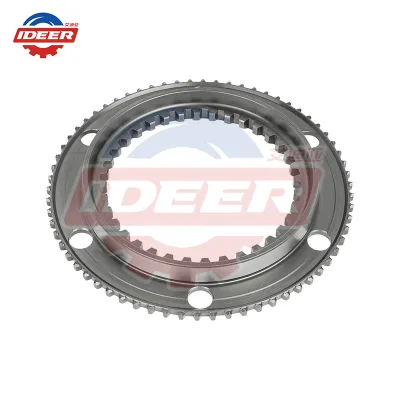


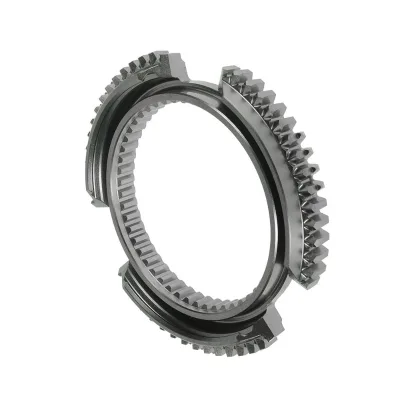

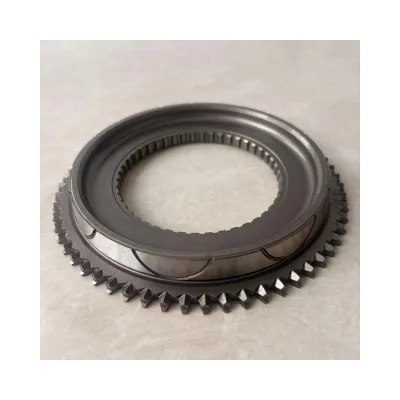


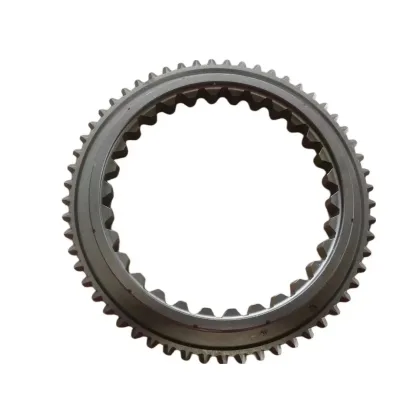
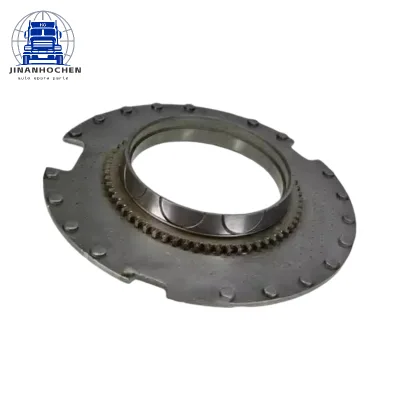
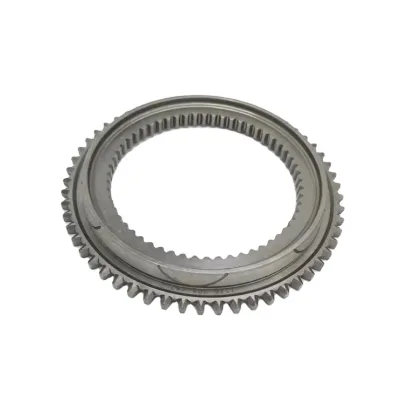
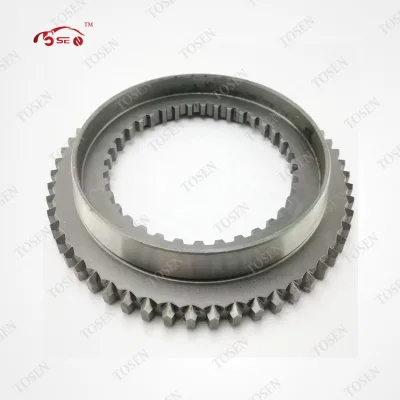
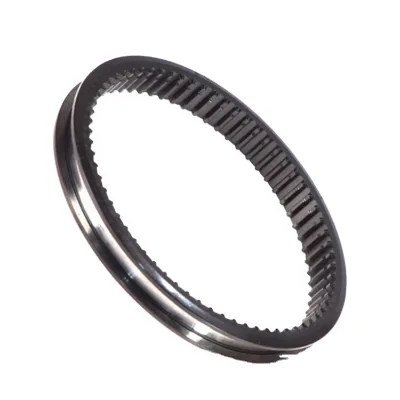
Synchronizer Cone Hub Speed Synchronizer Cone Hub for Bus Gearbox Wg2210020003
$16.00 - $22.00
MOQ: 1 Pieces
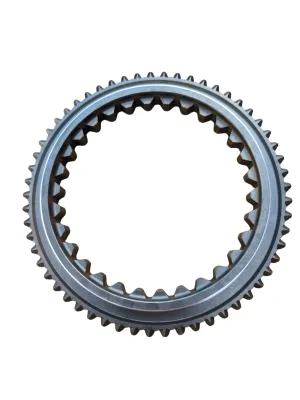
Comprehensive Sourcing Guide
Strategic Sourcing Guide for Gearbox Synchronizer Cones
Procuring gearbox synchronizer cones requires a disciplined approach that balances technical precision with supply chain reliability. These components are critical for smooth gear shifting in manual and automated transmission systems, ensuring that gear speeds are matched before engagement. For procurement professionals, the market presents a complex landscape of materials, specifications, and supplier capabilities. This guide outlines the essential factors for sourcing these parts effectively, focusing on verified attributes, compliance verification, and risk mitigation strategies based on current market observations.
Technical Specifications and Material Composition
The fundamental performance of a synchronizer cone is dictated by its material composition and geometric tolerances. Market data indicates that these components are frequently manufactured from high-strength alloys such as 20CrMnTi, a low-alloy steel known for its excellent hardenability and toughness. This material choice is essential for withstanding the high friction and thermal loads generated during gear shifting. In addition to iron and steel variants, some listings specify hardened tooth surfaces, a critical feature that ensures the friction material maintains its integrity over thousands of shift cycles.
Dimensional accuracy is equally paramount. The internal and external diameters must match the specific transmission housing and gear assembly precisely. Observed specifications include internal diameters around 136mm and external diameters near 192mm, though these values vary significantly by application. Buyers must verify that the part number, such as 1297304196 or 1312304056, aligns exactly with their vehicle or machinery requirements. The gear ratio, often cited as 63/27 in specific contexts, further defines the synchronization characteristics.
When evaluating technical data, procurement teams should prioritize the following parameters:
- Material Grade: Verify if the supplier uses 20CrMnTi or equivalent high-grade steel.
- Surface Hardness: Confirm the hardness of the tooth surface to ensure durability.
- Dimensional Tolerances: Check internal and external diameter specifications against the OEM drawing.
- Compatibility: Ensure the part is designed for the specific gearbox model, such as the S6-90, or compatible with specific vehicle brands like Scania.
Compliance and Certification Verification
In the B2B automotive sector, certification is not merely a formality but a prerequisite for liability protection and operational safety. While some product listings explicitly mention CE certification and ISO standards, buyers must treat these as claims requiring independent verification rather than guaranteed attributes of every unit. The presence of ISO certification suggests a supplier adheres to quality management systems, but the specific standard, such as ISO 9001:2015, should be confirmed through direct documentation.
Certification checks should extend beyond the product itself to the manufacturing process. A supplier claiming ISO compliance should be able to provide a valid certificate issued by an accredited body. Similarly, CE marking indicates conformity with health, safety, and environmental protection standards for products sold within the European Economic Area. However, the mere presence of a "CE" label in a product description does not guarantee that the specific batch of synchronizer cones has undergone the necessary testing.
Buyers should request the following documentation before finalizing an order:
- Valid ISO Certificates: Confirm the scope of the certification covers automotive parts manufacturing.
- CE Declaration of Conformity: Ensure the document is signed and dated by the manufacturer.
- Material Test Reports: Verify the chemical composition and mechanical properties of the steel used.
- Third-Party Inspection Reports: For large orders, consider hiring a third-party inspector to validate the certifications on-site.
Cost Drivers and Pricing Structures
Understanding the cost structure of synchronizer cones is vital for budgeting and negotiation. The observed price range in the market spans from $1 to $100, a wide variance that reflects differences in material quality, manufacturing complexity, and order volume. Several key factors influence the final unit price. First, the material cost of 20CrMnTi steel fluctuates with global commodity markets, directly impacting the base price. Second, the precision machining required for the hardened tooth surface and specific diameters adds significant processing costs.
Minimum Order Quantity (MOQ) is another critical cost driver. Market observations indicate that many suppliers set an MOQ of 10 pieces or 10 Pcs. While this is relatively low for industrial components, it may still pose a challenge for small-scale repair shops or initial prototype runs. Suppliers with lower MOQs often charge a premium per unit to cover setup costs. Conversely, larger orders typically benefit from economies of scale, reducing the per-unit cost significantly.
Other cost considerations include packaging and logistics. Products are often shipped in neutral cartons or customized color boxes, which can affect the final landed cost. Lead times, ranging from 7 to 30 working days, also influence pricing; expedited shipping or rush production slots usually incur additional fees. Buyers should analyze the total cost of ownership, including shipping, duties, and potential inventory holding costs, rather than focusing solely on the unit price.
Typical Applications and Compatibility
Synchronizer cones are primarily designed for use in manual and automated manual transmissions where smooth gear engagement is required. The specific applications vary widely depending on the vehicle or machinery type. Market data highlights compatibility with heavy-duty truck transmissions, such as those found in Scania vehicles, and specific gearbox models like the S6-90. The part numbers, such as 1495267 or 1316304146, serve as unique identifiers for these applications.
The versatility of these components extends to various industrial sectors. While automotive applications are dominant, synchronizer cones are also used in agricultural machinery, construction equipment, and industrial drive systems. The "Purpose" of these parts is generally for replacement or repair, indicating that they are essential for maintaining the operational efficiency of existing fleets.
When selecting a part, buyers must ensure strict compatibility with their specific equipment. The following compatibility matrix should be verified:
- Vehicle Brand: Confirm if the part is designed for Scania or other specific manufacturers.
- Gearbox Model: Verify the part fits the S6-90 or similar transmission units.
- OE Number: Cross-reference the original equipment number (e.g., 1495267) to ensure exact fitment.
- Transmission Type: Ensure the part is suitable for the specific transmission technology, whether manual or automatic.
Supplier Evaluation and Selection Criteria
Selecting the right supplier is a strategic decision that impacts long-term supply chain stability. The market features a mix of suppliers with varying capabilities, from those offering 24-hour online service to those providing customized packaging. A robust supplier evaluation process should assess several key dimensions. First, the supplier's location, often cited as Zhejiang or Shaoxing in China, can influence lead times and logistics costs. Second, the brand name, such as Ideer or HYGT, may indicate a level of market reputation, though buyers should not rely solely on brand recognition.
Supplier reliability is further gauged by their service offerings and production capacity. Suppliers claiming "High-Quality" standards should demonstrate this through consistent delivery records and quality control processes. The availability of customization, such as customized color boxes or specific packaging requirements, is a valuable differentiator for buyers with unique branding or logistical needs. Additionally, the warranty period, often listed as 12 months, provides a safety net for buyers against premature failures.
Key evaluation metrics for supplier selection include:
- Response Time: Verify the availability of 24-hour online support for technical inquiries.
- Production Capacity: Assess the ability to meet volume demands without compromising quality.
- Customization Options: Determine if the supplier can accommodate specific packaging or branding requests.
- Warranty Terms: Review the duration and scope of the warranty coverage.
Quality Control and Inspection Protocols
Implementing a rigorous quality control (QC) protocol is essential to mitigate the risks associated with defective synchronizer cones. Given the critical nature of these components in transmission systems, even minor defects can lead to catastrophic failures. Buyers should establish clear inspection criteria based on the technical specifications provided by the supplier. This includes verifying the material hardness, dimensional accuracy, and surface finish of the hardened teeth.
Inspection should occur at multiple stages of the supply chain. Pre-shipment inspections are particularly effective for catching defects before the goods leave the factory. During these inspections, inspectors should check the packaging to ensure it is neutral or customized as agreed, and verify that the single package size and gross weight match the provided data. For high-volume orders, statistical sampling methods can be employed to ensure consistency across the batch.
Buyers should also consider implementing a post-delivery audit process. This involves testing a sample of the received parts in a controlled environment to verify their performance under load. The goal is to confirm that the parts meet the specified standards and function correctly in the intended application. Any discrepancies should be documented and communicated to the supplier immediately to trigger corrective actions.
Long-Term Procurement Considerations
Sourcing synchronizer cones is not a one-time transaction but part of a long-term relationship that requires strategic planning. Buyers should focus on building a resilient supply chain that can adapt to market fluctuations and changing demand. This involves diversifying the supplier base to avoid dependency on a single source. Maintaining a relationship with multiple suppliers, each with different strengths and capabilities, can provide flexibility in case of supply disruptions.
Long-term considerations also include inventory management and demand forecasting. Given the lead times of 7 to 30 working days, buyers must maintain adequate safety stock to prevent production stoppages. Understanding the seasonal demand patterns and planning orders accordingly can help optimize inventory levels and reduce holding costs. Additionally, buyers should stay informed about industry trends and technological advancements that may impact the design and performance of synchronizer cones.
Finally, continuous improvement should be a core component of the procurement strategy. Regularly reviewing supplier performance, updating quality standards, and seeking feedback from end-users can drive better outcomes over time. By fostering a collaborative relationship with suppliers and maintaining a focus on quality and reliability, buyers can ensure a steady supply of high-performance synchronizer cones for their operations.
FAQs
What material is used for the Gearbox Synchronizer Cone?
The Gearbox Synchronizer Cone is typically manufactured from 20CrMnTi steel or iron. This material ensures high hardness and durability for the hardened tooth surface required in transmission systems.
Which certifications do these parts hold?
These parts hold CE certification and meet ISO standards. Buyers should verify specific documentation to ensure compliance with safety and quality management systems before placing orders.
How long is the delivery time for these parts?
The delivery time ranges from 7 to 30 working days depending on order volume. Some listings specify a faster window of 7 to 20 days for standard orders.
Can I customize the packaging for this product?
Yes, customization is available for neutral packing or customized color boxes. Suppliers offer flexible packaging options to meet specific branding or logistical requirements.
What is the minimum order quantity for these parts?
The minimum order quantity is 10 pieces for most listings. This low MOQ allows small repair shops to purchase parts without excessive inventory commitments.
Which vehicle models are compatible with this part?
This part is compatible with Scania vehicles and specific gearboxes like the S6-90. The OE number 1495267 helps identify the exact fitment for repair purposes.