Source Glitter Collagen Acne Patches for Face, Skin, and Beauty
Compare 30 listings of Glitter Collagen Acne Patches from verified manufacturers. Buyers can evaluate customization options, certifications, and pricing for face spot treatment and skin care applications. These products feature hydrocolloid material, various shapes like stars and hearts, and offer OEM services with CE, FDA, and ISO certifications for effective acne healing and wound care on combination skin types.
Updated
Key considerations
Products List


Hydrocolloid Acne Absorbing Cover Patches Acne Dots Blemish Patches Spot Treatment
$0.10 - $0.12
MOQ: 5000 Pieces


Colorful Hydrocolloid Pimple Patches Fast Healing Acne Cover Patch for Skin Care
$0.30 - $0.35
MOQ: 10000 Pieces

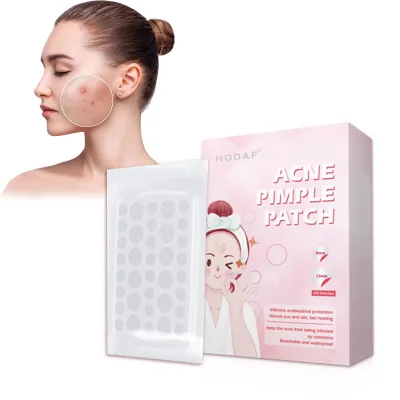
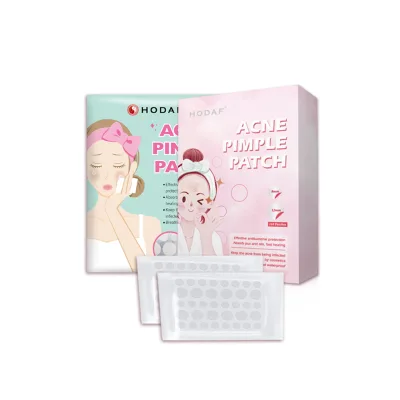
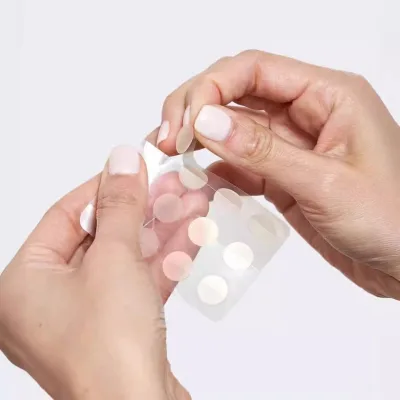
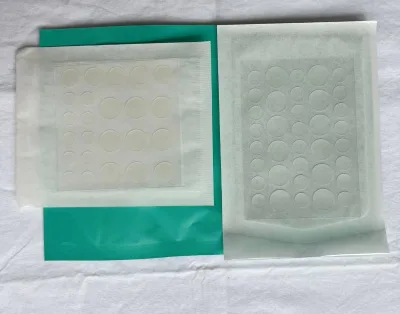
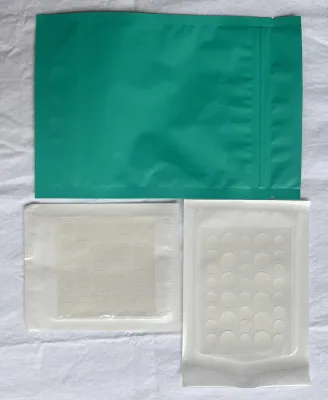
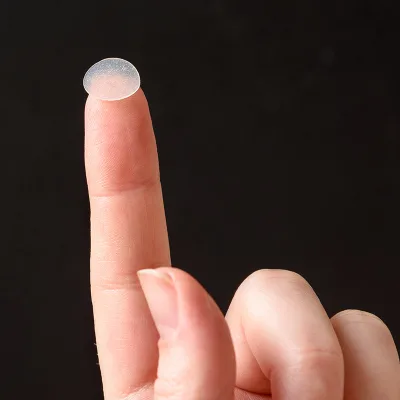
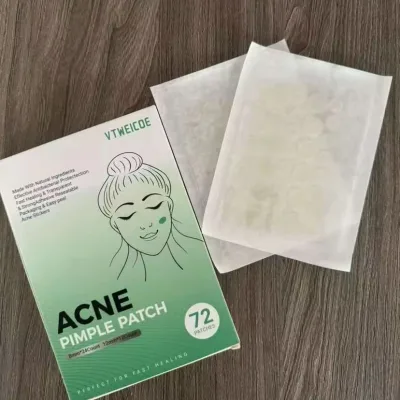
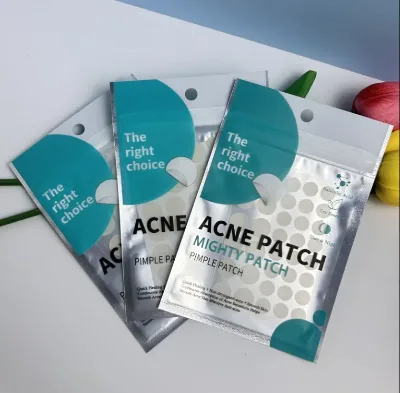
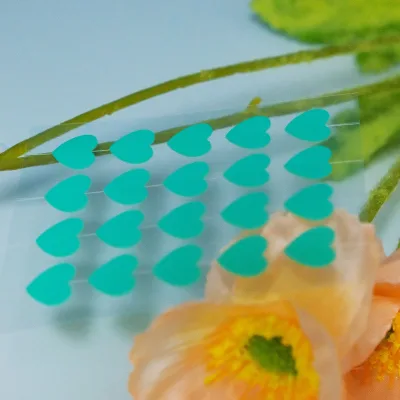
Colorful Caring Acne Paste Gel Sticker Effective Pimple Patch for Acne Treatment
$0.1889 - $0.5247
MOQ: 1000 Minimum

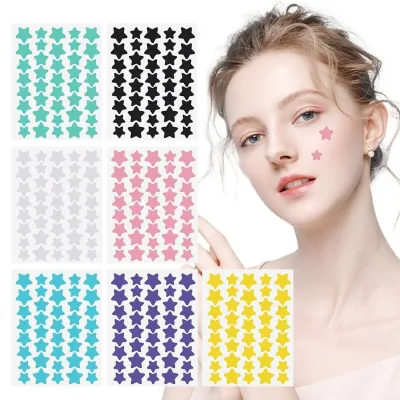
Fashionable Acne Patch with Attractive Patterns for a Trendy Acne Treatment Option
$0.1859 - $0.5142
MOQ: 1 pieces


Comprehensive Sourcing Guide
Glitter Collagen Acne Patches Sourcing Guide
Sourcing Glitter Collagen Acne Patches requires a nuanced understanding of the intersection between cosmetic aesthetics and functional hydrocolloid technology. Buyers must recognize that while the visual appeal of glitter and collagen-infused designs drives consumer interest, the core efficacy relies on the hydrocolloid material’s ability to absorb exudate and protect the wound. The observed market signals indicate a diverse range of products, from simple transparent dots to customized star or heart shapes, all targeting the face spot application. Procurement teams should prioritize suppliers who clearly distinguish between the decorative elements and the medical-grade absorption properties, ensuring that the aesthetic additions do not compromise the patch’s primary function of acne healing and blemish control.
The procurement landscape for these items is characterized by significant customization potential, allowing brands to tailor the product to specific demographic preferences. With observed attributes ranging from all-ages suitability to specific adult or teenager targeting, buyers can align product designs with their brand identity. The availability of customized colors, shapes, and packaging offers a strategic advantage in competitive markets, but it also introduces complexity in quality assurance. Sourcing guides must emphasize the need for clear communication regarding these customizations, as variations in glitter density or collagen concentration can impact both the user experience and the shelf-life stability of the final product.
Product Scope and Observed Listing Signals
The current market for acne patches exhibits a wide spectrum of product models, including specific designations like Dotdot-Glitter, Dotdot-Colorful, and generic best pimple patches. These listings often highlight unique selling points such as star or heart shapes, which cater to younger demographics or those seeking a more playful skincare routine. The observed data suggests that manufacturers are leveraging visual differentiation to stand out in a crowded field, with options for customized logos and packaging playing a crucial role in brand building. Buyers should note that while the core material is consistently identified as hydrocolloid, the presentation varies significantly, ranging from individually packed units to inner boxes without outer cartons, depending on the supplier’s standard operating procedures.
Functional claims in the observed listings extend beyond simple acne removal to include broader skin care applications, such as reducing pain and curing wounds for burns. This expansion of use cases indicates a versatility in the product scope that buyers should verify through technical documentation. The presence of both unisex and gender-specific targeting, along with age groups spanning from teenagers to adults, suggests a broad market appeal. However, procurement teams must be cautious not to conflate these diverse applications with a single product specification. Each model may have distinct performance characteristics, and the sourcing strategy should account for the specific functional requirements of the target audience, whether it is focused on cosmetic enhancement or therapeutic wound care.
Technical Specifications to Verify
Technical verification begins with the physical dimensions and material composition of the patches. Observed specifications include a standard diameter of 12mm for 20-dot packs and specific size measurements such as 6.2*8.2cm for certain models. Buyers must confirm the exact thickness and adhesive properties of the hydrocolloid layer, as these factors directly influence the patch’s ability to adhere to the skin and absorb impurities without causing irritation. The presence of glitter and collagen additives requires scrutiny to ensure that these components are evenly distributed and do not interfere with the patch’s structural integrity or absorption capacity. Additionally, the sterile method, whether gamma-ray or ethylene oxide sterilization, must be clearly defined to ensure patient safety and compliance with health standards.
Packaging and shelf-life specifications are equally critical for long-term inventory management and product efficacy. The observed shelf life of three years provides a baseline for storage planning, but buyers should verify the specific storage conditions required to maintain this duration. The choice between individually packed units and bulk carton packaging impacts both protection and ease of use. Furthermore, the model numbers, such as Type D or specific glitter variants, serve as essential identifiers for quality control. Procurement teams should request detailed technical data sheets that outline the exact composition of the hydrocolloid, the nature of the glitter particles, and the concentration of collagen, ensuring that these specifications align with the brand’s quality expectations and regulatory requirements.
Compliance and Safety Documentation
Compliance with international standards is non-negotiable for acne patches, which are often classified as medical devices or cosmetic products depending on the jurisdiction. The observed certifications include CE, FDA, and ISO marks, with specific references to ISO9001 and ISO13485 standards. Buyers must verify that these certifications are current and applicable to the specific product model being sourced. The distinction between cosmetic and medical classification can affect the regulatory pathway, so it is essential to confirm the product’s intended use and the corresponding regulatory requirements. Documentation should clearly state the sterilization method and the absence of harmful substances, ensuring that the glitter and collagen additives are safe for topical application on sensitive facial skin.
Safety data sheets and biocompatibility test results are crucial for mitigating risk and ensuring consumer safety. Buyers should request evidence of skin irritation testing, especially for products with added glitter or unique shapes that may have different contact areas. The presence of ethylene oxide sterilization requires specific validation to ensure that residual levels are within safe limits, as this method is commonly used for medical devices. Additionally, the manufacturing facility’s adherence to Good Manufacturing Practices (GMP) should be verified through audit reports or third-party inspections. These documents provide assurance that the production process is controlled and consistent, reducing the risk of contamination or variability in the final product’s performance and safety profile.
Cost Drivers and Commercial Terms
Cost structures for Glitter Collagen Acne Patches are influenced by several key factors, including the complexity of customization, the volume of order, and the specific materials used. The observed minimum order quantity (MOQ) ranges from 1 to 30,000 pieces, with some listings specifying an MOQ of 100 pieces for customized orders. Higher customization levels, such as unique shapes, colors, or logo printing, typically incur additional setup costs and higher per-unit prices. Buyers should negotiate clearly on these variables, understanding that smaller MOQs may come with a premium, while larger volumes can offer significant economies of scale. The inclusion of free samples is a common practice, allowing buyers to evaluate quality before committing to a larger purchase, which can help in making informed cost-benefit decisions.
Commercial terms also encompass payment conditions, lead times, and shipping arrangements, which can vary significantly between suppliers. While specific lead times are not detailed in the observed data, buyers should establish clear expectations for production and delivery schedules, especially for customized orders that require additional processing time. The choice of packaging, whether inner box only or full carton packaging, can impact shipping costs and storage efficiency. Buyers should also consider the total landed cost, including tariffs and logistics, when evaluating supplier quotes. Transparent communication regarding these commercial terms is essential for avoiding unexpected expenses and ensuring a smooth procurement process, allowing for accurate budgeting and inventory planning.
Supplier Qualification and Quality Control
Supplier qualification involves a thorough assessment of the manufacturer’s capabilities, including their production capacity, quality management systems, and track record. The observed data indicates that suppliers are primarily located in China, with specific origins in Zhejiang and Hubei provinces. Buyers should verify the manufacturer’s experience in producing hydrocolloid patches and their ability to handle custom orders efficiently. Requesting references or case studies from previous clients can provide insight into the supplier’s reliability and consistency. Additionally, the supplier’s ability to provide comprehensive documentation, including certifications and test reports, is a key indicator of their commitment to quality and compliance.
Quality control processes should be clearly defined and agreed upon before production begins. Buyers should establish specific acceptance criteria for the final product, including visual inspection standards for glitter distribution and shape accuracy, as well as functional tests for adhesion and absorption. Implementing a pre-production sample approval process is crucial to ensure that the final product meets the buyer’s expectations. Regular audits of the manufacturing facility can help identify potential issues early and ensure ongoing compliance with quality standards. By maintaining a proactive approach to quality control, buyers can minimize the risk of defects and ensure that the Glitter Collagen Acne Patches meet the highest standards of performance and safety.
Long-Term Procurement Checks
Long-term procurement success depends on continuous monitoring of supplier performance and market trends. Buyers should establish key performance indicators (KPIs) to track metrics such as on-time delivery, product quality, and responsiveness to issues. Regular reviews of these metrics can help identify areas for improvement and strengthen the supplier relationship over time. Additionally, staying informed about changes in regulatory requirements and consumer preferences is essential for maintaining product relevance and compliance. The skincare market is dynamic, with new trends and technologies emerging frequently, so buyers must be agile in adapting their sourcing strategies to meet evolving demands.
Sustainability and ethical sourcing are increasingly important considerations in the procurement of cosmetic and medical products. Buyers should evaluate suppliers’ practices regarding environmental impact, waste management, and ethical labor standards. This assessment can enhance brand reputation and align with consumer values, particularly among younger demographics who are often the target market for Glitter Collagen Acne Patches. By integrating sustainability into the sourcing strategy, buyers can mitigate risks associated with regulatory changes and consumer backlash. Continuous engagement with suppliers on these issues fosters a collaborative environment focused on long-term value creation and responsible business practices.
FAQs
What materials are used for Glitter Collagen Acne Patches?
The patches primarily utilize hydrocolloid material to effectively manage acne and blemishes on the face. This composition supports acne healing and removal while providing a comfortable application for combination skin types. The hydrocolloid base ensures the patch adheres securely to the skin spot, absorbing impurities and promoting faster recovery for users seeking targeted skincare solutions.
Can these acne patches be customized with a specific logo?
Yes, customization is available for logos, colors, and shapes to meet specific brand requirements. Manufacturers accept customized logos and offer various color options, including transparent or specific customized colors. This flexibility allows buyers to tailor the product packaging and appearance, ensuring the final product aligns perfectly with their brand identity and marketing strategies for retail distribution.
What certifications do the acne pimple patches hold?
The products hold CE, FDA, and ISO certifications, including ISO9001 and ISO13485 standards. These credentials verify that the manufacturing process meets rigorous quality and safety requirements for medical and skincare devices. The certifications ensure that the patches are produced in compliant facilities, providing buyers with confidence in the product's safety, efficacy, and regulatory adherence for international markets.
What is the minimum order quantity for these patches?
The minimum order quantity is typically 100 pieces, though ranges can extend up to 30,000 pieces depending on the supplier. This flexible MOQ allows businesses of various sizes to place orders suitable for their inventory needs. Buyers can negotiate specific quantities based on their production scale, ensuring that even small startups can access these customized acne patch solutions without excessive initial investment.
How are the acne patches sterilized and packaged?
The patches are sterilized using Ethylene Oxide or Gamma-Ray methods to ensure hygiene and safety. They are individually packed to maintain sterility until use, with options for inner boxes or carton packaging. This careful handling and packaging process protect the product integrity, ensuring that each patch arrives in a clean, ready-to-use state for consumers seeking effective acne treatment and skin care solutions.
Where are these acne patches manufactured and shipped from?
The patches are manufactured in China, with specific origins noted in Zhejiang and Hubei provinces. These locations serve as key production hubs for the skincare products, leveraging local manufacturing capabilities to produce high-quality hydrocolloid patches. Buyers can source directly from these regions, benefiting from established supply chains and efficient logistics for global distribution of the acne treatment products.