Source Plastic Eggs for Food, Toys, and Packaging
Explore 30 listings for Plastic Eggs suitable for food storage, toy candy packaging, and general egg trays. Buyers can compare materials like PET and PP, customization options, and shipping details from suppliers in China.
Key considerations
Products List






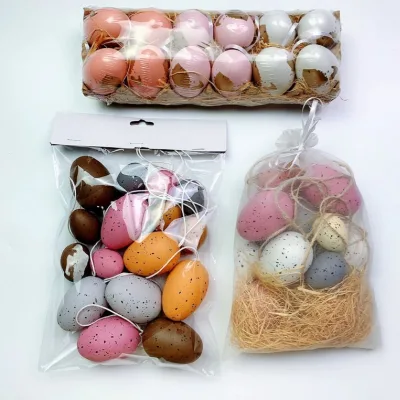
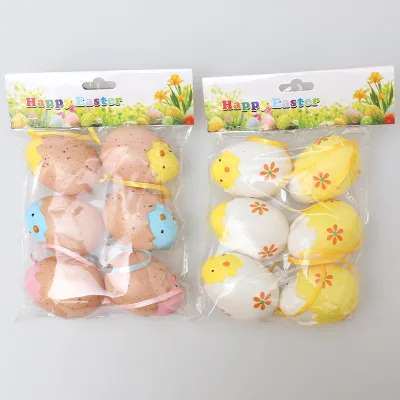
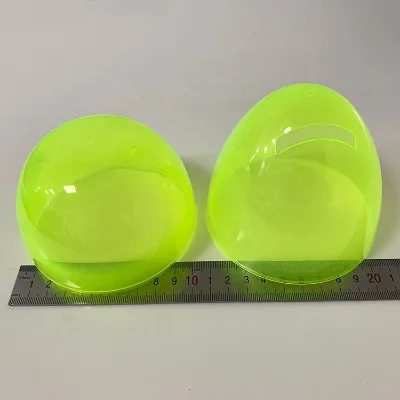


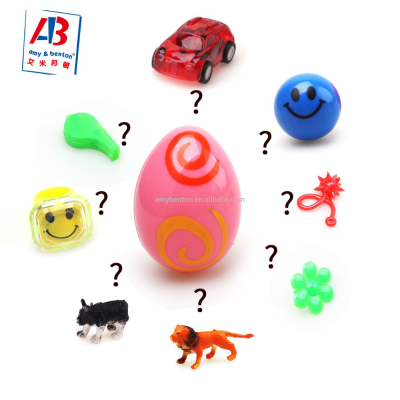
Comprehensive Sourcing Guide
Strategic Sourcing Guide for Plastic Egg Packaging Solutions
The global demand for durable, cost-effective, and hygienic packaging for egg products has driven significant innovation in the plastic sector. For procurement professionals researching "Plastic Eggs," the market presents a diverse array of options ranging from single-use clamshells to heavy-duty reusable trays. This guide synthesizes observed market data and technical attributes to provide a disciplined framework for evaluating suppliers, understanding product specifications, and mitigating procurement risks. The focus remains on evidence-based criteria derived from current product listings, ensuring that sourcing decisions are grounded in verifiable facts rather than speculative claims.
Technical Specifications and Material Composition
Understanding the material composition and physical specifications of plastic egg packaging is the foundational step in any sourcing strategy. The observed market data indicates a clear segmentation based on the type of plastic used. A significant portion of the product listings identifies PET (Polyethylene Terephthalate) as the primary material, specifically noted for its transparency and suitability for food applications. These PET-based solutions, often labeled as "Plastic Egg Clamshell," are characterized by their clear appearance, allowing for visual inspection of the contents without opening the package. The transparency is a critical functional attribute for retail environments where product visibility influences purchasing decisions.
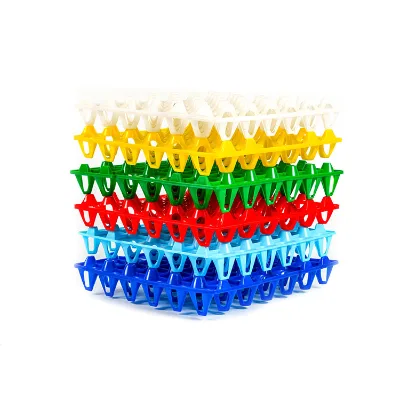
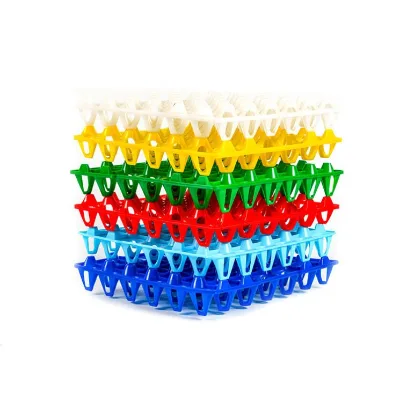
Conversely, other product entries highlight PP (Polypropylene) as the material of choice, particularly for applications requiring specific color variations such as blue, white, green, red, or yellow. The PP variants are often associated with features like moisture resistance and recyclability, suggesting a different use case profile compared to the transparent PET options. The physical form of these products varies significantly; while some are designed as "powder" forms for specific industrial applications, the majority are structured as trays or clamshells with specific capacities. For instance, specific models are engineered to hold exactly 30 chicken eggs, while others are tailored for quail eggs or even toy candy applications.
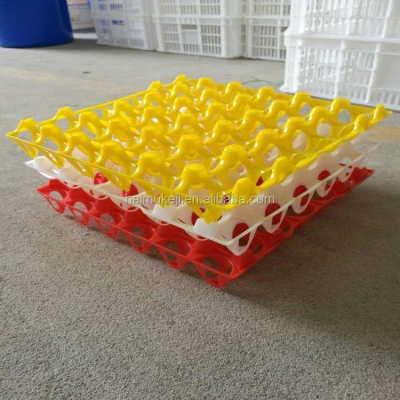
The dimensional specifications are equally critical for logistics planning. Observed data points to standardized dimensions such as 29.5 cm by 29.5 cm by 5.5 cm for certain tray models, while others are listed with custom sizing capabilities. The weight of individual units also varies, with recorded ranges from approximately 16 grams to 73 grams, and some heavier units weighing around 0.15 kg. These variations directly impact shipping costs and storage efficiency. Buyers must verify that the selected model number, such as EGG-12, EGG-4, or YZ-Plastic Egg Tray, aligns precisely with the intended egg type and volume requirements. The ability to customize size and model number is a prevalent feature, offering flexibility for unique packaging needs but requiring clear communication of exact dimensions to the supplier.
Compliance, Certification, and Food Safety Standards
In the food packaging sector, compliance with safety standards is non-negotiable. The product listings explicitly categorize the application as "Food," which necessitates rigorous verification of material safety. While the data confirms the use of PET and PP plastics, it does not provide specific certification numbers or third-party test results for food-grade compliance. Therefore, buyers must treat the "Food" application tag as a starting point for due diligence rather than a guarantee of compliance. The procurement process must include a mandatory request for documentation proving that the specific plastic resin used meets the regulatory requirements of the target market, such as FDA regulations in the United States or EU Framework Regulations for food contact materials.
The observed data mentions "customized" standards for some products, while others list specific standards like "PET" as a standard attribute. This ambiguity underscores the need for buyers to define their own compliance criteria before engaging with suppliers. The presence of "Recyclable" as a feature in some listings suggests an environmental consideration, but buyers should verify the specific recycling codes and local infrastructure capabilities to ensure the claim holds true in the destination market. Furthermore, the "Disposable" feature noted in several entries indicates a single-use lifecycle, which may conflict with sustainability goals if not managed correctly.
For non-food applications, such as the "Toy Candy" or "Funny Surprise Egg" categories, the compliance landscape shifts toward general product safety and toy regulations. The distinction between food-grade and toy-grade plastics is vital; a material safe for food contact may not meet the stringent toxicity limits required for children's toys. Buyers must ensure that the supplier provides appropriate test reports for the specific intended use, whether it is for holding fresh eggs or packaging confectionery items. The "Moisture-Resistant" advantage listed for certain models is a performance claim that should be validated through independent testing to ensure the packaging maintains integrity during transport and storage, particularly in humid environments.
Cost Drivers and Pricing Dynamics
The pricing structure for plastic egg packaging is influenced by a complex interplay of material costs, order volume, and customization requirements. The observed price range in the market spans from $0.03 to $30.00 USD, a wide variance that reflects differences in unit size, material quality, and order quantity. The lower end of the spectrum likely corresponds to high-volume orders of standard, single-use clamshells, while the higher end may reflect specialized, custom-molded trays or smaller batch orders.
A critical cost driver identified in the data is the Minimum Order Quantity (MOQ). The observed MOQ range is extensive, stretching from 1 unit to 100,000 units. A specific high-confidence fact notes an MOQ of 100,000 pieces for certain product lines. This high threshold can be a significant barrier for small to medium-sized enterprises, potentially inflating the per-unit cost if the buyer cannot absorb the volume. Conversely, suppliers offering lower MOQs may charge a premium to cover the setup costs for smaller production runs. Buyers must carefully calculate the total landed cost, including the MOQ requirement, to determine the true economic viability of a supplier.
Additional cost factors include the complexity of the mold and the specific plastic type. PET and PP have different market prices, and the choice of color can also impact the final cost. While some products are transparent, others require specific colorants like blue, white, or red, which may incur additional charges. The "Competitive" advantage listed in the data suggests that price is a primary differentiator in this market, but buyers should be wary of prices that seem abnormally low, as they may indicate compromised material quality or non-compliant manufacturing processes. Shipping costs, typically handled via sea freight for bulk orders, also play a significant role in the final price, especially given the volume-to-weight ratio of plastic packaging.
Typical Applications and Usage Scenarios
The versatility of plastic egg packaging is evident in the diverse applications observed in the market. The primary use case is undoubtedly for the egg industry, where these products serve as protective containers for transport and retail display. The specific models, such as the "Egg Tray" or "YZ-Plastic Egg Tray," are designed to accommodate various egg sizes, from standard chicken eggs to smaller quail eggs. The capacity of 30 chicken eggs per unit is a standard configuration for commercial logistics, optimizing space in shipping containers and storage racks.
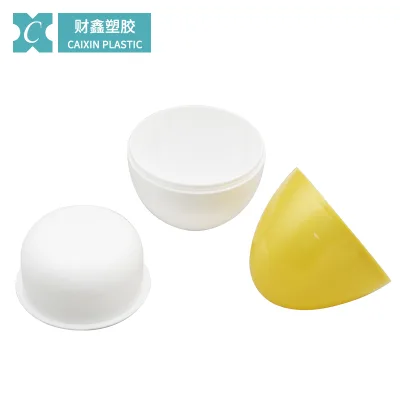
Beyond the traditional food sector, the data reveals a secondary market for toy and candy applications. Products labeled as "Funny Surprise Egg Toy Candy" indicate that these plastic containers are repurposed for packaging confectionery items or novelty toys. In this context, the "Disposable" and "Recyclable" features take on different meanings; the focus shifts to aesthetic appeal and the ability to hold small, irregularly shaped items. The "Powder" form mentioned in the data suggests niche industrial uses, possibly for mixing or dispensing dry ingredients, though this is less common than the tray and clamshell formats.
The "Two-Sided" printing capability is a significant feature for branding and marketing. This attribute allows suppliers to print logos, nutritional information, or promotional graphics on both sides of the packaging, enhancing brand visibility. This is particularly valuable for retailers who wish to differentiate their products on crowded shelves. The "Customization" availability further expands the application scope, allowing businesses to tailor the packaging to specific branding guidelines or functional requirements. Whether for food safety, retail display, or promotional gifting, the plastic egg packaging market offers solutions that can be adapted to a wide range of operational needs.
Supplier Evaluation and Geographic Considerations
When evaluating potential suppliers, geographic origin and production capacity are key factors. The data indicates that manufacturers are located in various regions of China, including Shandong, Guangdong, and Hebei. Each region may have different specializations and logistical advantages. Shandong, for instance, is known for its manufacturing base, while Guangdong often serves as a hub for export-oriented industries. Buyers should consider the proximity of the supplier to major ports, as this can influence shipping times and costs.
The "Shipment by Sea" method is the standard for bulk orders, implying that lead times will be longer compared to air freight. The "Sample" lead time of 3-7 days is a useful benchmark for evaluating a supplier's responsiveness and production flexibility. However, buyers must distinguish between sample lead times and full production lead times, as the latter can vary significantly based on order volume and factory workload. The "Capacity" of the supplier, inferred from the high MOQs observed, should be assessed to ensure they can meet demand spikes without compromising quality.
Supplier reliability can be gauged by their ability to provide consistent product attributes. The presence of multiple model numbers (EGG-12, EGG-4, YZ-Plastic Egg Tray, etc.) suggests a supplier with a diverse product line, which can be advantageous for buyers with varied needs. However, buyers must verify that the supplier maintains quality control across all models. The "As Per Packing" and "Customized" standard attributes indicate a willingness to adapt, but this flexibility must be managed through clear contracts to avoid misunderstandings regarding packaging specifications.
Quality Control and Long-Term Procurement Strategy
Implementing a robust quality control (QC) protocol is essential for maintaining product integrity. The "Life Time" attribute, ranging from "More Than 1 Year" to "More Than 5 Years," highlights the durability expectations for reusable trays. Buyers should verify these claims through stress testing, particularly for products intended for repeated use. The "Moisture-Resistant" feature is another critical quality metric that requires validation, especially for products stored in humid environments.
Packaging and handling procedures also play a vital role in quality assurance. The data lists various packing methods, including "Plastic Bag + Carton," "Carton," and "Woven Bag." The choice of packing material affects the protection of the goods during transit. A "Woven Bag" might be suitable for bulk transport, while "Carton" packing offers better protection for retail-ready units. Buyers should specify their preferred packing method in the purchase order to ensure consistency.
For long-term procurement, building a strategic relationship with suppliers is beneficial. The "Competitive" advantage suggests a price-sensitive market, but buyers should prioritize suppliers who demonstrate reliability and quality consistency over those offering the lowest initial price. Establishing clear communication channels for customization requests and quality feedback will help mitigate risks. Additionally, monitoring market trends for material innovations, such as new biodegradable plastics or enhanced recycling technologies, can provide a competitive edge. By focusing on verified attributes and maintaining rigorous QC standards, buyers can secure a reliable supply chain for plastic egg packaging that meets both functional and regulatory requirements.
FAQs
What materials are used for plastic egg packaging?
Plastic egg packaging is primarily made from PET or PP materials. PET is used for transparent clamshells suitable for food, while PP variants offer moisture resistance and recyclability in various colors like blue or white.
Which models can hold 30 chicken eggs?
Specific models like the YZ-Plastic Egg Tray are designed to hold exactly 30 chicken eggs. These trays feature standardized dimensions of 29.5 by 29.5 centimeters and are optimized for commercial logistics and storage.
Can I customize the size of plastic egg trays?
Yes, customization of size is available for many plastic egg tray models. Buyers can request specific dimensions for unique packaging needs, though clear communication of exact measurements is required to ensure proper fit.
What is the typical minimum order quantity for these products?
The minimum order quantity can range from 1 to 100,000 pieces depending on the supplier. Some specific product lines require a high MOQ of 100,000 pieces, while others may accommodate smaller initial orders.
How long does it take to receive samples?
Sample lead times typically range from 3 to 7 days for most suppliers. This allows buyers to verify product quality and specifications before committing to larger bulk orders via sea freight.
Are these Plastic Eggs suitable for food applications?
Yes, the products are explicitly categorized for food applications using safe plastic types. However, buyers must verify specific food-grade compliance documentation as the listings indicate food use without providing certification numbers.