Source Gold Casting Induction Melting Furnace for Iron Steel Copper
Find 30 gold casting induction melting furnaces from Shanghai suppliers. Compare detailed specs including power ratings from 15kw to 300kw, capacities up to 1 ton, and tilting types like electric gear motor or hydraulic for iron, steel, and copper melting applications with CE and ISO certifications.
Updated
Key considerations
Products List


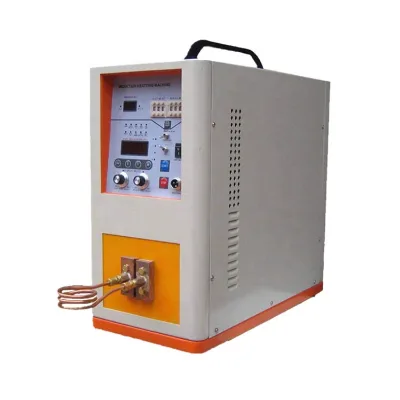
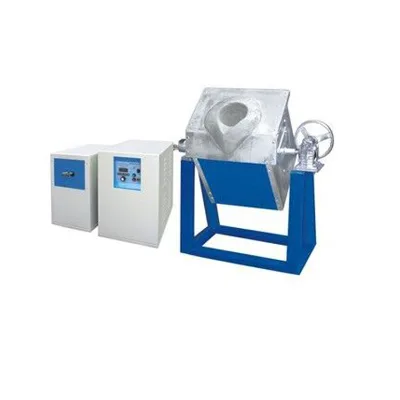
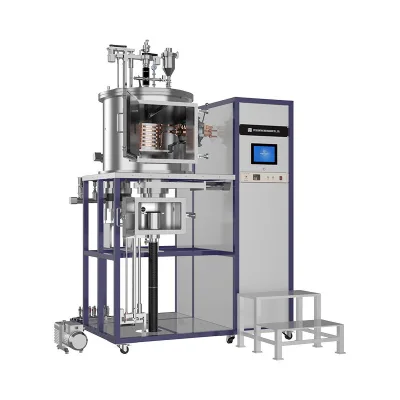
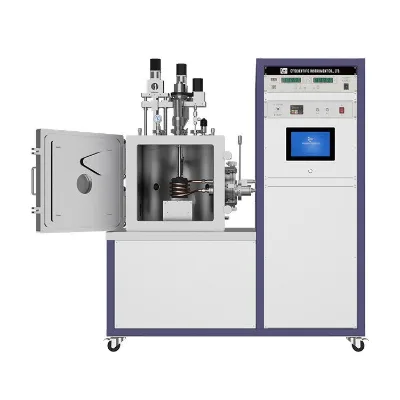
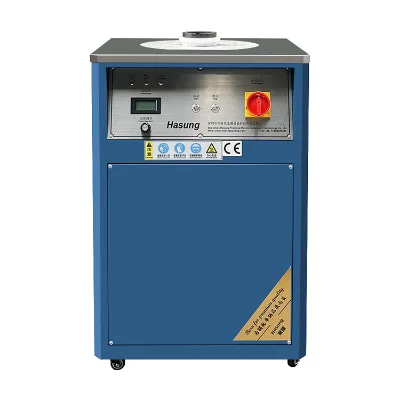
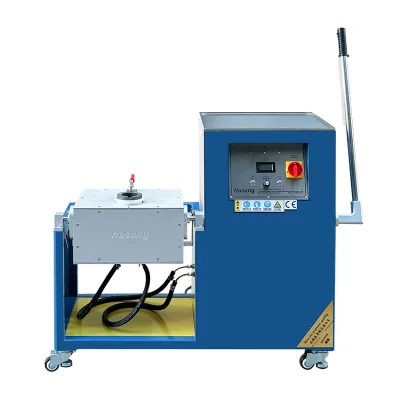
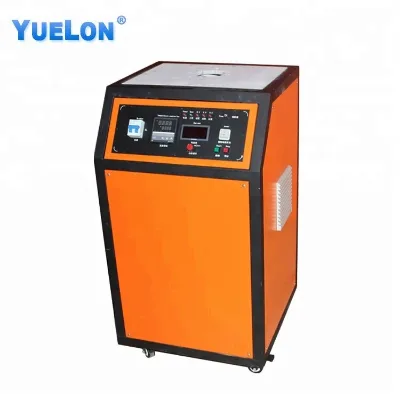
1KG 220V 3500W 1600 Degree Gold Casting Furnace Induction Heating Furnace for Metal
$20500.00 - $21000.00
MOQ: 1 sets
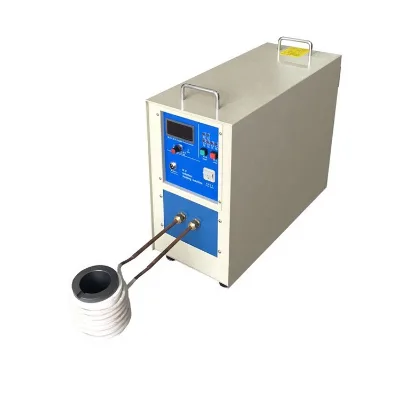
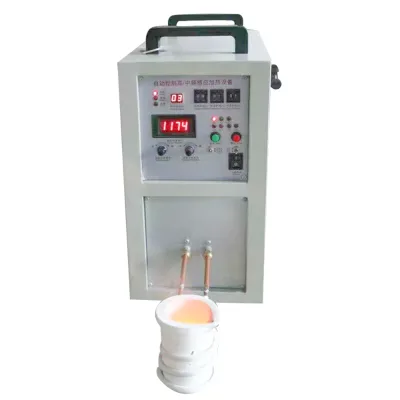
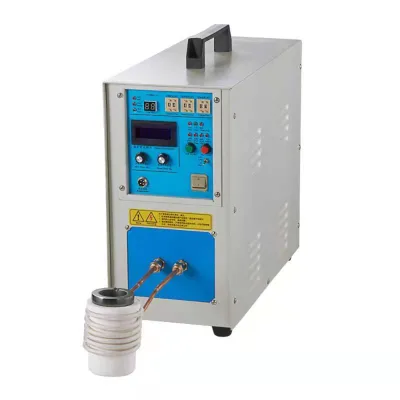
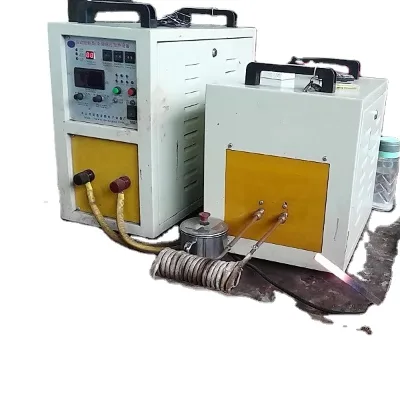
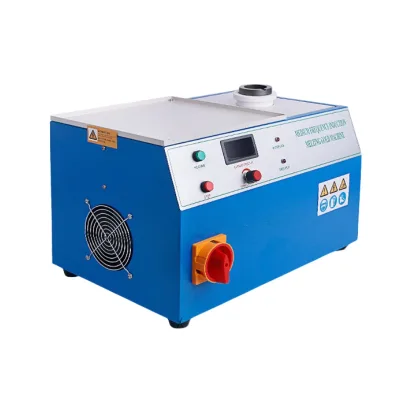
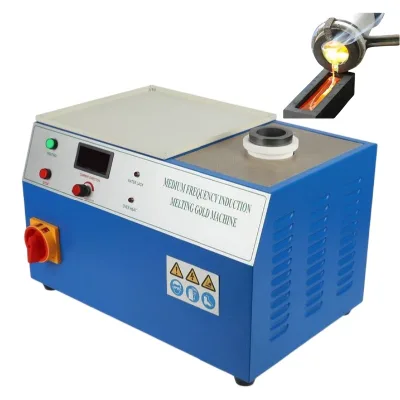
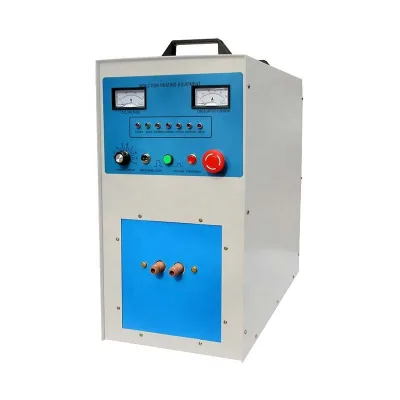
Platinum Iron Steel Aluminum Gold Metal Induction 2kg Gold Melting Furnace
$1000.00 - $1800.00
MOQ: 1 sets




Comprehensive Sourcing Guide
Gold Casting Induction Melting Furnace Sourcing Guide
Procuring induction melting furnaces for gold casting requires a disciplined approach to technical verification and supplier qualification. The market offers a diverse range of equipment, from semi-automatic units to fully CNC-controlled systems, each tailored to specific production volumes and metal types. Buyers must navigate a landscape where specifications vary significantly, with observed power ratings spanning from 15kw to 300kw and capacities ranging from small batches to one-ton loads. Understanding these variations is critical for aligning equipment capabilities with operational needs.
This guide provides evidence-based procurement strategies for sourcing reliable melting solutions. It focuses on verifying technical specifications, ensuring compliance with safety standards, and evaluating commercial terms. By adhering to structured verification steps, buyers can mitigate risks associated with equipment performance and after-sales support. The following sections detail the essential checks required to secure a furnace that meets quality, safety, and efficiency requirements for gold and other precious metal casting operations.
Product Scope and Observed Listing Signals
The current market presents a wide array of induction melting furnaces, with observed prices ranging from $260 to $80,000 USD. This broad spectrum reflects differences in capacity, automation level, and brand reputation. Listings frequently highlight features such as IGBT technology, water cooling systems, and electric gear motor tilting mechanisms. Buyers should note that while some units are marketed as "mini" furnaces with capacities under 500kg, others are designed for heavier industrial loads, requiring careful assessment of the rated capacity against actual production demands.
Customization is a common offering, with many suppliers providing tailored solutions for specific melting applications. Products are often described with attributes like "Special Casting" or "Crucible Melting Furnace," indicating their specialized nature. Packaging typically involves export-standard wooden cases or plywood crates to ensure safe transit. Buyers must verify that the listed condition is "New" and confirm the specific model numbers, such as QT-LS50KG or GW-1-750/1JJ, to ensure compatibility with existing facility infrastructure and power supplies.
Technical Specifications to Verify
Voltage and power requirements are primary technical considerations, with observed ranges of 380V to 480V and power outputs from 15kw to 300kw. Buyers must confirm that the furnace voltage matches their facility’s electrical infrastructure to prevent operational failures. Additionally, the frequency of operation is typically listed as 50/60Hz, which must align with local grid standards. Verifying the cooling method, often water cooling, is essential for maintaining furnace integrity during extended melting cycles, especially when handling high-temperature metals like gold and copper.
Control types vary from artificial manual operation to advanced CNC systems, impacting both ease of use and precision. Buyers should assess whether the tilting mechanism, whether electric gear motor, manual, or hydraulic, suits their workflow. The furnace body type, such as aluminum shell construction, and the quantity of furnace bodies, often listed as two pieces, also influence maintenance and replacement costs. Confirming the melting time, which can range from 20 to 60 minutes, helps in planning production schedules and estimating energy consumption per batch.
Compliance and Safety Documentation
Certification is a critical factor in ensuring equipment safety and regulatory compliance. Observed listings frequently cite certifications such as CE, CCC, UL, and ISO, which indicate adherence to international safety and quality standards. Buyers must verify the validity of these certifications and ensure they are applicable to the specific model and destination country. The presence of ISO9001:2008 or similar quality management certifications suggests a structured approach to manufacturing, which can be indicative of consistent product quality and reliability.
Safety features and documentation should be thoroughly reviewed before purchase. Buyers should request machinery test reports, which are often provided by suppliers, to validate performance and safety metrics. Additionally, confirming that the equipment meets advanced national standards or specific industry benchmarks is crucial. Ensuring that the furnace includes necessary safety interlocks and emergency stop mechanisms is vital for protecting operators and preventing accidents during high-temperature melting processes.
Cost Drivers and Commercial Terms
The cost of an induction melting furnace is influenced by several factors, including power capacity, automation level, and brand. Observed minimum order quantities (MOQ) are typically one unit, allowing for flexible purchasing. However, buyers should be aware that higher power ratings and advanced features like CNC control or hydraulic tilting may significantly increase the price. Understanding the total cost of ownership, including energy consumption and maintenance, is essential for making an informed procurement decision.
Warranty and after-sales service are key commercial terms that impact long-term value. Most suppliers offer a one-year warranty, but buyers should clarify the scope of coverage and response times. Availability of engineers for overseas service is a valuable feature, ensuring timely support for technical issues. Buyers should also consider the cost of spare parts and the ease of obtaining them, as these factors can affect downtime and operational efficiency over the life of the equipment.
Supplier Qualification and Quality Control
Supplier location and origin are important indicators of manufacturing capability, with many suppliers based in Shanghai, China. Buyers should verify the supplier’s production capacity and quality control processes to ensure consistent product quality. Core components such as PLCs and bearings should be of reputable brands to ensure reliability and longevity. Requesting detailed specifications and component lists can help buyers assess the quality of the equipment and identify potential areas for future maintenance or replacement.
Brand reputation and customer feedback are valuable indicators of supplier reliability. Buyers should research the brand name, such as China Electric or Shanghai Fortune Electric, to gauge market standing and customer satisfaction. Checking for provided machinery test reports and customer references can provide additional assurance of product performance. Engaging with suppliers who offer comprehensive technical support and training can also enhance the buying experience and ensure proper equipment operation.
Long-Term Procurement Checks
Energy efficiency is a critical long-term consideration, with some furnaces claiming to save at least 20% energy compared to SCR types. Buyers should verify these claims through independent testing or customer testimonials to ensure accurate performance data. Efficient energy use not only reduces operational costs but also contributes to sustainability goals. Evaluating the furnace’s ability to handle various metals, such as iron, steel, and copper, can also provide flexibility in production capabilities.
Maintenance requirements and spare part availability are essential for long-term operational success. Buyers should establish a relationship with the supplier for ongoing support and ensure that spare parts are readily available. Regular maintenance schedules and training for operators can extend the lifespan of the furnace and prevent unexpected downtime. By focusing on these long-term factors, buyers can maximize the return on investment and ensure consistent performance in their gold casting operations.
FAQs
What certifications are available for gold casting induction melting furnaces?
Available certifications include CE, CCC, UL, ISO, ISOGS, SGS, and RoHS. These documents verify compliance with international safety and quality standards. Buyers should request specific certificates from suppliers to ensure the equipment meets local regulatory requirements for industrial operations and electrical safety.
Can the furnace be customized for specific production needs?
Yes, customization is available for various production requirements. Manufacturers offer tailored solutions including specific power ratings from 15kw to 300kw and customized capacities. Buyers can specify unique dimensions or control types to ensure the equipment integrates seamlessly into their existing facility infrastructure and workflow.
What is the typical voltage range for these melting furnaces?
The typical voltage range is 380 V to 480 V. This standard industrial power supply ensures compatibility with most factory electrical systems. Buyers must verify their facility's power output matches these specifications before installation to prevent electrical issues and ensure optimal furnace performance during operation.
How long is the warranty period for the equipment?
The standard warranty period is one year. This coverage typically includes parts and labor for manufacturing defects. Buyers should confirm the exact warranty terms with the supplier, as after-sales service may include engineers available to service machinery overseas for more complex technical issues.
What is the minimum order quantity for these furnaces?
The minimum order quantity is one unit. This low MOQ allows buyers to purchase single units for testing or small-scale operations. It provides flexibility for businesses that need specific equipment without committing to large bulk orders, making it suitable for various industrial scales.
Where are these induction melting furnaces manufactured?
These furnaces are manufactured in Shanghai, China. The region is known for its advanced industrial manufacturing capabilities. Buyers can expect products to meet advanced national standards and international certifications, ensuring reliable quality and performance for global industrial applications and specific melting requirements.