Source Recyclable Paperboard Perm Paper for Books and Magazines
Find 30 listings for Recyclable Paperboard Perm Paper suitable for books, catalogs, and cosmetics. Compare options featuring moisture-proof, greaseproof, and die-cut paper properties from Chinese manufacturers to find the best fit for your packaging needs; compare the available evidence and request quotations based on your requirements.
Updated
Key considerations
Products List

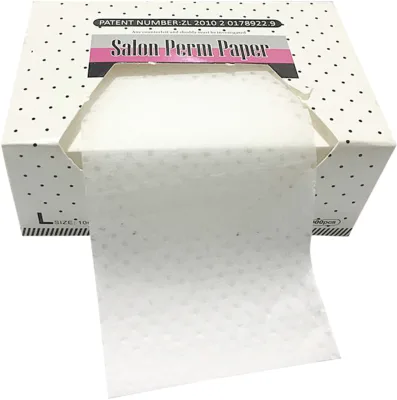



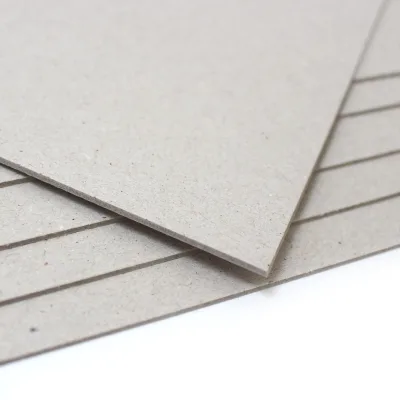
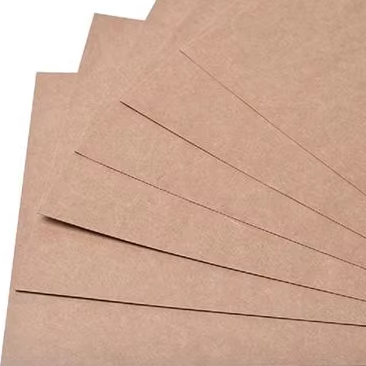



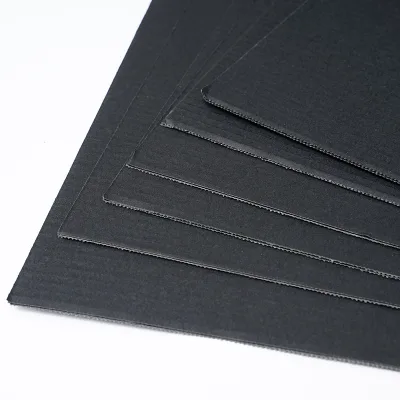
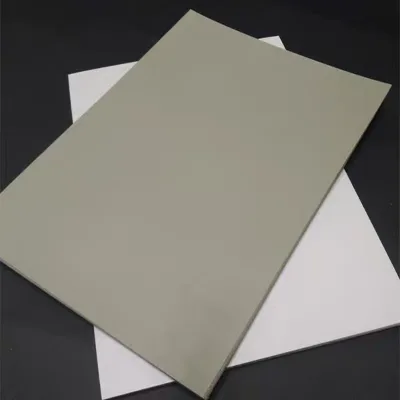





Comprehensive Sourcing Guide
Recyclable Paperboard Perm Paper Sourcing Guide
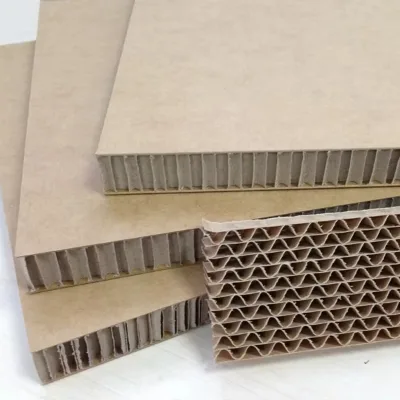
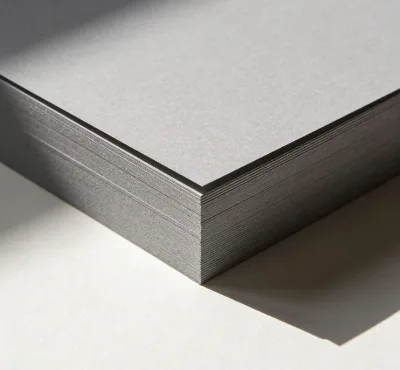
Buyers evaluating Recyclable Paperboard Perm Paper must first distinguish between double-wall corrugated variants and virgin pulp copy papers, as the supplied data reveals distinct material compositions. One product category features a double-wall corrugated structure with moisture-proof and greaseproof attributes, while another is explicitly defined as 100% wood virgin pulp with high brightness and stiffness metrics. Understanding this divergence is critical because the intended application dictates whether a buyer requires the structural rigidity of corrugated board or the smooth, high-whiteness surface of coated copy paper for printing.
Procurement decisions should also account for the specific customization capabilities observed in the market, such as die-cut shapes and variable roll lengths. Some listings indicate a 60% speed advantage over traditional bubble or foam alternatives, suggesting potential efficiency gains in packaging workflows, while others focus on offset printing capabilities for newspapers or magazines. Buyers must verify if the specific perm paper variant supports their required printing mode, as some products are uncoated while others feature single-side kaolinite coating, directly impacting print quality and ink absorption.
Product Scope and Observed Listing Signals
The observed product range spans from basic uncoated paperboard to specialized coated variants, with prices fluctuating significantly based on material purity and processing. Listings show a wide price spectrum from $0.02 to $1580, reflecting differences between single-item paper boxes and bulk industrial rolls. Buyers should note that while some products are marketed as 100% recyclable and die-cut, others are classified strictly as pulp material for copier use, requiring careful alignment between the product description and the actual end-use requirement.
Listing signals also reveal diverse packaging formats, including single items, reams of 500 sheets, and custom roll lengths ranging from 5 to 250 meters. The physical dimensions vary from small 54x26x44 cm packages to large industrial rolls, with weights as low as 0.036 kg per unit. Sourcing teams must scrutinize the "Main Features" section of listings, as claims of being moisture-proof or anti-curl may apply only to specific corrugated types, whereas other entries explicitly state the product is not waterproof, creating a potential pitfall for buyers assuming universal performance.
Technical Specifications to Verify
Technical verification must begin with the pulp composition, as the data distinguishes between mechanical pulp, mixed pulp, and 100% wood virgin pulp. Buyers should confirm the brightness and whiteness levels, noting that some high-grade options offer a whiteness of 146-168% and brightness of 102-104%, which are essential for high-quality color reproduction in cosmetics or catalogues. Conversely, products with mechanical pulp may lack these optical properties, making them suitable only for industrial uses like newspapers where visual fidelity is less critical.
Stiffness and thickness are equally vital parameters that define the structural integrity of the paperboard. Specific listings cite stiffness values exceeding 105 in the machine direction and 45 in the cross direction, alongside a thickness of 80 GSM for certain corrugated types. Procurement teams must ensure these mechanical properties match the load-bearing requirements of the final application, whether it is for a composite plate, a carton, or a book binding, as the wrong stiffness can lead to product failure during transit or handling.
Compliance and Safety Documentation
While the supplied context mentions FSC certification as a background signal, buyers must treat this as a verification point rather than a guaranteed attribute of every listed product. Since specific certification status is not explicitly confirmed for all items in the provided data, sourcing teams should request valid FSC or equivalent chain-of-custody documentation from the supplier before finalizing orders. This step ensures that the "100% recyclable" and "recyclable pulp" claims align with recognized environmental standards required by corporate sustainability mandates.
Safety documentation should also address the chemical composition of coatings and adhesives, particularly for products used in food-adjacent applications like cosmetics or skincare packaging. Although some listings highlight greaseproof and waterproof features, the absence of explicit food-grade certification in the provided facts necessitates a request for material safety data sheets (MSDS). Buyers must verify that the kaolinite coating or other additives do not introduce hazardous substances, ensuring the final product meets the safety regulations of the destination market.
Cost Drivers and Commercial Terms
Cost structures are heavily influenced by the supply ability and the complexity of customization, with some suppliers offering 10,000 pieces per month while others handle large-scale roll orders. The observed MOQ range of 1 to 100,000 units indicates that buyers can source small batches for prototyping or large volumes for mass production, but the unit price will likely vary inversely with order quantity. Understanding these volume tiers is essential for budgeting, as the cost per unit for a single item differs drastically from the pricing of bulk rolls or reams.
Commercial terms must also account for the logistics of dispatch from specific Chinese origins like Zhejiang and Guangdong, with ports such as Guangzhou and Huangpu serving as key departure points. Lead times and shipping costs will depend on the single package size and gross weight, which can range from lightweight single items to heavier boxed reams. Buyers should clarify whether the quoted price includes packaging materials like paper boxes or if these are separate line items, as the supply chain efficiency can be impacted by the complexity of the packing configuration.
Supplier Qualification and Quality Control
Supplier qualification requires a rigorous check of the production origin and brand reputation, as the data lists specific brands like TIANBA and JCX alongside generic descriptions. Buyers should verify the supplier's ability to maintain consistent quality across different batches, especially given the variation in pulp styles and coating processes observed in the listings. A reliable supplier must demonstrate the capacity to adhere to the specified model numbers and standard roll lengths without deviation, ensuring that the product matches the technical specifications provided in the initial inquiry.
Quality control protocols should focus on the consistency of the coating side and the uniformity of the pulp material. Since some products are single-side coated while others are uncoated, the manufacturing process must be tightly controlled to prevent defects that could affect printing or structural performance. Buyers should request sample testing for key attributes like tear resistance and moisture proofing, ensuring that the "easy to tear" and "recycle" features are not merely marketing claims but are backed by consistent physical test results from the production line.
Long-Term Procurement Checks
Long-term procurement strategies must include periodic re-verification of the product's recyclability and environmental impact, as market standards for sustainability evolve rapidly. Buyers should establish a schedule to audit the supplier's supply chain to ensure that the "100% recyclable" and "die-cut paper" claims remain valid over time. This proactive approach helps mitigate the risk of supply chain disruptions caused by changing environmental regulations or shifts in raw material availability, such as the transition from mixed pulp to virgin wood pulp.
Finally, buyers should monitor the performance of the paperboard in real-world applications to validate the initial claims of speed and efficiency. If a product is marketed as being 60% faster than bubble or foam alternatives, this metric should be tracked against actual operational data to confirm the efficiency gains. Continuous feedback loops between the procurement team and the end-users will ensure that the selected Recyclable Paperboard Perm Paper continues to meet the functional and economic requirements of the business over the long term.
FAQs
What is the material composition of this perm paper?
The perm paper is made from 100% die-cut paper and is fully recyclable. It features a double-wall corrugated paperboard structure that provides durability. The material is designed to be moisture-proof, waterproof, and greaseproof, ensuring protection for cosmetics and skincare items during storage and transit.
Can the perm paper be customized for specific branding needs?
Yes, customization is available for this product. Buyers can request specific shapes, sizes, and printing modes to match their brand identity. The product supports card printing and allows for tailored dimensions, making it suitable for various applications including books, catalogues, and magazines with unique packaging requirements.
What are the key features of the double-wall corrugated paperboard?
The double-wall corrugated paperboard is moisture-proof, anti-curl, waterproof, and greaseproof. It is made of 100% recyclable material and is easy to tear for convenient use. The design offers 60% faster processing than bubble or foam alternatives, providing an efficient and sustainable packaging solution for industrial use.
What is the thickness and standard specification of the paper?
The paper has a thickness of 80GSM and is available in standard lengths of 5, 10, 30, 50, 100, 200, or 250 meters. Custom lengths are also supported. The product is supplied in rolls and is suitable for applications requiring precise dimensional stability and consistent quality for printing and packaging processes.
Where is the perm paper manufactured and what is the supply ability?
The perm paper is manufactured in China, with origins in Zhejiang and Guangdong provinces. The supply ability is 10,000 pieces per month. Products are dispatched from Guangzhou or Huangpu ports, ensuring reliable logistics for international buyers seeking consistent supply of high-quality recyclable paperboard products for their packaging needs.