Find GPS Bluetooth Car Dashboard Player for fleet, taxi, and delivery
Source 30 units of GPS Bluetooth Car Dashboard Player featuring 7-inch screens, 12/24V voltage, and CE certification. Buyers can compare models like LJW899 and MS-4107 with GPS, radio, and Bluetooth combinations for various vehicle applications.
Key considerations
Products List


Manufacturer Direct Sales CD Multifunctional Loud Portable Mobile Car DVD TV Player
$37.18 - $41.80
MOQ: 30 Pieces


Touch Screen GPS Bluetooth WiFi Car Multimedia Stereo Radio Car Android Player
$28.00 - $34.00
MOQ: 1 Pieces

9 Inch Touch Screen Android Car Multimedia Player with GPS Carplay FM Bluetooth
$58.00 - $70.00
MOQ: 1 Pieces


Android Car Stereo Radio Bluetooth GPS Navigation Multimedia Player Car Audio
$65.00 - $72.00
MOQ: 1 Pieces

Car Stereo Audio Player 2 DIN Android Touch Screen GPS Bluetooth Car Multimedia
$28.00 - $34.00
MOQ: 1 Pieces


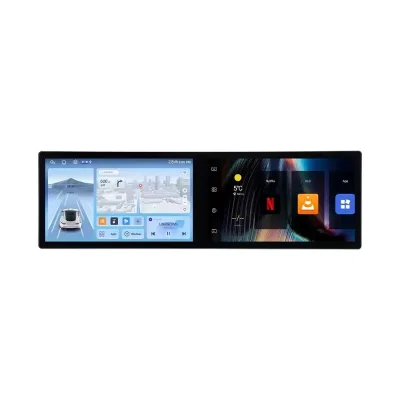


Car 2DIN Universal MP3/MP4/MP5 Music Player, Car Dashboard Radio Player
$16.98 - $29.80
MOQ: 500 Pieces
Comprehensive Sourcing Guide
Strategic Sourcing Guide for GPS Bluetooth Car Dashboard Players
The global automotive electronics market has seen a significant surge in demand for integrated in-vehicle infotainment systems, particularly those combining navigation, audio streaming, and connectivity. For procurement professionals targeting the core keyword "GPS Bluetooth Car Dashboard Player," the supply landscape offers a diverse array of options ranging from basic MP3 players to advanced multimedia units with video output capabilities. This guide provides a structured approach to sourcing these devices, focusing on technical verification, compliance standards, and supply chain reliability based on observed market data.
Technical Specifications and Functional Capabilities
When evaluating GPS Bluetooth car dashboard players, buyers must first distinguish between the functional requirements of the vehicle fleet and the specific capabilities of the unit. The observed product data indicates a strong prevalence of 7-inch screen sizes, with resolution varying between 480 pixels and 800 pixels depending on the model tier. This resolution variance is a critical cost driver; higher pixel counts generally correlate with sharper display quality but may require more robust processing power and potentially higher unit costs.
Connectivity is a primary differentiator in this category. The market data confirms that "Bluetooth" and "GPS" are standard combinations, often paired with MP3/MP4 player functionality and radio tuners. Some advanced models expand this combination to include TV reception capabilities, which necessitates specific antenna configurations and signal processing. Audio output specifications vary significantly, with some units offering digital audio coaxial outputs for high-fidelity external amplification, while others rely on standard L/R channel analog outputs. Buyers should verify the specific audio output type required for their vehicle's existing audio architecture to ensure seamless integration.
Video output is another essential technical parameter. While many units focus on audio and navigation, the data shows that video output is a common feature, supporting formats such as RM and M4V. This capability allows for rear-seat entertainment or backup camera integration, though it requires compatible video inputs in the vehicle. The power supply requirements are generally standardized, with most units operating on 12V or 24V systems, making them suitable for both passenger cars and commercial trucks. However, procurement teams must confirm the voltage compatibility of specific models to prevent electrical failures in mixed fleets.
Compliance and Certification Verification
Navigating the regulatory landscape is paramount for international procurement. The observed product listings frequently cite CE certification, indicating compliance with European health, safety, and environmental protection standards. This is a baseline requirement for selling in the European market. Furthermore, some models display BQB (Bluetooth Qualification Body) certification, which is crucial for ensuring that the Bluetooth functionality meets interoperability standards and does not interfere with other wireless devices.
RoHS (Restriction of Hazardous Substances) compliance is also evident in several product specifications, signaling that the manufacturing process adheres to restrictions on hazardous materials like lead and mercury. This is increasingly important for supply chains targeting environmentally conscious markets or regions with strict waste disposal regulations. Additionally, ISO certification is mentioned for certain suppliers, suggesting a commitment to quality management systems.
Buyers should not assume that all listed products possess every certification mentioned in the general market overview. Instead, the procurement strategy must involve a rigorous verification process where the specific certification documents for the ordered batch are requested and validated. The absence of a specific certification on a product page does not necessarily indicate non-compliance, but it does require a direct inquiry to the supplier to confirm the status before placing an order.
Cost Drivers and Pricing Dynamics
The pricing for GPS Bluetooth car dashboard players exhibits a wide range, observed between $5.50 and $246.31 USD. This substantial variance is driven by several factors, including screen resolution, the complexity of the feature set, and the quality of the internal components. A unit with a 480x7-inch screen and basic radio functionality will naturally fall at the lower end of the spectrum, while a model featuring an 800-pixel resolution, TV reception, and advanced video output capabilities will command a premium price.
The Minimum Order Quantity (MOQ) is another significant cost factor, ranging from 1 unit to 1000 units. Lower MOQs allow for smaller, more flexible orders, which is beneficial for testing the market or for smaller fleet operations, but they often come with a higher per-unit cost. Conversely, larger orders typically unlock volume discounts, reducing the average cost per unit. Buyers must balance their inventory needs against cash flow constraints to determine the optimal order size.
Packaging also influences the final landed cost. Some suppliers offer standard export cartons, while others provide gift box packaging combined with cartons, which may be necessary for retail distribution but adds to the overall weight and volume of the shipment. The standard packaging dimensions observed, such as 72.5x26x36 cm for 6 pieces or 67x42.5x32.5 cm for 12 pieces, are critical for calculating shipping logistics and freight costs.
Typical Applications and Market Segmentation
The versatility of these dashboard players allows them to serve a wide array of applications. The "Applicable Models" specification often lists "All," suggesting a universal fit for various vehicle types, from compact cars to larger commercial vehicles. The "Main Sales Area" data highlights strong demand in Africa, Europe, and South America, indicating that these products are well-suited for markets where vehicle retrofitting is common.
Placement options vary between dashboard and headrest configurations. Dashboard units are the primary choice for driver-centric navigation and audio, while headrest units are designed for rear-passenger entertainment. The choice between these placements depends on the specific use case of the vehicle fleet. For example, a taxi service might prioritize dashboard units for the driver, while a shuttle bus operator might require headrest units for passenger comfort.
The "Color" attribute is predominantly black, which is a standard choice for automotive interiors to ensure a neutral aesthetic. However, some models offer "7 Changed Color" display options, allowing for customization to match vehicle interior themes. This level of customization is a key selling point for buyers targeting specific branding or aesthetic requirements.
Supplier Evaluation and Origin Analysis
When evaluating potential suppliers, the "Country of Origin" is a critical data point. The majority of the observed products originate from China, specifically from regions like Jiangmen. This concentration of manufacturing hubs suggests a mature supply chain with established logistics networks. However, buyers should verify the specific factory location and production capacity to ensure reliability.
Supplier evaluation should also focus on the "Customization" availability. The data indicates that customization is available, which is a significant advantage for buyers looking to brand the units or modify specifications for specific markets. The ability to customize packaging, such as the "Gift Box+Carton" option, adds value for retail-oriented buyers.
It is essential to assess the supplier's ability to handle the "Standard" packaging requirements, such as the specific carton counts (e.g., 20PCS/CARTON or 12pcs/CARTON). Inconsistent packaging standards can lead to shipping inefficiencies and increased damage rates. Buyers should request a detailed packing list and verify that the supplier can adhere to the agreed-upon packaging specifications to minimize logistical friction.
Quality Control and Long-Term Procurement
Quality control is a non-negotiable aspect of sourcing automotive electronics. Given the wide range of prices and specifications, buyers must implement a robust inspection regime. This includes verifying the "Resolution" and "Screen Size" against the ordered specifications to ensure that the delivered units match the purchase order. Visual inspection of the "Display Color" and physical build quality is also necessary to detect any defects.
Long-term procurement considerations involve the availability of spare parts and software updates. While the current data does not explicitly detail software support, the presence of "Bluetooth" and "GPS" features implies a need for firmware maintenance. Buyers should inquire about the supplier's policy on firmware updates and the availability of replacement components for the "Audio Output" and "Video Output" modules.
The "Remote" control feature, observed in some models, adds to the user experience but introduces another component that must be durable. Ensuring that the remote control is included and functional is part of the quality assurance process. Additionally, the "Support Format" capabilities, such as MP3, MP4, and M4V, should be tested to confirm compatibility with the intended media files.
Summary of Key Product Attributes
To facilitate quick decision-making, the following table summarizes the key attributes observed in the market data for GPS Bluetooth car dashboard players.
| Attribute Category | Observed Specifications | Notes for Verification |
|---|---|---|
| Screen Resolution | 4807 Inch, 8007 Inch | Verify pixel density and display clarity. |
| Connectivity | Bluetooth, GPS, Radio, TV, MP3/MP4 | Confirm specific supported protocols. |
| Audio Output | Digital Audio Coaxial, L/R Channel | Match with vehicle audio system. |
| Power Supply | 12V, 24V | Ensure compatibility with vehicle voltage. |
| Certifications | CE, BQB, RoHS, ISO | Request valid certificates for each batch. |
| Placement | Dashboard, Headrest | Select based on vehicle type and usage. |
| Packaging | Carton, Gift Box+Carton | Check carton dimensions for shipping. |
| Origin | China (Jiangmen) | Verify factory location and capacity. |
| Customization | Available | Discuss branding and spec modifications. |
In conclusion, sourcing GPS Bluetooth car dashboard players requires a meticulous approach that balances technical specifications with regulatory compliance and supply chain reliability. By focusing on the verified attributes such as resolution, connectivity, and certification status, buyers can make informed decisions that align with their operational needs. The wide range of options available allows for tailored solutions, but the responsibility lies with the procurement team to validate every claim and ensure that the final product meets the rigorous standards required for automotive applications.
FAQs
What certifications do gps bluetooth car dashboard players typically have?
Most units carry CE certification, with some models also holding BQB and RoHS marks. ISO certification is available for select suppliers. Buyers must verify specific certificates for each batch before ordering to ensure compliance.
How does screen resolution affect the price of these players?
Resolution varies between 480 and 800 pixels on 7-inch screens, directly influencing cost. Higher pixel counts generally result in higher prices due to better display quality and processing requirements. Prices range from 5.5 to 246.31 USD based on these specs.
Can these players operate on both 12V and 24V systems?
Yes, the majority of models support both 12V and 24V voltage inputs. This makes them suitable for passenger cars and commercial trucks. Always confirm the specific voltage requirement of the unit to prevent electrical failures in mixed fleets.
Which audio output formats are supported by these devices?
Audio outputs include Digital Audio Coaxial for high-fidelity systems and standard L/R Channel analog outputs. Buyers should match the output type to their vehicle's existing audio architecture to ensure seamless integration and sound quality.
What customization options are available for these dashboard players?
Customization is available for branding and specification modifications. Suppliers offer options like Gift Box plus Carton packaging for retail needs. Buyers can discuss specific branding requirements and packaging dimensions to align with their distribution strategy.
Where are these products primarily manufactured and shipped from?
Products originate from China, with specific manufacturing hubs located in Jiangmen. The main sales areas include Africa, Europe, and South America. Buyers should verify factory locations to ensure supply chain reliability and logistics efficiency.
What is the typical minimum order quantity for these units?
The minimum order quantity ranges from 1 to 1000 units depending on the supplier. Lower MOQs allow for flexible testing but may have higher per-unit costs. Larger orders typically unlock volume discounts to reduce average costs.