Source GPS Watcher Devices for Tracking, Safety, and Monitoring
Explore 30 GPS Watcher options for asset tracking, personal safety, and fleet monitoring. Compare features like wireless transmission, water resistance, and battery life to find the right solution for your needs; compare the available evidence and request quotations based on your requirements.
Key considerations
Products List


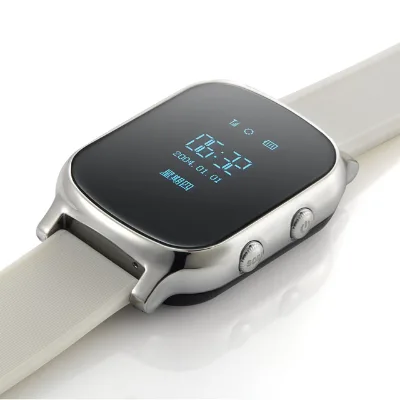
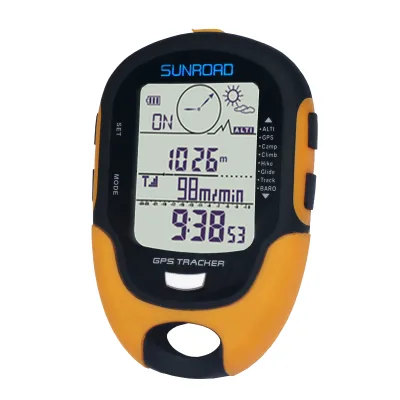
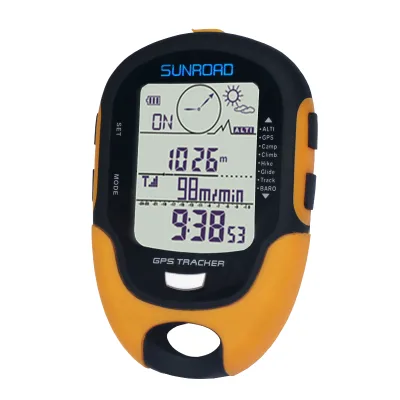


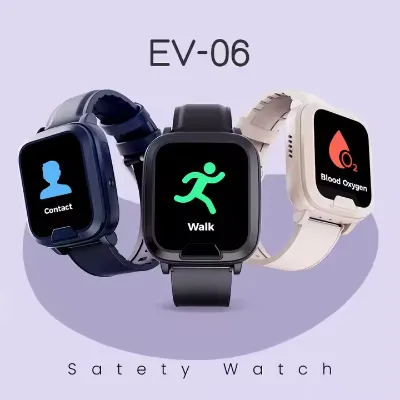
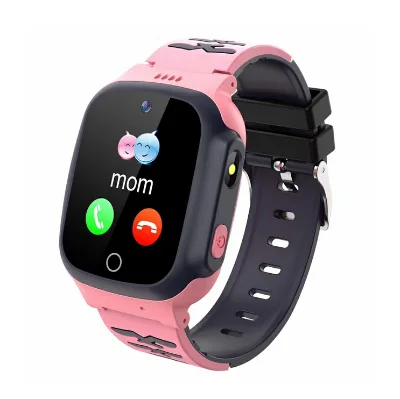
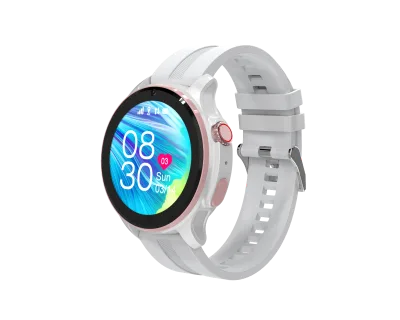
Best Selling GPS Watches with Camera Video Calling 4G Sos Adult Watches GPS Tracker
$36.50 - $38.50
MOQ: 100 Pieces


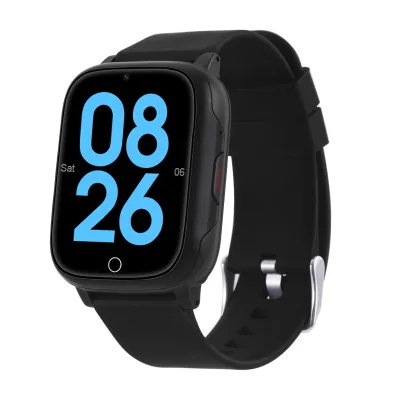


Comprehensive Sourcing Guide
GPS Watcher Sourcing Guide
The global market for GPS tracking devices spans diverse applications, from personal safety wearables to industrial asset monitoring. Buyers must distinguish between consumer-grade trackers designed for elderly care and robust units intended for fleet management. The observed product landscape includes devices with integrated cellular capabilities like 3G and WiFi, alongside specialized home alarm systems that utilize wireless transmission for emergency alerts. Understanding these distinct categories is the first step in defining a procurement strategy that aligns with specific operational needs.
Procurement decisions should prioritize the intended usage environment, as this dictates the necessary durability and connectivity features. While some units are marketed for indoor emergency use with specific alarm volumes, others are built for outdoor communication with water resistance and larger screens. Buyers should verify whether the device supports passive working modes or requires active transmission, as this impacts battery life and installation complexity. Clarifying the primary function, such as heart rate monitoring versus location tracking, ensures the selected hardware meets the actual operational requirements without unnecessary feature bloat.
Product Scope and Observed Listing Signals
Current listings reveal a wide variance in physical specifications, ranging from compact 1.75-inch screens to larger units with dimensions around 9.6 by 5.3 centimeters. The observed price points fluctuate significantly, suggesting differences in component quality, brand positioning, and included services like OEM customization. Buyers should note that some products are packaged in gift boxes for retail, while others arrive in standard cartons suitable for bulk industrial deployment. This variation in packaging and form factor often correlates with the target market, whether it is direct-to-consumer or B2B enterprise solutions.
Signal transmission methods vary across the catalog, with some devices operating on specific frequencies like 433.92MHz or 315MHz for wireless alarm zones. The presence of features such as Bluetooth and WiFi indicates a higher level of connectivity, potentially allowing for real-time data integration with mobile applications. However, buyers must carefully review the listed working principles, as some units rely on electro-acoustic styles while others function as passive sensors. Confirming the exact transmission mode and frequency is critical to ensure compatibility with existing security infrastructure or mobile networks.
Technical Specifications to Verify
Technical due diligence requires a close examination of battery specifications and power consumption profiles. Many observed units utilize DC3V CR2 batteries, which offer a specific energy density suitable for portable applications, while others may support different power sources. Buyers should verify the claimed operational distance, such as the 80-meter range noted for obstacle-free environments, to ensure it meets the coverage requirements of the intended site. Additionally, the alarm volume capabilities, ranging from 90dB to over 110dB, must be validated against local noise floor conditions to guarantee effective emergency signaling.
Connectivity and sensor integration are equally critical, particularly for devices claiming to monitor vital signs like heart rate and blood pressure. The presence of a large screen on some models suggests a need for direct user interaction, whereas screen-less units may rely entirely on remote monitoring systems. Buyers must confirm the number of wireless zones supported, as systems with three sensors offer limited coverage compared to expandable networks. Verifying the working mode, whether passive or active, helps determine the device's responsiveness and its suitability for continuous monitoring versus intermittent alert scenarios.
Compliance and Safety Documentation
Regulatory compliance is a non-negotiable aspect of sourcing electronic devices, with certifications like CE, FCC, and RoHS appearing frequently in product listings. These marks indicate adherence to electromagnetic compatibility and environmental standards, which are essential for market access in Europe, North America, and other regions. Buyers should request valid test reports to confirm that the specific batch of devices meets these standards, as certification claims can sometimes be generic rather than product-specific. Ensuring that the device carries the CCC mark is also vital for sales within the Chinese market.
Safety documentation must also address the specific application context, such as emergency alarms for elderly care or home intrusion systems. Products designed for indoor use may have different safety requirements compared to those intended for outdoor or industrial environments. Buyers should verify that the device includes appropriate warnings regarding battery handling and signal interference. Additionally, checking for ISO9001 certification can provide insight into the manufacturer's quality management processes, though this should be treated as a background indicator rather than a standalone guarantee of product safety.
Cost Drivers and Commercial Terms
Pricing structures in this sector are heavily influenced by the level of customization and the complexity of the communication protocols. Devices offering OEM/ODM services often command higher unit costs due to the engineering and tooling required for branding and feature modification. The observed MOQ ranges from single units to thousands, allowing buyers to scale orders based on their immediate needs and budget constraints. However, lower MOQs may come with a premium per unit, while larger volumes typically unlock more competitive pricing tiers.
Commercial terms should also account for the warranty period and after-sales support, which vary significantly across suppliers. Some listings explicitly state a two-year warranty, providing a baseline for expected product longevity and support coverage. Buyers must clarify what is included in the warranty, such as replacement parts or labor, and whether it covers manufacturing defects or accidental damage. Understanding the lead times and production capacity is also essential, especially when sourcing from regions like Shenzhen or Dongguang, to ensure timely delivery for critical deployment schedules.
Supplier Qualification and Quality Control
Supplier qualification should extend beyond basic certification checks to include an assessment of their manufacturing history and service capabilities. Established brands with a history dating back to the late 1990s often possess more refined quality control processes and supply chain stability. Buyers should verify the supplier's experience with specific product lines, such as GSM alarm systems or wearable health monitors, to ensure they have the technical expertise to support the project. Requesting references from previous clients in similar industries can further validate the supplier's reliability and performance consistency.
Quality control protocols must be clearly defined before production begins, including inspection points for critical components like batteries and sensors. Buyers should insist on pre-shipment inspections that verify the physical dimensions, screen quality, and alarm volume levels against the agreed specifications. Given the variation in observed product models, it is crucial to ensure that the final goods match the exact model numbers and standards listed in the purchase order. Implementing a robust acceptance criteria checklist helps mitigate the risk of receiving substandard or non-compliant units.
Long-Term Procurement Checks
Sustaining a successful procurement relationship requires ongoing monitoring of product performance and supplier responsiveness over time. Buyers should establish a feedback loop to track any recurring issues, such as battery degradation or connectivity failures, that may not have been apparent during initial testing. Regular audits of the supplier's production lines can help identify potential quality drifts before they impact the supply chain. Maintaining open communication regarding updates in technology or regulatory changes ensures that future orders remain compliant and competitive.
Strategic planning for long-term procurement involves evaluating the scalability of the current solution as operational needs evolve. As the business grows, the ability to expand wireless zones or integrate additional sensors becomes a key consideration for the chosen hardware. Buyers should assess the supplier's capacity to support these expansions without significant lead time increases or cost penalties. Developing a contingency plan for component shortages or supply chain disruptions ensures business continuity and protects the organization from unexpected operational downtime.
FAQs
What certifications do GPS Watcher devices typically hold?
Most GPS Watcher devices hold CE, FCC, and RoHS certifications to ensure regulatory compliance in international markets. These standards verify that the electronics meet safety and electromagnetic interference requirements. Some manufacturers also provide ISO certifications for quality management. Buyers should verify specific certificates for their target region before placing bulk orders to ensure smooth customs clearance and market entry.
Can gps watchers be customized for specific branding needs?
Yes, many suppliers offer OEM and ODM customization services for gps watchers. Buyers can often customize packaging, such as using gift boxes or color boxes, and adjust product colors like black or white. Some manufacturers provide branding options for the device casing or software interface. Customization availability depends on the supplier's capabilities and minimum order quantities, so early discussion is recommended.
What is the typical warranty period for GPS Watcher systems?
The standard warranty period for GPS Watcher systems is typically two years. This coverage usually includes defects in materials and workmanship under normal use. Buyers should confirm the specific warranty terms with the supplier, as policies may vary. Extended warranty options might be available for bulk purchases. Proper maintenance and adherence to usage guidelines are often required to keep the warranty valid.
How does the wireless transmission range of gps watchers work?
Wireless gps watchers typically operate within a range of up to 80 meters in open areas without obstacles. The devices use frequencies like 433.92MHz or 315MHz for signal transmission. This range allows for reliable communication between sensors and the main unit in indoor environments. Signal strength may decrease with physical barriers, so placement considerations are important for optimal performance and alarm reliability.
What packaging options are available for bulk GPS Watcher orders?
Common packaging options for gps watchers include gift boxes, color boxes, and standard cartons. Gift boxes are often used for retail-ready units, while cartons are preferred for bulk shipping to protect multiple units. The choice depends on the buyer's distribution channel and branding strategy. Suppliers usually specify the packing details in their product listings, ensuring safe transit and professional presentation for end consumers.
Which features are common in modern GPS Watcher devices?
Modern gps watchers often feature water resistance, Bluetooth connectivity, and WiFi capabilities. Some models include TFT displays and support 3G networks for enhanced communication. Functions may also include heart rate and blood pressure monitoring for health-focused applications. These features vary by model, so buyers should review specific product specifications to ensure the device meets their functional requirements and technical standards.