Source Gradient Tea AC Sunglasses for Fashion, Driving, and Outdoor Use
Compare 30 verified listings for Gradient Tea AC Sunglasses featuring acetate frames and polarized lenses. Buyers can evaluate customization options, frame colors, and packaging details from suppliers in China to find the right style for their needs; compare the available evidence and request quotations based on your requirements.
Key considerations
Products List


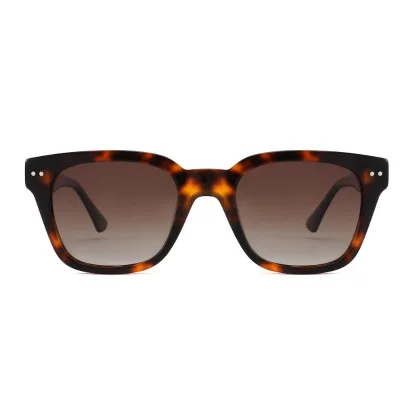


$33.00 - $35.00
MOQ: 1 Pieces


Comprehensive Sourcing Guide
Gradient Tea AC Sunglasses Sourcing Guide
Sourcing Gradient Tea AC Sunglasses requires a nuanced understanding of material properties and aesthetic trends that define this specific eyewear category. The term "ac" typically refers to acetate, a high-quality plastic derived from cotton fibers and wood pulp, which offers superior durability, flexibility, and a rich, layered appearance compared to standard injection-molded plastics. When combined with a gradient tea lens tint, these frames provide a sophisticated, vintage-inspired look that is highly popular in fashion-forward markets. Buyers must distinguish between genuine acetate and lower-cost alternatives like TR90 or standard ABS plastic, as the tactile feel, weight, and finish differ significantly. Understanding these material distinctions is crucial for ensuring that the final product meets the premium expectations of end-users who value both style and comfort in their eyewear accessories.
The visual appeal of gradient tea lenses lies in their ability to transition smoothly from a darker shade at the top to a lighter hue at the bottom, reducing glare while maintaining visibility in varying light conditions. This aesthetic is often paired with classic frame shapes, such as square or round designs, to create a versatile accessory suitable for unisex audiences. Procurement teams should focus on suppliers who demonstrate expertise in color matching and lens tinting consistency, as variations in the gradient effect can lead to high return rates. Additionally, the frame color, whether black, other neutral tones, or vibrant accents, must complement the tea gradient effectively. Buyers should request physical samples to evaluate the smoothness of the gradient transition and the overall harmony between the frame material and lens tint before committing to large-volume orders.
Product Scope and Observed Listing Signals
Market listings for Gradient Tea AC Sunglasses reveal a diverse range of product attributes that buyers must carefully evaluate to ensure alignment with their brand identity. Observed data indicates a wide price range, reflecting variations in material quality, lens technology, and customization options. Some listings highlight specific models such as S1087 or HS25612, which may feature acetate frames paired with polarized TAC lenses, offering enhanced visual clarity and UV protection. Other entries might specify alloy frames with glass lenses, catering to different durability and aesthetic preferences. It is essential to verify the exact material composition, as some suppliers may use generic terms that do not accurately reflect the product's quality. Buyers should scrutinize product descriptions for details on frame construction, lens optical attributes, and available color options to make informed sourcing decisions.
Customization plays a significant role in the sourcing landscape, with many suppliers offering OEM services and allowing modifications to logo, material, color, and shape. This flexibility enables brands to create unique products that stand out in competitive markets. However, customization often comes with minimum order quantities (MOQs) that can range from small batches to larger volumes, impacting inventory management and cash flow. Listings also indicate various packaging options, from individual OPP bags to carton boxes, which affect shipping costs and product protection. Buyers should assess the supplier's ability to handle custom requests efficiently while maintaining consistent quality standards. Understanding the specific model numbers and packaging details provided in listings helps in comparing suppliers accurately and negotiating terms that balance customization needs with cost efficiency.
Technical Specifications to Verify
Verifying technical specifications is critical to ensuring that Gradient Tea AC Sunglasses meet performance and safety standards. Key attributes to confirm include the frame material, lens material, and optical properties. For acetate frames, buyers should check for flexibility, resistance to cracking, and the quality of the hinge mechanism, which is often a point of failure in lower-quality products. Lens specifications should include UV protection levels, polarization status, and tint consistency. Some listings mention UVStyle lenses, which may indicate specific UV protection features, but buyers must request detailed test reports to verify compliance with international standards. Additionally, the base curve of the lenses, if applicable, should be checked to ensure proper fit and visual comfort for the target demographic.
Other technical details to verify include the package size, gross weight, and model numbers, which are essential for logistics planning and inventory management. Listings may provide specific dimensions, such as 18x8x9 cm per batch, and weights like 0.300 kg, which help in calculating shipping costs and storage requirements. Buyers should also confirm the selling units, such as multiples of 10, to align with their distribution channels. For products with specific design elements, such as square or round frames, verifying the exact dimensions and proportions ensures consistency across batches. It is advisable to request detailed technical datasheets from suppliers to cross-reference with internal quality standards and ensure that all specifications are met before production begins.
Compliance and Safety Documentation
Compliance and safety documentation are non-negotiable aspects of sourcing Gradient Tea AC Sunglasses, particularly for markets with strict regulatory requirements. Buyers must ensure that suppliers provide relevant certifications, such as CE marking, which indicates conformity with health, safety, and environmental protection standards for products sold within the European Economic Area. While some listings may mention CE certification, buyers should verify the validity and scope of these certificates to avoid potential legal issues. Additionally, suppliers should provide test reports from accredited laboratories confirming UV protection levels, lens impact resistance, and material safety. These documents are crucial for demonstrating product compliance to retailers and end-users, reducing the risk of product recalls or legal liabilities.
Beyond certifications, buyers should inquire about the supplier's quality management systems and adherence to international standards for eyewear manufacturing. This includes verifying that the materials used, such as acetate and TAC lenses, are free from harmful substances like lead or phthalates. Suppliers should be able to provide material safety data sheets (MSDS) and compliance statements for all components used in the product. For products intended for specific face shapes, such as oval or round faces, buyers should ensure that the design meets ergonomic standards for comfort and fit. Establishing a clear documentation requirement in the purchase agreement helps in maintaining accountability and ensuring that all products meet the necessary safety and compliance benchmarks.
Cost Drivers and Commercial Terms
Understanding the cost drivers and commercial terms is essential for effective budgeting and negotiation when sourcing Gradient Tea AC Sunglasses. The primary cost factors include the quality of materials, such as genuine acetate versus synthetic alternatives, and the complexity of the lens tinting process. Customization options, including logo printing and unique frame shapes, can significantly increase production costs and MOQs. Buyers should also consider the impact of packaging choices on overall costs, as premium packaging may add to the unit price but enhance product presentation. Additionally, shipping costs, influenced by package size and weight, play a crucial role in the total landed cost. Negotiating favorable terms, such as bulk discounts or flexible payment schedules, can help mitigate these expenses.
Commercial terms also encompass lead times, warranty policies, and after-sales support. Suppliers with established production capabilities may offer shorter lead times, which is beneficial for maintaining inventory levels and responding to market demand. Buyers should clarify the warranty period for defects in materials and workmanship, ensuring that any issues are addressed promptly. It is also important to discuss return policies for defective goods and the process for handling quality disputes. By understanding these commercial terms, buyers can make informed decisions that balance cost efficiency with product quality and supplier reliability. Clear communication of expectations and requirements in the purchase agreement helps in avoiding misunderstandings and ensuring a smooth procurement process.
Supplier Qualification and Quality Control
Supplier qualification and quality control are vital steps in mitigating risks associated with sourcing Gradient Tea AC Sunglasses. Buyers should conduct thorough due diligence on potential suppliers, including verifying their business licenses, production capacity, and past performance. Requesting references from existing clients and visiting the manufacturing facility, if possible, can provide valuable insights into the supplier's operational efficiency and quality management practices. It is also important to assess the supplier's ability to handle customization requests and maintain consistency across production batches. Suppliers with robust quality control processes, such as in-line inspections and final random inspections, are more likely to deliver products that meet specified standards.
Implementing a comprehensive quality control plan is essential to ensure that the final products meet buyer expectations. This plan should include pre-production samples approval, in-process inspections, and final random inspections based on accepted sampling standards. Buyers should define clear acceptance criteria for visual defects, material quality, and packaging integrity. Additionally, establishing a communication channel for addressing quality issues promptly helps in resolving problems before they escalate. Regular audits and performance reviews of suppliers can help in maintaining high standards and identifying areas for improvement. By prioritizing supplier qualification and rigorous quality control, buyers can build a reliable supply chain that delivers consistent, high-quality Gradient Tea AC Sunglasses.
Long-Term Procurement Checks
Long-term procurement checks are necessary to maintain supplier performance and product quality over time. Buyers should establish key performance indicators (KPIs) to monitor supplier reliability, including on-time delivery rates, defect rates, and responsiveness to issues. Regular performance reviews, conducted quarterly or annually, help in identifying trends and addressing any declining performance proactively. It is also important to stay updated on market trends and consumer preferences, as these can influence product design and material choices. Engaging in continuous dialogue with suppliers about future product developments and potential improvements fosters a collaborative relationship that benefits both parties.
Additionally, buyers should periodically reassess their supplier base to ensure competitiveness and resilience. Diversifying suppliers can mitigate risks associated with single-source dependencies, such as production disruptions or quality inconsistencies. Exploring new suppliers with innovative capabilities or cost advantages can provide opportunities for improvement and cost savings. It is also advisable to review and update procurement policies and contracts to reflect changes in market conditions, regulatory requirements, and business objectives. By implementing long-term procurement checks, buyers can ensure a sustainable and efficient sourcing strategy that supports their brand's growth and success in the competitive eyewear market.
FAQs
What frame materials are available for these sunglasses?
The product page lists acetate and alloy as the primary frame materials used for these fashion sunglasses. Some models also feature glass lenses paired with alloy frames, while others utilize acetate frames with TAC lenses for a lightweight design suitable for unisex wear.
Can I customize the logo and color of the sunglasses?
Yes, customization is available for logos, materials, colors, and shapes on these fashion sunglasses. The OEM service accepts custom items, allowing buyers to tailor the product design to their specific brand requirements while maintaining the core optical attributes like polarization or UV protection.
Which face shapes are suitable for these sunglasses?
These sunglasses are designed to be suitable for oval and round face shapes. The product attributes indicate a unisex style that accommodates various facial structures, ensuring a comfortable fit for a broad range of customers seeking fashion or vintage style eyewear.
What is the minimum order quantity for these sunglasses?
The observed minimum order quantity ranges from 1 to 900 units depending on the specific model and supplier. Some selling units are listed as multiples of 10, while others allow for single piece purchases, providing flexibility for different buyer needs and inventory strategies.
How are the sunglasses packaged for shipment?
Packaging options include carton boxes, OPP bags, and PP blister packs depending on the specific model. The gross weight per batch is typically around 0.300 kg, and package sizes vary, with some batches measuring 18x8x9 cm or 20x12x8 cm for efficient shipping.
Where are these sunglasses manufactured?
The products originate from multiple locations in China, including Shenzhen, Zhejiang, and Taizhou. These manufacturing hubs supply various models with different specifications, ensuring a diverse range of options for buyers looking for fashion sunglasses with specific frame and lens materials.
What lens optical attributes do these sunglasses offer?
The sunglasses feature polarized lenses and UV protection as key optical attributes. Some models also include specific lens colors like green or options labeled c1 through c4, catering to different lighting conditions and style preferences for unisex fashion eyewear.