Source Sports Sunglasses for Driving, Outdoor, and Party
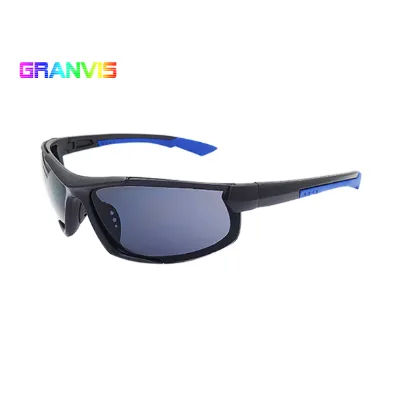
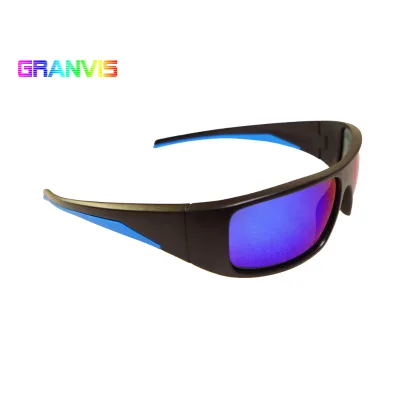
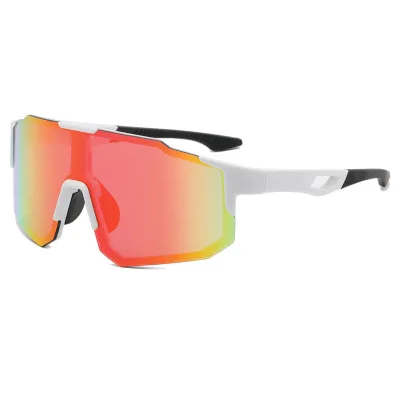
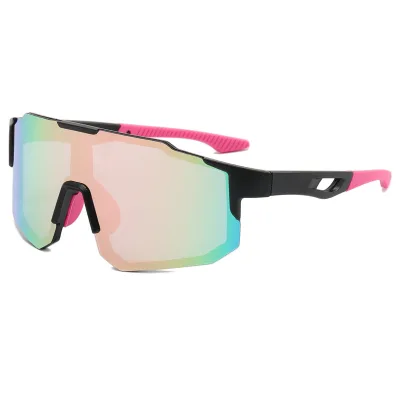
Compare 30 verified Sports Sunglasses from Chinese manufacturers. Buyers can evaluate frame materials, lens colors, and customization options for driving, outdoor activities, and parties. This selection includes various styles like half frame and goggles suitable for men, women, and unisex users with different face shapes.
Key considerations
Products List


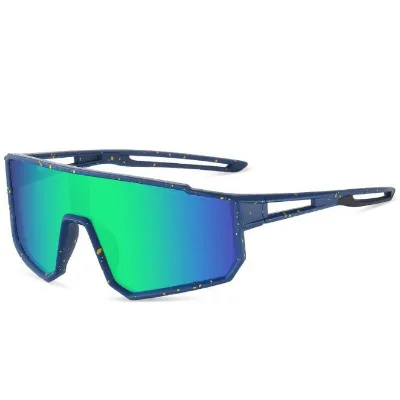


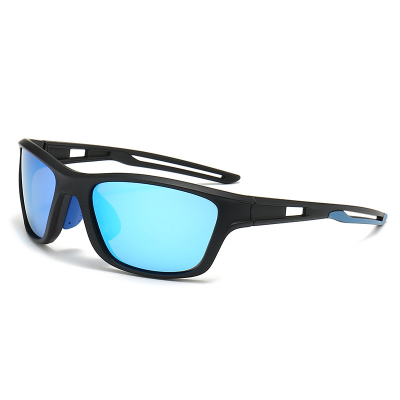

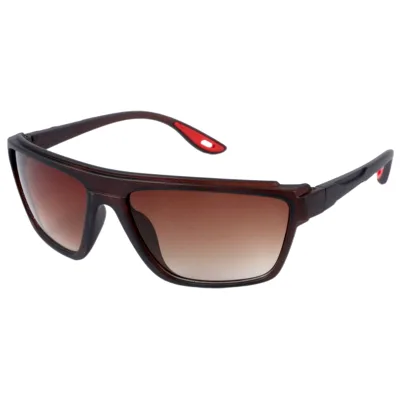
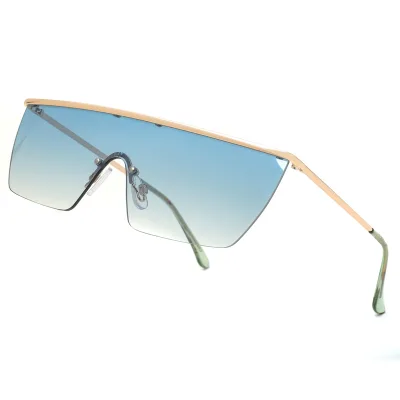


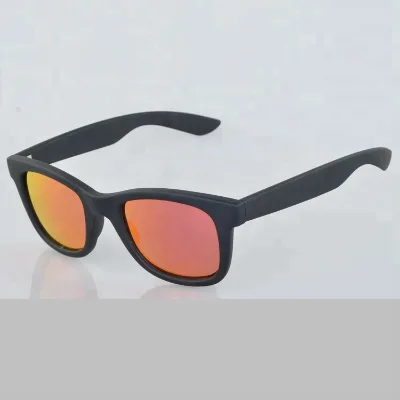
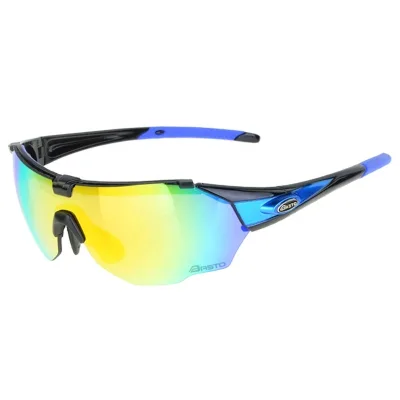


Comprehensive Sourcing Guide
Sports Sunglasses Sourcing Guide
Sourcing Sports Sunglasses requires a strategic balance between optical performance, durability, and aesthetic customization. Buyers must navigate a market where product attributes vary significantly across suppliers, from frame materials like polycarbonate and copper to lens colors such as yellow and smoke. The observed product landscape includes specialized designs tailored for specific face shapes, including long and oval faces, catering to both men and unisex demographics. Understanding these distinctions is critical for aligning procurement with end-user needs, ensuring that the selected eyewear meets the rigorous demands of active lifestyles while maintaining brand consistency.
The procurement process also involves evaluating commercial variables such as minimum order quantities and lead times, which can range widely from immediate availability to extended production periods. Suppliers often offer customization options, including logo placement and design modifications, which are essential for private label strategies. However, buyers must verify these claims against actual factory capabilities and quality control standards. By focusing on verified specifications and transparent supplier communication, procurement teams can mitigate risks associated with inconsistent product quality and ensure that the final goods meet the functional and aesthetic expectations of the target market.
Product Scope and Observed Listing Signals
The current market for Sports Sunglasses exhibits a diverse range of product types, including special sunglasses, visor styles, and goggles, each serving distinct functional purposes. Listings indicate a strong emphasis on customization, with many suppliers offering OEM and ODM services to accommodate specific brand requirements. The observed product attributes highlight a focus on specific design elements, such as half-frame styles and wide mirrors, which are often preferred for their aesthetic appeal and functional benefits in sports environments. Buyers should carefully review these attributes to ensure they align with the intended use case, whether for driving, outdoor activities, or party wear.
Material composition is another critical signal, with frames constructed from polycarbonate, plastic, and copper, each offering different durability and weight characteristics. The presence of UV protection and specific lens colors, such as yellow for enhanced visibility or smoke for glare reduction, further defines the product scope. Additionally, the origin of products, primarily from regions like Yiwu and Wenzhou in China, provides insight into the supply chain dynamics and potential logistics considerations. Buyers must assess these signals to determine the suitability of products for their specific market segments, ensuring that the selected items meet both performance standards and aesthetic preferences.
Technical Specifications to Verify
Verifying technical specifications is paramount to ensuring the functionality and safety of Sports Sunglasses. Key attributes to confirm include the frame material, lens optical properties, and overall weight, which directly impact comfort and durability during physical activities. For instance, polycarbonate frames are often preferred for their impact resistance, while copper frames may offer a different aesthetic and structural profile. Buyers should also verify the lens color and type, such as yellow or smoke, to ensure they provide the necessary visual enhancement for specific sports or conditions. These details are crucial for meeting the performance expectations of active users.
Additionally, the physical dimensions and packaging specifications must be scrutinized to ensure compatibility with distribution and retail requirements. Specifications such as size, weight, and packing methods, including OPP bags or boxes, influence logistics costs and product presentation. The presence of degree-free lenses indicates a standard optical configuration, but buyers should confirm if prescription options are available for niche markets. By meticulously verifying these technical details, procurement teams can avoid discrepancies between ordered and delivered goods, ensuring that the final products meet the precise requirements of the end-users and regulatory standards.
Compliance and Safety Documentation
Compliance with safety standards is a non-negotiable aspect of sourcing Sports Sunglasses, particularly for products intended for active use. Buyers must ensure that suppliers provide documentation verifying adherence to relevant safety regulations, such as impact resistance and UV protection standards. While specific standards like ASTM F803 or EN 166 may be referenced in the broader category, buyers should verify the exact certifications applicable to their target markets. This verification process helps mitigate legal risks and ensures that the products meet the safety expectations of consumers and regulatory bodies.
Furthermore, quality control documentation, including test reports and inspection certificates, should be requested to validate the supplier's commitment to product safety. Standards such as CE, FDA, and SGS, if mentioned, indicate a level of regulatory compliance, but buyers must confirm the scope and validity of these certifications. It is essential to understand that these standards may vary by region, and buyers should align their compliance requirements with the specific regulations of their destination markets. By prioritizing compliance and safety documentation, procurement teams can protect their brands from potential liabilities and ensure the trust of their customers.
Cost Drivers and Commercial Terms
Understanding the cost drivers in Sports Sunglasses procurement is essential for effective budget management and negotiation. Factors such as material quality, customization complexity, and order volume significantly influence pricing. For example, custom logo printing and unique design features may incur additional costs, while larger order volumes can lead to economies of scale. Buyers should also consider the lead times associated with production, as longer lead times may impact inventory management and cash flow. Transparent communication regarding these cost drivers is crucial for establishing realistic budget expectations and avoiding unexpected expenses.
Commercial terms, including minimum order quantities and payment conditions, also play a vital role in the procurement process. Suppliers may offer flexible MOQs to accommodate different business sizes, but buyers must assess whether these terms align with their sales forecasts and storage capabilities. Additionally, the availability of customization services, such as ODM and OEM, can add value but may require higher initial investments. By carefully evaluating these commercial terms, buyers can optimize their procurement strategy, ensuring that they secure the best possible value while maintaining operational efficiency and financial stability.
Supplier Qualification and Quality Control
Supplier qualification is a critical step in ensuring the reliability and consistency of Sports Sunglasses procurement. Buyers should conduct thorough due diligence to assess the supplier's manufacturing capabilities, quality control processes, and track record. This includes verifying the supplier's factory status and their ability to meet specific customization requirements. A robust quality control system is essential for maintaining product consistency and minimizing defects, which can impact brand reputation and customer satisfaction. Buyers should request samples and conduct pre-shipment inspections to validate the supplier's quality standards.
Moreover, establishing clear communication channels and performance metrics with suppliers is vital for long-term partnership success. Regular audits and feedback loops can help identify areas for improvement and ensure that the supplier remains aligned with the buyer's expectations. Buyers should also consider the supplier's responsiveness and flexibility in addressing issues, as these factors can significantly impact the overall procurement experience. By prioritizing supplier qualification and quality control, procurement teams can build a resilient supply chain that delivers high-quality products consistently and supports their business objectives.
Long-Term Procurement Checks
Long-term procurement success in the Sports Sunglasses market requires continuous monitoring and adaptation to changing market dynamics. Buyers should regularly review supplier performance metrics, including delivery times, product quality, and responsiveness, to ensure ongoing alignment with business goals. This proactive approach allows for early identification of potential issues and facilitates timely corrective actions. Additionally, staying informed about industry trends and technological advancements can help buyers identify opportunities for innovation and differentiation in their product offerings.
Furthermore, maintaining strong relationships with suppliers and fostering open communication is essential for navigating challenges and seizing opportunities. Buyers should engage in regular strategic reviews to assess the effectiveness of their procurement strategies and make necessary adjustments. This includes evaluating the cost-effectiveness of current suppliers and exploring alternative options if needed. By implementing robust long-term procurement checks, buyers can ensure the sustainability and competitiveness of their Sports Sunglasses sourcing operations, ultimately driving growth and success in their respective markets.
FAQs
What frame materials are available for Sports Sunglasses?
Sports Sunglasses are available in PC, plastic, and copper frame materials. PC frames offer lightweight durability for active use. Plastic frames provide fashion-forward styles suitable for casual wear. Copper frames deliver a premium metallic finish. Buyers can select materials based on weight preferences, aesthetic needs, and specific usage scenarios for optimal performance and comfort.
Can I customize the logo on Sports Sunglasses?
Yes, logo customization is available for many Sports Sunglasses models. Suppliers offer OEM and ODM services to provide custom designs. This allows brands to add their unique identity to the product. Customization supports marketing efforts and brand recognition. Buyers should confirm specific customization options and lead times with manufacturers to ensure alignment with their branding requirements and production schedules.
What certifications do Sports Sunglasses meet?
Sports Sunglasses may meet CE, FDA, and SGS standards. These certifications indicate compliance with safety and quality regulations. Buyers should verify specific certification documents for each product model. Certifications ensure the products meet international market requirements. This verification is crucial for importing goods and ensuring consumer safety. Always request valid certification copies from suppliers before placing orders.
What is the typical packaging for Sports Sunglasses?
Sports Sunglasses are typically packed in OPP bags or OPP boxes. Some models use bulk packaging with 12 pieces per box and 300 pieces per carton. Packaging protects the product during shipping and storage. Buyers can choose packaging based on retail needs or wholesale distribution. Custom packaging options may be available for larger orders to enhance brand presentation and product protection.
Which face shapes are suitable for these sunglasses?
These sunglasses are suitable for long, oval, and unisex face shapes. Specific models are designed for men or women. Half-frame and wide mirror styles offer versatile fits. Buyers should consider face shape when selecting frames. This ensures comfort and aesthetic appeal. Product descriptions often specify suitable face shapes to help buyers make informed decisions based on their personal features.
What is the lead time for custom orders?
Lead times for custom Sports Sunglasses orders typically range from 30 to 50 days. This duration accounts for design, production, and quality control. Buyers should plan their inventory accordingly to avoid stockouts. Lead times may vary based on order volume and customization complexity. Confirming exact timelines with suppliers ensures timely delivery and aligns with market launch schedules.