Source Polarized Sports Sunglasses for Cycling, Running, and Skiing
Compare 30 listings of Polarized Sports Sunglasses from verified suppliers. Buyers can evaluate frame materials, lens types, and customization options for cycling, running, and skiing applications with transparent pricing and MOQ details; compare the available evidence and request quotations based on your requirements.
Key considerations
Products List


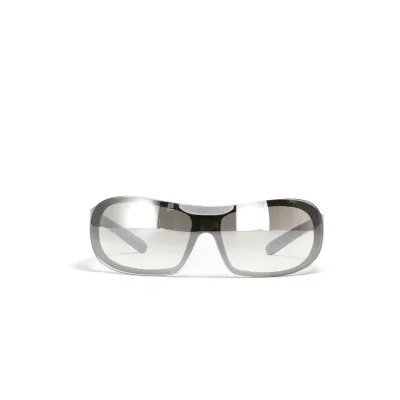


Comprehensive Sourcing Guide
Polarized Sports Sunglasses Sourcing Guide
Sourcing Polarized Sports Sunglasses requires a disciplined approach to balancing optical performance with rugged durability. Buyers must distinguish between general fashion eyewear and equipment designed for high-intensity activities like cycling, running, or skiing. The core value proposition lies in the lens technology, which reduces glare and enhances contrast, but this benefit is only realized if the frame construction can withstand physical stress. Procurement teams should prioritize suppliers who demonstrate expertise in both lens coating processes and frame material engineering.
This guide focuses on verifying the technical integrity of the supply chain rather than aesthetic trends. It addresses the critical intersection of material science, regulatory compliance, and commercial terms. By adhering to the structured verification steps outlined below, buyers can mitigate risks associated with poor optical clarity, frame breakage, or non-compliant materials. The objective is to establish a sourcing strategy that ensures consistent product quality and reliable delivery schedules for B2B clients.
Product Scope and Observed Listing Signals
The current market landscape for Polarized Sports Sunglasses reveals a diverse range of product configurations, with observed price points ranging from $0.50 to $19.99 USD. This wide variance suggests significant differences in material quality, lens technology, and manufacturing complexity. Buyers should note that lower price points often correlate with basic plastic frames and standard TAC lenses, while higher tiers may involve polycarbonate frames and advanced optical treatments. Understanding this spectrum is essential for aligning supplier quotes with specific brand positioning and target customer expectations.
Listing signals indicate a strong emphasis on customization and OEM/ODM capabilities, with many suppliers offering custom logos and packaging solutions. The observed minimum order quantities (MOQs) range from 2 to 1,200 units, providing flexibility for both small batch testing and large-scale production runs. Common product attributes include unisex designs, various frame colors, and specific styles such as visor or square frames. Buyers must carefully cross-reference these listing details with actual product samples to ensure that advertised features like polarization and UV protection are genuinely implemented in the final goods.
Technical Specifications to Verify
Verifying lens material and optical attributes is the most critical technical step in the sourcing process. Trusted category knowledge indicates that TAC and polycarbonate are common lens materials, with TAC offering good impact resistance and polycarbonate providing superior durability. Buyers must confirm that lenses are truly polarized and offer 100% UV protection, as these claims are frequently exaggerated in listings. Additionally, the frame material, often listed as PC or plastic, should be evaluated for flexibility and resistance to deformation under stress, especially for sports applications where impact is likely.
Frame geometry and sizing specifications also require rigorous verification to ensure fit and comfort for end-users. Observed standards include specific dimensions such as 1.9"x16.4" for bands or 24cm-28cm for adjustable fits, which cater to different head shapes and activity requirements. Buyers should request detailed technical drawings or physical samples to assess the hinge mechanism, nose pad comfort, and overall structural integrity. It is also important to verify the packaging standards, such as 1PCS/Paper Box or CTN, to ensure that products arrive in pristine condition and meet retail presentation requirements.
Compliance and Safety Documentation
Regulatory compliance is non-negotiable for sports eyewear, particularly when targeting markets with strict safety standards. Buyers must ensure that suppliers can provide valid certifications such as CE, FDA, and EN standards, which validate the product's safety and performance claims. These certifications are not merely administrative hurdles but are essential for market access and consumer trust. Procurement teams should request copies of these certificates and verify their authenticity with the issuing bodies to avoid sourcing non-compliant products that could lead to legal liabilities or product recalls.
Beyond formal certifications, buyers should also inquire about specific test reports related to impact resistance, optical clarity, and chemical safety. For instance, products intended for skiing or swimming may require additional testing for anti-fog properties and water resistance. It is crucial to establish clear communication with suppliers regarding which tests have been performed and by whom. Buyers should insist on third-party lab results for critical safety attributes, ensuring that the products meet or exceed the regulatory requirements of their target export markets.
Cost Drivers and Commercial Terms
Understanding the cost drivers behind Polarized Sports Sunglasses helps buyers negotiate better terms and avoid hidden expenses. Key factors include the complexity of the lens coating, the quality of the frame material, and the level of customization required. Custom logos, unique packaging, and specialized colors can significantly increase production costs, so buyers should clearly define their requirements early in the sourcing process. Additionally, the volume of the order plays a crucial role in pricing, with larger MOQs typically yielding lower unit costs due to economies of scale.
Commercial terms such as payment methods, lead times, and shipping arrangements also impact the total cost of ownership. Buyers should negotiate favorable payment terms, such as partial upfront payments and balance upon shipment, to manage cash flow and risk. It is also important to clarify who is responsible for shipping costs and insurance, as these can vary significantly depending on the Incoterms used. Establishing a clear understanding of these commercial terms upfront helps prevent disputes and ensures a smooth transaction process from order placement to delivery.
Supplier Qualification and Quality Control
Supplier qualification is the foundation of a reliable supply chain for sports eyewear. Buyers should conduct thorough due diligence on potential suppliers, including verifying their business licenses, production capacity, and quality management systems. It is advisable to visit the factory or hire a third-party inspection agency to assess the manufacturing environment and processes. This step helps identify any potential red flags, such as poor working conditions or inadequate quality control measures, which could compromise product quality and ethical standards.
Implementing a robust quality control plan is essential to maintain consistency and meet buyer specifications. This plan should include pre-production samples, in-process inspections, and final random inspections before shipment. Buyers should define clear acceptance criteria for defects, such as scratches, misalignments, or packaging errors, and communicate these standards to the supplier. Regular audits and performance reviews can help identify areas for improvement and ensure that the supplier remains committed to maintaining high quality standards throughout the production cycle.
Long-Term Procurement Checks
Long-term procurement success depends on continuous monitoring and relationship management with suppliers. Buyers should establish regular communication channels to discuss performance, address issues, and explore opportunities for improvement. This includes reviewing key performance indicators such as on-time delivery rates, defect rates, and responsiveness to inquiries. By maintaining open and transparent communication, buyers can build stronger partnerships with suppliers, leading to better service levels and more favorable terms over time.
Additionally, buyers should stay informed about market trends and technological advancements in the sports eyewear industry. This includes keeping an eye on new materials, lens technologies, and design innovations that could enhance product value. Regularly updating product specifications and requirements based on market feedback and consumer preferences ensures that the sourced products remain competitive and relevant. By adopting a proactive and strategic approach to procurement, buyers can secure a sustainable supply of high-quality Polarized Sports Sunglasses that meet the evolving needs of their customers.
FAQs
Can I get custom logos on these sunglasses?
Yes, custom logos and packaging are available for these sports sunglasses. The product supports OEM and ODM services, allowing buyers to personalize the frame or lenses. This customization option applies to models like OFFA1009 and OFFR3182, ensuring unique branding for your specific business needs.
What certifications do these polarized sunglasses have?
These sunglasses carry CE, FDA, and PPE certifications to ensure safety and compliance. Some models also meet EN standards for protective equipment. These certifications verify that the PC frames and TAC lenses meet international quality requirements for eye protection and decoration during sports activities.
What is the minimum order quantity for these items?
The minimum order quantity ranges from 2 to 1200 pieces depending on the specific model selected. Buyers can choose from various packaging options like paper boxes or cartons. This flexible MOQ allows small businesses and large retailers to source Polarized Sports Sunglasses according to their inventory requirements.
Where are these sunglasses manufactured?
These products originate from China, specifically from the Zhe Jiang region. The manufacturing location ensures access to established supply chains for plastic frames and polarized lenses. Buyers can expect consistent quality and competitive pricing when sourcing these sports sunglasses from verified factories in this region.
What materials are used for the frames and lenses?
The frames are made of durable PC or plastic materials, while the lenses use TAC or PC mirror technology. These materials provide UV protection and long-lasting anti-fog features. The combination ensures the sunglasses are suitable for various sports applications like skiing, swimming, and general eye protection.
Are these sunglasses suitable for unisex use?
Yes, these Polarized Sports Sunglasses are designed for unisex use. They feature styles like square, oval, and visor shapes that fit various face types. The adjustable sizing and versatile colors make them appropriate for both men and women engaging in outdoor activities or daily wear.