Source Guitar Effects Pedal Footswitch Cap for Guitarists, Bands, and Studios
Compare 30 guitar effects pedal footswitch cap options from verified suppliers. Buyers can evaluate materials like aluminum and ABS, diverse color choices, and pricing to find the right replacement caps for single effect pedals, footplates, and gear shift switches; compare the available evidence and request quotations based on your requirements.
Key considerations
Products List
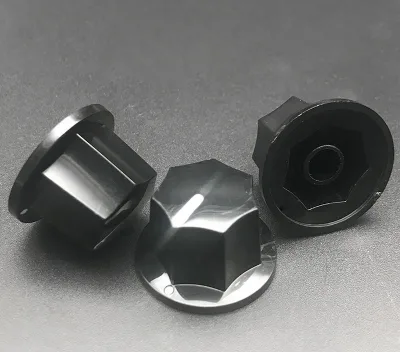
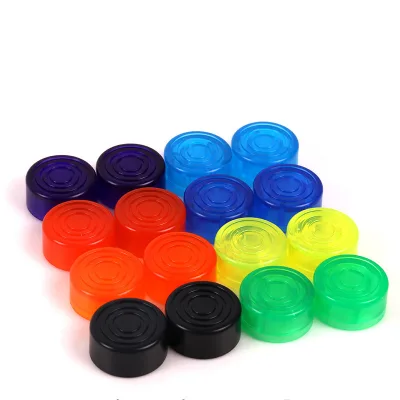
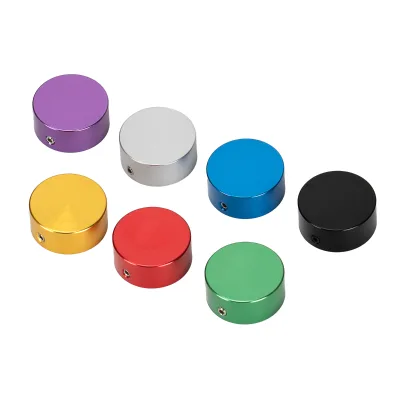
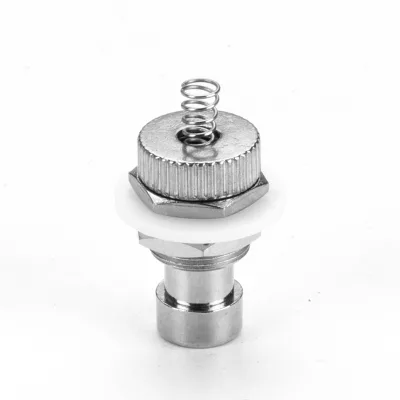
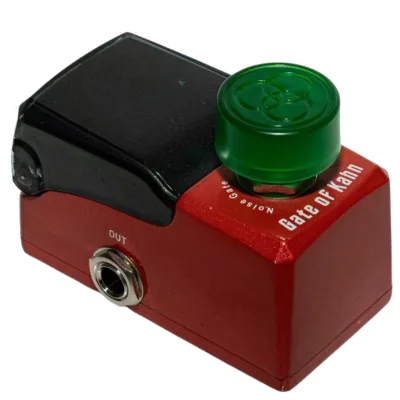
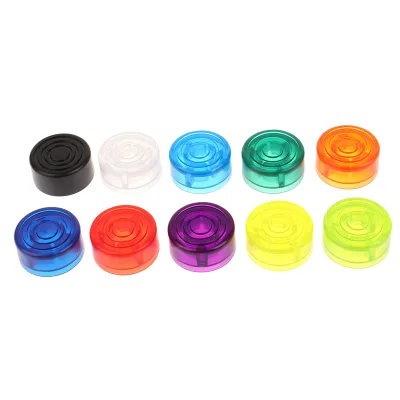
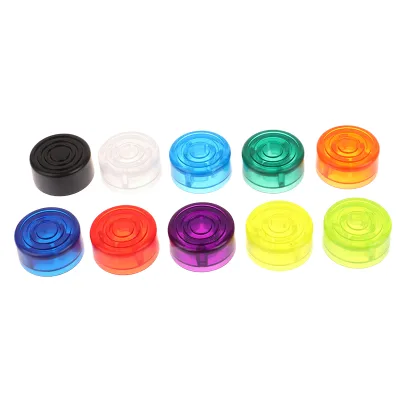
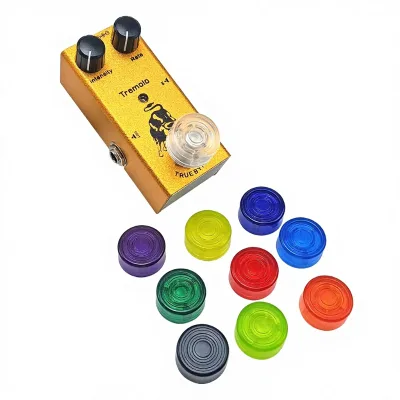
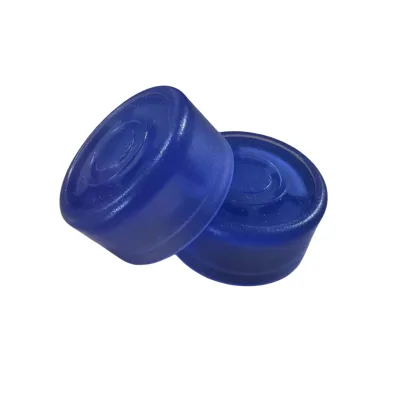


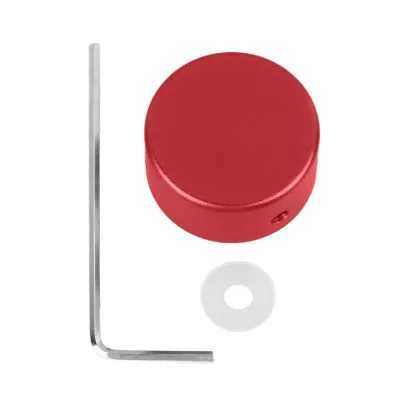
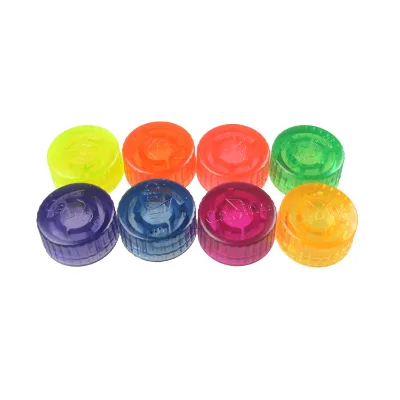

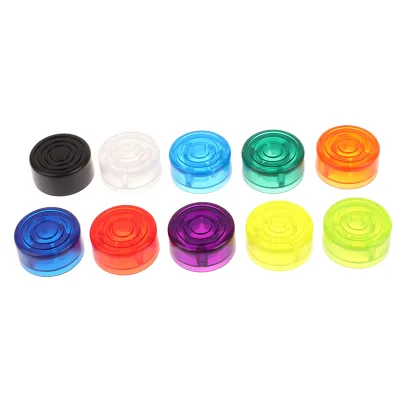
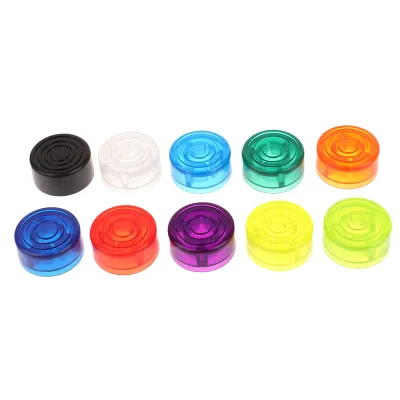
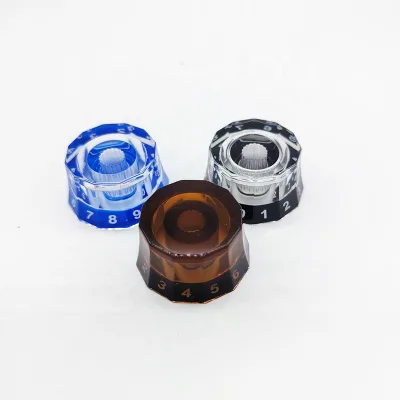
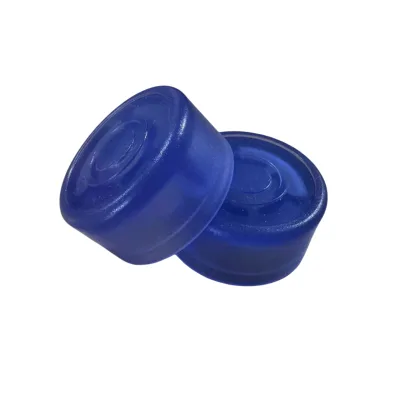
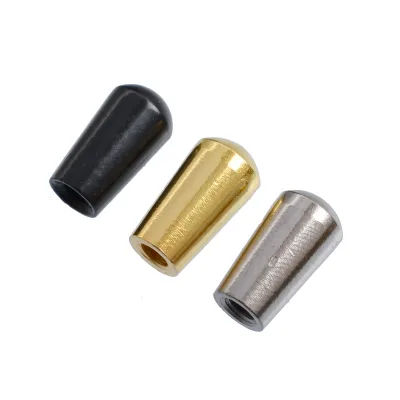

Comprehensive Sourcing Guide
Guitar Effects Pedal Footswitch Cap Sourcing Guide
Sourcing replacement components for guitar effects pedals requires a precise understanding of the diverse mechanical and aesthetic requirements inherent to the market. These small but critical accessories serve as protective covers or functional interfaces for various pedal types, including footswitch caps, footplate caps, and position switch caps. Buyers must recognize that these items are not generic; they are highly specific to the model number and internal mechanism of the target pedal. The supply chain is dominated by manufacturers in China, with significant production hubs located in Guangdong and Zhejiang provinces, indicating a mature ecosystem for plastic and metal injection molding and stamping.
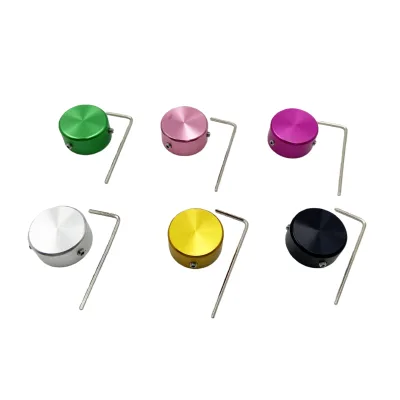
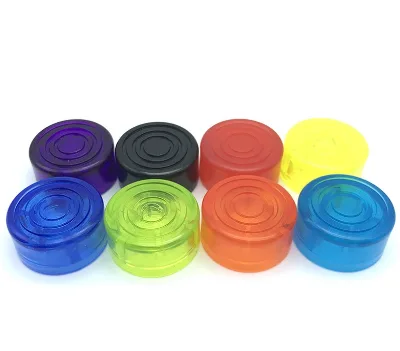
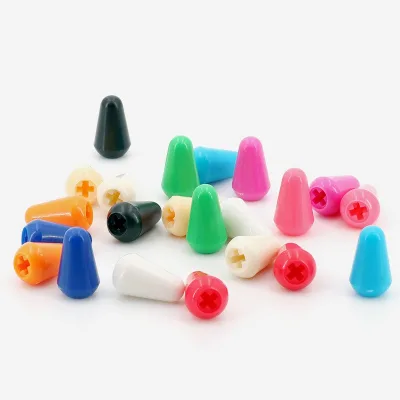
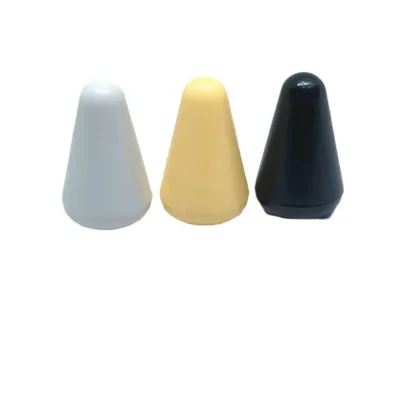
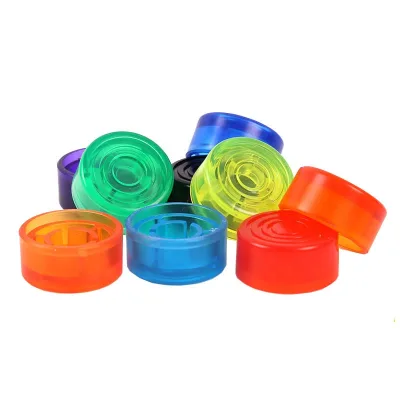
The variety of available options is extensive, ranging from simple plastic covers to more complex aluminum alloy components. Common materials include ABS plastic, general plastics, aluminum, and brass with nickel plating, each offering different durability and aesthetic profiles. Colors are equally varied, spanning standard options like black, white, and silver to vibrant choices such as green, pink, and gold. This diversity allows for customization but complicates the sourcing process, as a single supplier may not stock every variant. Procurement teams must therefore establish clear specifications early to avoid mismatches between the ordered cap and the physical pedal unit, ensuring compatibility before committing to volume orders.
Product Scope and Observed Listing Signals
The current market landscape for guitar pedal caps reveals a wide spectrum of product types and material compositions. Listings indicate the presence of footswitch caps for single-effect pedals, footplate caps, guitar position switch caps, and gear shift switch caps. Material choices are distinct, with some products utilizing aluminum or alloy for a premium feel, while others rely on ABS or general plastics for cost-effective mass production. For instance, specific model numbers like 010 and 1017 correspond to different material and dimensional profiles, highlighting the need for meticulous verification. The observed price range of 0.04 to 15.68 USD suggests a tiered market where basic plastic caps are inexpensive, while specialized metal or branded components command higher prices.
Minimum Order Quantities (MOQs) vary significantly, ranging from as low as one piece to 1,000 units, reflecting the flexibility of suppliers to accommodate both prototyping and large-scale manufacturing needs. Brand presence is notable, with names like "yindu" and "Daier" appearing alongside OEM options, indicating that buyers can source either branded or unbranded components depending on their distribution strategy. Packaging dimensions also differ, with single package sizes ranging from compact 15x5x5 cm boxes to larger 20x20x15 cm containers, which impacts logistics and storage calculations. Understanding these signals helps buyers align their procurement strategy with their inventory turnover rates and budget constraints, ensuring they select suppliers who can meet their specific volume and packaging requirements.
Technical Specifications to Verify
Verifying technical specifications is paramount to ensuring that the sourced caps fit the intended pedals without modification. Key dimensions such as inner diameter, panel size, and overall footprint must match the original equipment manufacturer (OEM) standards. For example, some caps have an inner diameter of 21x9.6mm or a diameter of 24.4x12mm, while others specify a panel size of 12mm. Buyers must cross-reference these measurements with the physical pedals they intend to service or manufacture. Additionally, the model number is a critical identifier; discrepancies in model numbers like 1008, 1017, or KN-2310 can lead to incompatible parts. It is essential to request detailed technical drawings or physical samples to confirm that the cap’s geometry aligns perfectly with the pedal’s switch mechanism.
Material properties also play a crucial role in the longevity and performance of the cap. Aluminum and alloy caps offer durability and a premium aesthetic, whereas ABS and plastic options provide lightweight and cost-effective solutions. Some products feature brass with nickel plating, offering enhanced corrosion resistance and a distinct visual appeal. Buyers should verify the material composition to ensure it meets the desired durability standards, especially for high-use pedals. Furthermore, features such as protection levels, such as IP40, may be relevant for pedals used in harsh environments. Confirming these technical details prevents costly returns and ensures that the final product meets the expectations of end-users who rely on the reliability of their guitar equipment.
Compliance and Safety Documentation
While guitar pedal caps are generally simple mechanical components, compliance with relevant safety and environmental standards is still a consideration for global distribution. Certifications such as CE mark the product as meeting European health, safety, and environmental protection standards, which is crucial for selling in the European market. Buyers should request valid certification documents from suppliers to ensure that the materials used, particularly plastics and metal platings, do not contain restricted substances. Although specific chemical standards are not detailed in the provided facts, verifying that the supplier adheres to general industry norms for electronic accessories is prudent. This due diligence helps mitigate risks associated with regulatory non-compliance, which can lead to product recalls or legal penalties.
Additionally, buyers should inquire about the supplier’s quality management systems and any internal testing protocols they employ. Even if formal certifications are not explicitly listed for every item, a reputable supplier will have processes in place to ensure consistency and safety. This includes checks for material integrity, dimensional accuracy, and surface finish quality. For products involving metal components, verifying that plating processes comply with environmental regulations regarding heavy metals is advisable. By prioritizing suppliers who provide transparent compliance documentation, buyers can protect their brand reputation and ensure that their products are safe for consumers. This proactive approach to compliance is a key component of responsible sourcing in the musical instrument accessories sector.
Cost Drivers and Commercial Terms
The cost of guitar pedal caps is influenced by several factors, including material choice, production volume, and customization requirements. Basic plastic caps are generally low-cost, with prices starting as low as 0.04 USD, while aluminum or brass components with specialized finishes can reach up to 15.68 USD. The Minimum Order Quantity (MOQ) directly impacts the unit price, with larger orders typically benefiting from economies of scale. Buyers must balance their budget constraints with their volume needs, considering whether the lower unit cost of bulk orders justifies the inventory holding costs. Additionally, packaging specifications, such as single package sizes and gross weights, affect shipping costs, which should be factored into the total landed cost calculation.
Commercial terms, including payment methods and lead times, are also critical considerations. While specific lead times are not provided, buyers should negotiate clear delivery schedules to ensure timely replenishment of stock. Payment terms may vary based on the supplier’s policies and the buyer’s credit history, with options ranging from upfront payments to letters of credit. It is advisable to establish a clear agreement on quality acceptance criteria before production begins to avoid disputes. Buyers should also consider the potential for price fluctuations due to raw material costs, particularly for aluminum and brass. By understanding these cost drivers, buyers can negotiate more effectively and secure favorable terms that support their overall procurement strategy.
Supplier Qualification and Quality Control
Selecting the right supplier involves evaluating their manufacturing capabilities, quality control processes, and track record. Suppliers in Guangdong and Zhejiang provinces are known for their expertise in plastic and metal fabrication, but buyers must verify their specific competencies. Requesting samples is a crucial step to assess the fit, finish, and material quality of the caps. Buyers should inspect the samples for defects such as burrs, discoloration, or dimensional inaccuracies. Additionally, inquiring about the supplier’s quality control procedures, such as incoming material inspections and final product checks, provides insight into their commitment to consistency. A robust quality control system minimizes the risk of receiving defective batches, which can disrupt production or lead to customer dissatisfaction.
Furthermore, buyers should assess the supplier’s ability to handle custom orders, including specific colors, materials, or packaging requirements. Flexibility in customization can be a significant advantage, allowing buyers to differentiate their products in the market. However, customization may come with higher MOQs or longer lead times, so it is important to discuss these constraints early in the engagement. Building a strong relationship with a reliable supplier ensures better communication, faster problem resolution, and potentially more favorable pricing over time. By prioritizing suppliers with proven quality control and customization capabilities, buyers can secure a stable supply chain for their guitar pedal accessories.
Long-Term Procurement Checks
Establishing long-term procurement checks ensures the sustainability and reliability of the supply chain for guitar pedal caps. Regular audits of supplier performance, including on-time delivery rates and defect rates, help identify potential issues before they escalate. Buyers should maintain open communication with suppliers to stay informed about any changes in material availability, production capacity, or regulatory requirements. This proactive approach allows for timely adjustments to procurement strategies, such as diversifying suppliers or adjusting inventory levels. Additionally, monitoring market trends and technological advancements in pedal design can help buyers anticipate future needs and stay ahead of competitors.
Continuous improvement in quality and cost efficiency is also essential for long-term success. Buyers should regularly review their specifications and negotiate with suppliers to optimize costs without compromising quality. Exploring opportunities for bulk purchasing or long-term contracts can provide stability and better pricing. Furthermore, staying updated on industry standards and best practices ensures that the sourced components remain compliant and competitive. By implementing these long-term checks, buyers can build a resilient supply chain that supports their business growth and meets the evolving demands of the guitar effects pedal market. This strategic focus on sustainability and quality will yield significant benefits in the long run.
FAQs
What materials are used for guitar effects pedal footswitch caps?
These caps are made from aluminum, alloy, ABS, plastics, or brass with nickel plating. Specific models vary by material type, such as aluminum for durability or ABS for lightweight construction. Buyers should check the product specification to confirm the exact material used for their selected model number.
Which colors are available for these footswitch caps?
Available colors include green, gold, silver, black, pink, rose, yellow, red, orange, purple, white, blue, and numbered options. The specific color selection depends on the model number and manufacturer. Buyers can choose from a wide range of finishes to match their guitar pedal aesthetic requirements.
Can I find caps with CE certification for guitar pedals?
Yes, some guitar effects pedal footswitch caps carry CE certification. This certification indicates compliance with specific safety standards for the product. Buyers seeking certified components should verify the certification status in the product details before placing an order to ensure regulatory compliance.
What is the minimum order quantity for these caps?
The minimum order quantity ranges from 1 piece to 1000 pieces depending on the supplier and model. Some listings allow single item purchases while others require bulk orders. Buyers should check the specific MOQ for their desired model number to plan their procurement accordingly.
Where are these guitar pedal caps manufactured?
These caps are manufactured in Guangdong, Zhejiang, or other regions in China. The place of origin is a key detail for logistics and sourcing decisions. Buyers should confirm the specific production location for each supplier to understand shipping times and potential trade implications.
How do I choose the right size for my pedal?
Sizes vary by model, with options like 24.4 by 12mm or 23 by 10mm dimensions. Inner diameters and panel sizes also differ across product lines. Buyers must match the cap dimensions to their specific pedal requirements to ensure a proper fit and secure installation.
What brands offer these footswitch caps?
Brands such as yindu, Daier, and OEM options are available in the market. Some products are listed under generic names while others carry specific brand identities. Buyers should review the brand name field to identify the manufacturer and assess product quality based on brand reputation.