Source Moldproof Classical Guitar Case for Travel, Storage, and Shipping
Compare 30 listings for Moldproof Classical Guitar Case options featuring waterproof leather and cotton interiors. These durable cases support OEM customization and are sourced from Guangzhou and Fujian, China, ensuring reliable protection for acoustic and electric instruments during transit; compare the available evidence and request quotations based on your requirements.
Key considerations
Products List


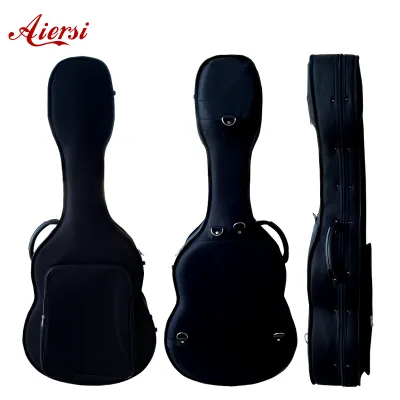
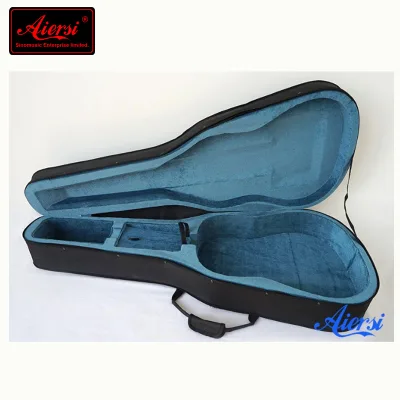


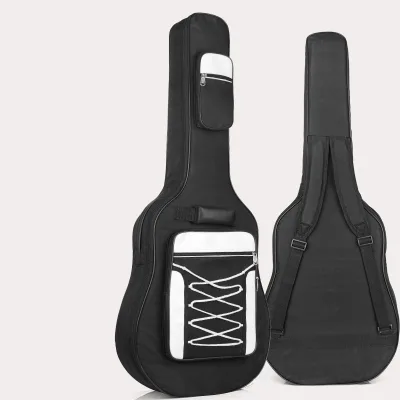
Waterproof Shockproof Plastic Protective Case for Musical Instrument Guitar Hard Case
$230.00 - $350.00
MOQ: 100 Pieces


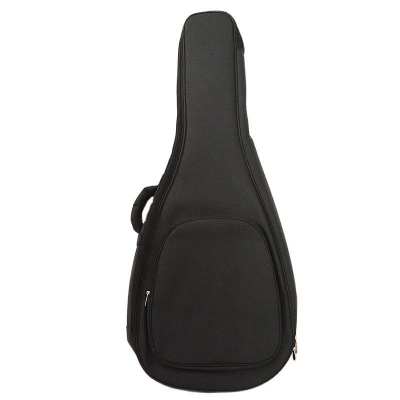
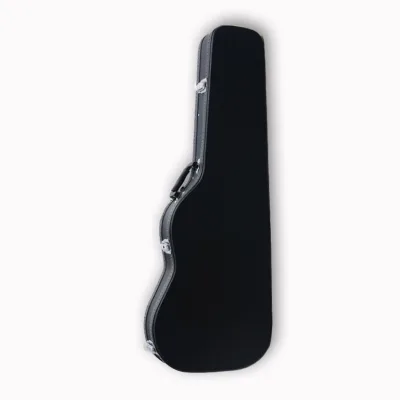


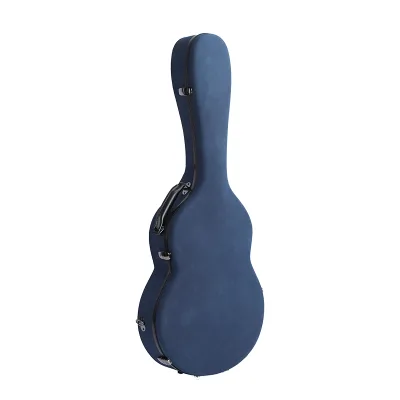
Aiersi Wholesale Factory Price 39 Inch 4/4 ABS Hard Classical Guitar Case
$53.00 - $58.00
MOQ: 1 Pieces


Comprehensive Sourcing Guide
Moldproof Classical Guitar Case Sourcing Guide
Procuring a Moldproof Classical Guitar Case requires distinguishing between rigid hard cases and soft protective bags, as the supplied data indicates a mix of both types available from Chinese manufacturers. Buyers must verify that the specific "Acoustic Guitar Case" or "Guitar Case" model selected explicitly addresses humidity control, as the observed listings confirm waterproof features but do not universally guarantee mold resistance without specific material verification. The presence of cotton or polyester linings suggests varying levels of breathability, which is critical for preventing moisture buildup in tropical climates where mold thrives.
Sourcing decisions should prioritize suppliers who offer OEM or ODM customization to tailor the internal environment of the case for classical instruments. The observed product models, such as PH-C10 and PH-A10, demonstrate that manufacturers provide specific dimensions and styles, yet the buyer must confirm that the "moldproof" claim is backed by treated materials rather than just a waterproof outer shell. Without explicit certification data in the current listings, procurement teams must request material safety data sheets to ensure the cotton or polyester lining does not retain moisture that could damage the delicate wood of a classical guitar.
Product Scope and Observed Listing Signals
The current market signals reveal a diverse inventory ranging from 41-inch standard cases to specialized bass models, with observed prices spanning from $5.35 to $350 USD. This wide variance suggests that the "moldproof" attribute is not a standard baseline for all listed items but rather a specific feature of higher-tier or customized products. Buyers should carefully examine the "Hardness" attribute, noting that soft cases like the one described with 65x65x65cm packaging may offer different protection profiles compared to the rigid 41-inch standard cases found in the catalog.
Listing signals also indicate that customization is a primary driver for product differentiation, with many suppliers accepting logo printing and specific model requests. The presence of "Double Open" features and various packing methods, such as PP bags or cartons, implies that the internal structure varies significantly between suppliers. Procurement teams must filter these signals to identify products specifically designed for classical guitars, ensuring that the "Use" category aligns with the instrument's size and that the "Inside Material" is suitable for long-term storage without promoting fungal growth.
Technical Specifications to Verify
Technical verification must begin with the internal lining material, as the observed listings cite both cotton and polyester as common inside materials. While polyester is often more resistant to moisture absorption, cotton may require specific chemical treatments to achieve true moldproof status. Buyers should request detailed specifications on the density and weave of the lining fabric, as these factors directly influence the case's ability to wick away humidity and prevent the growth of mold spores on the instrument's finish.
Dimensional accuracy is equally critical, with observed standards ranging from 103x37x10cm to 65x65x65cm, indicating a lack of uniform sizing across the market. For classical guitars, the internal cavity must match the specific body shape to prevent movement that could cause abrasion or pressure points. Procurement teams must verify that the "prod_standard" listed for a specific model, such as the 41-inch specification, aligns with the actual instrument dimensions to ensure a snug, protective fit that minimizes air circulation where mold could develop.
Compliance and Safety Documentation
Compliance documentation for moldproof cases often involves verifying chemical treatments used on the interior linings to ensure they are non-toxic and safe for musical instruments. Although one observed listing mentions a certificate labeled "Bscisedextuviso9001," this appears to be a placeholder or non-standard identifier, requiring buyers to demand valid ISO or equivalent environmental safety certifications. Without verified documentation, the chemical agents used to prevent mold could potentially off-gas or react with the varnish on the guitar, causing long-term damage to the instrument.
Safety standards also extend to the structural integrity of the case, particularly regarding the "Hardness" and "Feature" attributes like durability and waterproofing. Buyers should ensure that the waterproofing agents applied to the exterior do not compromise the breathability of the case, as trapped moisture is the primary cause of mold. Procurement teams must request test reports that specifically address mold resistance under high-humidity conditions, rather than relying solely on general waterproof claims found in the product descriptions.
Cost Drivers and Commercial Terms
Cost drivers for moldproof classical guitar cases are heavily influenced by the complexity of the internal lining and the level of customization required. The observed MOQ ranges from 1 to 500 units, with specific listings showing thresholds of 300 or 500 pieces, which can significantly impact the unit price. Buyers seeking lower volumes may face higher per-unit costs or limited customization options, while larger orders allow for more competitive pricing on specialized mold-resistant materials and custom branding.
Commercial terms regarding sample times and lead times are also critical factors in the total cost of ownership. The observed sample times of 10-14 days or 15 days indicate that developing a custom moldproof solution requires a dedicated production cycle. Procurement teams must factor these lead times into their inventory planning, as the need for specific material treatments may extend the production schedule beyond standard manufacturing timelines, potentially affecting the overall delivery date for the order.
Supplier Qualification and Quality Control
Supplier qualification should focus on manufacturers with proven experience in producing cases for acoustic and classical instruments, as evidenced by the specific model names like PH-C10 and PH-A10. Buyers must verify the supplier's location, noting that origins in Guangzhou and Fujian are common, but the specific factory's quality control processes for moldproof treatments vary. It is essential to audit the supplier's production line to ensure that the "Inside Material" is consistently treated and that the waterproofing is applied uniformly across all units.
Quality control protocols must include random sampling of finished cases to test for mold resistance and structural integrity. Given the observed variation in "Single Gross Weight" and "Single Package Size," buyers should establish strict acceptance criteria for weight and dimensions to ensure consistency. Procurement teams should require pre-shipment inspections that specifically check for the absence of mold spores and the integrity of the lining, ensuring that the product meets the high standards required for protecting valuable classical guitars.
Long-Term Procurement Checks
Long-term procurement checks should involve periodic re-evaluation of the moldproof performance of the cases under real-world storage conditions. Buyers must monitor the cases over time to ensure that the initial mold resistance does not degrade due to wear and tear or exposure to extreme humidity. Establishing a feedback loop with the end-users or distributors can provide valuable data on the longevity of the moldproof features, allowing for adjustments in material selection or treatment processes.
Continuous improvement in the supply chain requires maintaining open communication with suppliers regarding updates in material technology and manufacturing standards. As the market evolves, new treatments or fabrics may become available that offer superior protection against mold without compromising the case's durability. Procurement teams should stay informed about these advancements and be prepared to update their specifications to ensure that the sourced cases remain the best protection for classical guitars in the long run.
FAQs
What materials are used in these guitar cases?
The cases utilize leather exteriors for durability and style. Inside, options include cotton or polyester linings to protect the instrument. These materials ensure the case is both waterproof and soft, providing reliable protection for acoustic and electric guitars during transport or storage.
Can I customize the logo on the case?
Yes, OEM and ODM customization are welcome for these products. Buyers can request logo printing on the exterior. This service allows businesses to brand their inventory effectively, ensuring the final product aligns with their specific corporate identity or retail requirements.
What is the typical MOQ for these cases?
The minimum order quantity varies by product type. Some items require an MOQ of 300 units, while others may require 500 pieces. Buyers should check specific product listings for exact requirements, as the observed range across the catalog spans from 1 to 500 units.
Where are these guitar cases manufactured?
These cases originate from China, specifically from regions like Guangzhou and Fujian. The manufacturing locations ensure access to established supply chains for leather and synthetic materials. Buyers can expect consistent production capabilities and logistical support from these established industrial hubs in China.
Are these cases suitable for bass guitars?
Yes, specific models are designed for bass guitars. The product list includes items explicitly labeled for bass use, such as the PH-E10-F BASS model. These cases offer the same waterproof and durable features as standard guitar cases, ensuring safe transport for larger instruments.
What certifications do these cases have?
The products list Bscisedextuviso9001 as a certification. This indicates adherence to specific quality or management standards relevant to the manufacturing process. Buyers should verify the exact scope of this certification with suppliers to ensure it meets their specific compliance or auditing requirements.