Source Jazz Performance Drumsticks for Studio, Live, and Practice
Find 30 options for Jazz Performance Drumsticks suitable for studio recording, live gigs, and daily practice. Compare materials like wood and steel, model numbers, and colors to select the right percussion accessories for your needs; compare the available evidence and request quotations based on your requirements.
Key considerations
Products List
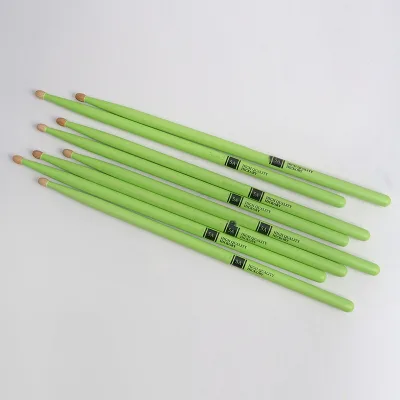
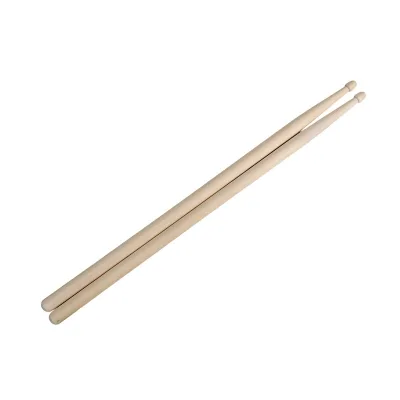
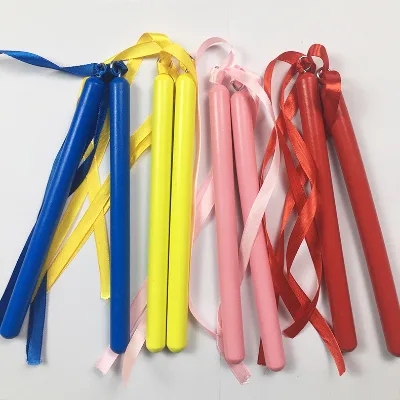
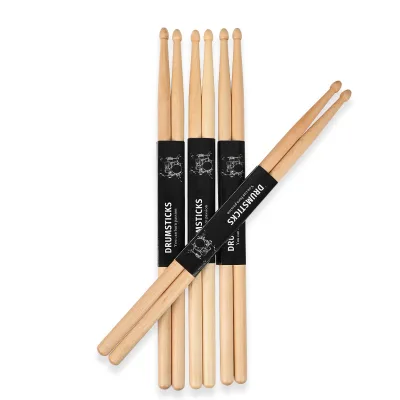
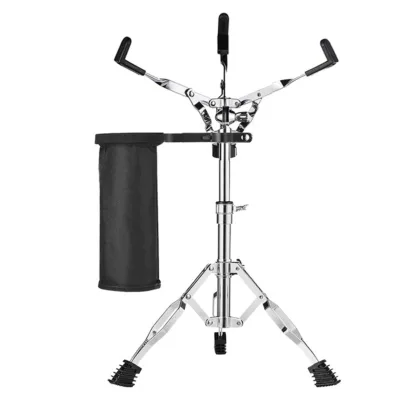
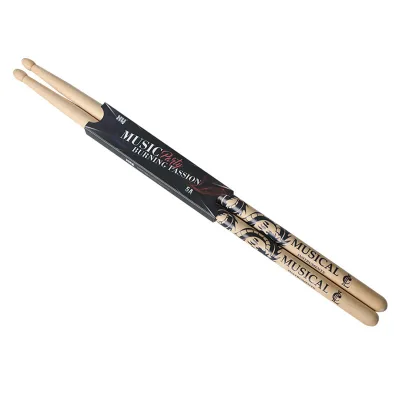
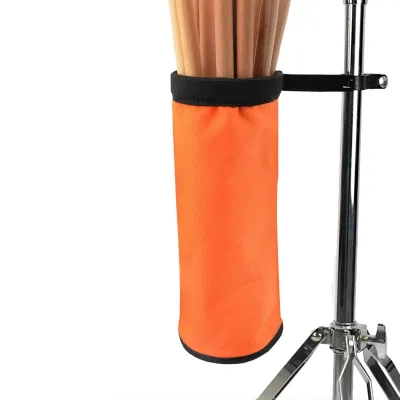
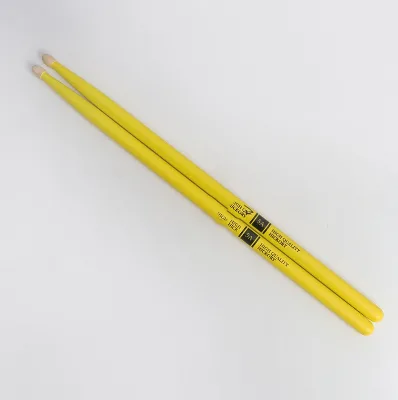
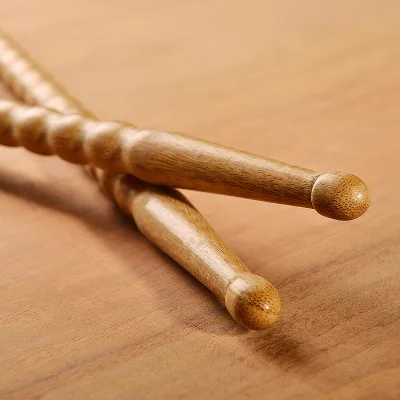
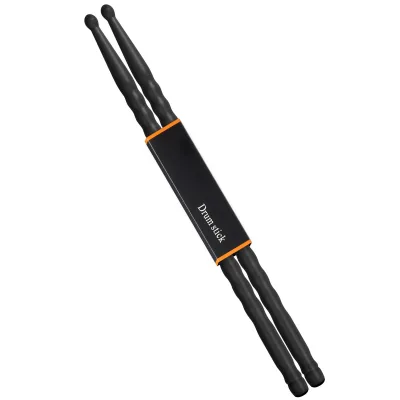
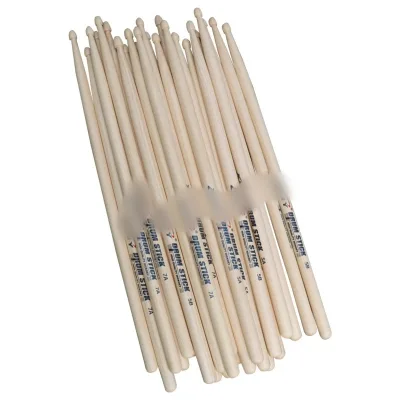
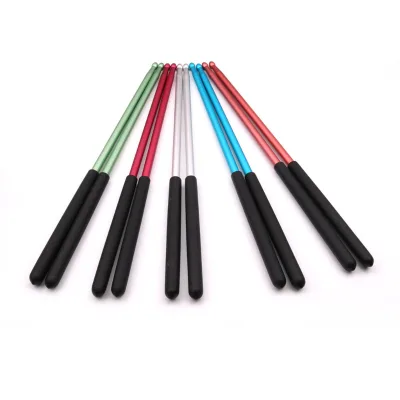
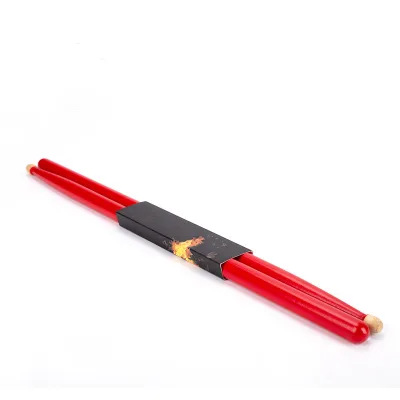
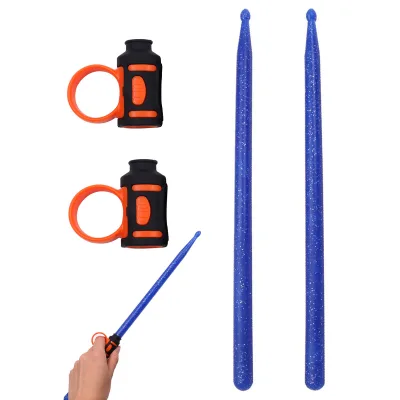
Colorful Mental Drumsticks Aluminum Alloy Drumstick for Jazz Drum 5 Colors
$3.94 - $4.74
MOQ: 100 pieces


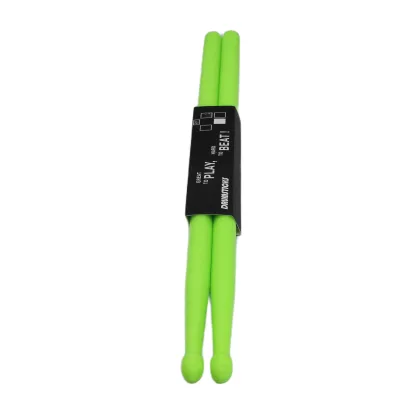
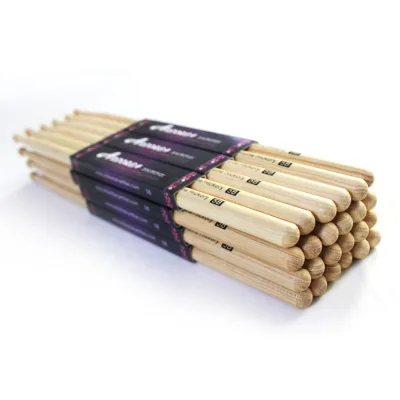
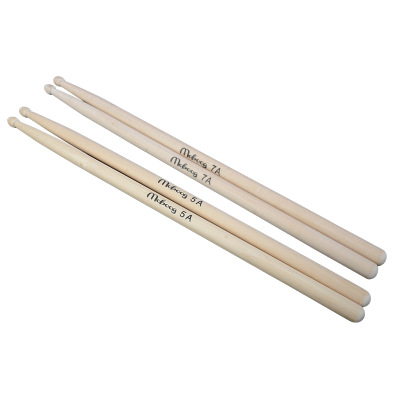


Cheap Price Custom Brand Percussion Musical Instrument 5 Piece Jazz Drum Set
$190.00 - $195.00
MOQ: 1 Pieces
Comprehensive Sourcing Guide
Jazz Performance Drumsticks Sourcing Guide
Sourcing drumsticks for jazz performance requires balancing traditional wood construction with modern durability needs, as observed in listings featuring natural wood and specific model numbers like 0925 and 0806. Buyers must distinguish between single-item retail units and bulk procurement options, noting that some suppliers offer minimum order quantities as low as one piece while others require hundreds of units. The variety of colors available, including green, black, and deep blue, suggests customization potential, yet the core material remains critical for the authentic sound required in jazz settings.
Procurement decisions should prioritize the specific application context, as some products are explicitly designated for jazz drum and electric drum use. While certain listings highlight features like non-slip surfaces and high quality, these attributes must be verified against the actual material composition, which ranges from wood to steel and nylon. Buyers should carefully review the single package size and gross weight to ensure logistics compatibility, especially when sourcing from different Chinese provinces like Hebei, Tianjin, and Guangdong, where production origins vary significantly.
Product Scope and Observed Listing Signals
The market presents a diverse range of drumstick types, from traditional wooden models to accessories made of Oxford cloth or nylon, each serving distinct percussion needs. Listings indicate that some products are designed specifically for drumset usage, while others function as general percussion instrument parts or accessories for electric drums. The observed color palette, including burlywood, light grey, and natural tones, reflects aesthetic customization, but the functional scope is defined by the material and intended instrument type rather than visual appearance alone.
Buyers must navigate varying product descriptions where some items are labeled as single items while others imply bulk packaging. The presence of model numbers such as 0805, 0806, and R-H42 suggests a structured catalog, yet the lack of uniform naming conventions requires careful cross-referencing. Some suppliers list the product type simply as "drumstick," while others use broader categories like "percussion musical instrument parts," necessitating a clear definition of the exact component needed for the specific jazz performance context.
Technical Specifications to Verify
Material composition is the primary technical factor, with observed listings specifying wood, steel, and nylon as the core construction elements. For jazz performance, the wood variety and density are paramount, as they directly influence the stick's rebound and tonal warmth. Buyers should verify the exact material grade, as some products are described merely as "other" or generic materials, which may not meet the rigorous acoustic standards required for professional jazz ensembles.
Dimensional consistency is equally critical, with observed single package sizes reaching 60x10x10 cm and gross weights varying from 0.0 kg to 5.000 kg. These metrics indicate significant variation in packaging and unit weight, which can affect shipping costs and inventory management. The size specification "DrumStick" appears alongside specific model numbers, but buyers must confirm the actual physical dimensions and weight of the individual sticks to ensure they match the ergonomic requirements of the drummer.
Compliance and Safety Documentation
While specific certification documents are not explicitly detailed in the provided listings, the emphasis on "high quality" and "durable" features implies a baseline expectation of safety and reliability. Buyers should request documentation confirming that the materials used, particularly for wood and nylon components, meet international safety standards for musical instruments. This is essential to ensure that the products do not contain harmful substances or structural weaknesses that could pose a risk during high-intensity jazz performances.
Packaging and labeling requirements also play a role in compliance, as some listings note that packaging details should be consulted with customer service. This ambiguity suggests that standard compliance labels may not be pre-printed on all units, requiring buyers to verify that the final product includes necessary safety warnings and origin markings. Ensuring that the supplier can provide clear documentation regarding the origin and material safety is a crucial step before finalizing any procurement agreement for professional use.
Cost Drivers and Commercial Terms
The observed price range of 0.49 to 195 USD indicates a wide spectrum of cost drivers, influenced heavily by material quality, brand reputation, and order volume. Lower-priced items often correspond to generic materials or single-unit sales, while higher-priced options may reflect premium wood, specialized finishes, or bulk packaging efficiencies. Buyers must analyze the relationship between the minimum order quantity and the unit price, as some suppliers offer MOQs as low as one piece, while others require orders of 1000 units to achieve optimal pricing.
Commercial terms vary significantly, with some suppliers listing "Please consult customer service" for packaging and others providing specific volume and weight data. The single gross weight of 5.000 kg for certain packages suggests that shipping costs will be a major factor in the total landed cost. Buyers should negotiate clearly on whether the quoted price includes packaging, handling, and shipping, as these variables can drastically alter the final cost per unit, especially when sourcing from multiple locations within China.
Supplier Qualification and Quality Control
Supplier origins in Hebei, Tianjin, and Guangdong suggest a robust manufacturing base, but buyers must verify the specific capabilities of each facility regarding precision and consistency. The presence of OEM and ODM branding indicates that many suppliers offer custom manufacturing, which requires a rigorous quality control process to ensure that custom specifications match the buyer's requirements. Buyers should assess the supplier's ability to maintain consistent quality across batches, particularly when dealing with natural materials like wood that can vary in density and grain.
Quality claims such as "High Qualtiy" and "Durable" are common in listings but require independent verification through sample testing. Buyers should request physical samples to evaluate the non-slip features, color consistency, and structural integrity of the drumsticks before committing to a large order. Establishing a clear quality control protocol that includes random sampling and performance testing is essential to mitigate the risk of receiving substandard products that do not meet the demands of professional jazz performance.
Long-Term Procurement Checks
Sustaining a reliable supply chain for jazz drumsticks requires ongoing monitoring of supplier performance and product consistency over time. Buyers should establish a schedule for regular quality audits and sample testing to ensure that the materials and craftsmanship remain stable as production volumes scale. This proactive approach helps identify any drift in quality or changes in material sourcing that could impact the acoustic performance of the drumsticks in a live setting.
Building a long-term relationship with suppliers who demonstrate flexibility and responsiveness is crucial for adapting to changing market demands. Buyers should maintain open communication channels to discuss potential design updates, material improvements, or packaging changes that could enhance the product's value. By fostering a collaborative partnership, buyers can ensure a steady supply of high-quality drumsticks that meet the evolving needs of jazz musicians and maintain a competitive edge in the market.
FAQs
What materials are used for Jazz Performance Drumsticks?
Jazz Performance Drumsticks are crafted from various materials including wood, steel, and nylon. Wood options provide a natural feel, while steel and nylon offer enhanced durability. These materials are selected to balance weight and resilience, ensuring consistent performance across different playing styles and acoustic environments.
Which colors are available for these drumsticks?
Available colors include green, black, deep blue, red, pink, yellow, light grey, and natural wood tones. Some models feature burlywood finishes. These color options allow drummers to personalize their equipment while maintaining professional aesthetics suitable for stage performances and studio recording sessions.
Can I find drumsticks with a low minimum order quantity?
Yes, certain models support a minimum order quantity of just one piece. Other options start at 100 pieces. This flexibility allows individual musicians to purchase single items for testing, while bands or retailers can order larger batches. Low MOQs facilitate easy sampling and small-scale procurement.
What specifications are available for drumstick models?
Models include 0925, 0806, 0924, 0805, R-H42, DA-3, and SK-14. Specifications vary by material and application, such as jazz or electric drum use. Some feature non-slip designs or specific packaging. Buyers should consult detailed product pages to match model numbers with their specific performance requirements.
Where are these drumsticks manufactured?
These drumsticks are manufactured in China, specifically in Hebei, Tianjin, and Guangdong provinces. Each region may contribute different production capabilities. Buyers can verify specific factory locations during the sourcing process to ensure alignment with quality standards and logistical preferences for their supply chain.
Are these drumsticks suitable for percussion instruments?
Yes, they are explicitly designed for percussion instruments, including drumsets and electric drums. Features like durability and non-slip surfaces enhance playability. These accessories are optimized for jazz and general percussion use, ensuring reliable performance and comfort during extended playing sessions in various musical contexts.