Source Handmade Ebony Mandolin for Bands, Studios, and Events
Compare 30 Handmade Ebony Mandolin options from verified suppliers. Buyers can evaluate solid spruce tops, flamed maple backs, and customization features like adjustable bridges and gold hardware for professional use; compare the available evidence and request quotations based on your requirements.
Key considerations
Products List


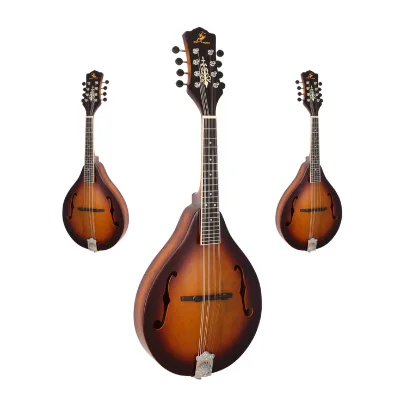
Afanti One Piece Flamed Maple Back Handmade Mandolin Musical Instruments
$552.00 - $599.00
MOQ: 4 Pieces


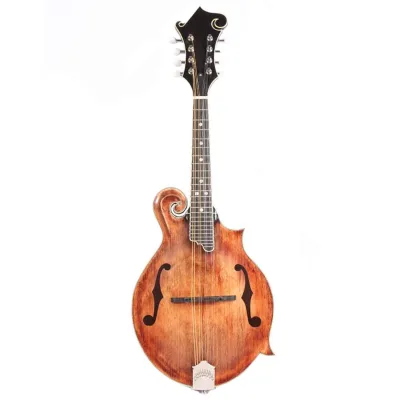


Professional Handmade Violin One Piece Back Wood 1/4-4/4, Musical Instruments
$40.00 - $40.60
MOQ: 100 Pieces
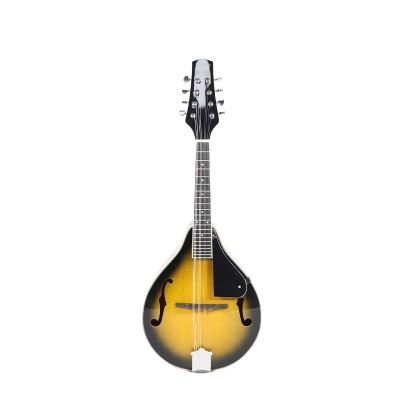

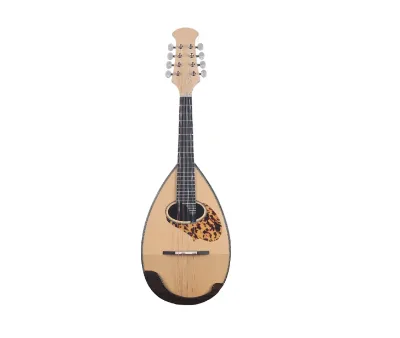
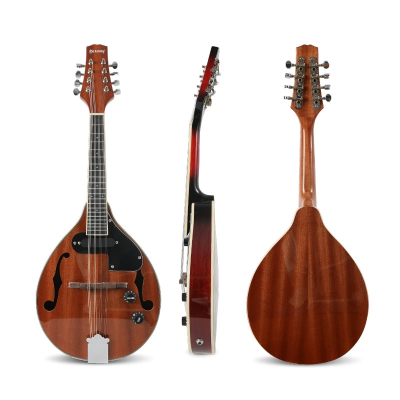
Custom Grand Handmade F Style Mandolin Solid Spruce Top OEM Service for Mandolin Banjo
$350.68 - $380.68
MOQ: 12 Pieces





Comprehensive Sourcing Guide
Handmade Ebony Mandolin Sourcing Guide
Sourcing handmade ebony mandolins requires a nuanced understanding of material integrity, craftsmanship standards, and supply chain transparency. Buyers must distinguish between mass-produced instruments and those crafted with traditional techniques, particularly when ebony is specified for critical components like the fingerboard or bridge. The presence of solid wood tops, such as spruce, and flamed maple backs indicates a higher tier of acoustic performance, appealing to professional musicians and serious hobbyists. This guide provides a structured approach to evaluating suppliers, verifying technical specifications, and managing commercial risks associated with high-end musical instrument procurement.
The market for these instruments is characterized by significant variation in quality, origin, and customization options. While some manufacturers offer standard models, others provide extensive OEM services, allowing buyers to tailor hardware, finishes, and branding to their specific market needs. Understanding the distinction between different model series, such as the AMD-F92 or AMD-F500, is crucial for aligning product features with target customer expectations. This guide outlines the essential steps for navigating this complex landscape, ensuring that procurement decisions are based on verified data and clear commercial terms rather than marketing claims.
Product Scope and Observed Listing Signals
The observed product range includes various mandolin models, such as the AMD-F92, AMD-F500, and AMD-F300, each with distinct material compositions and finishing processes. Key observations indicate that ebony is frequently used for fingerboards, with some models featuring solid spruce tops and solid flamed maple backs or sides. These material combinations suggest a focus on tonal richness and visual appeal, which are critical selling points for premium instruments. Buyers should note that while ebony is a common feature, the quality of the wood and the precision of its installation can vary significantly between suppliers, necessitating careful sample evaluation.
Listing signals also reveal variations in hardware, finish, and packaging options. Some models feature gold or chrome hardware, with finishes ranging from hand-made oil to antique or high-gloss treatments. Packaging methods differ, with options including carton, professional foam, and triangle or oblong foam cases, indicating different levels of protection and presentation. These details are vital for assessing the total cost of ownership, including shipping and insurance, as well as the perceived value of the final product. Buyers must verify these specifics with suppliers to ensure they match their quality standards and logistical requirements.
Technical Specifications to Verify
Verifying technical specifications is paramount when sourcing handmade ebony mandolins, as minor deviations can impact playability and durability. Buyers should confirm the exact grade of ebony used for the fingerboard and bridge, ensuring it is dense, stable, and properly seasoned to prevent cracking or warping. The construction of the top, often specified as solid AAA spruce, should be hand-carved and graduated to optimize acoustic response. Additionally, the back and sides, whether maple or flamed maple, must be solid wood rather than laminated, as this significantly affects the instrument's resonance and longevity.
Hardware and adjustment mechanisms also require close scrutiny. The bridge should be adjustable or feature an ebony radius to ensure proper string action and intonation. Buyers must verify the quality of imported hardware, checking for corrosion resistance and smooth operation. Finish processes, such as hand-made oil or antique treatments, should be consistent and durable, protecting the wood without dulling its natural beauty. Packaging specifications, including carton counts and foam types, should be confirmed to prevent damage during transit, especially for fragile wooden instruments.
Compliance and Safety Documentation
Compliance and safety documentation are essential for importing musical instruments, particularly those made with natural materials like ebony and spruce. Buyers must ensure that suppliers provide certificates of origin and material declarations, verifying that the ebony is sourced from sustainable and legal supplies. This is crucial for adhering to international regulations such as CITES, which governs the trade of endangered species. Without proper documentation, shipments can be delayed or confiscated, leading to significant financial losses and reputational damage.
Additionally, safety standards for finishes and adhesives should be verified. Buyers should request Material Safety Data Sheets (MSDS) for any chemical treatments used in the finishing process, ensuring they meet international safety standards for consumer products. This is particularly important for instruments intended for markets with strict chemical regulations. Suppliers should also provide evidence of quality control processes, including inspections for structural integrity and acoustic performance, to ensure that each instrument meets the specified standards before shipment.
Cost Drivers and Commercial Terms
Cost drivers for handmade ebony mandolins include material quality, labor intensity, and customization levels. Solid wood construction, particularly with premium ebony and flamed maple, significantly increases production costs compared to laminated alternatives. Hand-carved tops and graduated bracing require skilled labor, further elevating the price. Buyers should also consider the cost of hardware, finishes, and packaging, as these components add to the overall expense. Understanding these drivers helps in negotiating fair prices and avoiding hidden costs that can erode profit margins.
Commercial terms, including MOQ, lead times, and payment conditions, vary widely among suppliers. Observed MOQs range from 4 to 500 pieces, with lead times typically spanning 10 to 25 days. Buyers must align these terms with their inventory needs and cash flow constraints. OEM services, such as custom logos and packaging, may incur additional fees but can enhance brand value. Clear communication regarding these terms is essential to avoid misunderstandings and ensure a smooth procurement process, with contracts specifying quality standards and delivery schedules.
Supplier Qualification and Quality Control
Supplier qualification involves assessing manufacturing capabilities, quality control systems, and past performance. Buyers should request factory audits or third-party inspection reports to verify production standards and working conditions. Suppliers with a history of producing high-end instruments are more likely to deliver consistent quality. It is also important to evaluate their ability to handle custom orders, including design modifications and branding requirements. A robust quality control process, including pre-shipment inspections, is crucial for minimizing defects and ensuring customer satisfaction.
Quality control measures should be explicitly defined in the purchase agreement. Buyers should specify acceptance criteria for material defects, finish quality, and acoustic performance. Regular communication with suppliers during production can help identify and resolve issues early. Additionally, buyers should establish a process for handling non-conforming goods, including return policies and compensation terms. Building a strong relationship with reliable suppliers fosters trust and ensures a steady supply of high-quality mandolins, supporting long-term business success.
Long-Term Procurement Checks
Long-term procurement checks involve continuous monitoring of supplier performance, market trends, and product quality. Buyers should conduct periodic reviews of supplier metrics, including on-time delivery rates, defect rates, and responsiveness to issues. This data helps in identifying potential risks and making informed decisions about future orders. Additionally, staying updated on market trends, such as changes in consumer preferences for materials or finishes, allows buyers to adapt their product offerings accordingly. Regular feedback from end-users can also provide valuable insights for product improvement.
Sustainability and ethical sourcing practices should be regularly assessed to ensure alignment with corporate social responsibility goals. Buyers should verify that suppliers continue to adhere to legal and ethical standards for material sourcing and labor practices. Building a diversified supplier base can mitigate risks associated with single-source dependencies. By maintaining a proactive approach to procurement, buyers can ensure a steady supply of high-quality handmade ebony mandolins, supporting their brand reputation and customer loyalty in the competitive musical instrument market.
FAQs
What materials are used for the fingerboard and top?
The fingerboard is made of ebony, while the top features solid spruce. Some models also offer hand-carved AAA spruce tops with graduated thickness to ensure superior acoustic resonance and structural integrity for professional players.
Can I customize the logo and finish on this mandolin?
Yes, customization is available for both the logo and the finish. You can choose from light brown hand-made oil finishes or antique styles, and the logo can be customized to match your brand identity or specific design requirements.
What is the minimum order quantity for these mandolins?
The minimum order quantity varies by model, ranging from 4 pieces to 10 sets. Specific models like the AMD-F500 require 4 pieces, while others may need 6 pieces or 10 sets depending on the configuration and customization level selected.
Which hardware options are available for the bridge and tuning?
Hardware options include gold imported quality levels or chrome finishes. The bridge is adjustable, with some models featuring ebony bridges with radius designs to ensure precise intonation and optimal string action for various playing styles.
How are these mandolins packed for shipping and protection?
Packing options include cartons with professional foam or triangle foam cases. Standard shipping uses cartons containing 4 to 6 pieces, while individual units may come in oblong foam cases to ensure safe transport and protection during international delivery.
What is the lead time for manufacturing and delivery?
The lead time typically ranges from 10 to 25 days for production. This duration covers the hand-made oil finishing process and quality checks, ensuring each instrument meets the high standards required for solid wood mandolins before shipment.
Are these mandolins suitable for OEM branding and bulk orders?
Yes, OEM services are available for branding and bulk orders. Manufacturers support customized packaging and logos, allowing buyers to source high-quality solid spruce and maple mandolins with specific specifications tailored to their market needs and volume requirements.